
 EN
EN


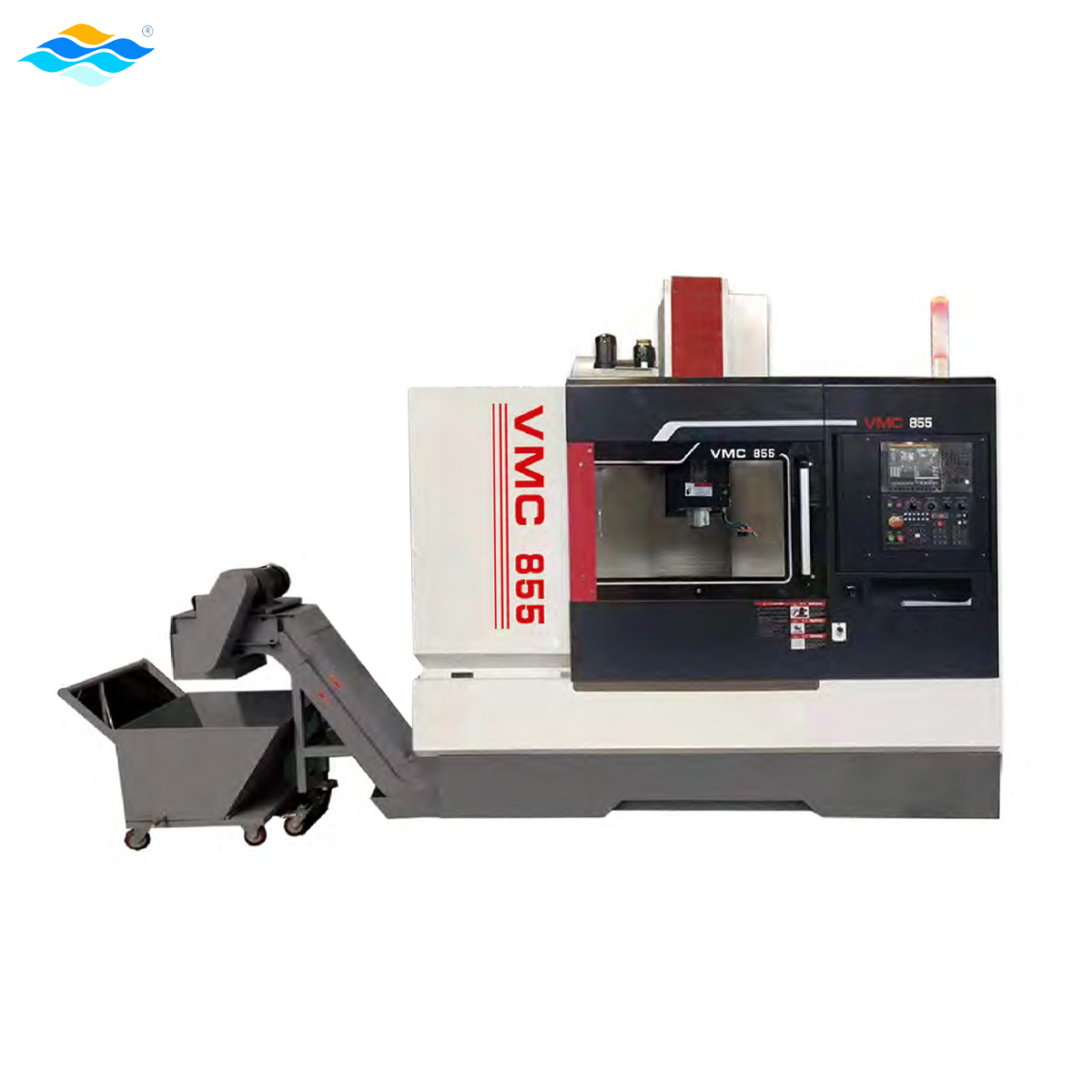
The gantry milling machine has become essential in modern structural steel fabrication, delivering precision boring and milling operations that traditional equipment cannot reliably achieve. Structural steelwork demands exacting tolerances, complex hole patterns, and accurate surface finishes—requirements that a gantry milling machine uniquely fulfills. Whether processing large fabricated sections, massive welded assemblies, or intricate architectural steel components, this machinery class provides both the rigidity and positional accuracy that structural steel operations require.
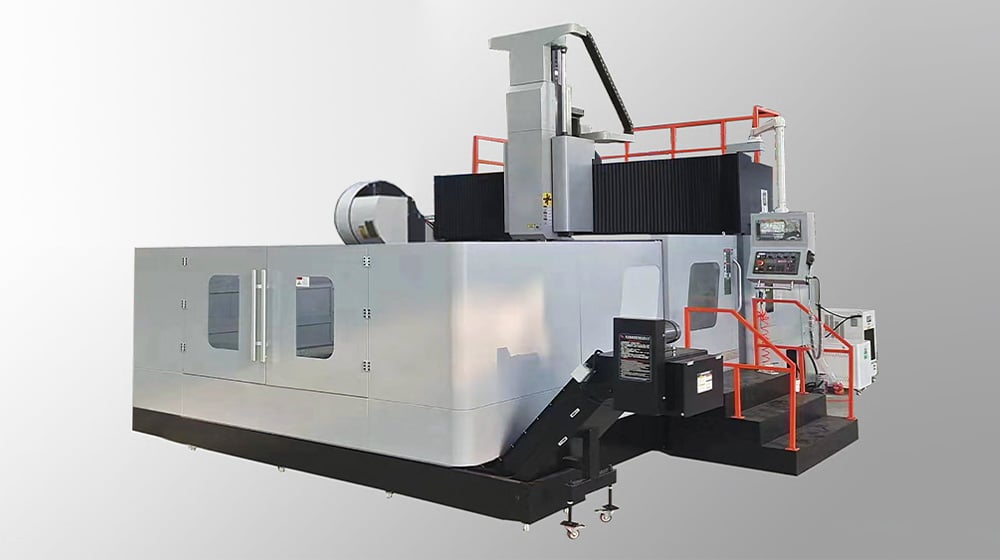
A gantry milling machine operates through a horizontal spindle mounted on a movable gantry structure that spans the work area. The gantry framework itself slides along parallel rails, enabling the spindle to access every point within the machine envelope without requiring the workpiece to move significantly. This design principle makes a gantry milling machine particularly valuable for heavy structural components that cannot be easily repositioned, and it ensures that boring, milling, and facing operations maintain consistency across multi-part batches or large single fabrications.
Core Design and Operational Principles
Gantry Structure and Load Capacity
The gantry milling machine derives its name from its distinctive overhead gantry frame, which spans across the machine table or work envelope. This structure provides exceptional rigidity and load-bearing capability, allowing a gantry milling machine to accommodate structural steel sections weighing many tons without deflection or vibration that would compromise precision. The gantry frame moves along fixed rails in the longitudinal direction, while the spindle head itself moves transversely, creating a three-axis motion system that reaches virtually any point on or within the workpiece. This configuration allows the gantry milling machine to maintain tight positional tolerance throughout long production runs, supporting aerospace-grade hole patterns and surface finishes on steel components that serve in bridges, buildings, and industrial structures.
Spindle Technology and Tooling Integration
A modern gantry milling machine typically features a horizontal spindle that accepts large-diameter cutters, boring bars, and facing tools necessary for structural steel operations. The spindle speed and torque characteristics of a gantry milling machine are optimized for interrupted cuts, variable material hardness, and the heavy-duty boring required in structural applications. The tool-holding system on a gantry milling machine often utilizes oversized tapers and holders that ensure repeatable positioning and minimal run-out, critical factors when boring precision holes in multi-section fabrications where alignment errors would make assembly impossible. Coolant delivery systems integrated into the gantry milling machine spindle head maximize tool life and surface finish quality, especially during long-duration boring operations that generate substantial heat.
Structural Steel Applications and Operational Advantages
Precision Boring and Hole Pattern Accuracy
Structural steelwork often requires multiple precisely spaced bolt holes, dowel holes, and alignment bores across fabricated sections that may span several meters. A gantry milling machine excels in these applications because its fixed gantry structure provides superior repeatability and positional accuracy compared to traditional knee-type milling machines or portable boring equipment. When a gantry milling machine bores an initial hole, it establishes a machine-coordinate reference that remains stable for subsequent holes, enabling hole-to-hole tolerances of ±0.1 mm or better. This capability proves essential for bolted connections in bridge girders, column bases, and connection plates where assembly alignment directly affects structural integrity and long-term performance. The gantry milling machine also handles facing operations that create flat, perpendicular surfaces for connection interfaces, eliminating field shimming and reducing assembly time.
Efficiency in Large Assembly Machining
Production throughput in structural steel fabrication improves significantly when using a gantry milling machine, because the machinery allows part-setup costs to be amortized across longer production cycles while maintaining positional accuracy. Unlike portable boring rigs that require repositioning between operations, a gantry milling machine holds the workpiece stationary and brings the cutting tool to each required location, reducing setup time and human positioning errors. Batch operations—such as drilling identical hole patterns on multiple fabricated girders or beams—become highly efficient on a gantry milling machine, because tool-path changes can be implemented quickly between parts without recalibration. The gantry milling machine also reduces scrap rates because the initial setup verification ensures that subsequent identical parts meet tolerance without repeat-checking or trial holes.
Technical Specifications and Selection Criteria
Dimensional Capability and Workspace Configuration
A gantry milling machine workspace varies widely depending on machine class and application, ranging from compact models accommodating components up to 3 meters long to massive installations serving sections exceeding 10 meters in length. When selecting a gantry milling machine, structural fabricators must ensure the machine table dimensions and clearance envelopes accommodate the largest single component or assembly they intend to machine. The gantry milling machine spindle positioning range—both vertically and horizontally—determines the maximum part height and offset distances that can be machined without repositioning. Machine specifications also include spindle power ratings, coolant system capacity, and automated tool-changer availability, all factors that directly influence cycle time and operational cost on a gantry milling machine suitable for high-volume structural steel production.
Accuracy, Resolution, and Control Systems
Modern CNC-equipped gantry milling machine systems feature positional resolution typically in the range of 0.01 mm per axis, achieved through precision ballscrews, linear encoders, and closed-loop servo control. The gantry milling machine control software integrates CAD-based tool-path generation, automatic hole-circle generation, and G-code optimization routines that maximize accuracy while minimizing tool-path transitions. Repetitive accuracy on a gantry milling machine—the consistency of hole positions across identical parts—typically ranges from ±0.05 mm to ±0.15 mm depending on machine class, spindle thermal stability, and coolant management. For structural applications where connection assemblies must fit correctly on-site without field adjustment, these accuracy specifications on a gantry milling machine prove critical. Regular preventive maintenance, including gantry milling machine guide-way cleaning and thermal compensation verification, preserves these tolerances throughout the machine service life.
FAQ
What distinguishes a gantry milling machine from a traditional milling machine?
A gantry milling machine features an overhead gantry frame that moves along fixed rails, whereas traditional knee-type milling machines require the workpiece to move beneath a fixed spindle head. This fundamental difference means a gantry milling machine can accommodate very large and heavy workpieces without positioning errors, making it ideal for structural steel. Additionally, a gantry milling machine maintains rigidity over longer work envelopes, enabling precision work on meter-scale components that would require repositioning on smaller equipment. The gantry milling machine's design also integrates automated tool changers and CNC control more readily, supporting efficient batch production of complex hole patterns.
Can a gantry milling machine handle interrupted cuts in structural steel?
Yes, a gantry milling machine is specifically engineered for the heavy interrupted cuts that occur when boring through welded sections, transition zones between different material thicknesses, and connection plate interfaces. The rigidity of the gantry milling machine structure, combined with high spindle torque and powerful feed drives, allows the machine to maintain stable cutting forces even when the tool encounters hardened material, scale, or weld defects. A gantry milling machine equipped with vibration-damping spindle bearings and a large-diameter horizontal spindle can manage these cutting challenges reliably, making it the preferred choice for production structural steel machining rather than portable or manual equipment that cannot guarantee consistency across many parts.
How does a gantry milling machine reduce structural steel fabrication cost?
A gantry milling machine reduces overall fabrication cost by combining multiple advantages: single-setup operations that eliminate repositioning labor, high repeatability that reduces scrap and rework, and efficient tool-path management that minimizes cycle time. When a gantry milling machine can bore 200 precision holes in a fabricated assembly during one 8-hour shift without rechecking or repositioning, the cost per hole drops dramatically compared to portable boring operations requiring multiple setup hours and human verification steps. Additionally, a gantry milling machine's accuracy reduces field assembly problems, eliminating costly on-site drilling, reaming, or shim adjustments that would otherwise occur if hole patterns were machined using less precise methods. For large-volume structural steel fabrication, investing in a gantry milling machine typically yields payback within the first 18 to 24 months through labor savings and scrap reduction.