
 EN


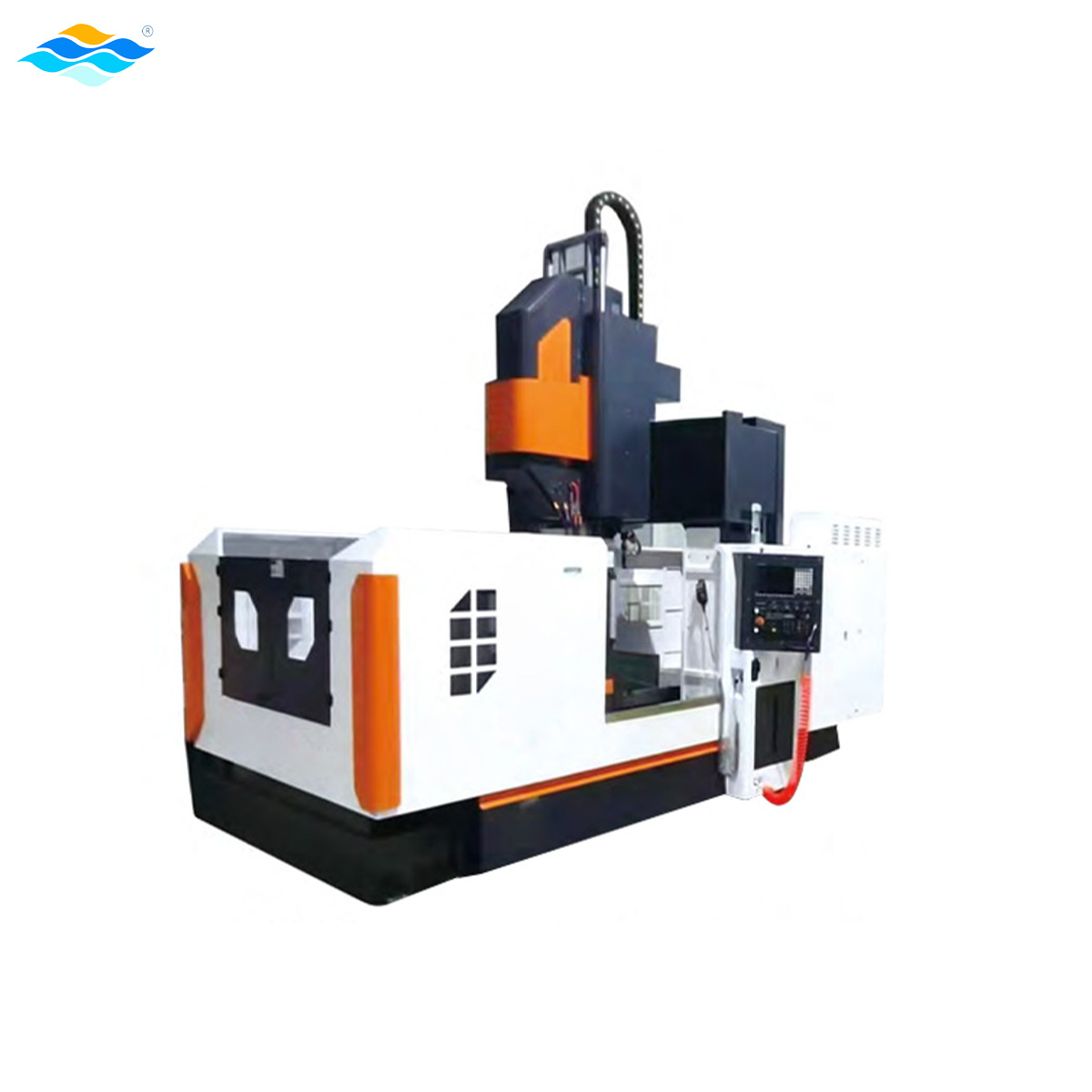
A gantry milling machine represents a fundamental investment for industrial tooling operations requiring precision, versatility, and reliable performance across demanding machining tasks. The gantry milling machine architecture delivers exceptional rigidity and stability, making it the preferred choice for manufacturers who need consistent accuracy in complex tooling applications. Understanding the capabilities and practical benefits of a gantry milling machine helps organizations make informed decisions about modernizing their machining infrastructure.
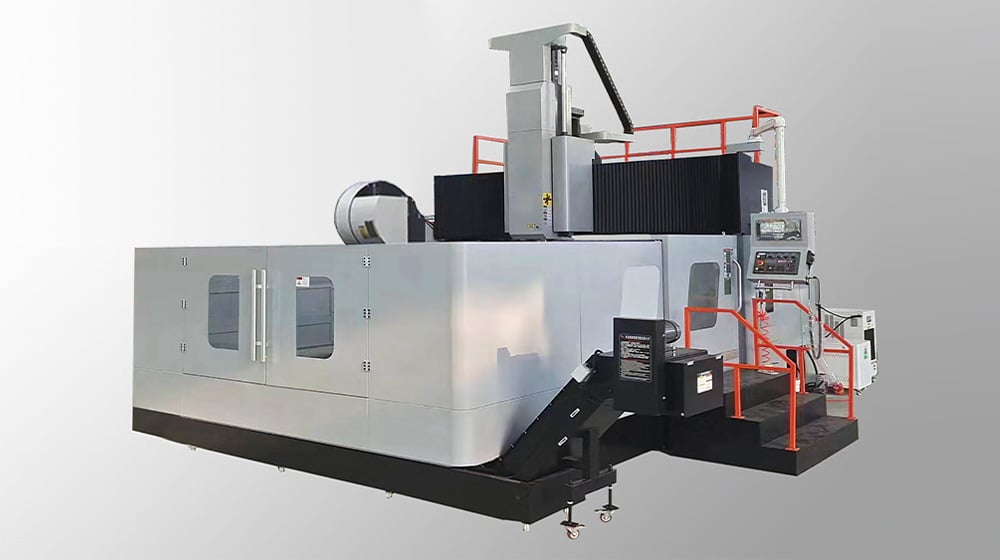
Industrial facilities leverage gantry milling machine systems to achieve high-volume production with minimal tool wear and superior dimensional stability. The overhead gantry structure characteristic of a gantry milling machine eliminates deflection problems common in traditional milling setups, enabling operators to work with tighter tolerances and faster feed rates. Heavy duty gantry milling machine configurations support extended operations in foundries, tool and die shops, aerospace component manufacturing, and automotive production environments where reliability and precision directly impact profitability.
Core Architecture and Design Principles
Structural Rigidity in Gantry Milling Machine Design
The gantry milling machine framework employs an overhead portal structure that distributes cutting forces through multiple support points, fundamentally different from vertical or horizontal spindle machines. This gantry milling machine configuration concentrates structural mass above the workpiece, creating a stable cutting environment that resists vibration and thermal growth. The robust casting and reinforced bases typical of a heavy duty gantry milling machine minimize deflection during interrupted cuts, enabling consistent chip control and superior surface finishes even under aggressive cutting parameters.
Spindle Positioning and Versatility
Modern gantry milling machine systems position the spindle cartridge to access workpieces from multiple angles, with many models offering programmable spindle positioning within the gantry framework. This adaptability of a gantry milling machine accelerates job changeover and reduces the need for secondary operations, particularly valuable for tooling applications requiring complex cavity work, detailed pocket patterns, and intricate geometric features. The gantry milling machine design supports both roughing and finishing operations in single setups, compressing production timelines and improving tool utilization rates across diverse job types.
Industrial Tooling Applications and Performance Benefits
Precision Tooling Fabrication Using Gantry Milling Machine Equipment
Tool and die manufacturers depend on gantry milling machine capabilities to produce injection mold components, stamping dies, and precision fixtures with micron-level accuracy. The gantry milling machine structural design supports extended tool engagement depths without chattering, allowing operators to maintain tight tolerances on cavity walls and core features that directly influence part quality downstream. Heavy duty gantry milling machine specifications ensure that thermal growth remains negligible throughout extended production runs, critical when fabricating tooling that will drive thousands of production cycles in high-speed injection or stamping operations.
High-Volume Production and Cost Efficiency
Industrial manufacturers recognize that a gantry milling machine delivers superior cost-per-part economics by reducing cycle times while maintaining consistent quality standards. The gantry milling machine capacity to handle rigid setups with minimal deflection allows shops to optimize cutting speeds and feeds beyond what conventional machines safely tolerate, directly translating to faster chip evacuation and reduced per-unit processing costs. Facilities operating heavy duty gantry milling machine systems report significant improvements in tool life and reduced scrap rates, outcomes driven by the stable cutting environment that eliminates the vibration-induced tool wear characteristic of less rigid machine architectures.
Selecting and Optimizing Gantry Milling Machine Operations
Machine Specifications and Capacity Evaluation
When evaluating a gantry milling machine investment, industrial managers must assess work envelope dimensions, spindle power ratings, and tool changer capacity against anticipated job requirements. The gantry milling machine positioning accuracy and repeatability metrics determine suitability for precision tooling; specifications typically range from ±0.005 inch positional tolerance to ±0.002 inch repeatability on quality equipment. Heavy duty gantry milling machine models designed for continuous production feature enhanced coolant systems, automatic chip evacuation, and spindle thermal management that protect long-term accuracy and extend service intervals compared to lighter-duty alternatives.
Integration with Production Planning
Optimizing a gantry milling machine investment requires aligning machine capabilities with production scheduling and tool inventory strategies. The gantry milling machine flexibility supports rapid setup transitions between different products and configurations, making it particularly valuable in job shops and contract manufacturers serving multiple customer tooling requirements. Facilities planning gantry milling machine acquisition should evaluate automation compatibility, including pallet changers and tool management systems that maximize spindle utilization rates and compress floor-to-floor production timelines essential for meeting competitive delivery commitments.
FAQ
What distinguishes a gantry milling machine from conventional vertical milling equipment?
A gantry milling machine features an overhead portal frame that distributes cutting loads through multiple structural support points, delivering superior rigidity compared to conventional vertical machines where the spindle cantilevered above the work envelope creates deflection under load. The gantry milling machine design enables aggressive cutting parameters, extended tool life, and tighter tolerance capability, making it the standard choice in demanding tooling environments where precision and consistency directly impact production economics and downstream part quality.
How does heavy duty gantry milling machine construction impact long-term operational costs?
Heavy duty gantry milling machine systems reduce operational costs through extended tool life, lower scrap rates, and faster cycle times enabled by stable cutting conditions that eliminate vibration-induced errors. The gantry milling machine investment yields accelerated payback periods in high-volume tooling production through reduced rework, minimized machine downtime, and optimized coolant and consumables consumption compared to less robust equipment operating under marginal cutting conditions.
Can a gantry milling machine handle both small precision work and larger production volumes effectively?
Yes, a gantry milling machine accommodates diverse workpiece sizes and production volumes through adjustable fixturing, programmable spindle positioning, and flexible tooling strategies supported by the machine's inherent rigidity and precision. The gantry milling machine architecture scales efficiently from prototype and low-volume precision work to sustained high-volume production runs, making it a versatile platform for tool shops and contract manufacturers managing varied customer requirements within single manufacturing facilities.