
 EN
EN


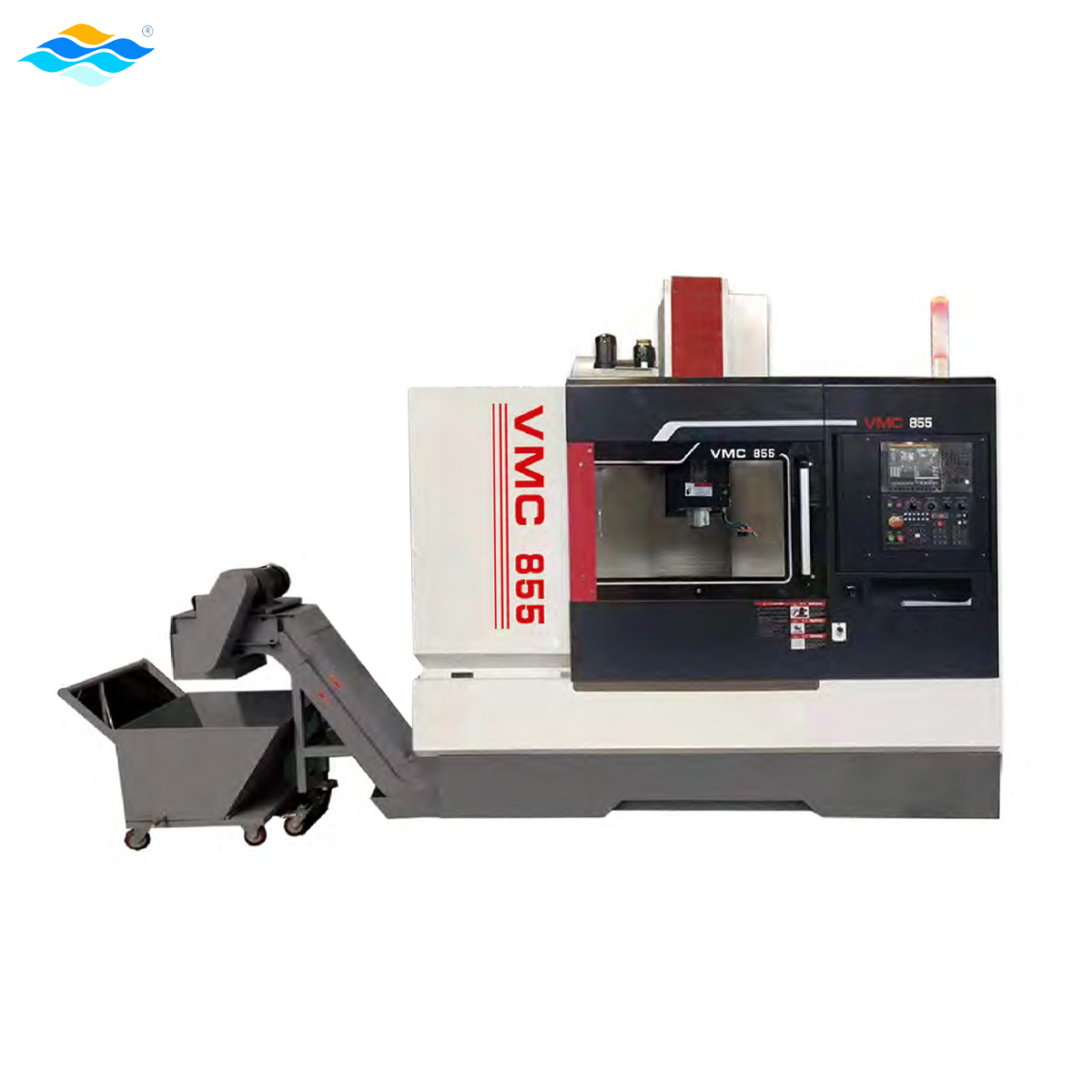
Energy and power plants operate under extreme conditions that demand precision equipment capable of handling heavy-duty machining tasks. A gantry milling machine has become essential for facilities that require reliable boring and milling operations on large components. Whether processing turbine casings, generator frames, or structural steel assemblies, the gantry milling machine delivers the accuracy, rigidity, and repeatability that modern power generation infrastructure requires. Selecting the right gantry milling machine supplier means partnering with a vendor who understands the unique demands of energy sector operations and can provide equipment engineered for continuous, high-precision performance.
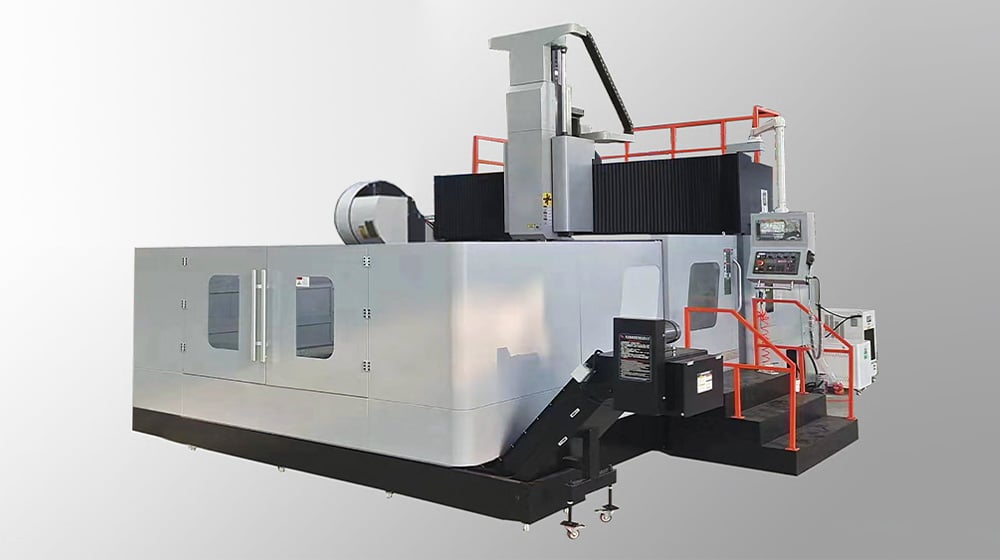
The gantry milling machine represents a specialized category of machining equipment designed specifically for large-scale, high-tolerance work in industrial environments. Unlike traditional vertical mills, a gantry milling machine features a horizontal structure with the spindle mounted on a bridge that travels across a fixed workbed, allowing operators to machine expansive workpieces without repositioning parts repeatedly. For energy and power plants where downtime translates directly to revenue loss, a reliable gantry milling machine ensures consistent production schedules and meets the strict quality standards required by regulatory bodies and end-use applications.
Core Advantages of Gantry Milling Machine Technology
Precision and Rigidity in Heavy Machining
Energy sector components often weigh thousands of pounds and demand extraordinary positional accuracy. A gantry milling machine excels in these scenarios because its rigid frame structure and distributed support system eliminate deflection and vibration that would compromise surface finish or dimensional tolerances. The gantry milling machine design distributes cutting forces across multiple support points, meaning that even during aggressive boring or milling passes, the spindle remains stable and produces consistent results. This mechanical reliability is why power plants consistently choose a gantry milling machine for critical applications where part rejection or rework would halt production and create cascading operational disruptions.
Scalability and Workpiece Flexibility
Power generation facilities machine components across a wide spectrum of sizes. One day, technicians may bore precision holes in a generator rotor; the next, they might mill large bearing surfaces on a turbine support frame. A gantry milling machine accommodates this variety because its spacious work envelope and customizable setup allow operators to handle parts ranging from moderate to enormous proportions. The gantry milling machine supplier who understands energy sector needs recognizes that equipment must adapt to diverse projects without requiring extensive retooling. This operational flexibility directly impacts throughput, cost per part, and competitive positioning in the energy market.
Selecting the Right Gantry Milling Machine Supplier
Technical Expertise and Industry Knowledge
Not all gantry milling machine suppliers possess deep familiarity with energy sector requirements. Power plant operations involve regulatory compliance, stringent material specifications, and performance criteria that differ significantly from general manufacturing. When evaluating a gantry milling machine supplier, verify their track record serving utilities, equipment manufacturers, and other facilities within the energy value chain. A qualified gantry milling machine supplier should provide references, discuss their understanding of power generation component specifications, and explain how their equipment meets both technical needs and documentation requirements that regulators demand.
Support, Maintenance, and Service Reliability
Equipment ownership extends far beyond the initial purchase. A competent gantry milling machine supplier offers comprehensive support including operator training, preventive maintenance schedules, genuine spare parts availability, and responsive technical assistance. Energy facilities cannot tolerate extended downtime waiting for obscure replacement components or technical guidance. The best gantry milling machine supplier maintains regional service centers, stocks critical parts, and provides documentation that enables your maintenance team to keep equipment running at peak performance. Long-term partnerships with a gantry milling machine supplier who prioritizes reliability transform equipment from a capital expense into a strategic operational asset.
Integration with Power Plant Operations
Workflow Optimization and Production Scheduling
Installing a gantry milling machine requires more than physical space allocation; it demands workflow integration that maximizes throughput while maintaining quality. A forward-thinking gantry milling machine supplier helps facility managers analyze existing machining bottlenecks, identify component flow paths, and position the gantry milling machine within the workshop layout for optimal logistics. The gantry milling machine supplier should participate in planning discussions that address material handling, inspection sequencing, and job scheduling. When a gantry milling machine integrates seamlessly into your operational ecosystem, cycle times decrease, first-pass quality improves, and overall plant efficiency gains compound over months and years.
Compliance and Quality Documentation
Energy sector regulators require detailed documentation of machining processes, part specifications, and equipment calibration records. Your gantry milling machine supplier should provide equipment capable of generating comprehensive audit trails, including real-time data logging, dimensional verification reports, and equipment performance metrics. The gantry milling machine's control system must support your facility's quality management protocols and generate documentation that withstands regulatory review. A supplier who understands these documentation demands ensures that your gantry milling machine not only delivers precision parts but also provides the compliance evidence that regulatory agencies expect.
FAQ
What size components can a gantry milling machine accommodate?
A gantry milling machine accommodates workpieces ranging from several hundred pounds to multiple tons, depending on the specific model and bed capacity. Equipment specifications detail maximum workpiece length, width, height, and weight limits. Energy sector applications commonly utilize gantry milling machine models with bed dimensions of 6 meters or longer and weight capacities exceeding 20 tons, allowing facilities to machine large turbine components, generator frames, and structural assemblies in single setups without repositioning.
How does a gantry milling machine compare to traditional vertical mills?
A gantry milling machine features superior rigidity, larger work envelopes, and better force distribution compared to conventional vertical mills, making it ideal for heavy production and large components. Traditional vertical mills excel in smaller-scale work and offer greater operational flexibility for varied part geometries, but cannot match a gantry milling machine's capacity and stability for large, heavy industrial machining. Power plants typically require a gantry milling machine because their components exceed the practical limits of standard vertical milling equipment.
What qualifications should I seek in a gantry milling machine supplier?
An optimal gantry milling machine supplier demonstrates proven experience serving energy and power generation facilities, maintains readily available technical support and spare parts, provides comprehensive training programs, and understands regulatory compliance requirements within your industry. Verify their ability to customize equipment for your specific applications, review references from comparable facilities, and assess their commitment to long-term partnership beyond the initial sale. A trustworthy gantry milling machine supplier combines technical excellence with customer dedication and industry-specific knowledge.