Advanced Window Manufacturing Machines - Precision Automation for Modern Fenestration Production

Get a Free Quote

Our representative will contact you soon.
Name
Email
Telephone
Country
Company Name
Message
0/1000

window manufacturing machines

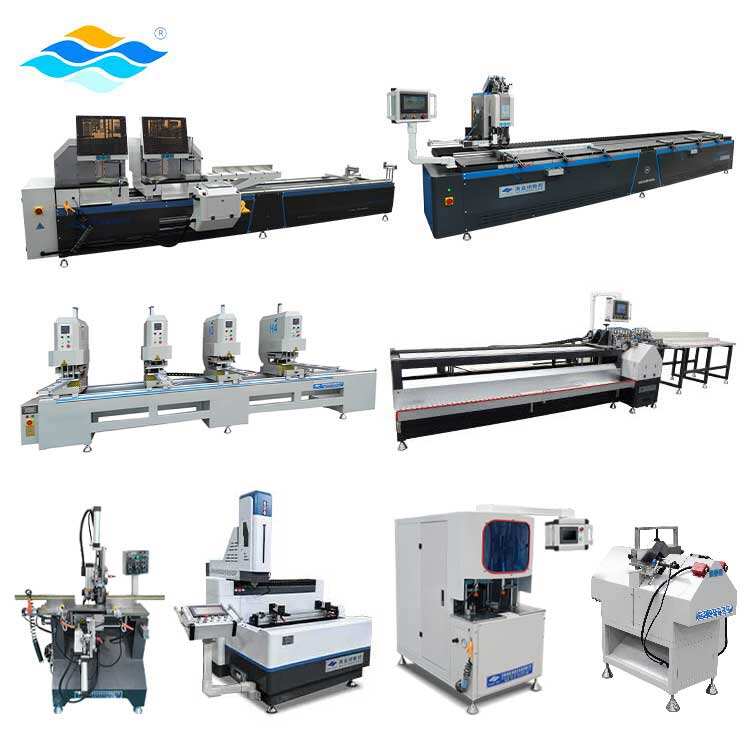
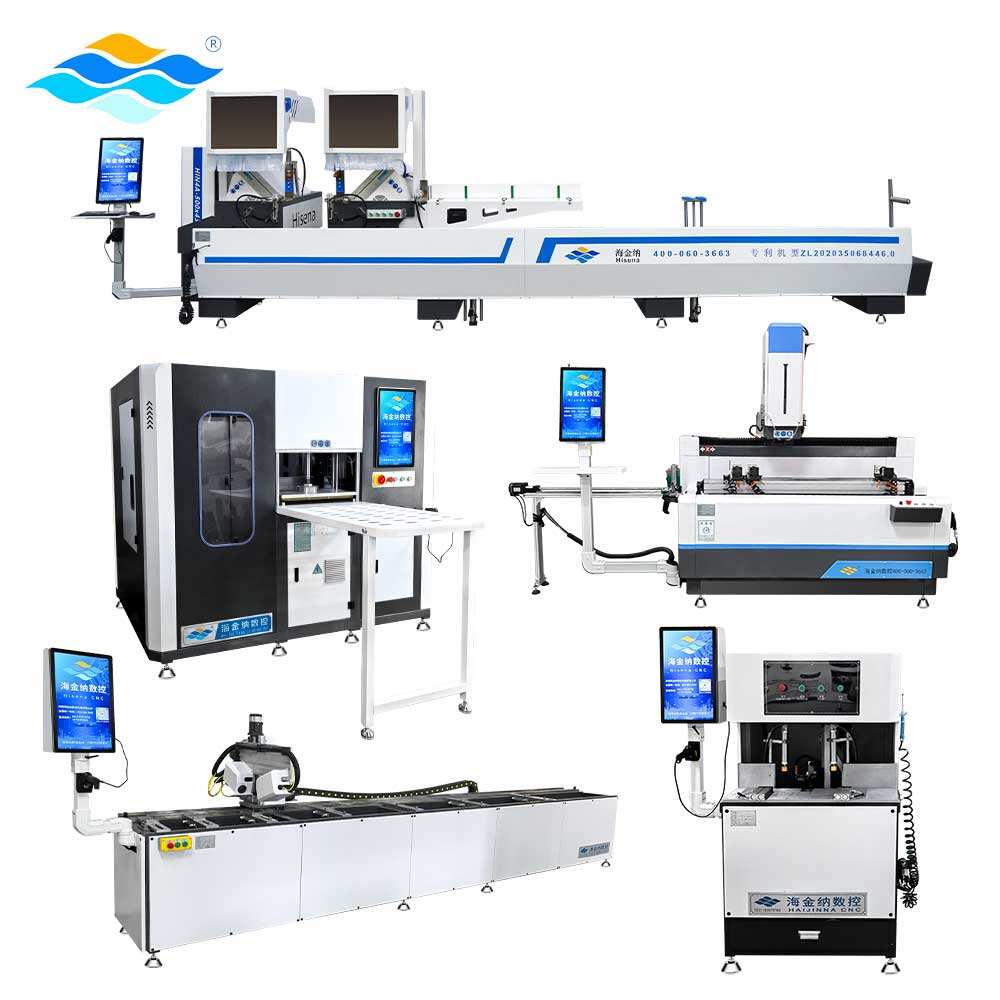
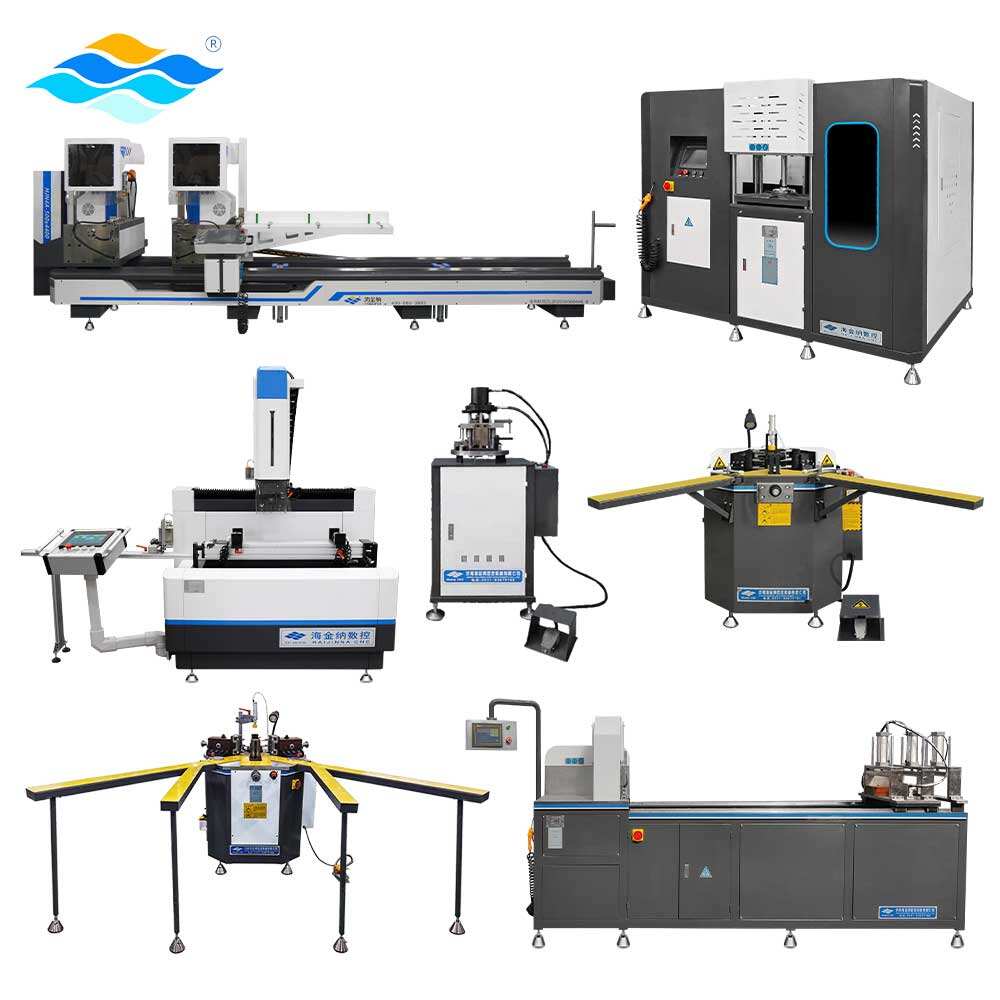
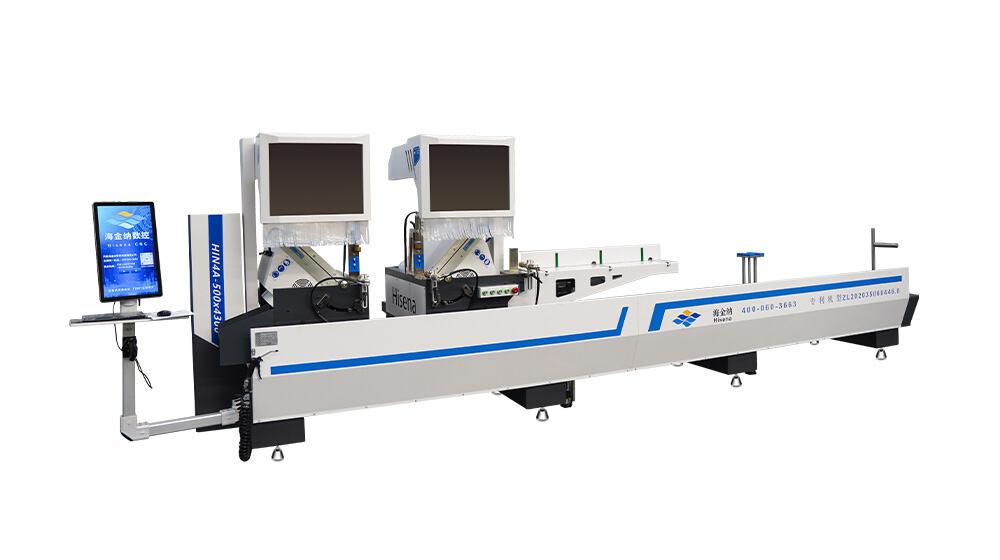
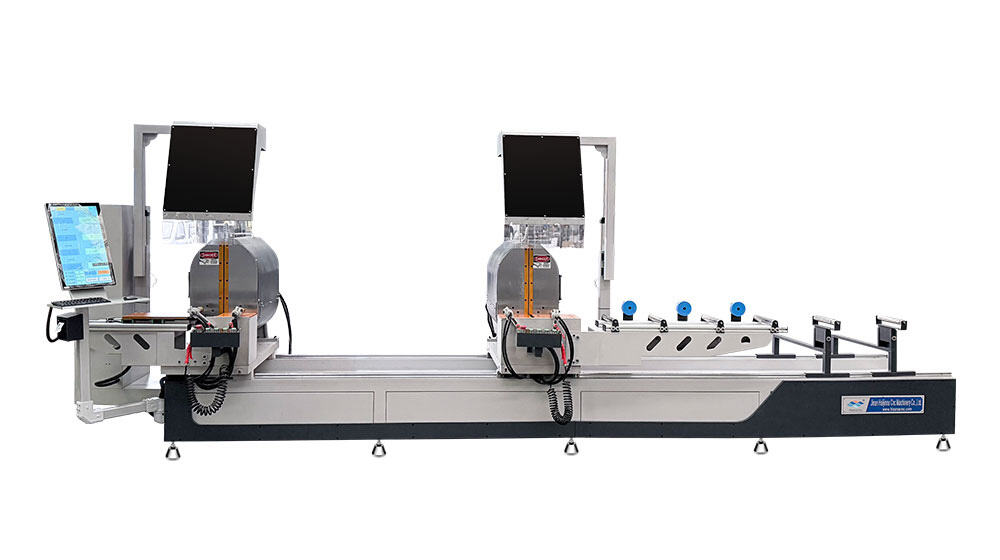
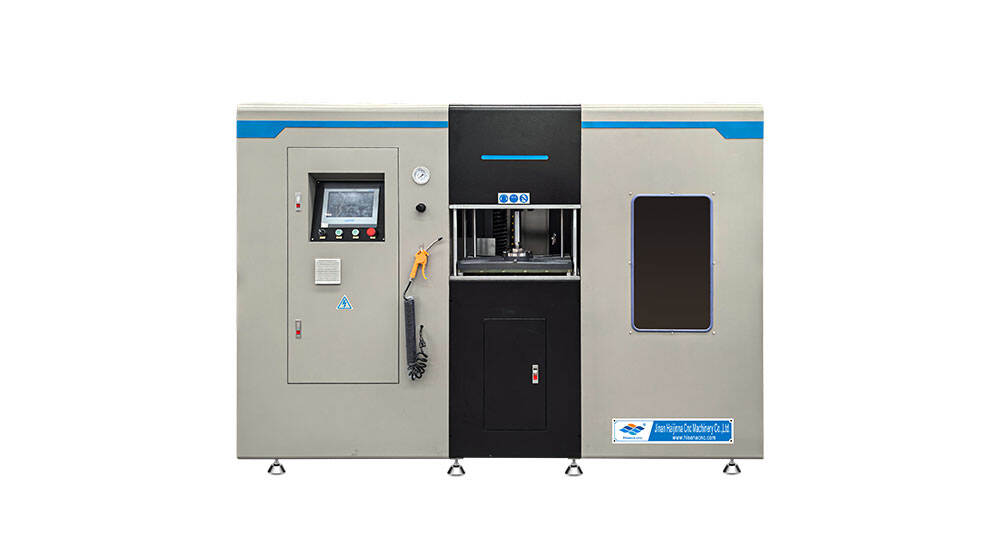
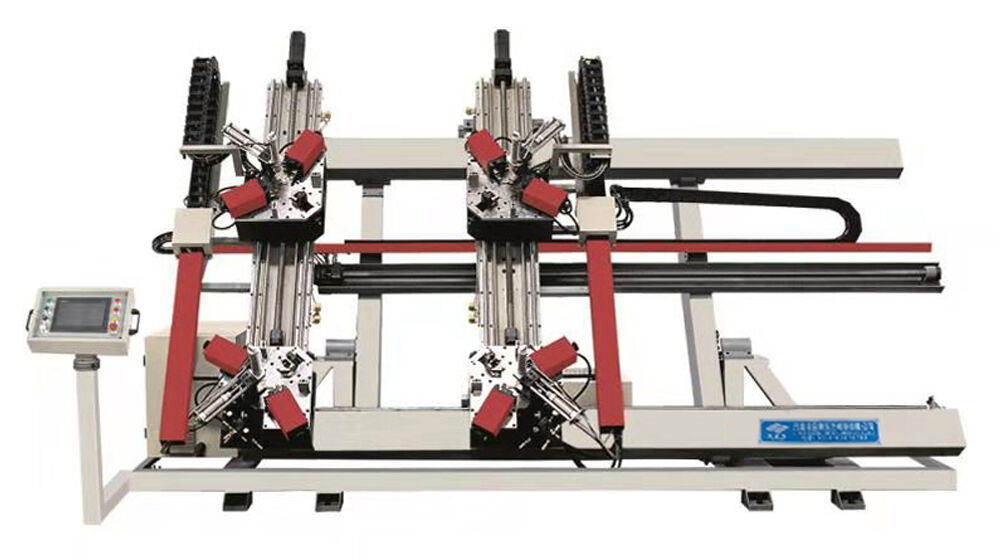
Window manufacturing machines represent sophisticated industrial equipment designed to streamline and automate the production of various window types, including uPVC, aluminum, and wooden frames. These advanced systems integrate multiple processing capabilities into cohesive production lines that transform raw materials into finished window products with exceptional precision and efficiency. The primary functions of window manufacturing machines encompass cutting profiles to exact dimensions, milling drainage holes and hardware slots, welding corner joints to create rigid frames, and cleaning finished surfaces to ensure pristine quality. Modern window manufacturing machines incorporate computer numerical control technology, enabling operators to program complex cutting patterns and execute repetitive tasks with consistent accuracy. The technological features of these systems include servo-driven motors for precise movement control, pneumatic clamping mechanisms that securely hold workpieces during processing, and digital interfaces that simplify operation and reduce training requirements. Many contemporary window manufacturing machines feature modular designs that allow manufacturers to configure production lines according to specific needs and available floor space. The applications of these machines span residential construction, commercial building projects, renovation contractors, and specialized fenestration companies serving diverse market segments. Window manufacturing machines facilitate the production of single-hung windows, double-hung configurations, casement styles, sliding designs, and custom architectural specifications. The automation provided by window manufacturing machines significantly reduces manual labor requirements while simultaneously improving output quality and production speed. These systems accommodate various profile sizes and can quickly switch between different window styles through programmable settings, making them invaluable assets for manufacturers serving multiple market niches. The integration of safety features such as emergency stop buttons, protective guards, and interlock systems ensures operator protection during all phases of the manufacturing process. Window manufacturing machines have become essential investments for businesses seeking to compete effectively in the modern fenestration industry.

New Products

Investing in window manufacturing machines delivers transformative benefits that directly impact your bottom line and operational capabilities. The most immediate advantage comes from dramatic increases in production speed, with automated systems completing tasks in minutes that would require hours of manual labor. This acceleration allows your business to fulfill larger orders, meet tight deadlines, and take on more projects without expanding your workforce proportionally. The consistency achieved through window manufacturing machines eliminates the variability inherent in manual fabrication, ensuring every window meets exact specifications regardless of which shift produces it or how many units you manufacture. This reliability translates into fewer customer complaints, reduced warranty claims, and enhanced reputation in your market. Material waste decreases substantially when you employ window manufacturing machines because computerized cutting optimizes profile usage and minimizes errors that lead to scrapped components. The savings on raw materials alone can offset equipment costs within reasonable timeframes while contributing to more sustainable business practices. Your skilled workers can redirect their expertise toward quality control, customer service, and business development rather than spending countless hours performing repetitive cutting and welding tasks. This reallocation of human resources creates more engaging work environments and helps retain valuable employees who might otherwise seek less monotonous positions. Window manufacturing machines enable smaller operations to compete with larger competitors by leveling the playing field through technology rather than sheer workforce size. The flexibility of programmable systems means you can easily adapt to changing market demands, offering new window styles without investing in entirely new equipment or retraining staff extensively. Energy efficiency improvements in modern window manufacturing machines reduce operational costs through lower electricity consumption and more efficient use of compressed air systems. The precision of automated equipment results in better-fitting windows that perform optimally in installed applications, enhancing your customers' satisfaction and generating positive referrals. Maintenance requirements for quality window manufacturing machines remain manageable, with many systems featuring self-diagnostic capabilities that identify potential issues before they cause production disruptions. The return on investment becomes evident quickly as increased capacity, improved quality, and reduced labor costs compound over time. Safety improvements protect your most valuable assets by removing workers from potentially dangerous repetitive motions and sharp cutting operations. Window manufacturing machines represent not just equipment purchases but strategic investments that position your business for sustainable growth and market leadership.

Practical Tips

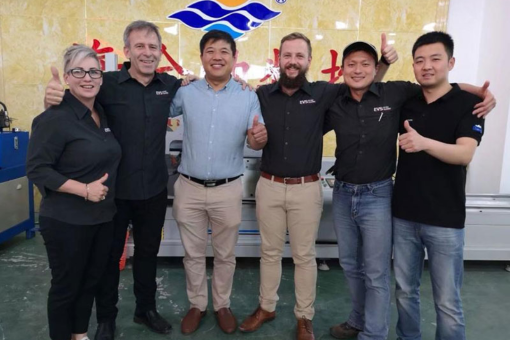
New Zealand customers came and visited our factory

30

Apr

New Zealand customers came and visited our factory

View More
Hisena Showcases Self-Developed

30

Apr

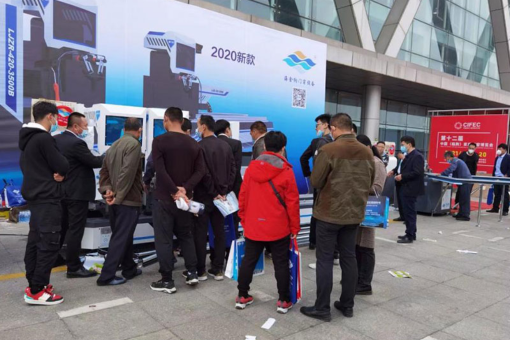
Hisena Showcases Self-Developed "Upgraded CNC Curved High Precision Saw" at Shandong International Window and Door Curtain Wall Expo

View More
Hisena Debuts

30

Apr

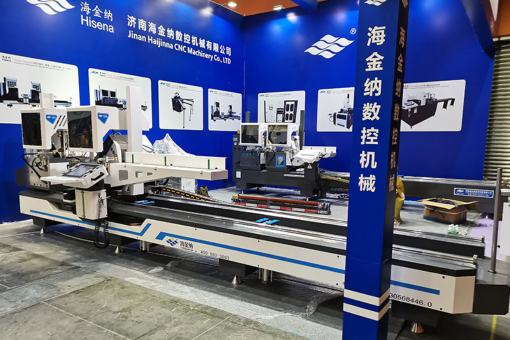
Hisena Debuts "CNC High Precision Saw with Upgraded Wireless Transmission" at Guangdong Exhibition

View More
Hisena Production Staff Trains to Improve Installation Steps and Skills for Higher Quality Products

30

Apr

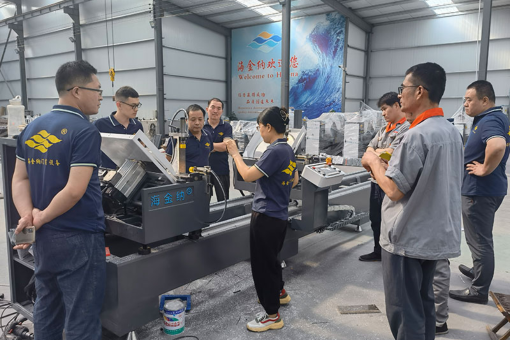
Hisena Production Staff Trains to Improve Installation Steps and Skills for Higher Quality Products

View More

Get a Free Quote

Our representative will contact you soon.
Name
Email
Telephone
Country
Company Name
Message
0/1000

window manufacturing machines

Precision Engineering That Guarantees Perfect Fits Every Time

Precision Engineering That Guarantees Perfect Fits Every Time

The precision capabilities of window manufacturing machines stand as perhaps their most valuable characteristic, delivering dimensional accuracy that manual methods simply cannot match consistently. Advanced servo motor systems control every movement with tolerances measured in fractions of millimeters, ensuring that profiles are cut to exact lengths and angles that result in perfect corner joints and seamless assembly. This level of precision becomes particularly critical when producing windows for modern energy-efficient buildings where even minor gaps can compromise thermal performance and lead to customer dissatisfaction. The computerized control systems in window manufacturing machines eliminate human error from the equation, processing digital measurements that operators input once and then replicate flawlessly across hundreds or thousands of identical units. When your business commits to window manufacturing machines with superior precision, you gain the ability to guarantee product quality to customers with complete confidence, knowing that specifications will be met without deviation. The milling operations performed by these machines create hardware mounting points and drainage channels at precisely calculated positions, ensuring that locks, hinges, and weatherstripping components install correctly and function properly throughout the window's service life. This consistency extends to welding operations where temperature, pressure, and timing parameters are controlled digitally to produce corner joints of uniform strength and appearance across your entire production run. Customers increasingly demand windows that fit perfectly into rough openings without requiring excessive shimming or adjustment during installation, and window manufacturing machines deliver products that meet these expectations reliably. The precision offered by automated systems also enables you to work with tighter tolerances in your quotes and estimates, reducing the safety margins you might otherwise build into measurements and ultimately making your pricing more competitive. Quality control becomes more straightforward when window manufacturing machines produce consistent results because inspectors can quickly identify the rare defective unit rather than sorting through variable manual output. The reputation your company builds on delivering precisely manufactured windows opens doors to premium market segments where architects and builders specify exacting standards and pay accordingly for guaranteed performance. Long-term business relationships flourish when customers learn they can depend on your window manufacturing machines to produce identical replacement units years after original installations, maintaining aesthetic consistency across building facades.
Versatile Multi-Function Capability That Maximizes Production Flexibility

Versatile Multi-Function Capability That Maximizes Production Flexibility

Modern window manufacturing machines excel at performing multiple operations within integrated systems, providing manufacturers with remarkable flexibility to produce diverse product lines without investing in separate specialized equipment for each function. A comprehensive window manufacturing machine typically combines cutting saws, copy routers, corner cleaning stations, welding units, and sometimes even glazing bead saws into cohesive workflows that process window frames from raw profile to finished product. This multi-function capability means your facility can produce various window styles, sizes, and configurations using the same core equipment, simply by adjusting programmed settings rather than reconfiguring entire production areas. The adaptability of window manufacturing machines becomes especially valuable when market preferences shift or when you pursue new customer segments that demand different window types than your traditional offerings. Profile compatibility represents another dimension of versatility, with quality window manufacturing machines accommodating various profile systems from multiple suppliers, protecting you from vendor lock-in and enabling you to source materials competitively. The quick changeover features built into contemporary window manufacturing machines allow operators to switch between different window styles in minutes rather than hours, minimizing downtime and enabling efficient production of smaller batch sizes that might be economically unfeasible with less flexible equipment. This capability supports just-in-time manufacturing approaches that reduce inventory carrying costs while maintaining responsiveness to customer orders. Window manufacturing machines with modular designs offer the additional advantage of scalability, allowing you to start with essential functions and add capabilities as your business grows and production requirements evolve. The programmable nature of these systems means you can store unlimited window designs in digital libraries, recalling specifications instantly when repeat orders arrive rather than recreating setups from scratch. Versatility extends to material compatibility as well, with many window manufacturing machines capable of processing uPVC, aluminum, and composite profiles with minimal adjustment, opening multiple market channels for your business. Custom window projects that once required extensive manual fabrication become manageable production runs when you employ window manufacturing machines that accept unique dimensional inputs and execute them with the same reliability as standard designs. The ability to produce both residential and commercial window products on the same equipment maximizes asset utilization and provides revenue diversification that stabilizes your business through market fluctuations. Training efficiency improves when your team masters versatile window manufacturing machines rather than learning separate procedures for multiple specialized tools, accelerating skill development and cross-training initiatives.
Automated Operation That Reduces Labor Costs While Improving Workplace Safety

Automated Operation That Reduces Labor Costs While Improving Workplace Safety

The automation capabilities inherent in window manufacturing machines fundamentally transform labor economics and workplace safety dynamics in fenestration manufacturing operations. Traditional manual window fabrication requires skilled workers to perform repetitive, physically demanding tasks that consume significant time while exposing employees to injury risks from sharp profiles, cutting blades, and hot welding equipment. Window manufacturing machines eliminate much of this physical burden by automating material handling, clamping, cutting, and joining operations through pneumatic and servo-electric systems that require only supervisory human involvement. Operators transition from performing manual labor to monitoring automated processes, making adjustments through digital interfaces, and conducting quality inspections of finished products. This shift reduces the number of workers required per unit of output, directly lowering labor costs that typically represent substantial portions of manufacturing expenses. The economic advantage compounds over time as window manufacturing machines maintain consistent productivity without fatigue, breaks, or the performance variations inevitable with human operators working long shifts. Businesses deploying window manufacturing machines often report labor cost reductions of forty to sixty percent compared to equivalent manual production, with payback periods that make the investment compelling even for medium-sized operations. Beyond direct cost savings, automation addresses the skilled labor shortage challenging many manufacturing sectors, as window manufacturing machines require operators with basic technical aptitude rather than years of specialized training in manual fabrication techniques. The safety improvements delivered by window manufacturing machines create value through multiple channels, including reduced workers' compensation insurance premiums, fewer lost-time incidents that disrupt production schedules, and improved employee morale when workers feel protected from hazardous conditions. Modern window manufacturing machines incorporate comprehensive safety systems including light curtains that stop operation when beams are interrupted, two-hand controls that keep operators away from danger zones during cycles, and emergency stop mechanisms positioned at multiple locations around equipment. The enclosed nature of many operations within window manufacturing machines contains dust, chips, and fumes that would otherwise compromise air quality in production environments, contributing to healthier workplaces and easier compliance with occupational health regulations. Ergonomic benefits accrue when workers no longer perform repetitive bending, lifting, and twisting motions associated with manual window fabrication, reducing cumulative trauma injuries that develop over career spans. The combination of lower labor requirements and safer working conditions positions companies using window manufacturing machines as employers of choice in competitive labor markets, aiding recruitment and retention efforts. Insurance carriers recognize the risk reduction achieved through automation, often providing premium discounts that add to the financial case for window manufacturing machines.

Get a Free Quote

Our representative will contact you soon.
Name
Email
Telephone
Country
Company Name
Message
0/1000