Professional Window Production Line Supplier - Advanced Manufacturing Solutions

Get a Free Quote

Our representative will contact you soon.
Name
Email
Telephone
Country
Company Name
Message
0/1000

window production line supplier

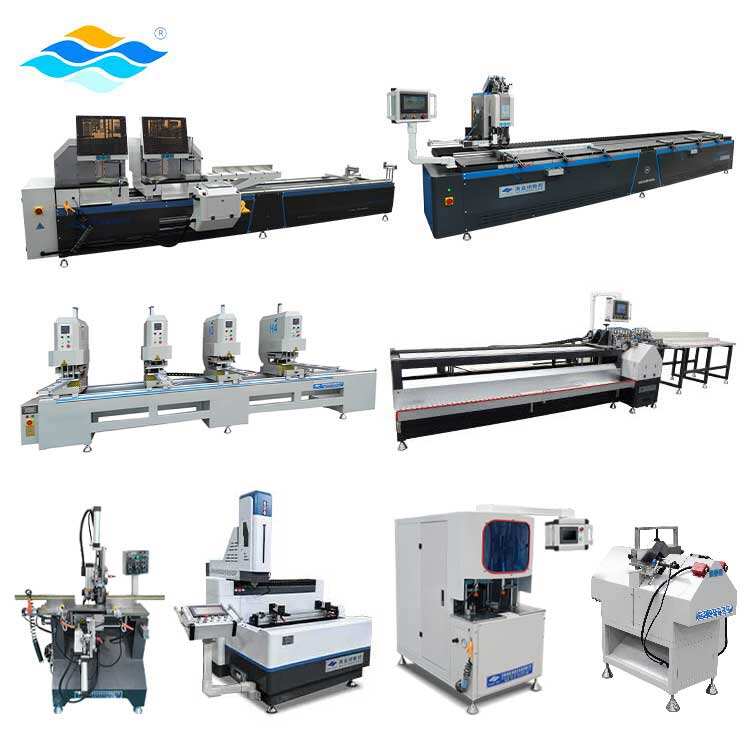
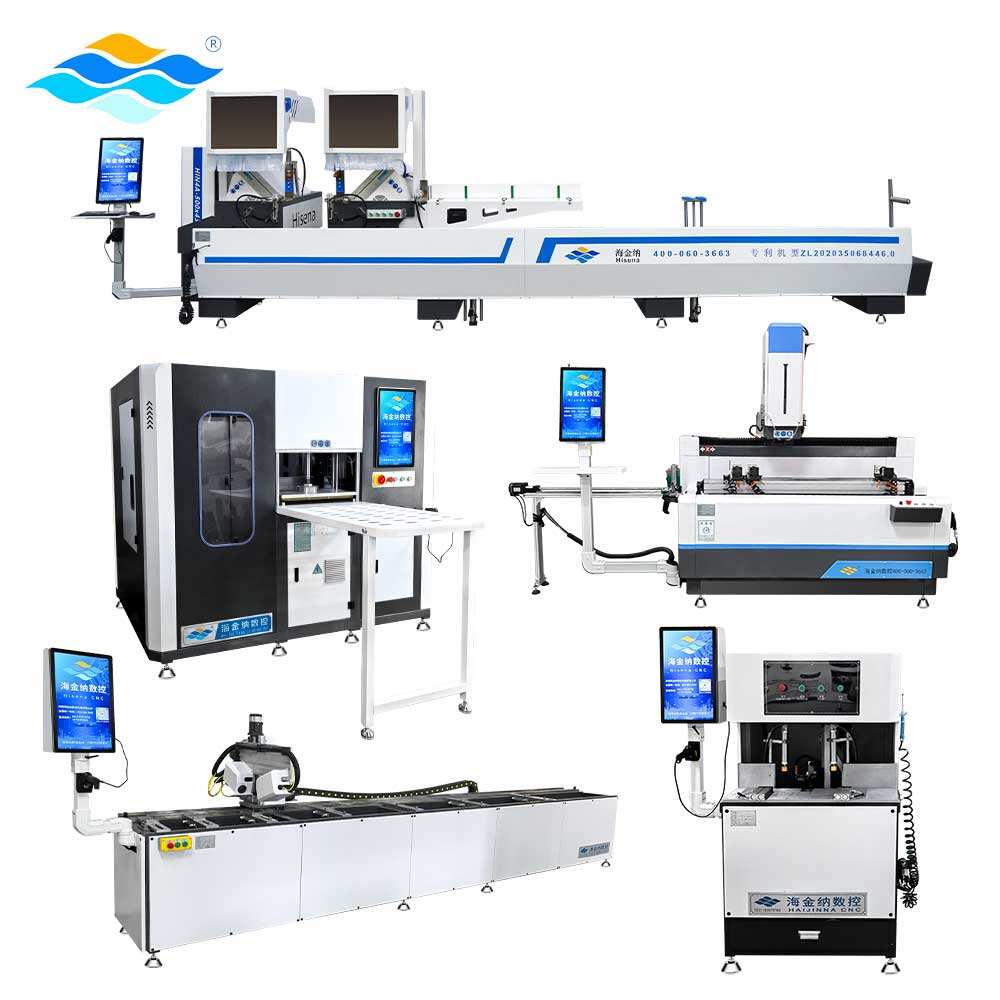
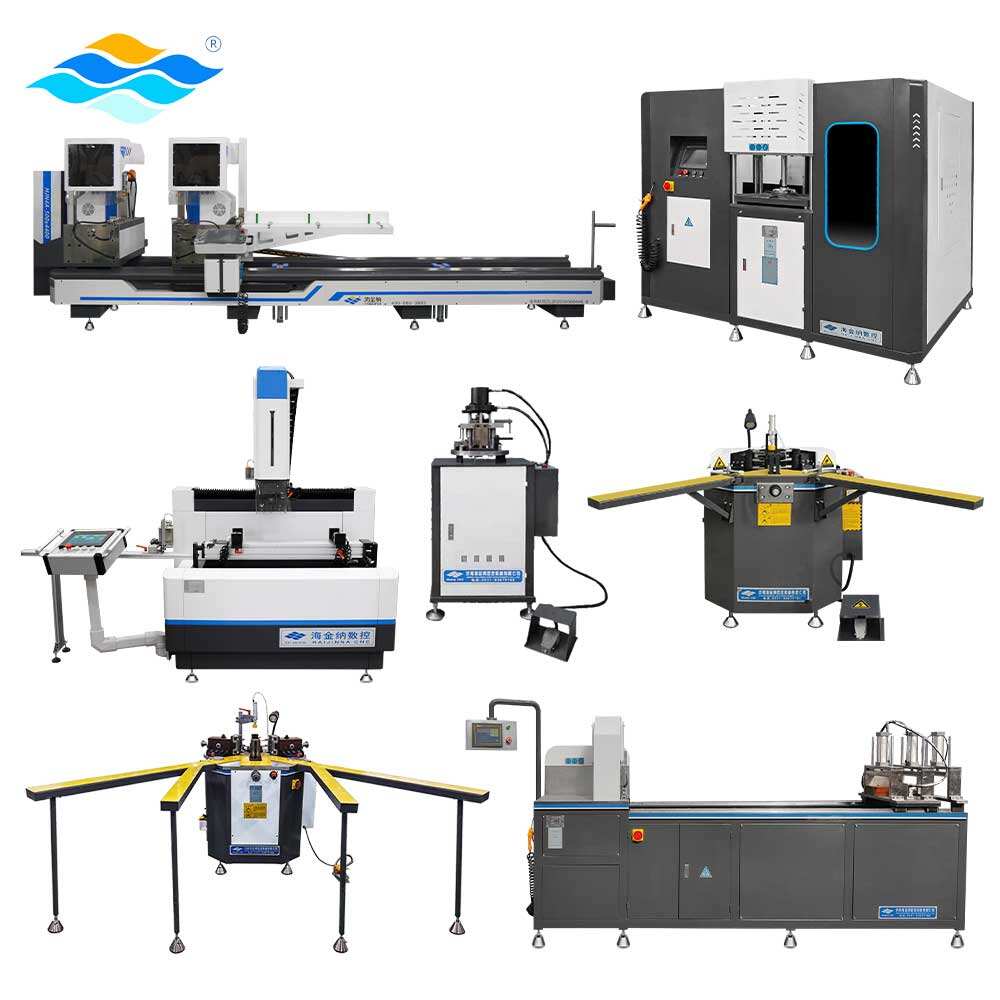
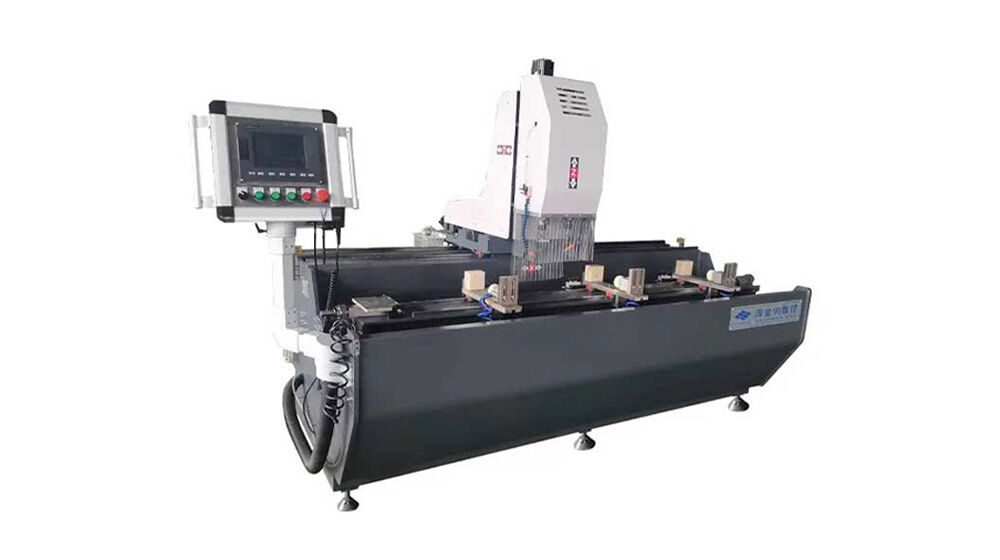
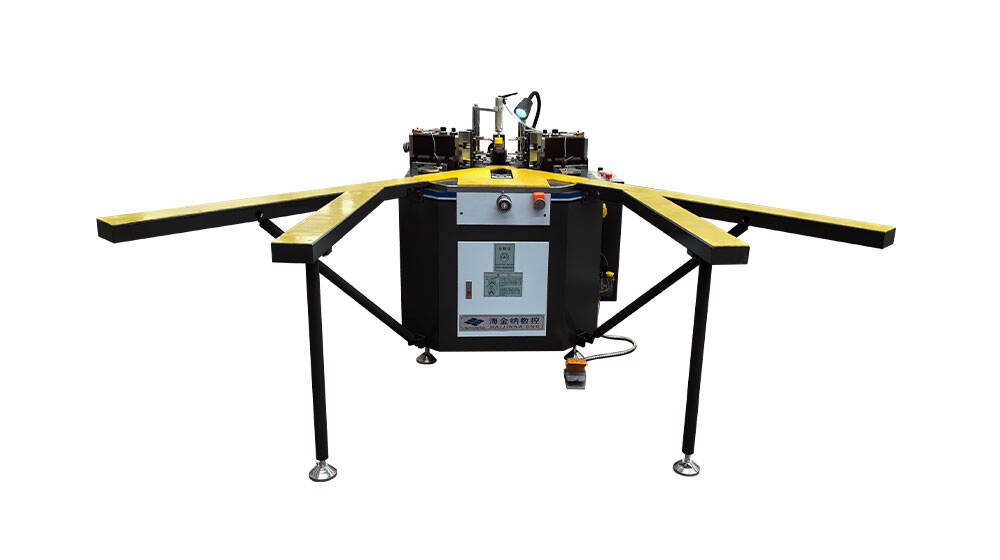
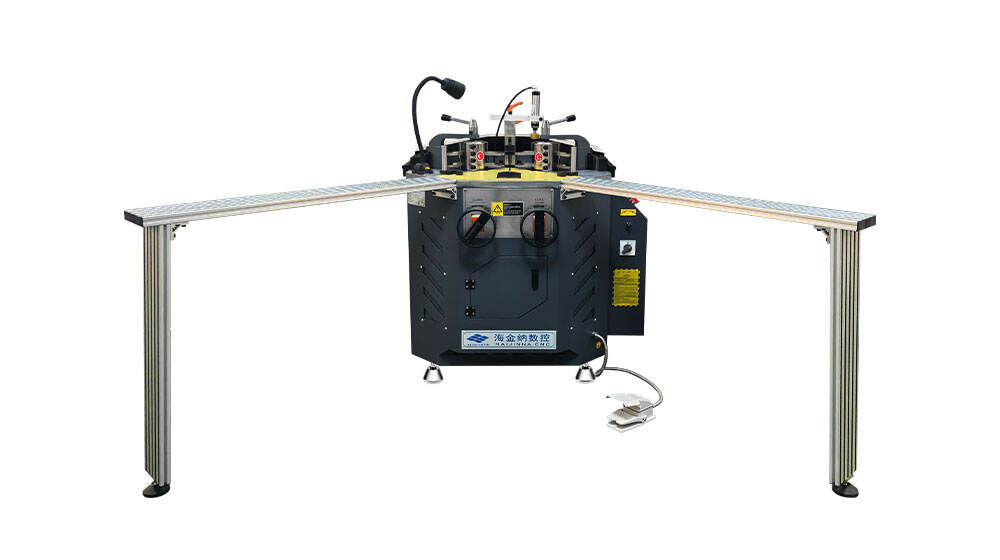
A window production line supplier plays a crucial role in the modern construction and manufacturing industry by providing comprehensive automated solutions for producing various types of windows. These specialized suppliers offer complete manufacturing systems that integrate cutting-edge technology with efficient production processes to meet the growing demands of residential, commercial, and industrial construction projects. The primary function of a window production line supplier is to deliver end-to-end manufacturing equipment that transforms raw materials such as PVC, aluminum, or wood into finished window products ready for installation. The production lines typically include specialized machinery for profile cutting, welding, cleaning, glazing, and quality inspection. Advanced window production line suppliers incorporate computer numerical control systems that ensure precision and consistency throughout the manufacturing process. The technological features encompass automated feeding systems, intelligent positioning mechanisms, and synchronized operation capabilities that minimize human error while maximizing output efficiency. Modern suppliers integrate Industry 4.0 concepts, incorporating IoT connectivity and data analytics to monitor production metrics in real-time. Applications span across multiple sectors including residential housing developments, commercial office buildings, industrial facilities, and specialized architectural projects requiring custom window solutions. The equipment handles various window styles such as casement, sliding, tilt-and-turn, and fixed windows, accommodating different frame materials and glazing specifications. Professional window production line suppliers also provide installation services, operator training programs, maintenance support, and technical consultation to ensure optimal performance. Their solutions address market demands for energy-efficient windows, soundproof designs, and security-enhanced products. The integration of automation reduces labor costs, improves workplace safety, and ensures consistent quality standards that meet international building codes and certifications. By partnering with a reliable window production line supplier, manufacturers gain competitive advantages through increased production capacity, reduced waste, shorter lead times, and enhanced product quality.
Popular Products

Choosing the right window production line supplier brings transformative benefits to manufacturing operations that directly impact profitability and market competitiveness. First and foremost, automated production systems dramatically increase manufacturing speed compared to manual or semi-automated processes. Companies can produce significantly more window units per shift, enabling them to fulfill larger orders and respond quickly to market demands. This increased capacity translates directly into higher revenue potential without proportionally increasing labor costs. The precision offered by modern equipment eliminates costly errors that occur with manual measurement and cutting. Every window frame component meets exact specifications, reducing material waste and ensuring perfect fits during assembly. This precision consistency means fewer defective products, lower rejection rates, and enhanced customer satisfaction. Energy efficiency represents another major advantage, as production lines optimize power consumption while maintaining high output levels. Smart systems activate equipment only when needed and coordinate operations to minimize idle running time. Manufacturers notice substantial reductions in electricity costs over time, improving overall operational economics. Safety improvements protect workers from hazardous tasks such as heavy lifting, repetitive motions, and exposure to cutting equipment. Automated systems handle dangerous operations, significantly reducing workplace injury risks and associated insurance costs. Employee morale improves when workers transition from physically demanding tasks to skilled machine operation and quality control roles. The flexibility of modern production lines allows manufacturers to quickly switch between different window styles, sizes, and specifications without extensive downtime. This adaptability enables businesses to serve diverse customer needs and respond to changing architectural trends without investing in entirely new equipment. Technical support from reputable window production line suppliers ensures minimal downtime through preventive maintenance programs, rapid troubleshooting assistance, and readily available replacement parts. This reliability keeps production schedules on track and prevents costly interruptions. Training programs equip staff with comprehensive knowledge to operate, maintain, and optimize equipment performance, creating a skilled workforce capable of maximizing system capabilities. Quality consistency becomes a hallmark of automated production, with every window meeting the same high standards regardless of production volume or operator. This reliability builds brand reputation and customer trust, leading to repeat business and positive referrals. Return on investment typically occurs within reasonable timeframes as increased productivity, reduced waste, and lower labor requirements offset initial equipment costs. Long-term operational savings and enhanced market positioning justify the investment for manufacturers committed to growth and excellence.

Tips And Tricks

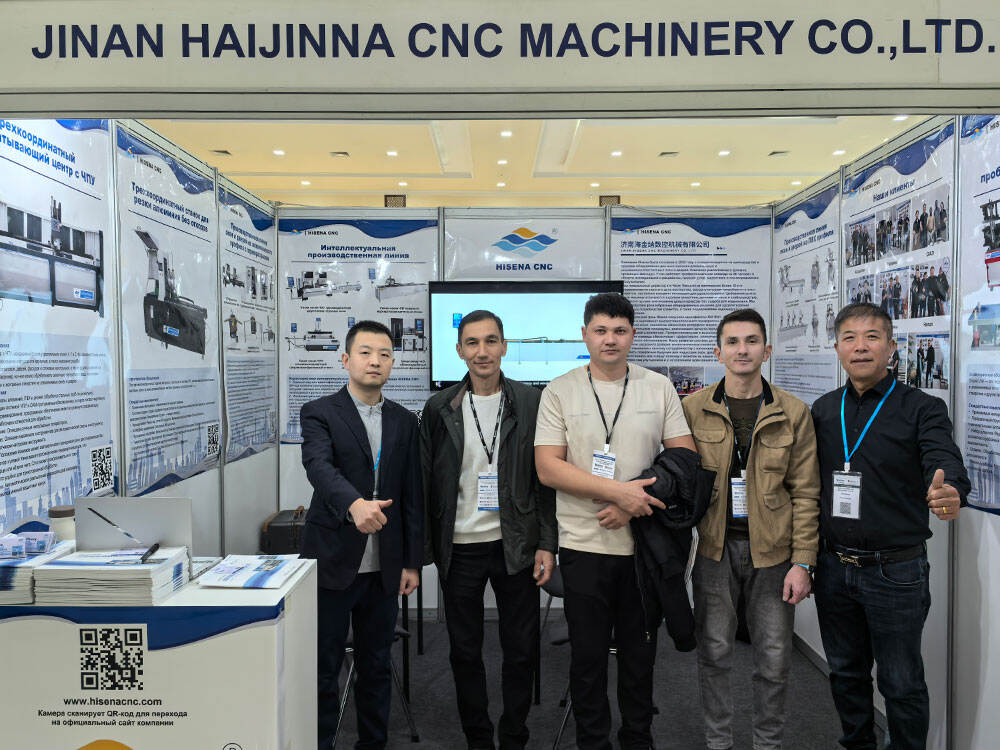
Hisena participated in the International Glass, Door, Window, and Aluminum Exhibition in Uzbekistan

30

Apr

Hisena participated in the International Glass, Door, Window, and Aluminum Exhibition in Uzbekistan

View More
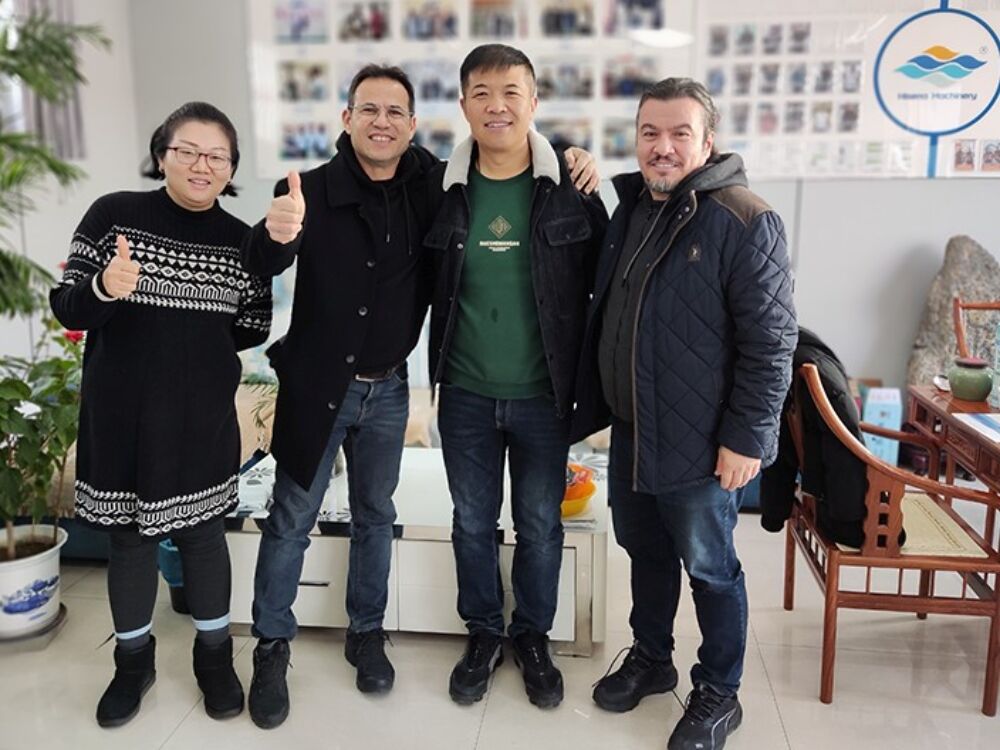
Turkish Clients Visit Hisena: Business Talks & Equipment Orders in Winter!

14

May

Turkish Clients Visit Hisena: Business Talks & Equipment Orders in Winter!

View More
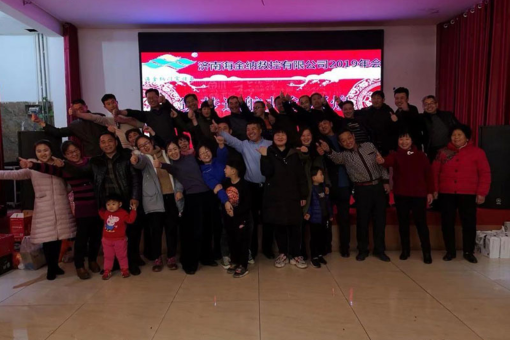
Hisena 2019 Annual Meeting Celebrates Outstanding Employees and Teams with Awards, Games, and Lucky Draws

30

Apr

Hisena 2019 Annual Meeting Celebrates Outstanding Employees and Teams with Awards, Games, and Lucky Draws

View More
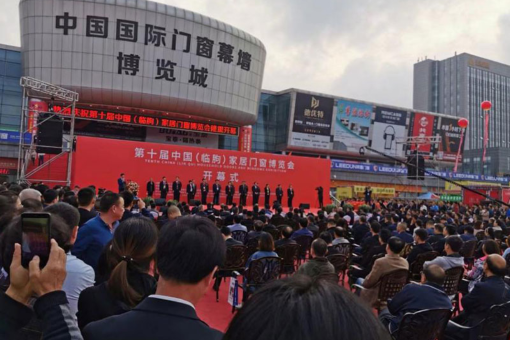
Hisena Honored to Exhibit at Linqu Window Expo in Shandong, Gathering Most Representative Domestic and International Exhibitors and Brands

30

Apr

Hisena Honored to Exhibit at Linqu Window Expo in Shandong, Gathering Most Representative Domestic and International Exhibitors and Brands

View More

Get a Free Quote

Our representative will contact you soon.
Name
Email
Telephone
Country
Company Name
Message
0/1000

window production line supplier

Advanced Automation Technology for Maximum Productivity

Advanced Automation Technology for Maximum Productivity

Modern window production line suppliers distinguish themselves through sophisticated automation technology that revolutionizes manufacturing efficiency and output quality. These advanced systems incorporate programmable logic controllers and servo-driven mechanisms that coordinate multiple production stages with millisecond precision. The automation begins at the material loading stage where intelligent feeding systems position profiles accurately for subsequent processing without manual intervention. Computer-controlled cutting stations utilize high-speed saws with laser guidance systems that ensure perfectly square cuts and precise angles every time, eliminating the inconsistencies inherent in manual cutting methods. The welding stations employ advanced thermal control that adapts heating parameters automatically based on material type and thickness, creating seamless joints with optimal strength characteristics. Automated cleaning systems remove welding beads and surface imperfections using rotating brushes and precision tooling that prepare frames for glazing without manual finishing work. The glazing process benefits from robotic handling systems that position glass panels accurately within frames, applying consistent pressure during sealing operations to ensure weathertight installations. Integrated quality inspection systems use optical sensors and cameras to detect dimensional variations, surface defects, and assembly errors in real-time, automatically rejecting non-conforming products before they proceed further in the production line. The comprehensive automation significantly reduces dependency on skilled manual labor, addressing workforce shortage challenges while maintaining consistent production quality regardless of operator experience levels. Production data flows continuously to centralized monitoring systems where managers track output rates, equipment performance, material consumption, and maintenance requirements through intuitive dashboard interfaces. This transparency enables proactive decision-making regarding production scheduling, maintenance planning, and resource allocation. The automation technology from leading window production line suppliers also facilitates seamless integration with enterprise resource planning systems, connecting production floor activities with inventory management, order processing, and customer relationship management functions. This holistic integration eliminates information silos and enables truly synchronized operations across the entire business. Energy management features embedded within automation systems optimize power consumption by coordinating equipment operation sequences and implementing standby modes during idle periods, contributing to environmental sustainability goals while reducing operational costs. The scalability of automated systems allows manufacturers to expand capacity incrementally by adding modules or upgrading components rather than replacing entire production lines, protecting long-term investment value and providing flexibility for business growth.
Customization Flexibility for Diverse Market Requirements

Customization Flexibility for Diverse Market Requirements

A distinguishing characteristic of premium window production line suppliers is their ability to provide highly flexible manufacturing systems that accommodate diverse product specifications and rapidly changing market demands. This flexibility begins with modular equipment designs that allow manufacturers to configure production lines according to their specific product mix, available floor space, and production volume requirements. Unlike rigid single-purpose machinery, contemporary production systems feature adjustable components that handle multiple window profiles, various frame materials including PVC, aluminum, wood, and composite materials, and different glazing options from single-pane to advanced triple-glazed energy-efficient units. The profile processing stations incorporate quick-change tooling systems that enable operators to switch between different window sizes and styles within minutes rather than hours, dramatically reducing setup time and maximizing productive manufacturing time. This rapid changeover capability proves especially valuable for manufacturers serving custom home builders or commercial projects requiring varied window specifications within single orders. Advanced window production line suppliers provide parametric programming interfaces where operators input desired specifications and the system automatically adjusts cutting lengths, welding temperatures, hardware positions, and quality checkpoints accordingly. This intelligent adaptability eliminates the need for extensive machine reconfiguration or specialized technical knowledge for each product variation. The equipment accommodates special architectural requirements such as arched windows, circular designs, and non-standard dimensions that traditional production methods struggle to manufacture efficiently. Manufacturers gain competitive advantages by offering comprehensive product catalogs without maintaining multiple specialized production lines for different window types. The flexibility extends to production volume scaling, with systems performing efficiently whether producing small custom batches or large-scale repetitive runs for major construction projects. This versatility prevents manufacturers from turning away business opportunities due to equipment limitations. Material handling flexibility allows integration with various supply chain configurations, accepting raw materials in different formats and packaging types without requiring standardized supplier specifications. The production lines also accommodate future technology adoption, with upgrade paths for incorporating emerging innovations such as smart window technologies, advanced coating processes, and new frame material formulations. Leading window production line suppliers design equipment with expandability provisions, allowing manufacturers to add functionality modules as market opportunities emerge rather than facing obsolescence concerns. This future-ready approach protects capital investments and ensures manufacturing capabilities remain competitive throughout equipment lifecycles. The customization flexibility ultimately translates into market responsiveness advantages, enabling manufacturers to capture niche opportunities, satisfy demanding architectural specifications, and differentiate their offerings in competitive markets where standardized products struggle to command premium pricing.
Comprehensive Support Services for Long-Term Success

Comprehensive Support Services for Long-Term Success

Distinguished window production line suppliers differentiate themselves through extensive support services that extend far beyond equipment delivery, ensuring clients achieve sustained operational success and maximum return on investment. The support journey begins during the pre-sale consultation phase where experienced technical specialists conduct detailed assessments of client facilities, production requirements, existing workflows, and growth objectives. These comprehensive evaluations result in customized equipment recommendations optimized for specific operational contexts rather than generic solutions. During installation, professional teams handle complete system setup including precise equipment positioning, utility connections, safety system integration, and comprehensive testing protocols that verify all functions operate within specifications before handover. This meticulous installation process prevents premature equipment issues and establishes proper operational foundations. The training programs provided by quality suppliers encompass multiple levels, starting with operator instruction covering daily production activities, routine maintenance procedures, and basic troubleshooting techniques. Advanced training modules address system optimization, parameter adjustment for different products, and predictive maintenance practices that prevent unexpected failures. Management personnel receive training on production data interpretation, performance metrics analysis, and strategic capacity planning to maximize business value from manufacturing investments. Ongoing technical support typically includes multiple contact channels such as dedicated hotlines, email assistance, remote diagnostic capabilities, and on-site service visits when necessary. Leading suppliers maintain comprehensive spare parts inventories ensuring rapid replacement component availability that minimizes production disruptions. Preventive maintenance programs scheduled at appropriate intervals keep equipment operating at peak efficiency while identifying potential issues before they escalate into costly breakdowns. Software updates delivered periodically introduce enhanced features, improved algorithms, and compatibility with new technologies, extending equipment capabilities throughout ownership periods. Many premium window production line suppliers establish customer communities where manufacturers share best practices, application innovations, and optimization strategies, creating valuable knowledge networks that benefit all participants. Performance monitoring services offered by advanced suppliers analyze production data remotely, identifying efficiency improvement opportunities and recommending operational adjustments that enhance output quality and quantity. Equipment upgrade pathways allow manufacturers to enhance existing systems with new modules or replacement components that incorporate latest technological advances without complete line replacements. Financial support options including equipment financing, leasing programs, and phased payment structures help manufacturers manage capital expenditures while acquiring needed production capabilities. Documentation packages provided include detailed operation manuals, maintenance schedules, troubleshooting guides, and spare parts catalogs in multiple languages, ensuring information accessibility regardless of workforce composition. The commitment to customer success demonstrated through comprehensive support services reflects supplier confidence in equipment quality and recognition that client prosperity drives long-term partnership value and positive industry reputation.

Get a Free Quote

Our representative will contact you soon.
Name
Email
Telephone
Country
Company Name
Message
0/1000