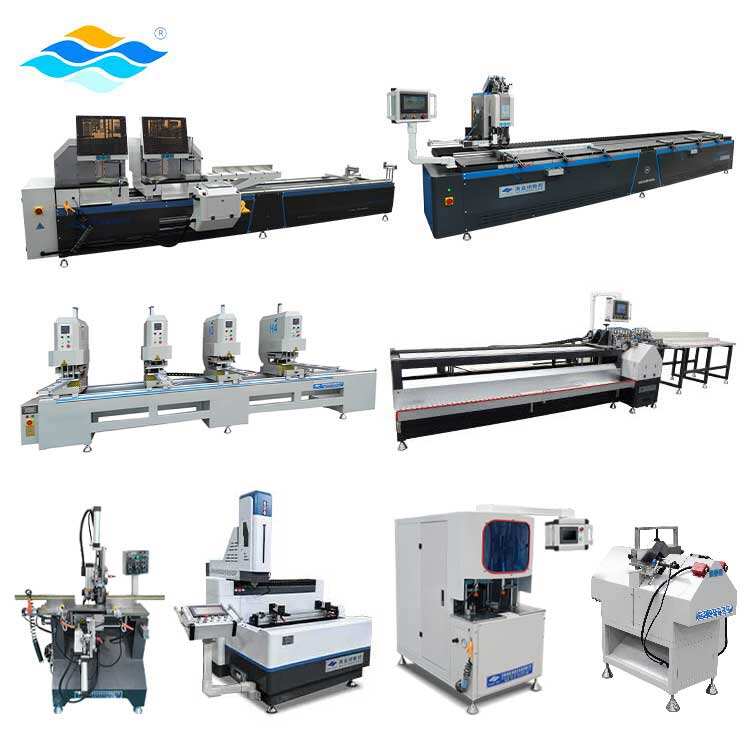
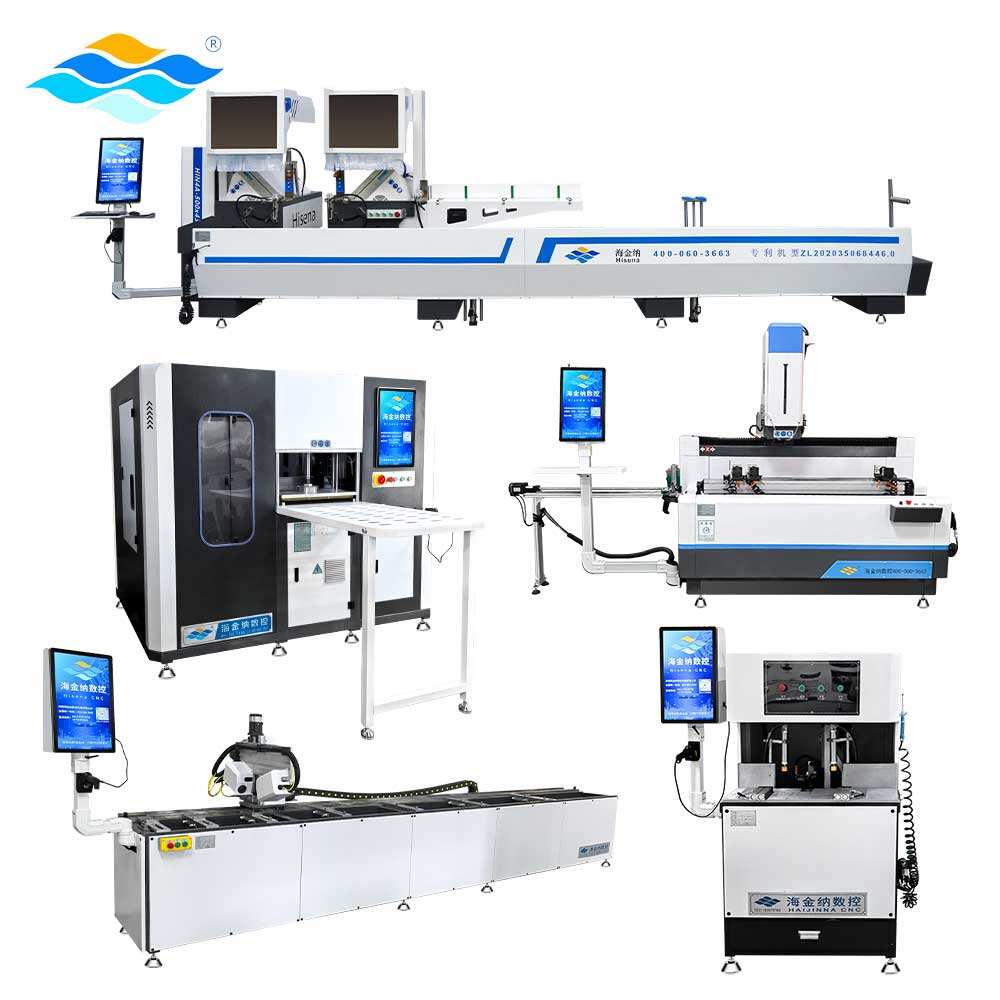
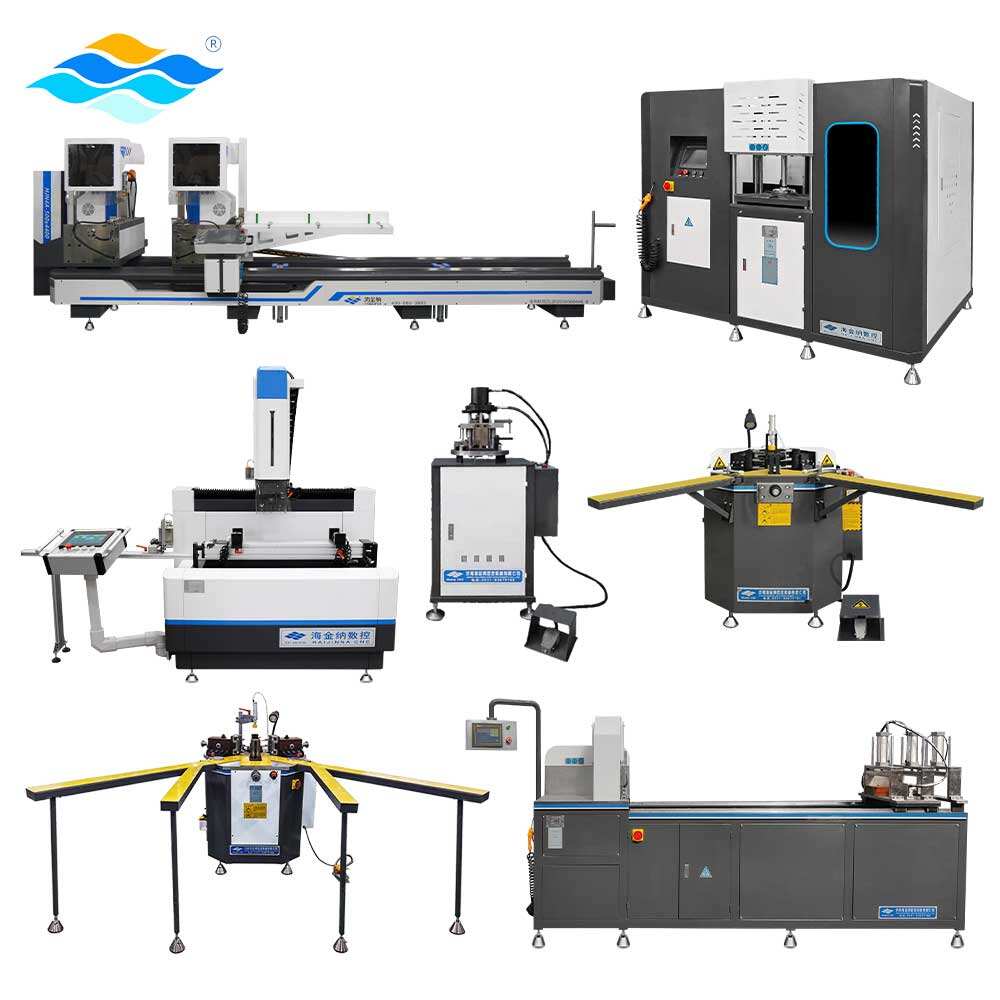
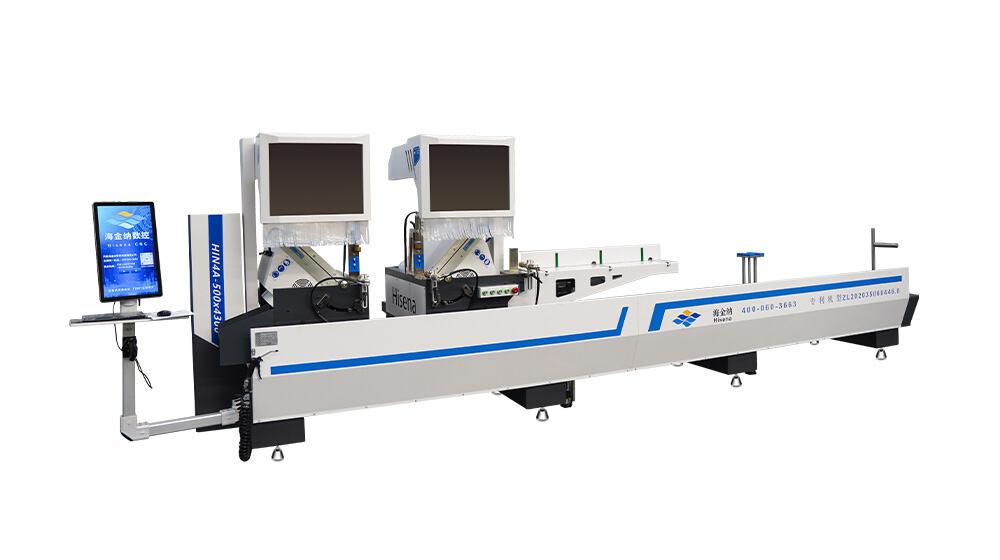
Window Manufacturing Line: Advanced Automated Production Systems for Efficient Window Fabrication

Get a Free Quote

Our representative will contact you soon.
Name
Email
Telephone
Country
Company Name
Message
0/1000

window manufacturing line

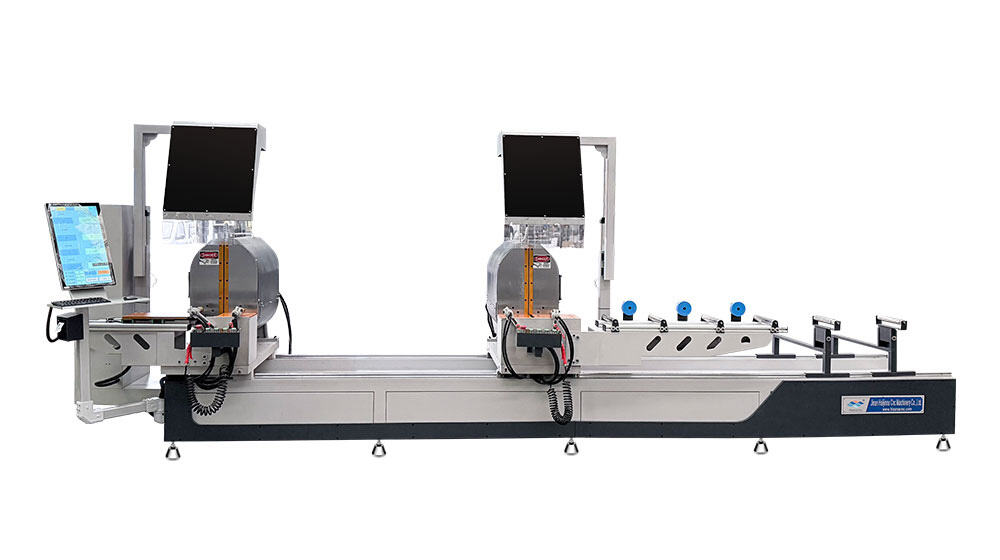
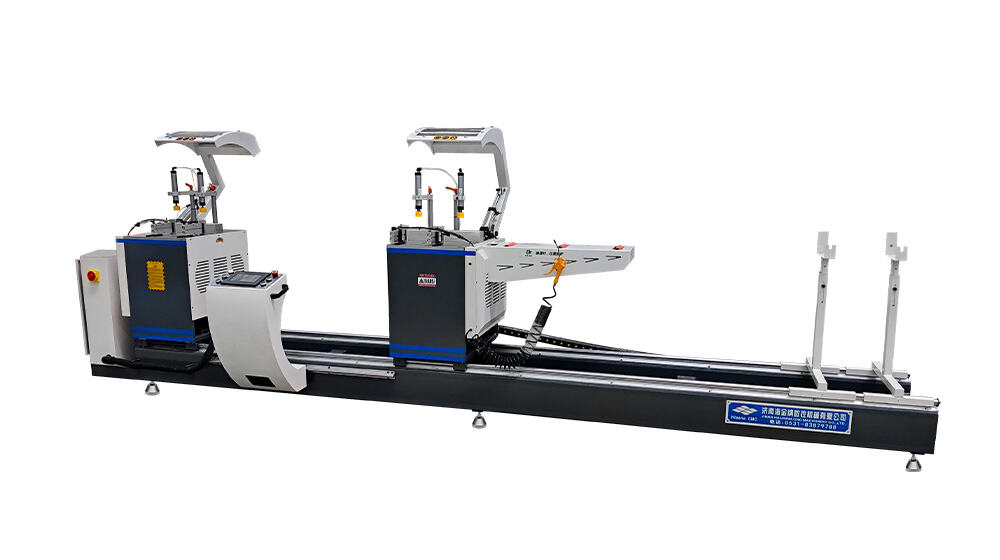
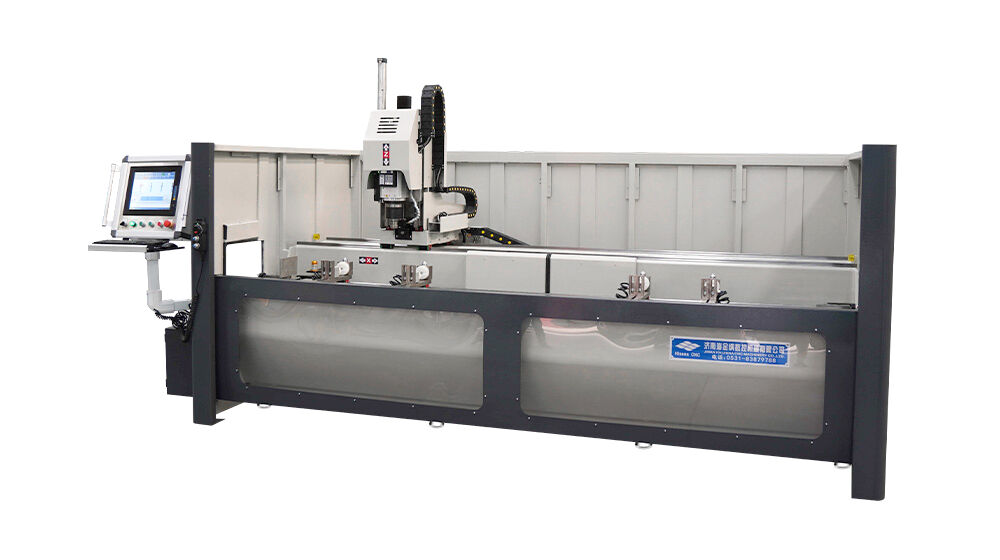
A window manufacturing line represents a comprehensive production system designed to fabricate various types of windows with precision and efficiency. This integrated solution combines multiple specialized machines and processes to transform raw materials into finished window products ready for installation. The window manufacturing line encompasses cutting stations, welding equipment, cleaning units, glazing systems, and quality control mechanisms that work in harmony to produce high-quality windows at scale. Modern window manufacturing lines incorporate advanced automation technology, allowing manufacturers to achieve consistent output while minimizing manual labor requirements. These production systems handle diverse window profiles including PVC, aluminum, and wooden frames, adapting to different design specifications and customer demands. The main functions of a window manufacturing line include profile cutting with millimeter accuracy, corner joining through sophisticated welding or mechanical fastening, surface preparation and cleaning, glass installation with proper sealing, hardware attachment, and final inspection procedures. Technological features distinguish contemporary window manufacturing lines from traditional methods, incorporating computer numerical control systems, programmable logic controllers, servo motors for precise movements, and touchscreen interfaces for operator convenience. These systems enable manufacturers to store multiple production recipes, switch between different window styles rapidly, and maintain detailed production records for quality traceability. The application scope of window manufacturing lines extends across residential construction, commercial building projects, renovation markets, and specialized architectural installations. Manufacturers serving diverse market segments benefit from the flexibility these production lines offer, accommodating custom orders alongside standard product runs. Energy-efficient window production has become increasingly important, and modern window manufacturing lines integrate features that ensure proper sealing, accurate glass positioning, and optimal thermal performance. The investment in a complete window manufacturing line delivers long-term value through increased production capacity, reduced labor costs, improved product consistency, and enhanced competitiveness in demanding markets where quality and delivery speed determine success.

New Product Releases

Investing in a window manufacturing line brings substantial practical benefits that directly impact your business performance and profitability. First and foremost, production speed increases dramatically compared to manual fabrication methods, enabling you to fulfill larger orders within shorter timeframes and respond quickly to market opportunities. This enhanced throughput means you can accept more projects without extending delivery schedules, strengthening your reputation for reliability among contractors and developers. The consistency delivered by automated window manufacturing lines eliminates the variations that inevitably occur with hand-crafted production, ensuring every window meets identical quality standards regardless of which shift produces it or how many units you manufacture daily. This uniformity reduces customer complaints, minimizes warranty claims, and builds trust in your brand across all market segments you serve. Labor efficiency represents another significant advantage, as these production systems require fewer operators to achieve higher output levels, allowing you to redirect workforce resources toward value-added activities like design consultation, project management, and customer service enhancement. The precision engineered into modern window manufacturing lines reduces material waste substantially, as computer-controlled cutting optimizes profile usage and minimizes off-cuts that previously represented pure loss. This material efficiency translates directly into cost savings that improve your profit margins on every window produced. Safety improvements emerge naturally from automation, removing workers from hazardous operations involving sharp cutting tools, hot welding equipment, and heavy lifting tasks that historically caused workplace injuries. A safer production environment means lower insurance premiums, reduced compensation claims, and better employee morale contributing to workforce stability. Flexibility built into contemporary window manufacturing lines allows you to diversify your product portfolio without purchasing entirely separate equipment, accommodating different frame materials, various glazing options, multiple hardware systems, and custom architectural requirements through programmable settings and modular tooling arrangements. This versatility enables you to pursue niche market opportunities and premium projects that command higher prices while maintaining efficient production of standard product lines. Quality control becomes more systematic and reliable when integrated into the window manufacturing line workflow, with automated inspection points catching defects before they progress to subsequent production stages, preventing the compounding of errors that waste materials and labor. The data collection capabilities of modern production systems provide valuable insights into operational efficiency, identifying bottlenecks, tracking downtime causes, monitoring maintenance needs, and revealing opportunities for continuous improvement that keep your manufacturing operation competitive. Energy consumption optimization represents an often-overlooked advantage, as newer window manufacturing lines incorporate efficient motors, intelligent power management, and heat recovery systems that reduce operational costs compared to older equipment. The professional image projected by an advanced window manufacturing line impresses potential clients during facility tours, demonstrating your commitment to quality, investment in technology, and capacity to handle substantial projects reliably. Finally, the scalability inherent in modular production line designs allows you to expand capacity incrementally as your business grows, adding stations or upgrading components without replacing the entire system, protecting your initial investment while accommodating future success.

Tips And Tricks

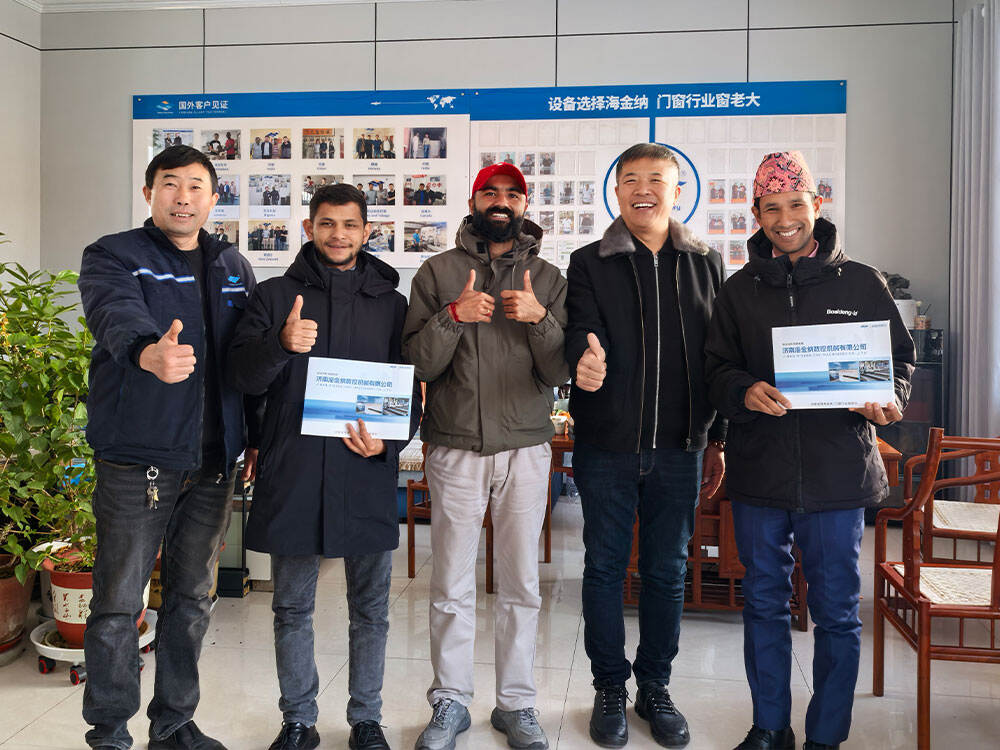
Nepalese Client Returns: Hisena Is the First Choice for Equipment!

30

Apr

Nepalese Client Returns: Hisena Is the First Choice for Equipment!

View More
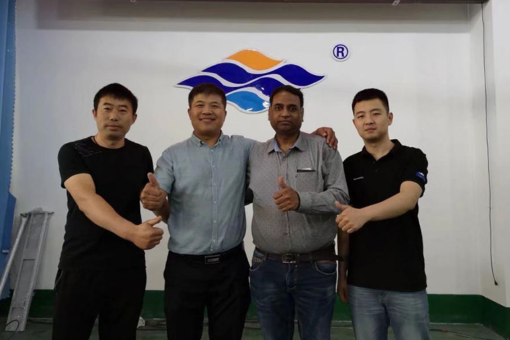
Indian customers came and visited Hisena factory

30

Apr

Indian customers came and visited Hisena factory

View More
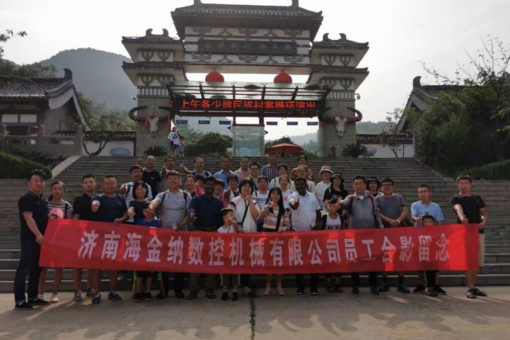
Hisena Family and Foreign Customers Explore Jinan Jiuding Tower Chinese National Joy Park, Experiencing Six Ethnic Cultures and Joy of Traditional Water Festival

30

Apr

Hisena Family and Foreign Customers Explore Jinan Jiuding Tower Chinese National Joy Park, Experiencing Six Ethnic Cultures and Joy of Traditional Water Festival

View More
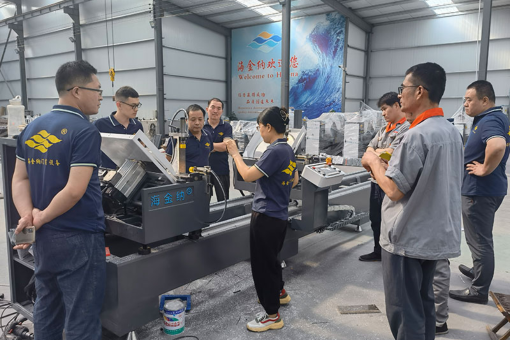
Hisena Production Staff Trains to Improve Installation Steps and Skills for Higher Quality Products

30

Apr

Hisena Production Staff Trains to Improve Installation Steps and Skills for Higher Quality Products

View More

Get a Free Quote

Our representative will contact you soon.
Name
Email
Telephone
Country
Company Name
Message
0/1000

window manufacturing line

Advanced Automation Technology Delivering Consistent Quality

Advanced Automation Technology Delivering Consistent Quality

The integration of advanced automation technology stands as the cornerstone advantage of modern window manufacturing lines, fundamentally transforming how windows are produced and establishing new benchmarks for quality consistency. At the heart of this automation lies sophisticated computer numerical control systems that govern every critical operation with mathematical precision, eliminating the variability inherent in manual processes where human factors like fatigue, distraction, or skill differences affect outcomes. The window manufacturing line employs servo-driven motors that execute movements with repeatability measured in hundredths of millimeters, ensuring that profile cuts align perfectly, welding positions match exactly, and glass placement achieves uniform spacing across thousands of production cycles. This precision machinery works in concert with programmable logic controllers that orchestrate the timing and sequence of operations, coordinating multiple stations to maintain optimal workflow rhythm while preventing collisions, jams, or processing errors that could damage materials or equipment. Touchscreen operator interfaces simplify the complexity of these sophisticated systems, presenting intuitive controls that allow production staff to select window specifications, adjust processing parameters, and monitor real-time performance without requiring advanced technical training or programming expertise. The automation extends beyond basic mechanical functions to encompass quality verification, with integrated sensors measuring critical dimensions, verifying component presence, checking weld integrity, and confirming proper assembly sequence before allowing products to advance through the production line. This continuous automated inspection catches deviations immediately, triggering alerts that enable rapid correction before defective units accumulate, dramatically reducing scrap rates and rework costs that erode profitability in less sophisticated operations. Recipe management capabilities embedded within the window manufacturing line allow operators to store proven production parameters for different window styles, sizes, and configurations, then recall these settings instantly when switching between product types, eliminating the trial-and-error adjustments that waste time and materials during changeovers. The data logging functions built into automated systems create detailed production histories recording cycle times, material consumption, downtime incidents, and quality metrics that provide management with actionable intelligence for optimizing operations, scheduling preventive maintenance, and identifying training needs. Remote monitoring and diagnostic capabilities increasingly available in premium window manufacturing lines enable technical support specialists to observe operations virtually, troubleshoot problems without site visits, and even adjust parameters remotely to optimize performance, minimizing downtime that previously required waiting for service technicians to travel to your facility. The automation technology also enhances workplace safety by removing operators from direct contact with hazardous cutting blades, hot welding equipment, and heavy materials, relegating human workers to supervisory roles where they monitor operations, load materials, and remove finished products from safe positions outside the machinery envelope. This transformation from manual craftsmanship to automated precision manufacturing represents not merely an incremental improvement but a fundamental competitive advantage that enables window manufacturers to meet the demanding quality standards, tight tolerances, and rapid delivery schedules that characterize successful participation in modern construction markets.
Exceptional Material Versatility and Production Flexibility

Exceptional Material Versatility and Production Flexibility

The exceptional material versatility engineered into contemporary window manufacturing lines empowers producers to address diverse market segments and capitalize on varied opportunities without investing in multiple specialized production systems. This flexibility begins with the fundamental capability to process different frame materials including PVC profiles, aluminum extrusions, and wooden components, adapting cutting tools, welding methods, and joining techniques to suit the distinct properties of each material type. The window manufacturing line accommodates this material diversity through quick-change tooling systems that allow operators to swap cutting blades, welding shoes, and clamping fixtures rapidly when transitioning between material types, minimizing setup time that would otherwise create inefficient gaps in production schedules. Profile size versatility extends the production envelope, with adjustable guides, expandable work surfaces, and variable clamping systems that handle small residential windows and large commercial glazing units on the same equipment, eliminating the artificial constraints that force manufacturers to decline projects outside their machinery specifications. The glazing stations within comprehensive window manufacturing lines accept various glass thicknesses, accommodate double and triple glazing configurations, work with specialty glass types including low-emissivity coatings and laminated safety glass, and adjust spacing to meet different thermal performance requirements specified by energy codes or customer preferences. Hardware compatibility represents another dimension of flexibility, as modern window manufacturing lines incorporate universal mounting provisions that accept different hinge styles, various locking mechanisms, multiple operator types, and diverse decorative hardware options without requiring custom fixtures or extensive reconfiguration. Color and finish versatility extends to surface treatment capabilities, with some production lines integrating lamination stations that apply decorative films to profiles, coordination with powder coating systems for aluminum frames, or preparation stages for painting wooden windows, enabling manufacturers to offer extensive aesthetic options that appeal to architects and design-conscious customers. The production programming flexibility built into advanced window manufacturing lines allows manufacturers to store unlimited product configurations in system memory, creating libraries of window styles, sizes, and specifications that can be recalled instantly when repeat orders arrive, ensuring perfect consistency between original production runs and subsequent batches regardless of time intervals between orders. Custom fabrication capabilities distinguish premium window manufacturing lines from basic systems, incorporating measurement input functions that accept non-standard dimensions, calculation routines that automatically determine cutting lengths and angles for unusual shapes, and adjustment mechanisms that accommodate one-off architectural requirements without disrupting standard product workflows. Batch size flexibility proves particularly valuable in dynamic markets, as sophisticated window manufacturing lines operate economically whether producing single custom units or running hundreds of identical windows, avoiding the minimum batch requirements that create inventory carrying costs or force manufacturers to decline small but profitable orders. Production speed adjustment capabilities allow manufacturers to optimize throughput based on specific circumstances, running at maximum velocity for standard products with tight deadlines while reducing pace for complex custom work requiring additional attention, matching production rhythm to order characteristics rather than operating at fixed speeds regardless of product requirements. This multifaceted flexibility transforms the window manufacturing line from a rigid single-purpose machine into an adaptable production platform that grows with your business, accommodates market evolution, and supports diversification strategies that insulate manufacturers from demand fluctuations in any single product category or market segment.
Comprehensive Integration and Operational Efficiency

Comprehensive Integration and Operational Efficiency

The comprehensive integration achieved in modern window manufacturing lines creates operational efficiency that extends far beyond the sum of individual machine capabilities, establishing seamless workflows that minimize handling, reduce cycle times, and optimize resource utilization throughout the production process. This integration begins with material flow design that positions sequential operations in logical progression, allowing partially completed windows to advance smoothly from cutting to welding to cleaning to glazing without backtracking, excessive transportation, or intermediate storage that consumes floor space and introduces handling damage risks. The window manufacturing line incorporates automated transfer systems including conveyor sections, robotic pick-and-place units, and powered roller tables that move components between processing stations without manual intervention, eliminating the labor costs and potential injuries associated with repetitive lifting while maintaining continuous production rhythm that maximizes equipment utilization. Buffer zones strategically positioned within integrated production lines accommodate slight timing differences between operations, preventing upstream stations from sitting idle when downstream processes require additional seconds, while avoiding pressure on operators to rush through critical quality-dependent tasks to maintain pace with faster automated equipment. The centralized control architecture typical of fully integrated window manufacturing lines allows single-point production management where supervisors monitor all stations from unified interfaces, adjust parameters across multiple machines simultaneously, and coordinate maintenance activities to minimize overall line downtime rather than optimizing individual machine availability without considering system-level impacts. Power management integration reduces energy consumption through coordinated equipment operation, shutting down idle stations automatically during production gaps, sequencing high-consumption processes to avoid demand peaks that trigger utility surcharges, and recovering waste heat from welding operations to preheat incoming materials or condition workspace environments. Dust collection and waste extraction integration maintains clean working conditions while capturing recyclable materials, with centralized vacuum systems serving multiple cutting and drilling stations through coordinated ducting that removes particulates at generation points, preventing accumulation on precision components that could affect accuracy while gathering valuable scrap materials for recycling revenue. Quality data integration connects inspection stations throughout the window manufacturing line to central databases that correlate measurements with specific production batches, track defect patterns that indicate developing equipment problems, and generate statistical process control charts that guide continuous improvement initiatives based on objective performance data rather than subjective impressions. Maintenance management integration embedded in sophisticated production lines monitors operating hours on consumable components, tracks cycle counts that predict wear patterns, measures vibration signatures indicating bearing deterioration, and schedules preventive service automatically, preventing unexpected breakdowns that halt production and create expensive rush repairs while optimizing maintenance labor deployment. Supply chain integration capabilities increasingly available in premium window manufacturing lines connect production systems directly to inventory management software, automatically generating material replenishment orders when consumption depletes stock below predetermined levels, ensuring continuous material availability without excessive inventory investment that ties up working capital. Customer relationship management integration allows some advanced operations to link window manufacturing line production scheduling directly to order management systems, providing customers with real-time production status visibility, accurate completion estimates, and proactive communication about any delays, elevating service quality that differentiates manufacturers in competitive markets where product features alone no longer guarantee success. This holistic integration approach transforms individual machines into cohesive manufacturing ecosystems where information flows as smoothly as materials, where human expertise focuses on decision-making rather than manual tasks, and where the entire production system operates as an optimized entity delivering efficiency levels unattainable through disconnected equipment collections, ultimately providing window manufacturers with the operational excellence required to thrive in markets characterized by demanding customers, aggressive competition, and continuously evolving performance expectations.

Get a Free Quote

Our representative will contact you soon.
Name
Email
Telephone
Country
Company Name
Message
0/1000