Aluminum Window Production Line - Advanced Manufacturing Systems for Efficient Window Fabrication

Get a Free Quote

Our representative will contact you soon.
Name
Email
Telephone
Country
Company Name
Message
0/1000

aluminum window production line

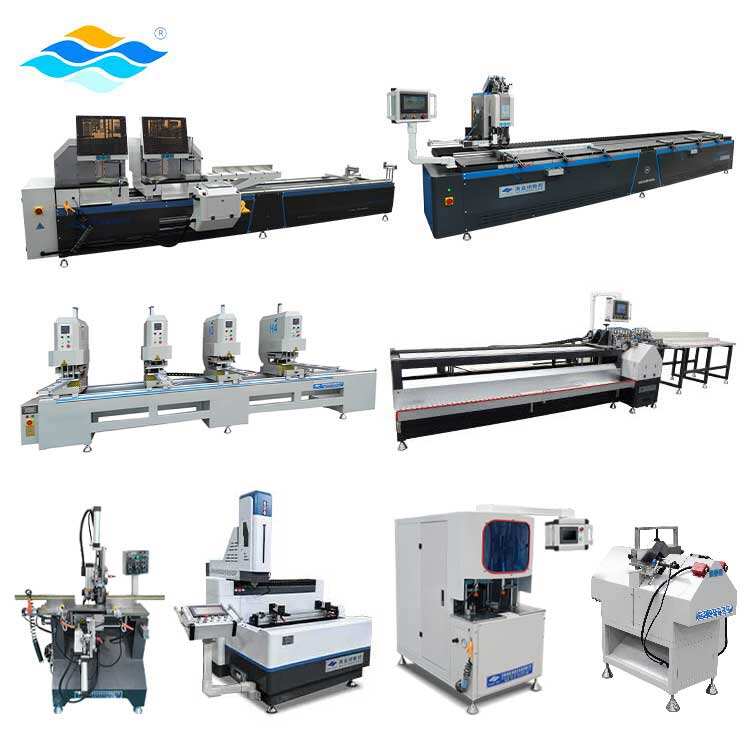
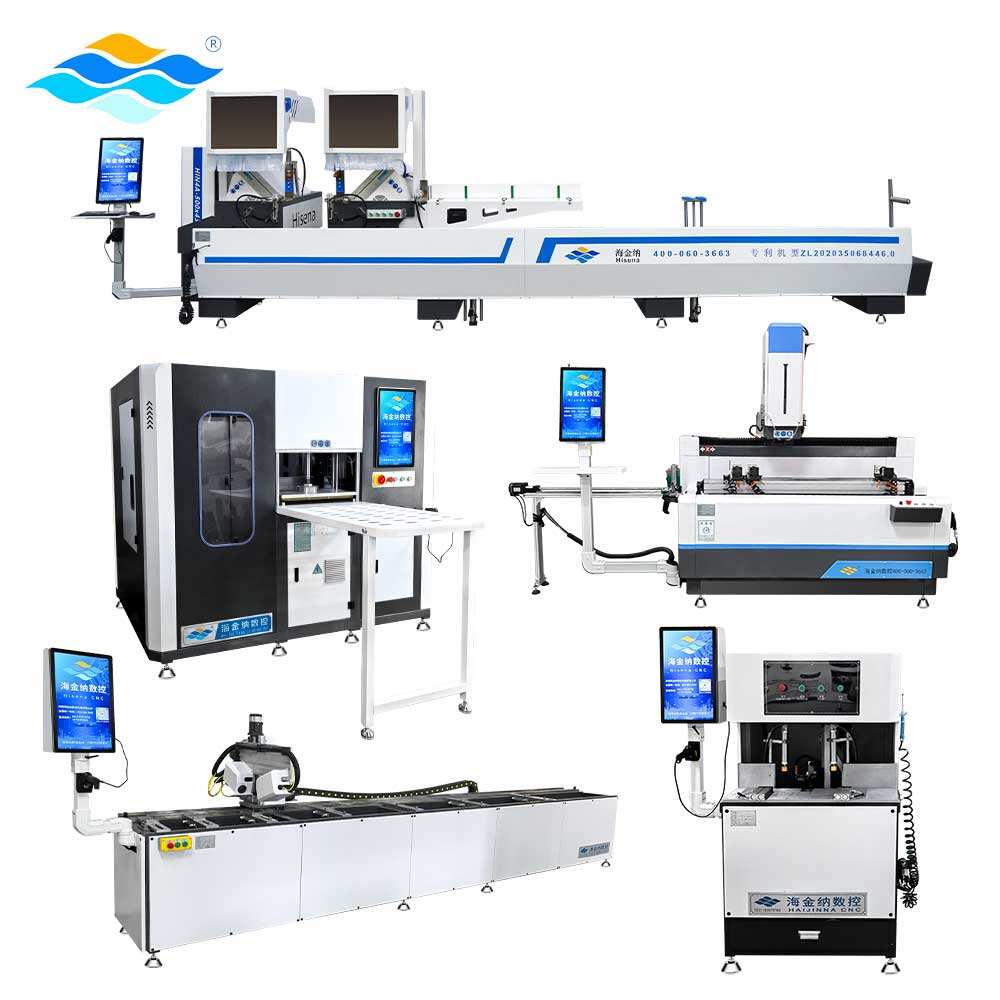
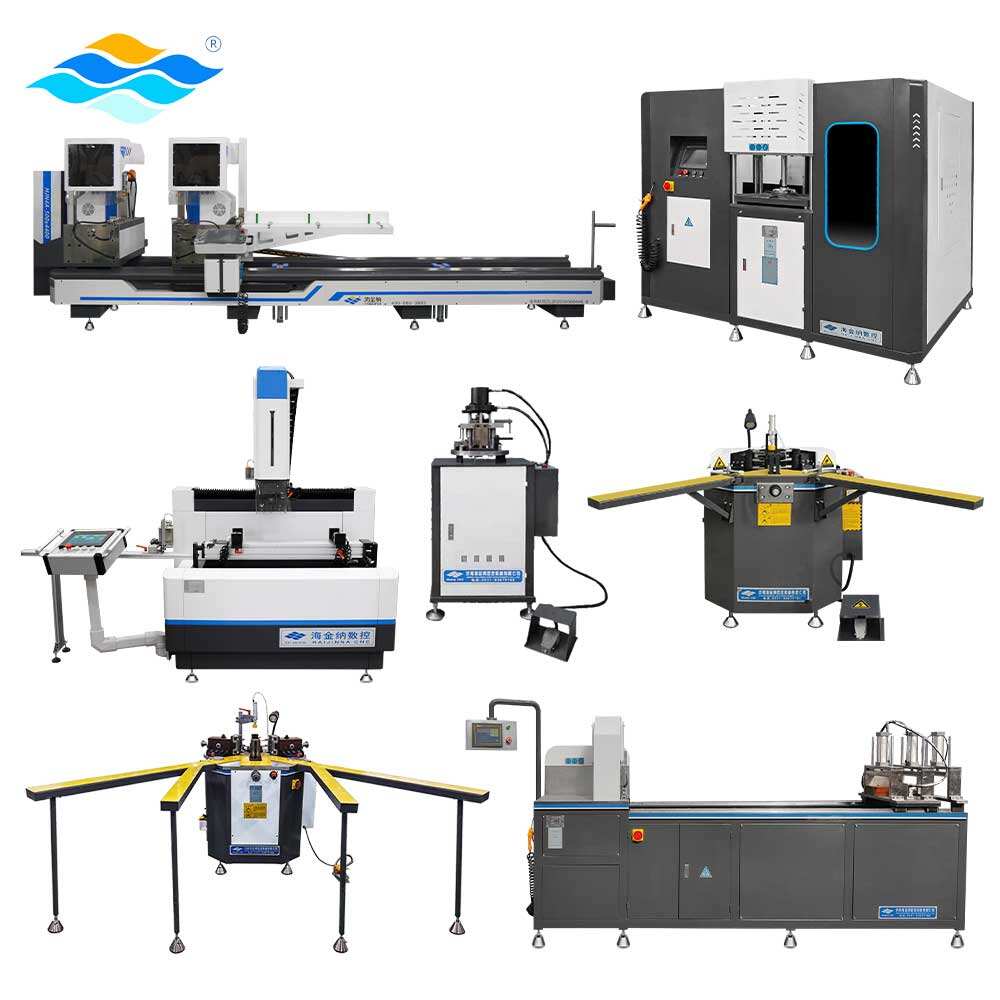
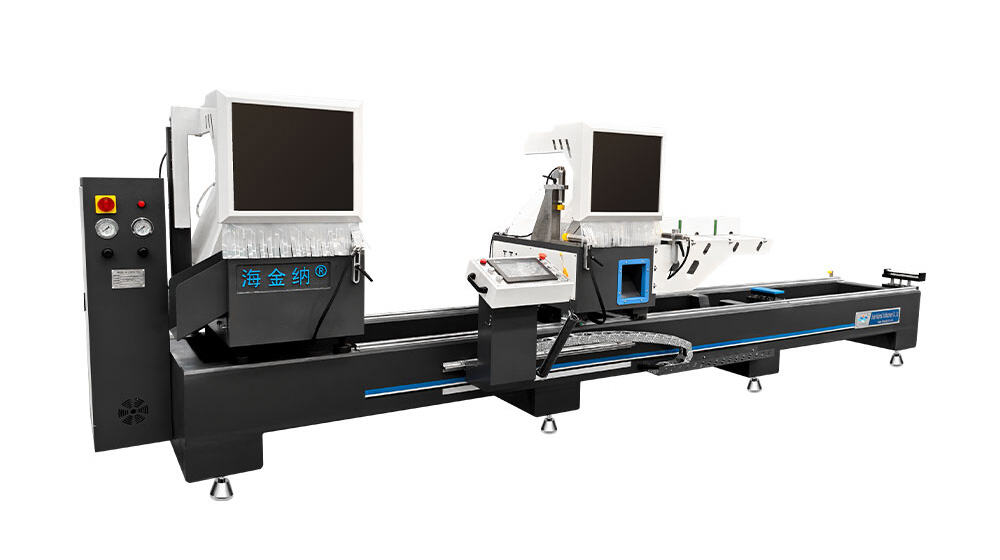
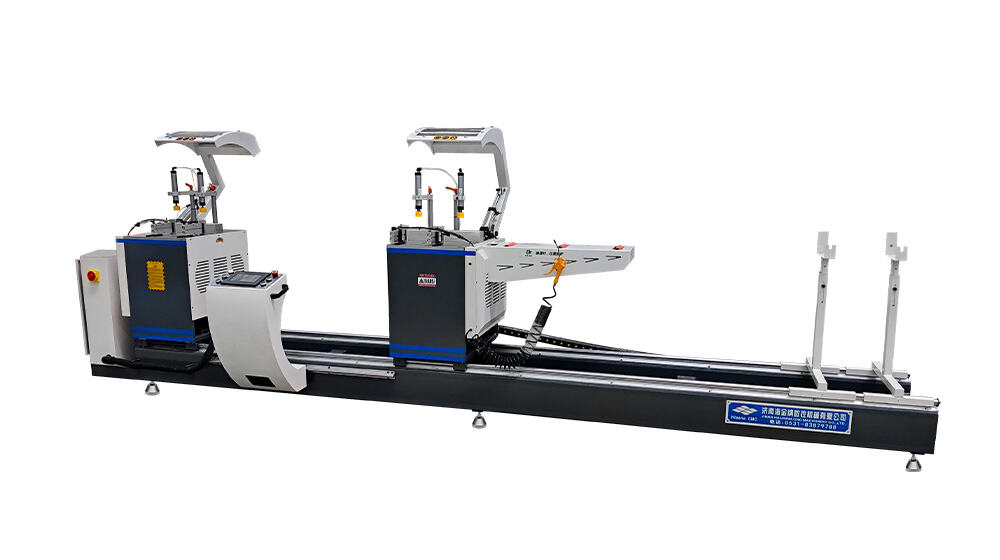
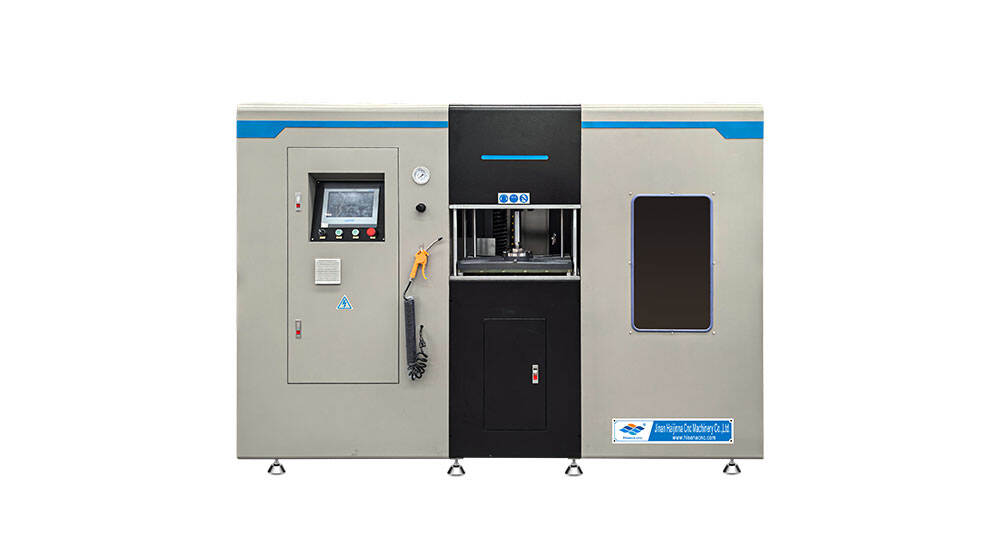
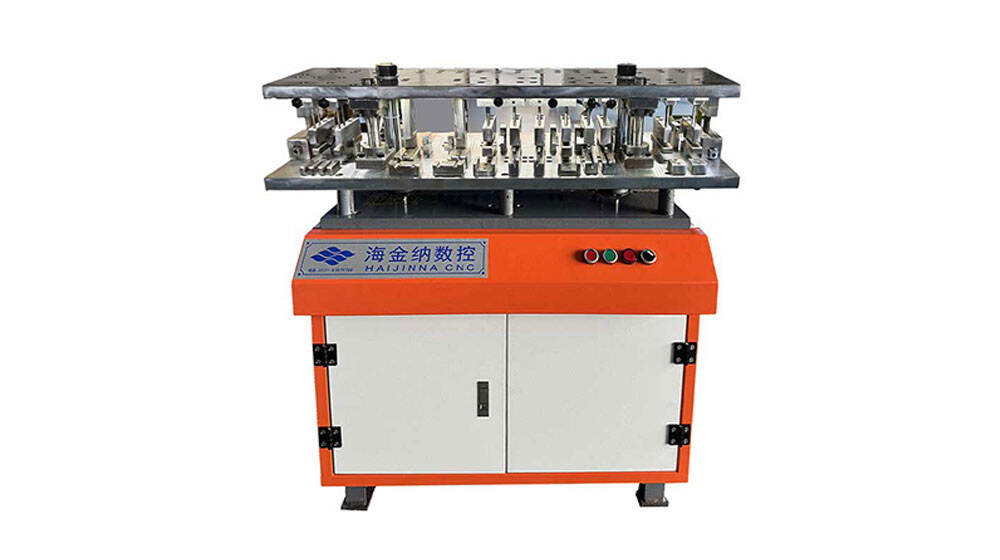
An aluminum window production line represents a comprehensive manufacturing system designed to streamline the fabrication of aluminum window frames and components with precision and efficiency. This sophisticated production system integrates multiple automated stations that handle everything from raw material processing to final assembly. The aluminum window production line combines cutting-edge technology with practical functionality to deliver consistent, high-quality windows that meet modern construction standards. At its core, the production line consists of several key components including material feeding systems, precision cutting machines, drilling and milling stations, corner crimping equipment, and assembly platforms. The main functions of an aluminum window production line encompass profile cutting to exact specifications, corner joining through various methods such as crimping or welding, hardware installation including hinges and locks, glass insertion and sealing, and quality control inspection. The technological features of modern aluminum window production lines include computer numerical control systems that ensure accuracy within millimeters, servo-driven mechanisms for smooth operation, automated measurement systems that reduce human error, and integrated software that manages production workflows. These production lines utilize advanced sensor technology to monitor each manufacturing stage, ensuring dimensional accuracy and structural integrity. The automation level can be customized based on production volume requirements, ranging from semi-automated systems suitable for smaller operations to fully automated lines capable of producing thousands of units daily. Applications of aluminum window production lines span residential construction, commercial building projects, industrial facilities, and renovation markets. These systems produce various window styles including sliding windows, casement windows, tilt-and-turn windows, and fixed panels. The aluminum window production line accommodates different aluminum profile systems and can be configured to manufacture windows in various sizes and specifications. Modern production lines also incorporate environmental considerations, with efficient material usage and recycling capabilities for aluminum scrap. The versatility of these production systems makes them essential for window manufacturers seeking to compete in today's demanding construction industry.
New Product Recommendations

Investing in an aluminum window production line brings significant practical benefits that directly impact your business profitability and operational efficiency. First and foremost, these production systems dramatically increase manufacturing speed compared to manual fabrication methods. What once took hours to complete by hand can now be accomplished in minutes through automated processes, allowing your business to fulfill larger orders within shorter timeframes. This speed advantage translates directly into revenue growth as you can accept more projects and serve more customers without sacrificing quality. The consistency delivered by an aluminum window production line ensures that every window meets the same exacting standards, eliminating the variations that often occur with manual production. This uniformity reduces waste from defective products and minimizes costly rework, saving both materials and labor expenses. Your customers receive windows that fit perfectly every time, building your reputation for reliability and craftsmanship. Labor cost savings represent another compelling advantage, as automated systems require fewer operators to produce the same output volume. Instead of employing large teams for repetitive tasks, you can redirect your workforce toward value-added activities like customer service, design consultation, and quality oversight. The aluminum window production line also improves workplace safety by handling dangerous operations like cutting and drilling through automated machinery, reducing injury risks and associated costs. Material optimization is another practical benefit, as computerized systems calculate the most efficient cutting patterns to minimize aluminum waste. Over time, these material savings accumulate into substantial cost reductions, improving your profit margins on every project. The precision of automated production also reduces energy consumption in downstream processes, as properly manufactured components require less adjustment and correction. Flexibility offered by modern aluminum window production lines allows you to quickly switch between different window designs and sizes without extensive retooling, making your operation more responsive to market demands. This adaptability helps you capture diverse customer segments from budget-conscious homeowners to premium commercial clients. Quality control becomes more manageable as production lines incorporate inspection stations that catch defects early in the manufacturing process, preventing faulty products from reaching customers. The data collection capabilities of these systems provide valuable insights into production efficiency, helping you identify improvement opportunities and optimize workflows continuously. Customer satisfaction naturally improves when you deliver superior products faster and more reliably, leading to repeat business and positive referrals that fuel organic growth. The competitive edge gained through an aluminum window production line positions your business as a modern, capable manufacturer ready to handle projects of any scale.

Tips And Tricks

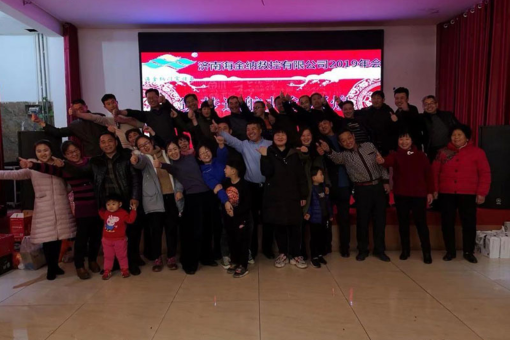
Hisena 2019 Annual Meeting Celebrates Outstanding Employees and Teams with Awards, Games, and Lucky Draws

30

Apr

Hisena 2019 Annual Meeting Celebrates Outstanding Employees and Teams with Awards, Games, and Lucky Draws

View More
Hisena Showcases Self-Developed

30

Apr

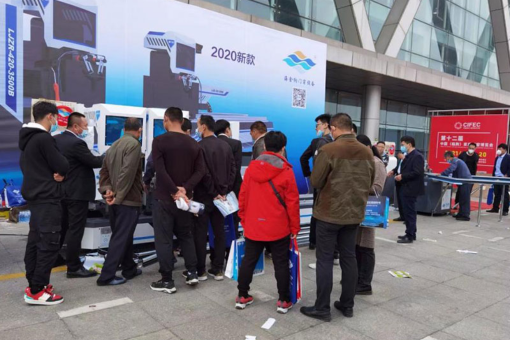
Hisena Showcases Self-Developed "Upgraded CNC Curved High Precision Saw" at Shandong International Window and Door Curtain Wall Expo

View More
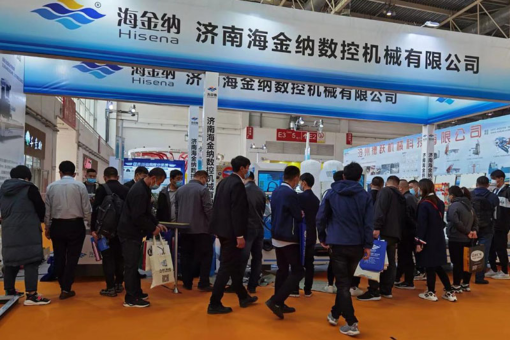
Hisena Exhibits in Beijing, Equipment Highly Popular Among Customers

30

Apr

Hisena Exhibits in Beijing, Equipment Highly Popular Among Customers

View More
Hisena launched

30

Apr

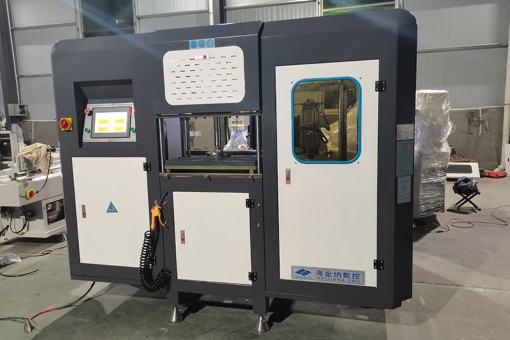
Hisena launched "CNC 3-axis end milling upgraded version"

View More

Get a Free Quote

Our representative will contact you soon.
Name
Email
Telephone
Country
Company Name
Message
0/1000

aluminum window production line

Advanced Automation Technology for Unmatched Precision

Advanced Automation Technology for Unmatched Precision

The automation technology integrated into an aluminum window production line represents a revolutionary advancement in window manufacturing capabilities, delivering precision that manual methods simply cannot match. At the heart of this technology lies sophisticated computer numerical control systems that coordinate multiple production stations simultaneously, ensuring every cut, drill, and joint achieves tolerances measured in fractions of millimeters. This level of precision is critical in window manufacturing because even slight dimensional inaccuracies can result in installation problems, air leakage, water infiltration, and customer dissatisfaction. The automated systems eliminate human error from repetitive tasks while maintaining unwavering accuracy across thousands of production cycles. Servo motors provide smooth, controlled movements that prevent material damage and ensure clean cuts without burrs or deformations that require additional finishing work. The aluminum window production line utilizes advanced sensors and measurement devices that continuously monitor production parameters, automatically adjusting machine settings to compensate for tool wear or material variations. This self-correcting capability maintains consistent quality without constant operator intervention, allowing your team to focus on oversight rather than manual adjustments. The integration of programmable logic controllers enables rapid changeovers between different window specifications, storing dozens of product configurations that can be recalled instantly. This flexibility means you can efficiently produce custom orders without the downtime traditionally associated with manual setup changes. Touch-screen interfaces simplify operation, allowing even less experienced operators to manage complex production sequences after minimal training. The aluminum window production line automation also extends to material handling, with conveyors and robotic arms moving components between stations without manual lifting or positioning. This automated material flow reduces handling damage and accelerates production rhythm. Vision systems incorporated into quality control stations inspect finished components for defects, measuring dimensions and checking alignments with precision beyond human visual capability. These automated inspections create detailed quality records for each production batch, providing traceability and documentation that satisfy rigorous building codes and customer requirements. The cumulative effect of these automation features transforms your manufacturing operation from a labor-intensive craft process into a high-precision industrial system capable of meeting the most demanding project specifications while maintaining profitability across varied production volumes.
Exceptional Energy Efficiency and Cost Reduction

Exceptional Energy Efficiency and Cost Reduction

Energy efficiency stands as a defining characteristic of modern aluminum window production lines, delivering substantial cost reductions that improve business profitability while supporting environmental sustainability goals. Unlike older manufacturing methods that consume excessive power through inefficient motors and uncoordinated operations, contemporary production lines incorporate energy-saving technologies throughout every subsystem. Variable frequency drives modulate motor speeds precisely to match actual workload requirements rather than running at constant maximum power, reducing electricity consumption by significant percentages compared to conventional systems. The aluminum window production line optimizes power usage across all stations, with intelligent controllers that activate equipment only when needed and place idle machines into low-power standby modes. This coordinated energy management prevents wasteful simultaneous operation of unnecessary systems, cutting utility bills substantially over months and years of operation. LED lighting integrated into work areas consumes a fraction of the power required by traditional industrial lighting while providing superior visibility for quality control tasks. Regenerative braking systems capture energy from decelerating machine components and return it to the electrical supply, recovering power that would otherwise dissipate as heat. The thermal efficiency of cutting and processing stations minimizes heat generation, reducing cooling requirements for your facility and further lowering energy costs. Efficient hydraulic systems in crimping and pressing operations use only the pressure necessary for each specific task, avoiding the energy waste associated with oversized constant-pressure systems. The aluminum window production line achieves material efficiency that indirectly reduces energy consumption by minimizing scrap and rework. Optimized cutting patterns programmed into the control system extract maximum usable components from each aluminum profile, reducing raw material purchases and the embodied energy associated with aluminum production and transportation. Precise processing eliminates defective products that would waste all the energy invested in their manufacture, ensuring that power consumption translates directly into saleable products. Compressed air systems, when required, incorporate leak detection and efficient distribution networks that prevent the energy losses common in poorly maintained pneumatic systems. The production line design considers workflow efficiency to minimize unnecessary material movement, reducing conveyor operation time and associated power consumption. Insulated equipment enclosures maintain stable operating temperatures with minimal climate control energy, while efficient dust collection systems maintain clean work environments without excessive fan power. The cumulative financial impact of these energy efficiency features becomes increasingly significant as energy costs rise, providing your business with predictable operating expenses and protection against utility price volatility. Beyond direct cost savings, the reduced environmental footprint of an energy-efficient aluminum window production line enhances your corporate sustainability profile, appealing to environmentally conscious customers and potentially qualifying your business for green manufacturing certifications and incentives.
Remarkable Scalability and Production Flexibility

Remarkable Scalability and Production Flexibility

Scalability represents one of the most valuable characteristics of an aluminum window production line, providing manufacturers with the capability to grow production capacity in alignment with business expansion without requiring complete system replacement. This inherent flexibility begins with modular system architecture that allows you to start with essential core equipment and progressively add specialized stations as production volume increases or product complexity expands. Initial installations might focus on fundamental operations like cutting and corner assembly, while subsequent expansions incorporate automated hardware installation, glass handling systems, and advanced quality inspection stations. This incremental investment approach manages capital expenditure prudently while ensuring your manufacturing capability evolves with market opportunities. The aluminum window production line accommodates remarkably diverse product specifications within the same production system, handling various aluminum profile systems, multiple window styles, and wide dimensional ranges without extensive reconfiguration. Quick-change tooling systems enable operators to switch between different product specifications in minutes rather than hours, maximizing productive runtime and minimizing the idle periods that erode profitability in custom manufacturing environments. Digital recipe management stores unlimited product configurations, allowing instant recall of specifications for repeat orders and eliminating setup errors that waste time and materials. This flexibility proves particularly valuable when serving diverse market segments simultaneously, from standardized residential windows to specialized commercial applications requiring unique features. The production capacity of an aluminum window production line scales impressively, with entry-level systems producing hundreds of windows weekly and high-capacity configurations manufacturing thousands of units in the same timeframe. This scalability supports business growth from regional supplier to major market participant without fundamental operational disruption. Workforce requirements scale favorably as well, with automated systems requiring proportionally fewer additional operators as production volume increases, maintaining labor efficiency across business expansion phases. The aluminum window production line adapts to evolving industry standards and building codes through software updates and modular hardware additions rather than complete equipment obsolescence. This future-proofing protects your capital investment and ensures continued competitiveness as construction markets evolve. The versatility extends to material compatibility, with systems capable of processing various aluminum alloys and profile thicknesses to meet different structural and thermal performance requirements. Integration capabilities allow the aluminum window production line to connect with enterprise resource planning systems, providing real-time production data that supports informed business decisions about inventory, scheduling, and capacity utilization. This connectivity transforms your production floor into a smart manufacturing environment that responds dynamically to changing business conditions. The combination of scalability, flexibility, and adaptability ensures that your investment in an aluminum window production line delivers value throughout your business growth journey, supporting expansion into new markets, diversification into related product lines, and competitive responses to industry innovations without stranding capital in obsolete equipment.

Get a Free Quote

Our representative will contact you soon.
Name
Email
Telephone
Country
Company Name
Message
0/1000