window making production line
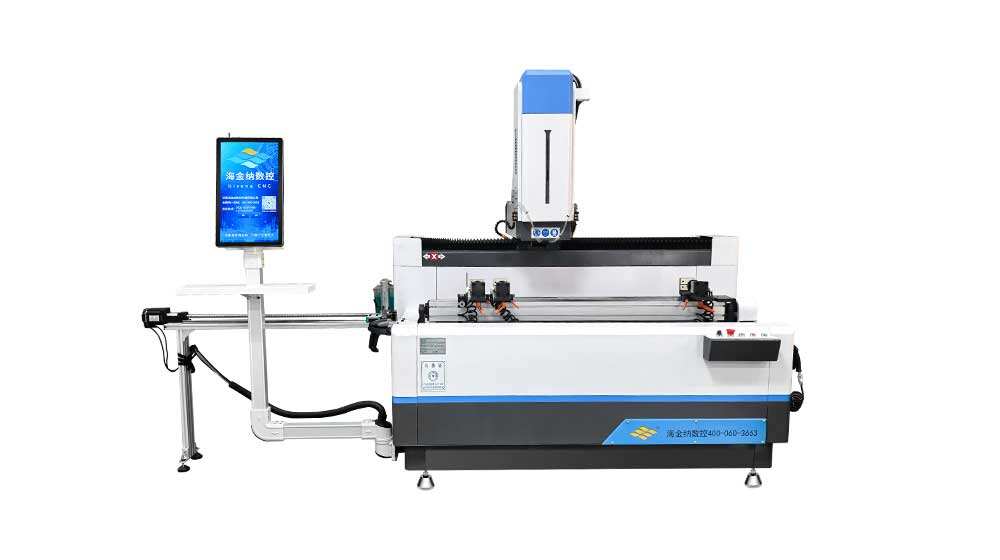
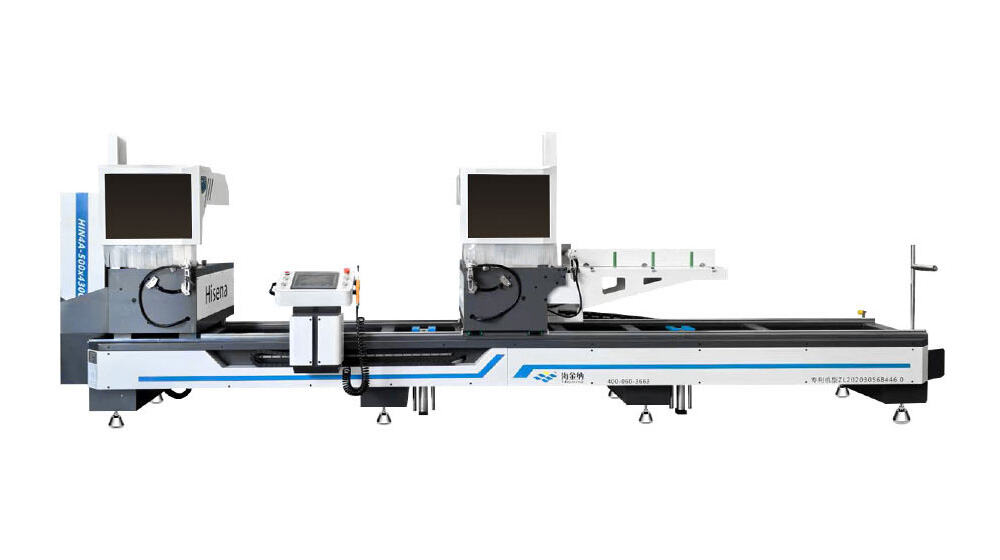
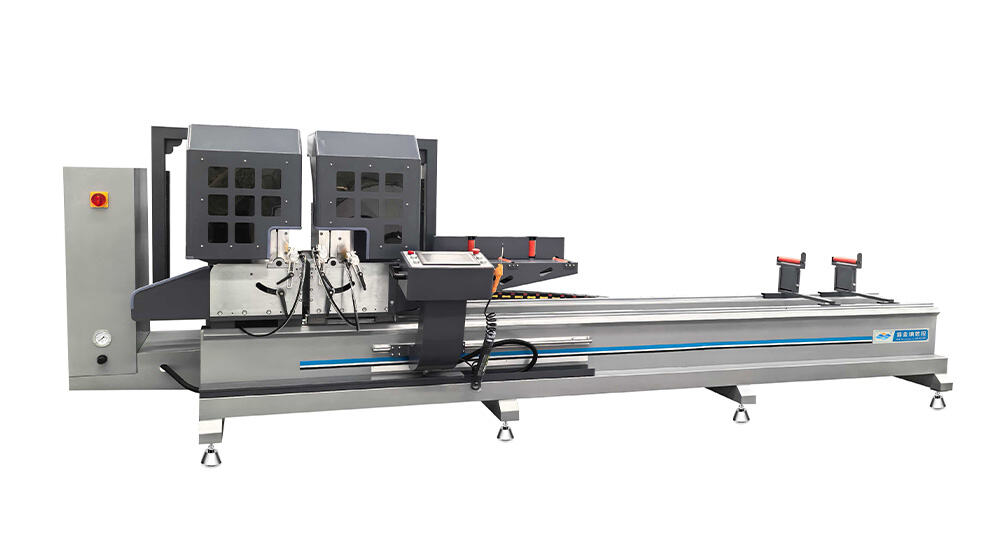
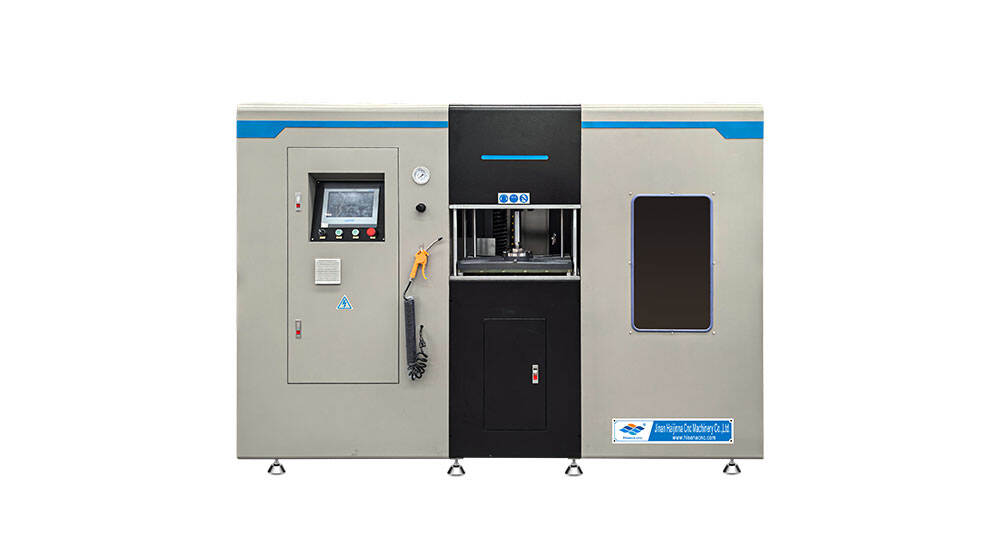
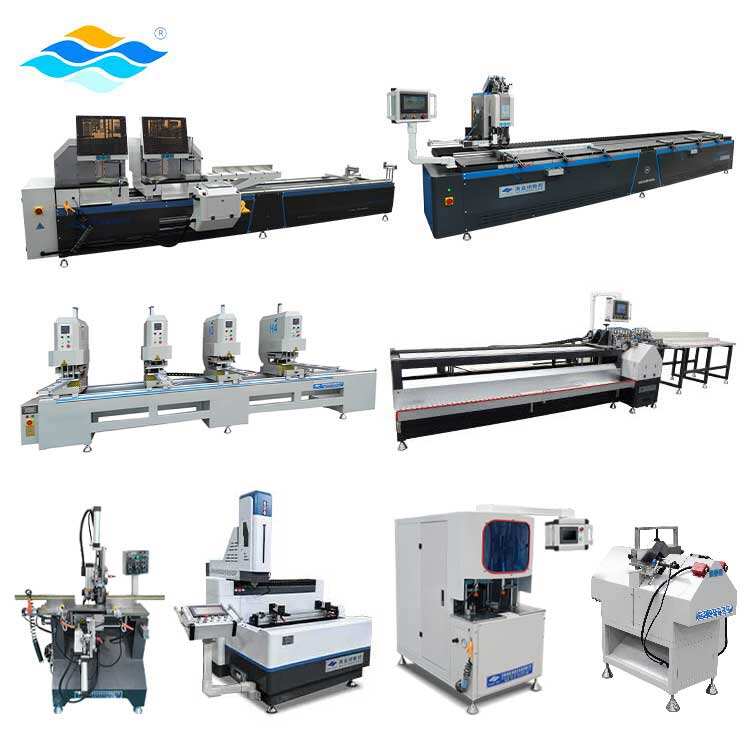
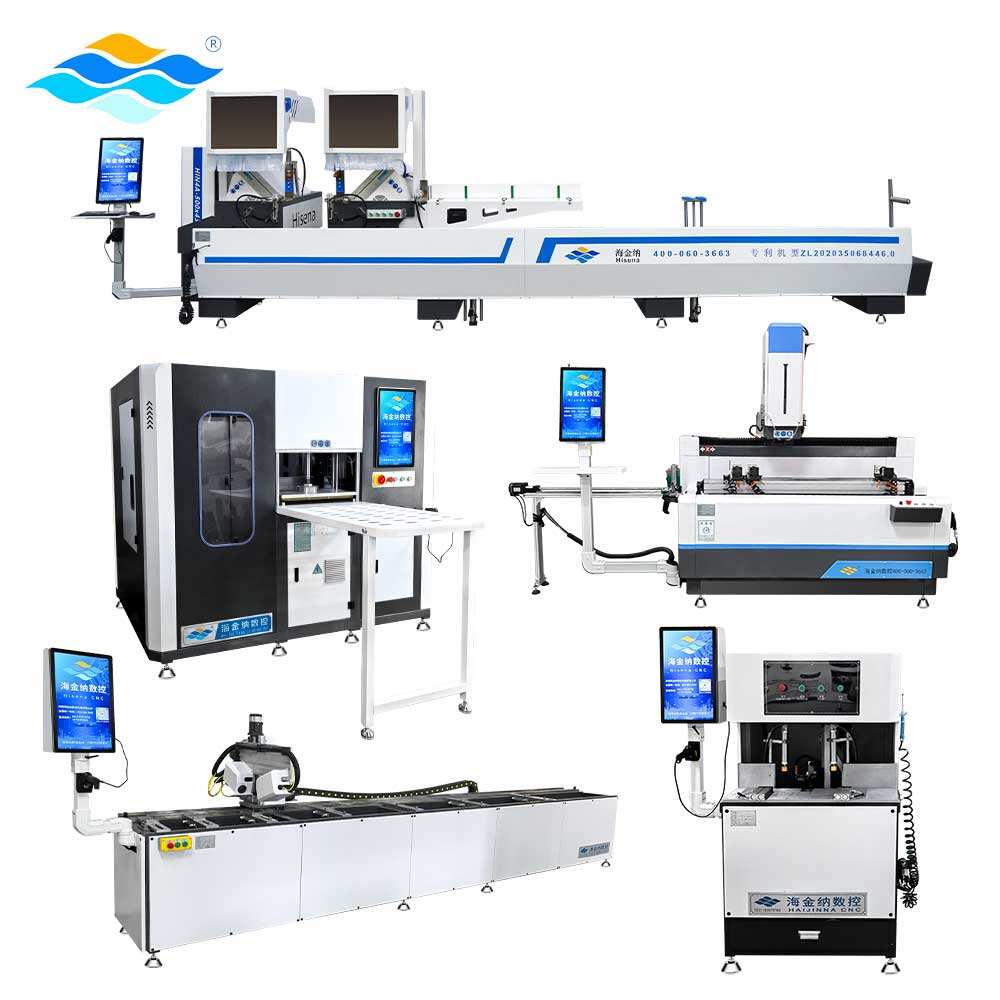
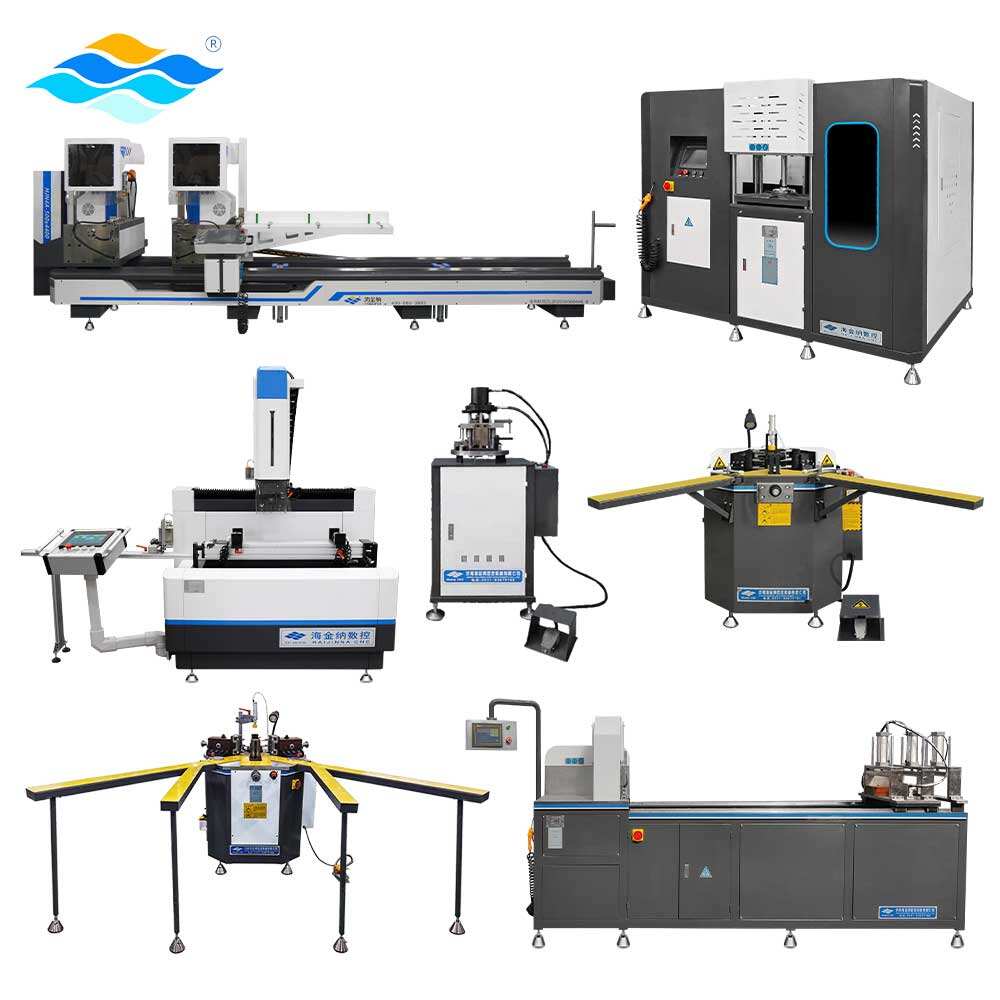
A window making production line represents a comprehensive manufacturing system designed to automate and streamline the entire process of window fabrication from raw materials to finished products. This integrated solution combines multiple specialized machines and equipment that work in harmony to produce high-quality windows efficiently and consistently. The window making production line typically includes cutting stations, welding machines, cleaning units, glazing equipment, and quality control systems that ensure every window meets exact specifications. Modern production lines incorporate advanced automation technology, programmable logic controllers, and precision sensors that monitor every stage of manufacturing. The main functions of a window making production line encompass profile cutting, corner joining, frame assembly, glass installation, hardware fitting, and final inspection. These systems can handle various window types including casement, sliding, awning, and fixed windows, accommodating different materials such as PVC, aluminum, and wood-aluminum composites. Technological features of contemporary window making production lines include computer-controlled positioning systems, automatic tool changers, servo-driven mechanisms, and integrated software platforms that manage production scheduling and quality assurance. The production line architecture allows manufacturers to customize configurations based on their specific production volumes, product ranges, and facility constraints. Applications span residential construction, commercial building projects, industrial facilities, and renovation markets where consistent quality and rapid turnaround times are essential. The window making production line delivers remarkable flexibility, enabling manufacturers to switch between different window designs and sizes with minimal downtime. This manufacturing approach significantly reduces labor requirements while simultaneously improving product consistency, dimensional accuracy, and overall quality standards. The integration of multiple production stages into a cohesive system eliminates material handling inefficiencies and reduces the risk of damage during inter-process transfers, resulting in superior finished products that meet stringent industry standards and customer expectations.
 ×
×

 EN
EN