Advanced Multi-Axis Capability Enabling Complex Geometries in Single Setups
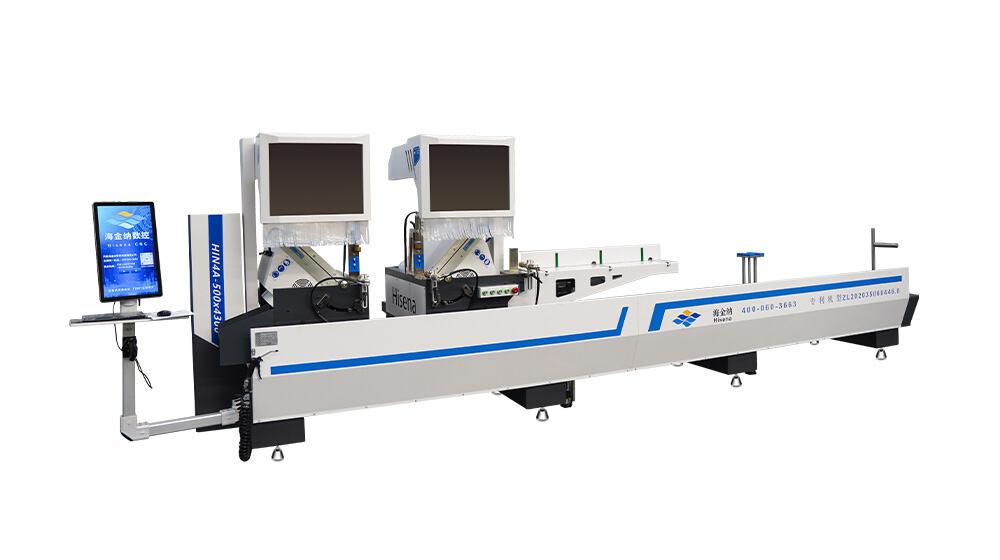
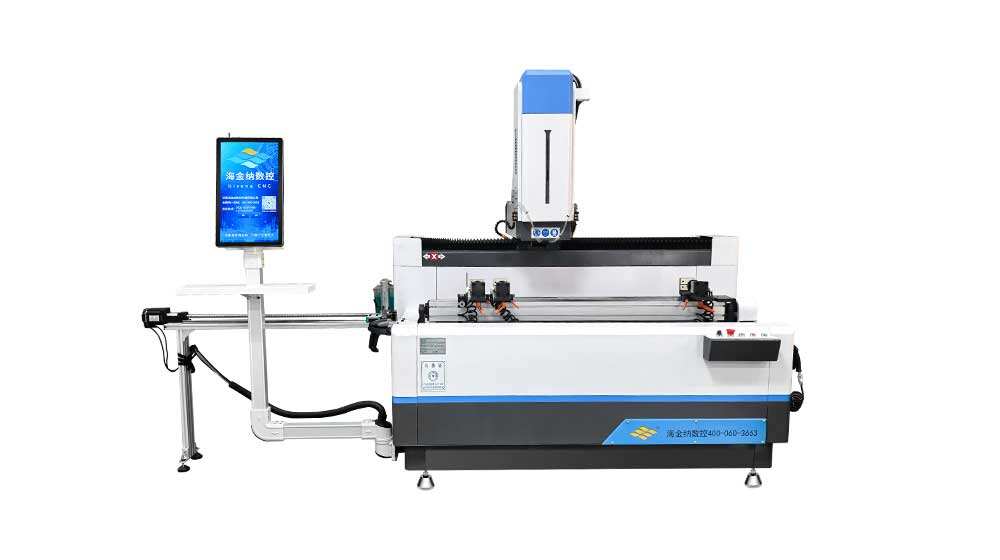
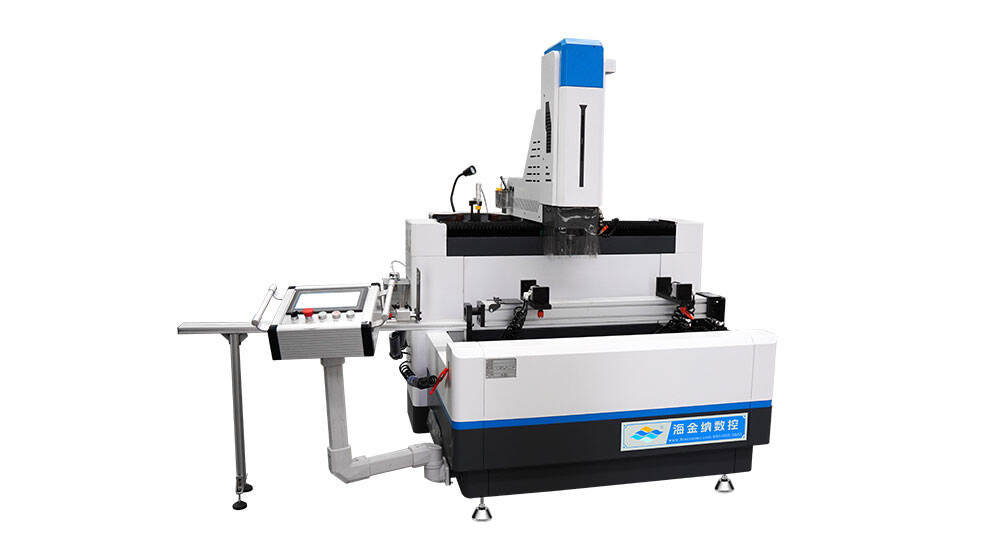
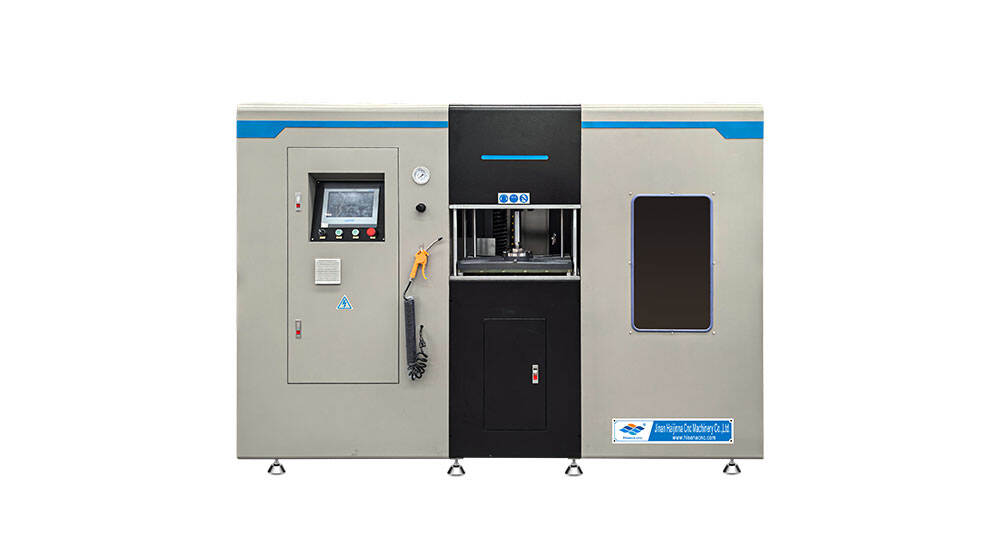
The sophisticated multi-axis functionality integrated into modern gantry type machining centers transforms complex manufacturing challenges into streamlined single-setup operations. While basic three-axis machines move the cutting tool in X, Y, and Z linear directions, advanced gantry systems incorporate rotary axes that tilt and rotate the spindle or workpiece, enabling five-axis simultaneous machining that accesses compound angles and intricate contours without repositioning. This capability proves invaluable when producing aerospace components with complex aerodynamic surfaces, turbine blades with twisted profiles, or molds featuring deep cavities with undercut features. The simultaneous multi-axis movement allows the cutting tool to maintain optimal angles relative to the workpiece surface throughout the operation, improving surface finish, extending tool life, and reducing cycle times compared to three-axis strategies that require numerous small linear moves to approximate curved surfaces. The interpolation algorithms within the CNC control system coordinate all axes in real-time, generating smooth toolpaths that eliminate the faceting and witness marks characteristic of three-axis machining on complex surfaces. For manufacturers, this technological sophistication translates into competitive advantages across multiple dimensions. First, the single-setup capability eliminates the accumulation of setup errors that occurs when transferring parts between machines or repositioning them multiple times on the same machine. Each time you handle a workpiece, you introduce potential for misalignment, and those small errors compound when features must relate to previously machined surfaces. By completing all operations in one setup, the gantry type machining center ensures all features maintain their designed relationships with minimal tolerance stack-up. Second, the reduced handling minimizes the risk of damage to partially completed parts, particularly important for expensive castings or forgings where scrapping a near-complete component represents substantial material and labor loss. Third, programming efficiency improves because CAM software can generate toolpaths for the complete part rather than dividing operations across multiple setups, reducing programming time and the opportunity for errors in setup coordination. The ability to machine five sides of a workpiece without repositioning proves particularly valuable for parts requiring features on multiple faces, common in valve bodies, manifolds, and housing components. The automatic tool changing system, typically accommodating forty to several hundred tools depending on machine configuration, supports the variety of cutting tools needed for diverse operations, from heavy roughing with large face mills to fine finishing with ball-end cutters, all executed sequentially without operator intervention. This automation extends your productive capacity, as the machine can run unattended during second shifts or overnight, maximizing equipment utilization and accelerating project completion timelines that keep your customers satisfied and your production schedule on track.
 ×
×



 EN
EN