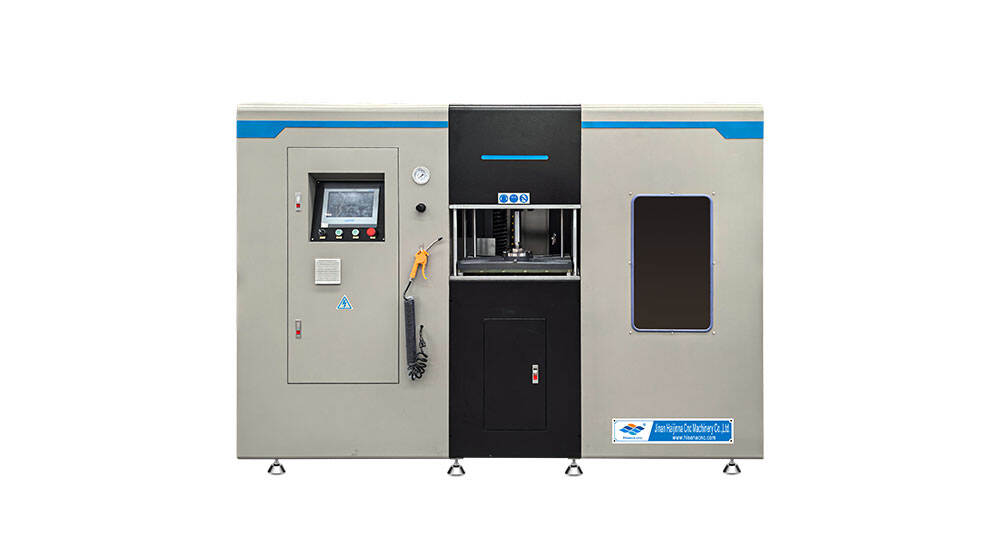
Gantry Machining Center: Precision Large-Scale Manufacturing Solutions for Modern Industry

Get a Free Quote

Our representative will contact you soon.
Name
Email
Telephone
Country
Company Name
Message
0/1000

gantry machining center

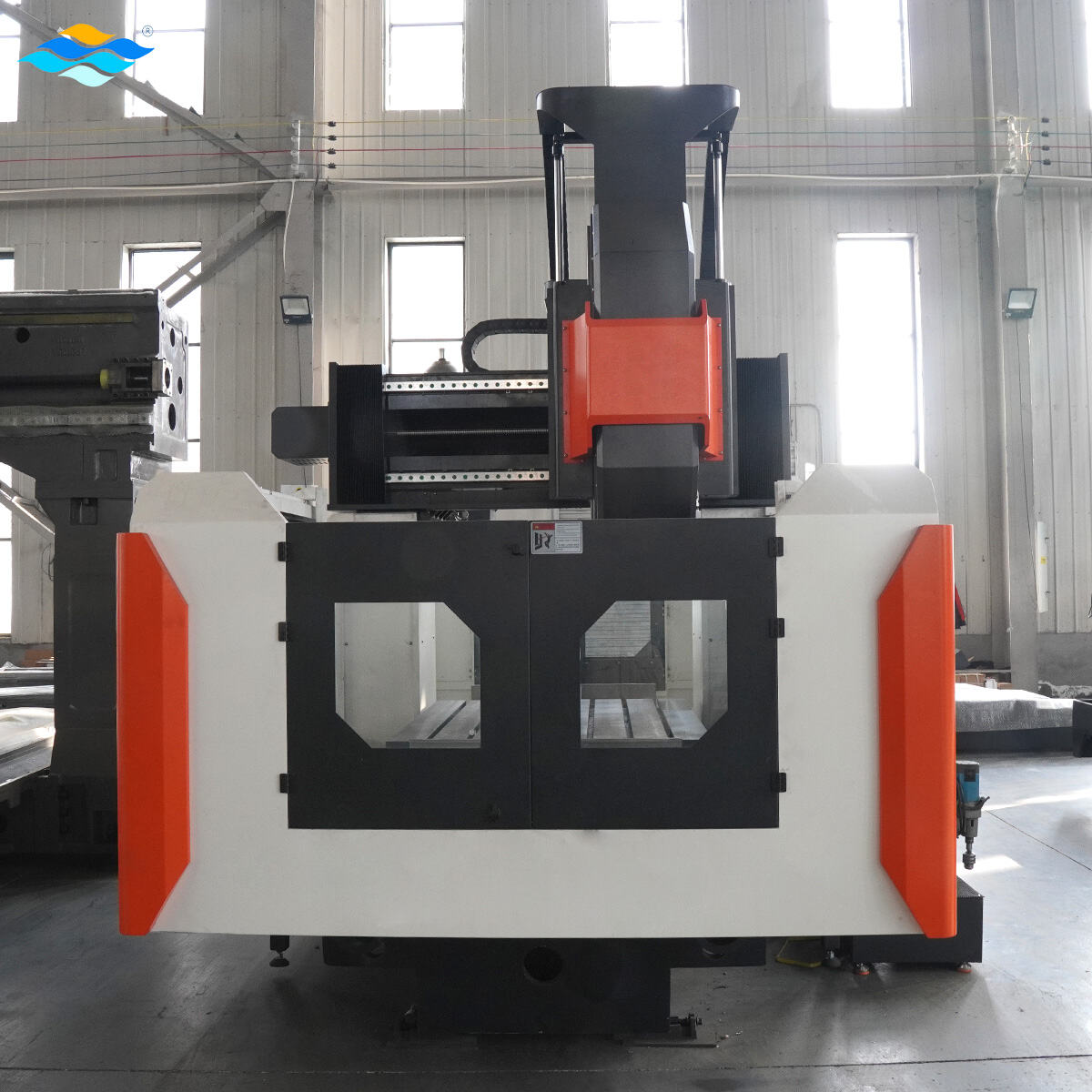
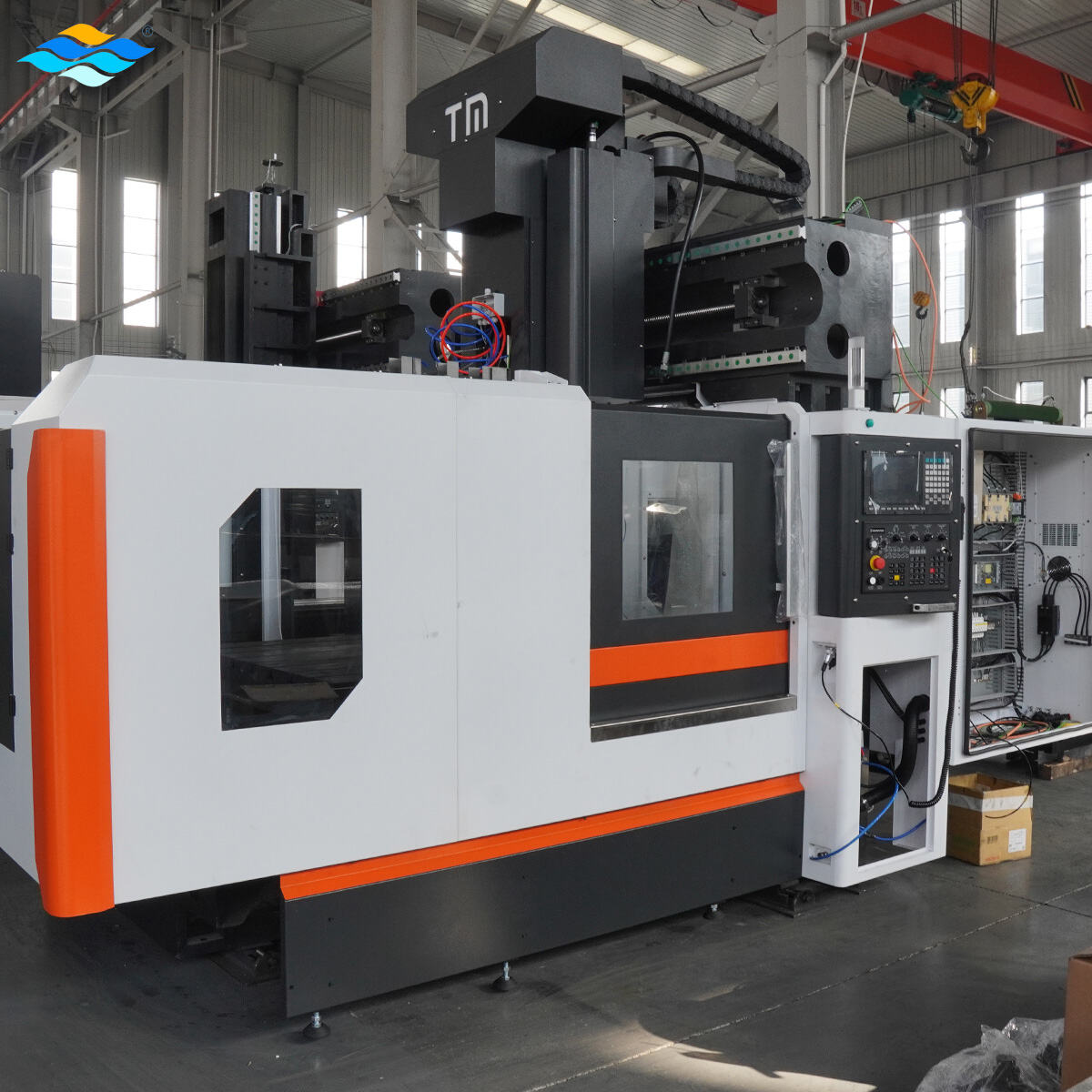
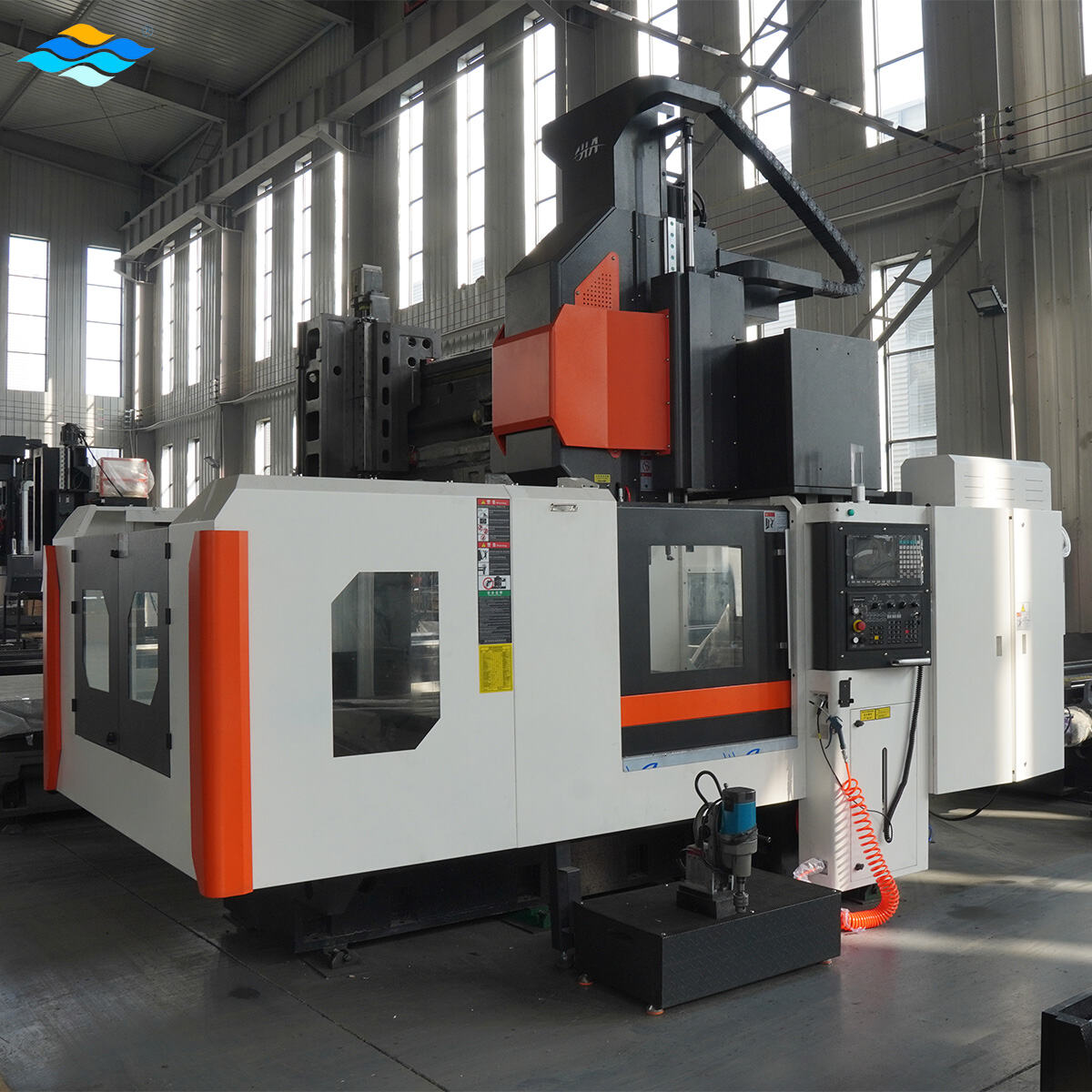
A gantry machining center represents a sophisticated piece of industrial equipment designed to handle large-scale manufacturing operations with exceptional precision and reliability. This robust machine features a distinctive overhead bridge structure, resembling a gantry crane, which supports the cutting tool and allows it to move across multiple axes while the workpiece remains stationary on the table below. The gantry machining center excels at processing oversized components that would be impractical or impossible to machine on conventional vertical or horizontal machining centers. Its main functions include milling, drilling, boring, tapping, and complex contouring operations on substantial workpieces made from various materials including metals, composites, and specialized alloys. The technological features of this equipment are impressive, incorporating advanced CNC control systems that enable simultaneous multi-axis movements, typically ranging from three to five axes or even more in specialized configurations. Modern units integrate automatic tool changers with magazines holding dozens of cutting tools, eliminating manual intervention and reducing downtime between operations. The rigid construction minimizes vibration and deflection during heavy cutting, ensuring dimensional accuracy even when removing large amounts of material. Temperature compensation systems maintain precision despite thermal variations, while advanced cooling systems manage heat generation during intensive machining cycles. Applications span numerous industries, with particular prominence in aerospace manufacturing where wing spars, fuselage sections, and engine components require machining from solid billets. The energy sector utilizes these machines for turbine components and generator housings, while the automotive industry employs them for engine blocks, transmission cases, and structural components. Shipbuilding, railway manufacturing, heavy equipment production, and mold making also rely heavily on gantry machining center capabilities. The machine's ability to accommodate workpieces weighing several tons and spanning many meters makes it indispensable for producing the large, complex parts that form the backbone of modern industrial infrastructure and advanced technological systems.

New Products

Investing in a gantry machining center delivers substantial practical benefits that directly impact your manufacturing efficiency and profitability. The most immediate advantage is the ability to machine extraordinarily large parts in a single setup, eliminating the need to reposition workpieces multiple times. This capability saves considerable time and dramatically improves accuracy since each repositioning introduces potential errors that compound throughout the manufacturing process. You will notice productivity gains as the machine works continuously through complex operations without interruption, thanks to generous tool magazine capacities that accommodate entire machining sequences. The rigid frame construction means you can apply aggressive cutting parameters without worrying about part quality deterioration, allowing faster material removal rates compared to lighter machines. This translates directly into shorter cycle times and the ability to accept more orders within the same production schedule. Your operators will appreciate the improved working conditions, as the machine handles the heavy lifting while they focus on programming and quality verification from safe, ergonomic workstations. The precision capabilities ensure that finished parts meet tight tolerances consistently, reducing rejection rates and the costly rework that eats into profit margins. You gain remarkable flexibility since one gantry machining center can replace multiple smaller machines, freeing up valuable floor space and reducing the capital tied up in equipment. Energy efficiency has improved significantly in modern designs, with optimized drive systems and intelligent power management reducing operational costs compared to running several separate machines. Maintenance becomes more straightforward with centralized systems and diagnostic capabilities that predict issues before they cause unexpected downtime. The versatility to handle diverse materials and part geometries means you can respond quickly to changing market demands without investing in specialized equipment for each application. Your competitive position strengthens as you can bid on projects requiring large part machining that competitors without this capability must decline. The quality consistency provided by computer control eliminates the variability inherent in manual operations, building your reputation for reliability among customers. Integration with modern manufacturing software enables lights-out operation during off-shifts, essentially giving you additional production hours without proportional labor cost increases. The return on investment becomes evident as you consolidate operations, reduce scrap, accelerate delivery times, and capture business opportunities previously beyond your manufacturing capabilities.

Tips And Tricks

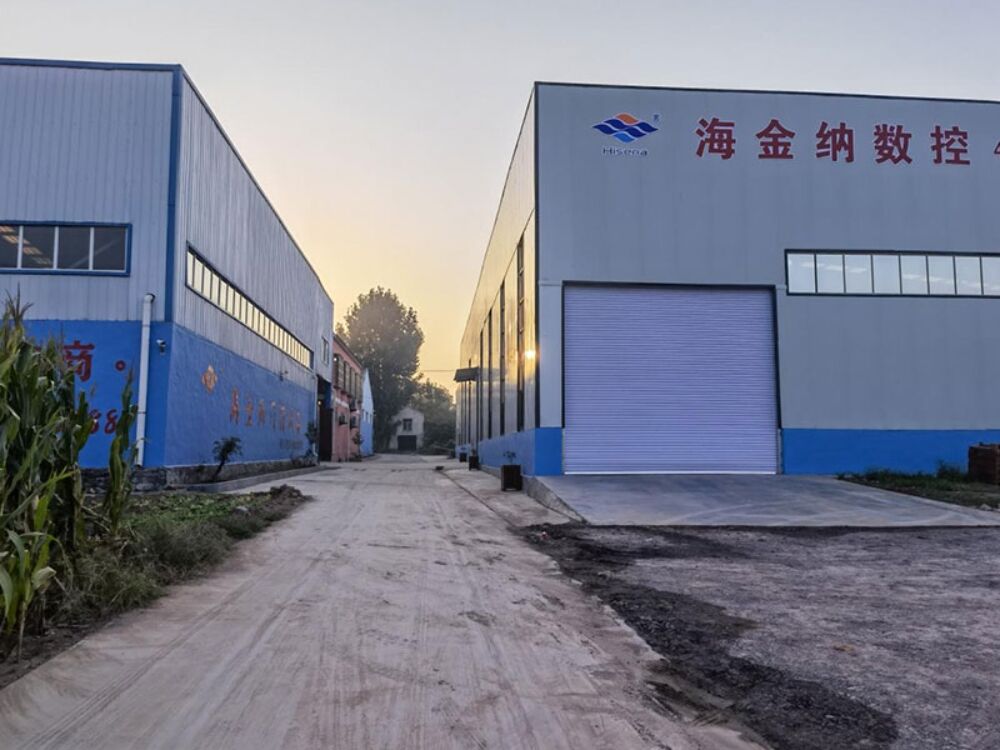
Hisena Moves to a New Factory!

30

Apr

Hisena Moves to a New Factory!

View More
Hisena 2019 Annual Meeting Celebrates Outstanding Employees and Teams with Awards, Games, and Lucky Draws

30

Apr

Hisena 2019 Annual Meeting Celebrates Outstanding Employees and Teams with Awards, Games, and Lucky Draws

View More
Indian customers came and visited Hisena factory

30

Apr

Indian customers came and visited Hisena factory

View More
Hisena launched

30

Apr

Hisena launched "CNC 3-axis end milling upgraded version"

View More

Get a Free Quote

Our representative will contact you soon.
Name
Email
Telephone
Country
Company Name
Message
0/1000

gantry machining center

Exceptional Capacity for Oversized Component Manufacturing

Exceptional Capacity for Oversized Component Manufacturing

The defining characteristic that sets a gantry machining center apart from conventional equipment is its remarkable capacity to accommodate and process components of extraordinary dimensions and weight. Unlike standard vertical or horizontal machining centers with limited work envelopes, this machine type features expansive table surfaces that can support workpieces measuring several meters in length and width, with weight capacities often exceeding ten tons or more in industrial-grade configurations. This exceptional capacity solves a critical challenge faced by manufacturers working with large structural components, aerospace assemblies, energy industry parts, and similar applications where size constraints would otherwise necessitate assembling multiple smaller pieces. The overhead gantry structure provides unrestricted access to the entire work surface, allowing the cutting tool to reach any point on even the largest workpieces without interference or limitations. This design philosophy means you can machine complete assemblies in single setups, maintaining perfect alignment between features that would otherwise require careful fixturing and measurement if produced separately. The rigidity of the bridge construction, despite spanning considerable distances, ensures that machining accuracy remains consistent whether cutting at the center of the table or at the extreme edges of the work envelope. Heavy-duty linear guides and precision ball screws maintain positioning accuracy measured in microns, even when moving the substantial mass of the gantry structure at programmed feed rates. The generous capacity extends beyond just physical dimensions to include practical considerations like chip evacuation systems designed to handle the large volumes of material removed when machining substantial components, and coolant delivery systems with sufficient flow rates to manage heat generation across extended cutting zones. Manufacturers who previously outsourced large part machining or invested in custom fixtures to split components across smaller machines discover newfound autonomy and efficiency. The ability to produce oversized parts in-house accelerates project timelines by eliminating shipping delays and communication challenges with external suppliers, while also protecting proprietary designs and manufacturing knowledge. Industries demanding one-piece construction for structural integrity, such as aerospace wing components or pressure vessel bodies, find this capability absolutely essential rather than merely convenient.
Superior Precision Through Advanced Structural Design

Superior Precision Through Advanced Structural Design

Precision represents the cornerstone of quality manufacturing, and the gantry machining center achieves exceptional accuracy through sophisticated structural engineering and advanced technological integration. The symmetrical bridge design inherently provides superior rigidity compared to cantilever or column configurations, distributing cutting forces evenly across the framework and minimizing deflection that would otherwise compromise dimensional accuracy. Finite element analysis during the design phase optimizes material placement, concentrating mass where it provides maximum stiffness while minimizing weight that would slow acceleration and deceleration cycles. The result is a machine structure that maintains its geometric relationships under varying loads, temperatures, and cutting conditions. Modern units incorporate thermal stability features including temperature-controlled environments for critical components, compensation algorithms that adjust for predictable thermal expansion, and structural designs that promote symmetrical heat distribution to prevent distortion. Linear motion systems utilize preloaded roller guides or hydrostatic bearings that eliminate play while providing smooth, friction-free movement across the entire travel range. High-resolution encoders on each axis provide position feedback with sub-micron resolution, enabling closed-loop control that constantly verifies and corrects position against commanded values. The CNC system processes this feedback thousands of times per second, making minute adjustments that keep the cutting tool precisely on the programmed path despite variations in material hardness, cutting forces, or external vibrations. Vibration damping systems, either passive through structural design or active through electronically controlled actuators, suppress resonances that could otherwise create chatter marks or dimensional variations on finished surfaces. The machine's ability to maintain positioning accuracy across travels spanning many meters represents a remarkable engineering achievement, as even minute angular errors would compound into significant linear deviations over such distances. Manufacturers benefit from this precision through reduced inspection time, as parts consistently meet specifications without constant measurement and adjustment. Complex contours, intricate pocketing, and tight-tolerance bore relationships all become reliably achievable, expanding the range of components you can successfully produce. The precision capabilities also extend product lifespan by ensuring proper fit between mating components, reducing wear and preventing premature failures in assembled products.
Operational Efficiency Through Intelligent Automation

Operational Efficiency Through Intelligent Automation

Modern gantry machining center designs incorporate comprehensive automation features that transform manufacturing operations from labor-intensive processes into efficient, largely autonomous production systems. Automatic tool changing systems represent the most visible automation element, with magazines holding forty, sixty, or even more cutting tools that the machine selects and exchanges without operator intervention according to programmed sequences. This capability enables complete machining of complex parts requiring dozens of different operations, from roughing with large end mills through finishing with specialized form cutters, all executed in a single uninterrupted cycle. Tool management software tracks usage history, monitors wear patterns, and can automatically substitute backup tools when sensor systems detect excessive wear or breakage, preventing scrapped parts from undetected tool failures. Probing systems integrated into the machining center verify workpiece location and orientation before cutting begins, automatically adjusting program coordinates to compensate for fixture variations or material positioning differences. In-process probing can verify critical dimensions during machining, providing real-time quality assurance and enabling the control system to make offset adjustments that ensure final dimensions meet specifications. Automated workpiece handling systems, including pallet changers or robotic loading, enable truly continuous operation where one component is machined while operators prepare the next, with automatic exchange occurring in seconds without machine idle time. The intelligence embedded in contemporary CNC controls extends beyond simple motion control to encompass adaptive strategies that optimize cutting conditions in real-time based on power consumption, vibration signatures, and acoustic emissions that indicate how effectively the tool is cutting. These systems can automatically adjust feed rates and spindle speeds within programmed limits to maintain optimal conditions as material properties vary or tool sharpness gradually diminishes. Predictive maintenance capabilities analyze operational data to forecast when components like bearings, ball screws, or electrical elements will require service, scheduling maintenance during planned downtime rather than experiencing unexpected failures during production runs. Remote monitoring enables production managers to track machine status, cycle progress, and performance metrics from anywhere with internet connectivity, receiving alerts about completion, issues requiring attention, or opportunities to optimize programming. The cumulative effect of these automation features transforms the operator's role from machine tender to manufacturing coordinator, overseeing multiple systems and focusing on continuous improvement rather than repetitive manual tasks.
Get a Free Quote

Our representative will contact you soon.
Name
Email
Telephone
Country
Company Name
Message
0/1000