CNC Profile Punching Machine - Precision Automated Profile Processing Solutions

Get a Free Quote

Our representative will contact you soon.
Name
Email
Telephone
Country
Company Name
Message
0/1000

cnc profile punching machine

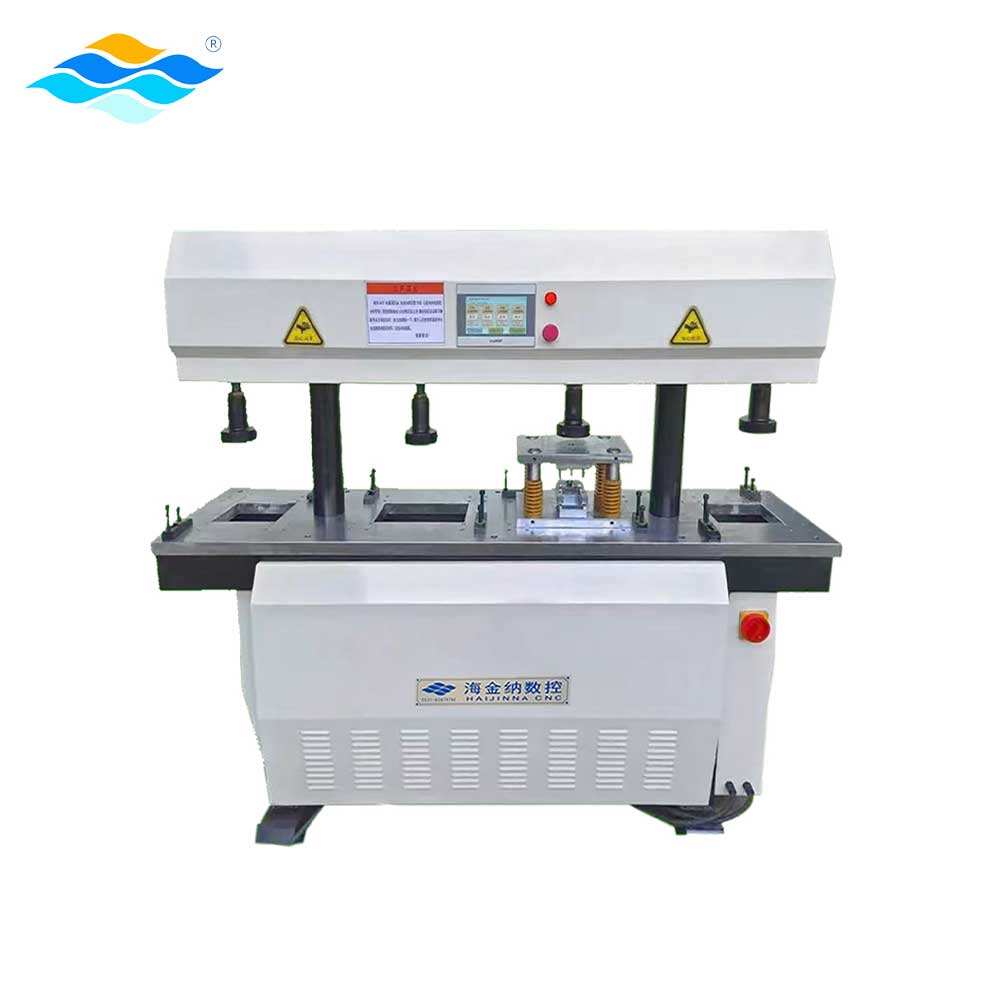
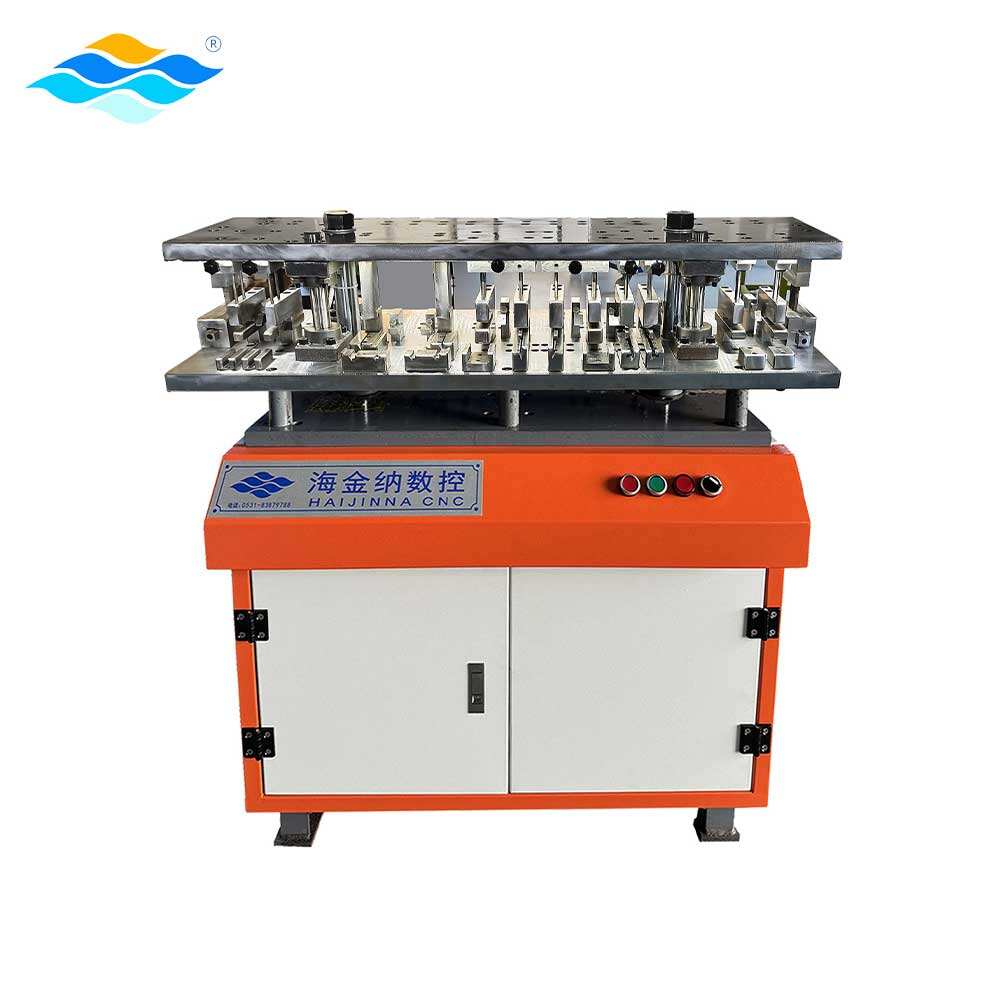
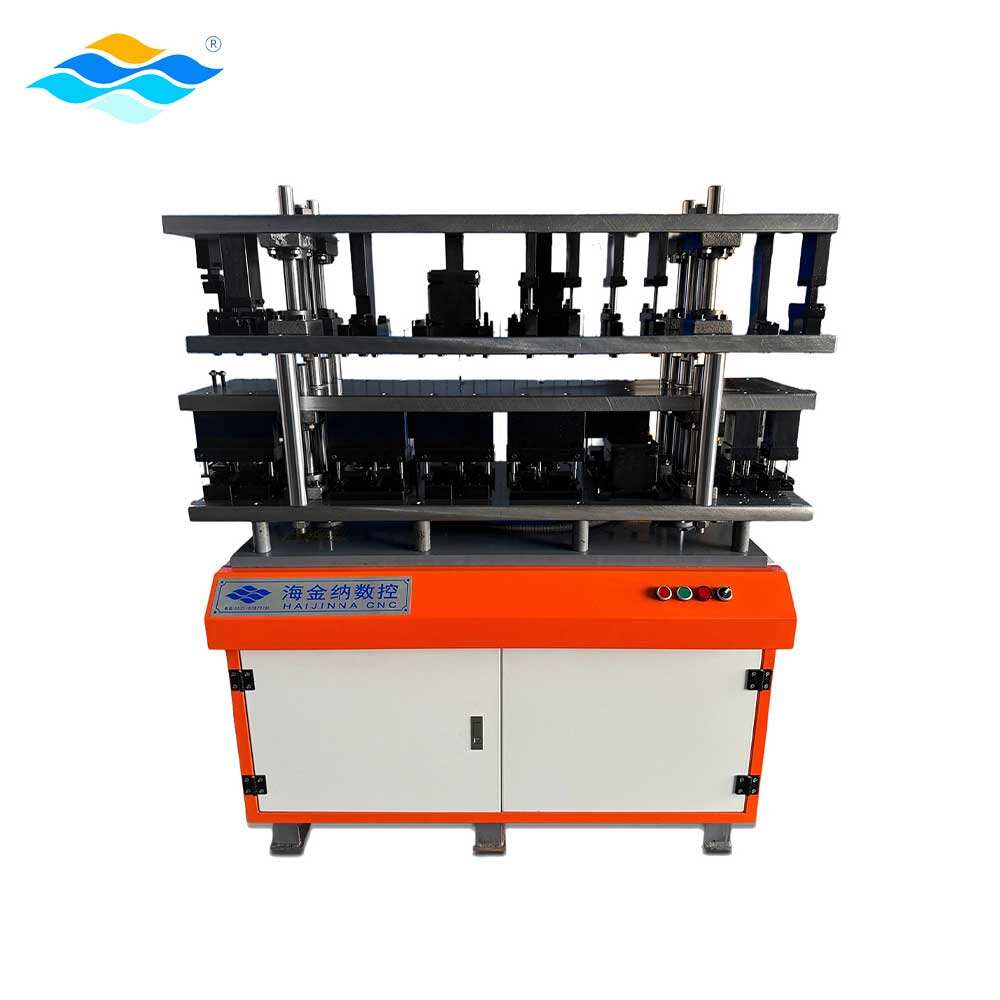
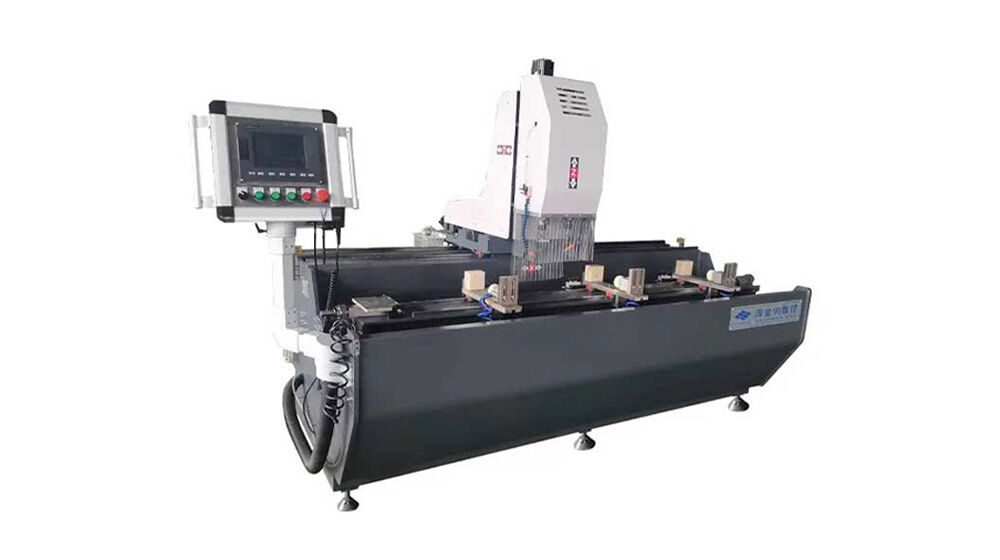
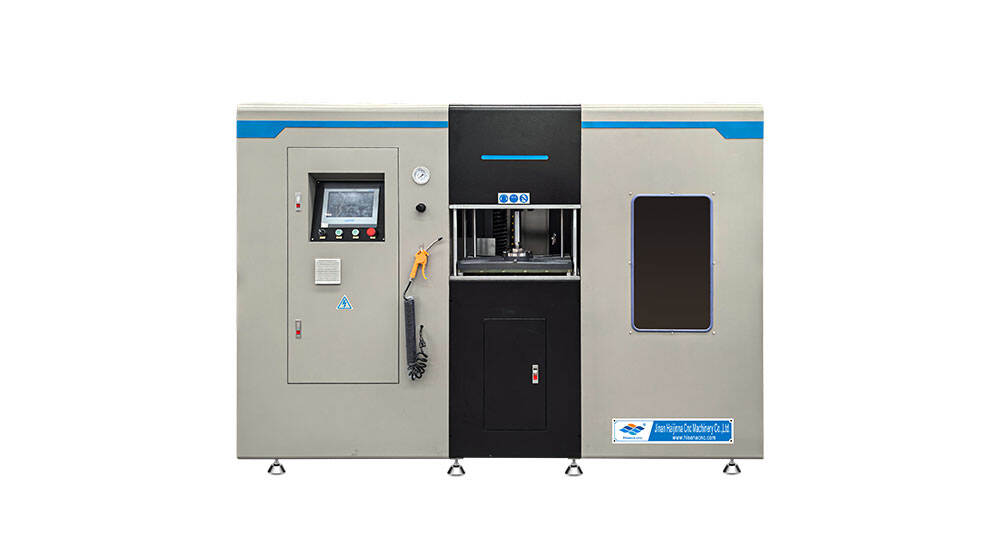
A cnc profile punching machine represents a sophisticated manufacturing solution designed to deliver precise punching operations on various profile materials including steel channels, angle irons, flat bars, and custom-shaped sections. This automated equipment combines computer numerical control technology with robust mechanical systems to create holes, slots, and cutouts with exceptional accuracy and repeatability. The machine operates through a programmed sequence that positions the workpiece and activates the punching mechanism to create specific patterns according to design specifications. Modern cnc profile punching machine units feature advanced servo-driven systems that control both the punching force and the material positioning, ensuring clean cuts without material deformation. The technological architecture includes a user-friendly control interface where operators input dimensions, hole patterns, and processing sequences. The machine automatically calculates optimal tool paths and executes the entire punching operation with minimal human intervention. Primary functions encompass single-hole punching, pattern drilling, notching, and marking operations across multiple profile types simultaneously. The equipment accommodates various material thicknesses and hardness levels through adjustable tonnage settings and interchangeable tooling systems. Key technological features include automatic tool selection from integrated tool magazines, real-time monitoring systems that detect material positioning errors, and safety mechanisms that prevent operation when conditions are unsafe. The cnc profile punching machine incorporates precision linear guides and ball screws for smooth material feeding, while heavy-duty frames absorb vibration during high-speed punching cycles. Applications span structural steel fabrication, construction framework production, automotive chassis manufacturing, railway car assembly, shipbuilding components, telecommunications tower fabrication, and agricultural equipment construction. Industries rely on this technology to process large volumes of profiled materials efficiently while maintaining tight tolerances required for bolt-hole alignments and connection points in assembled structures.
New Product Recommendations

Investing in a cnc profile punching machine delivers substantial productivity improvements that directly impact your bottom line through faster processing speeds and reduced labor requirements. Traditional manual marking and drilling methods consume considerable time and introduce human error, whereas automated punching completes complex hole patterns in seconds with perfect consistency across thousands of pieces. Your production floor gains flexibility because operators can quickly switch between different profile types and hole configurations simply by loading new programs rather than reconfiguring mechanical setups that waste valuable production hours. The precision offered by computer control eliminates the cumulative errors that plague manual operations, ensuring every punched hole aligns perfectly with assembly requirements and reducing costly rework or scrap materials. Material handling becomes significantly safer as workers no longer manually position heavy steel profiles under drill presses or struggle with cumbersome marking procedures that risk injury. The machine handles positioning automatically while operators monitor the process from a safe distance. Cost savings accumulate through multiple channels including reduced tool wear from optimized punching sequences, lower energy consumption compared to thermal cutting methods, and decreased material waste from accurate first-time processing. Your workshop maintains cleaner conditions because punching generates minimal dust and no hazardous fumes unlike plasma or flame cutting alternatives. The cnc profile punching machine adapts easily to custom projects and prototype work since programming new patterns requires only software input rather than fabricating jigs or fixtures. This adaptability means you can accept diverse orders without significant setup investments. Production scheduling becomes more predictable because automated processing times remain consistent, allowing accurate delivery commitments to customers. Quality control improves dramatically as computer-guided operations eliminate variations caused by operator fatigue or skill differences between shifts. Each punched profile meets identical specifications regardless of production volume or time of day. The technology also creates valuable production data, tracking cycle times, tool usage, and processing parameters that help identify efficiency improvements and maintenance needs before breakdowns occur. Training new operators becomes straightforward since the intuitive control interfaces require less specialized knowledge than manual machining skills, reducing your dependency on highly experienced personnel. Long-term reliability means the equipment continues delivering value for years with routine maintenance, providing a strong return on investment through sustained high-volume production capabilities that grow your business capacity without proportional increases in labor costs.

Practical Tips

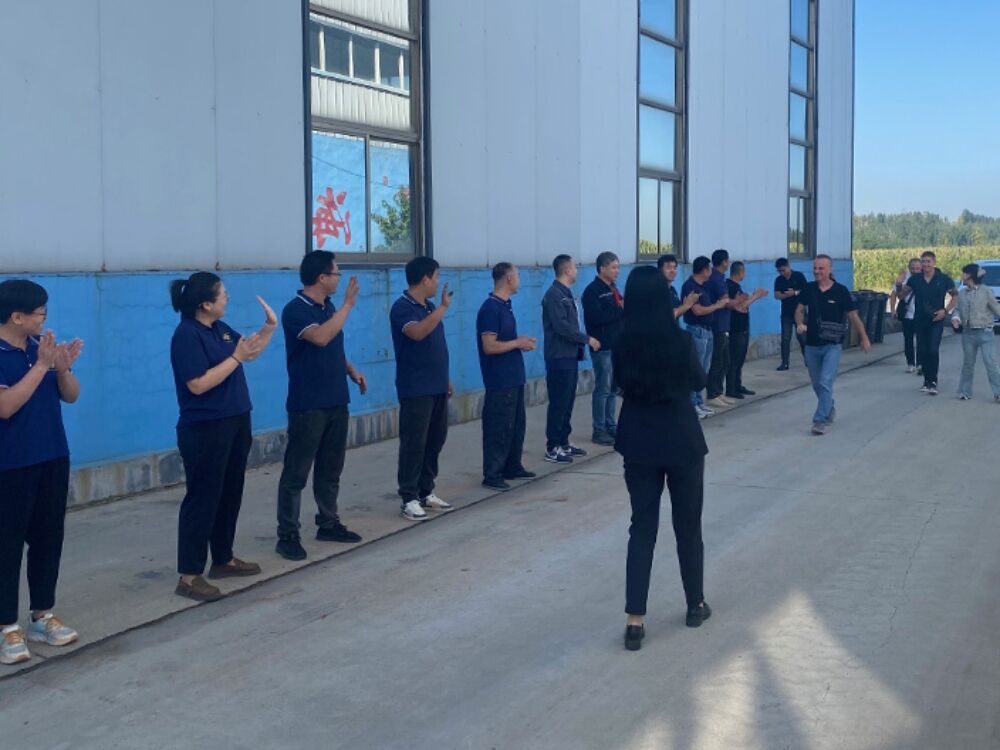
Foreign Clients Drop by HISENA Factory for Hands-On Equipment Training & Tech Chat

30

Apr

Foreign Clients Drop by HISENA Factory for Hands-On Equipment Training & Tech Chat

View More
Turkish Clients Visit Hisena: Business Talks & Equipment Orders in Winter!

14

May

Turkish Clients Visit Hisena: Business Talks & Equipment Orders in Winter!

View More
Hisena Debuts

30

Apr

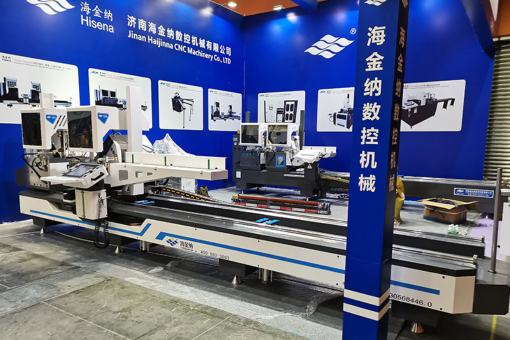
Hisena Debuts "CNC High Precision Saw with Upgraded Wireless Transmission" at Guangdong Exhibition

View More
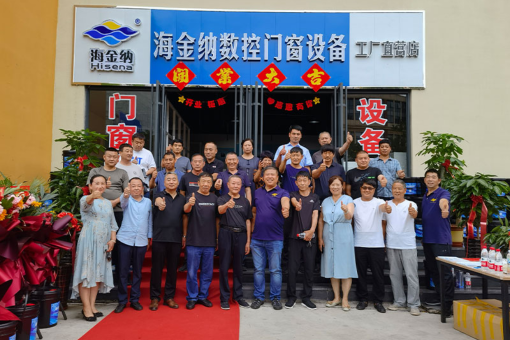
Hisena Opens Direct Store in Chengde City, Hebei Province to Better Serve Customers

30

Apr

Hisena Opens Direct Store in Chengde City, Hebei Province to Better Serve Customers

View More

Get a Free Quote

Our representative will contact you soon.
Name
Email
Telephone
Country
Company Name
Message
0/1000

cnc profile punching machine

Advanced Servo-Driven Positioning System for Unmatched Accuracy

Advanced Servo-Driven Positioning System for Unmatched Accuracy

The servo-driven positioning system integrated within a cnc profile punching machine represents a breakthrough in manufacturing precision that transforms how fabricators approach profile processing tasks. Unlike conventional hydraulic or pneumatic systems that suffer from drift and inconsistent response, servo motors provide exact positional control measured in hundredths of millimeters, ensuring each punching operation occurs at precisely the programmed coordinates. This positioning accuracy becomes critical when fabricating structural components that must align perfectly during assembly, where even minor deviations create alignment headaches and require time-consuming field adjustments. The servo system controls both the longitudinal feeding of profiles through the machine and the lateral positioning for multi-axis punching operations, coordinating movements with split-second timing that maximizes throughput without sacrificing quality. Encoders continuously monitor actual positions and compare them against programmed values, automatically compensating for any detected variances before they affect the finished product. This closed-loop feedback mechanism maintains accuracy even as components experience normal wear over extended production runs. The responsiveness of servo technology enables the cnc profile punching machine to execute complex punching patterns that combine different hole sizes and shapes within the same profile section, completing intricate designs that would require multiple manual operations and setup changes using traditional methods. Acceleration and deceleration profiles are optimized through software to minimize vibration and material stress during rapid positioning movements, protecting both the workpiece and the machine structure from damaging forces. Operators benefit from programmable positioning speeds that can be adjusted based on material characteristics, running delicate thin-walled profiles at conservative speeds while maximizing throughput on heavy structural sections. The precision positioning also enables advanced features like automatic edge detection where sensors locate the profile boundaries and adjust the punching program to accommodate variations in material dimensions, eliminating scrap from misaligned operations. Energy efficiency represents another advantage as servo motors consume power only during active movements and positioning corrections, unlike constantly running hydraulic pumps that waste energy even during idle periods. Maintenance requirements decrease substantially because servo systems contain fewer wear components than hydraulic alternatives, with no seals to leak or fluids to change, reducing both downtime and operating costs over the machine's service life.
Intelligent Tool Management System Maximizing Operational Efficiency

Intelligent Tool Management System Maximizing Operational Efficiency

Modern cnc profile punching machine models incorporate intelligent tool management systems that revolutionize how fabricators approach multi-process operations and tool optimization. This sophisticated technology automatically selects appropriate punching tools from an integrated magazine containing multiple die sets, eliminating manual tool changes that interrupt production flow and consume valuable processing time. The system tracks each tool's usage history, monitoring the number of strikes performed and calculating remaining service life based on material types and thicknesses processed. Predictive maintenance alerts notify operators when tools approach their optimal replacement point, preventing unexpected failures during production runs that could damage workpieces or cause machine downtime. The tool magazine arrangement allows strategic organization of frequently used dies in positions that minimize tool change time, with the control system optimizing the punching sequence to group operations requiring the same tool before switching to different dies. This intelligent sequencing reduces non-productive tool changing cycles and increases the percentage of time spent actually processing materials. Each tool position in the magazine can be configured with specific parameters including maximum tonnage limits, recommended material applications, and dimensional specifications that the control system references when generating punching programs. Safety interlocks prevent tool selection errors that might exceed force ratings or attempt operations with inappropriate die geometries. The cnc profile punching machine control interface displays visual representations of the current tool magazine configuration, helping operators quickly verify that required tooling is loaded before starting production batches. Tool identification systems using RFID technology or mechanical coding ensure the correct dies are installed in designated magazine positions, eliminating costly mistakes from manual tool setup procedures. Advanced systems even accommodate quick-change tool holders that allow rapid reconfiguration of the magazine for different production requirements without extensive downtime. The tool management database stores comprehensive information about each die set including purchase dates, reconditioning history, and performance characteristics across different material applications. This data enables informed decisions about tool investments and replacement strategies that optimize cost-effectiveness. Operators can also program custom tool paths that account for specific die characteristics such as minimum edge distances or spacing requirements between adjacent holes, ensuring punched features maintain structural integrity and meet engineering specifications without manual calculations or trial-and-error adjustments during setup procedures.
Robust Construction Design Ensuring Long-Term Reliability

Robust Construction Design Ensuring Long-Term Reliability

The structural foundation of a cnc profile punching machine incorporates engineering principles specifically developed to withstand the extreme forces and continuous operational demands of high-volume metal fabrication environments. Heavy-duty cast iron or welded steel frames form the machine base, providing mass and rigidity that absorb punching impacts and prevent deflection that would compromise hole positioning accuracy over time. Frame designs undergo finite element analysis during development to identify stress concentration points and optimize material distribution, ensuring structural integrity while minimizing unnecessary weight that increases foundation requirements and installation costs. Precision-ground linear guide rails support the material feeding systems, maintaining smooth movement even after millions of operational cycles while resisting the lateral forces generated during off-center punching operations. These guides receive protection from metal chips and coolant through accordion-style covers and scrapers that extend component life in harsh production environments. The punching mechanism itself utilizes oversized bearings and hardened steel components rated for forces exceeding normal operational requirements, providing safety margins that prevent premature wear and catastrophic failures. Hydraulic or mechanical punching systems are designed with force multiplication principles that deliver the necessary tonnage for thick materials while maintaining compact dimensions and reasonable power consumption. The cnc profile punching machine incorporates vibration damping systems including isolated mounting points and composite frame elements that minimize noise transmission to surrounding work areas, creating more comfortable conditions for operators and neighboring equipment. Thermal management systems regulate operating temperatures through strategic ventilation and optional cooling circuits for hydraulic components, preventing performance degradation during extended production runs in warm environments. Electrical enclosures receive industrial ratings protecting control components from dust, moisture, and temperature extremes common in fabrication shops. Cable management systems route power and signal wires through protected channels that prevent damage from moving components or accidental contact during maintenance activities. Access panels and maintenance points are strategically located to facilitate routine service procedures including lubrication, adjustment, and component replacement without requiring extensive disassembly or specialized tools. The robust construction philosophy extends to workpiece support systems including adjustable tables and roller conveyors that accommodate various profile dimensions while maintaining stable positioning during punching operations. These support structures prevent material sagging or twisting that could introduce positioning errors or create unsafe conditions. Quality manufacturing standards ensure consistent assembly tolerances and component specifications across production runs, providing predictable performance characteristics and simplified spare parts management for operators maintaining multiple machines across different facilities or production lines.

Get a Free Quote

Our representative will contact you soon.
Name
Email
Telephone
Country
Company Name
Message
0/1000