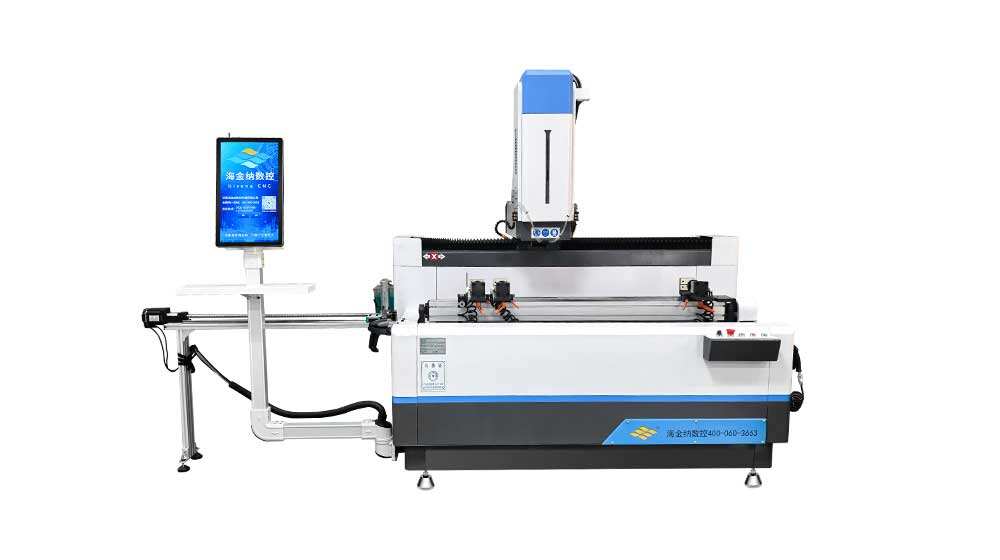
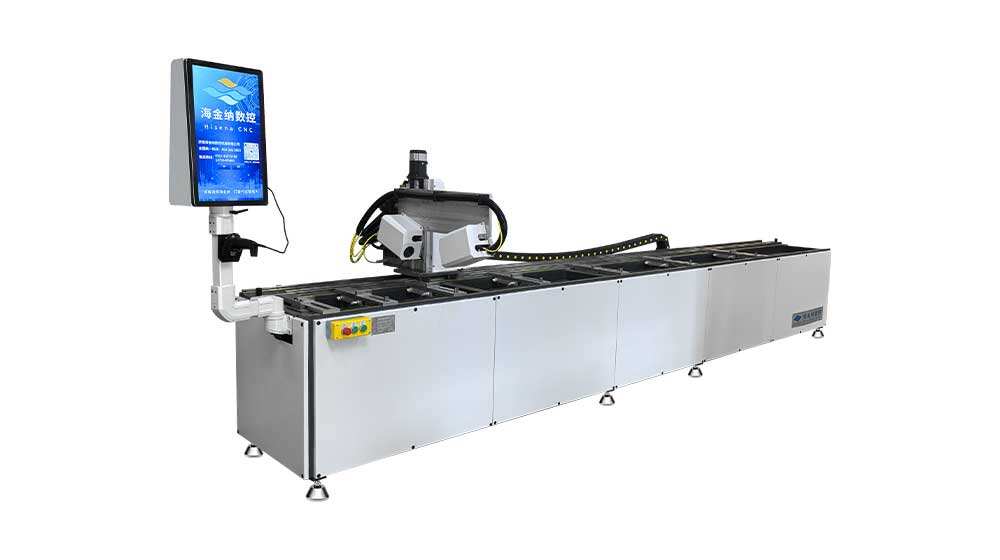
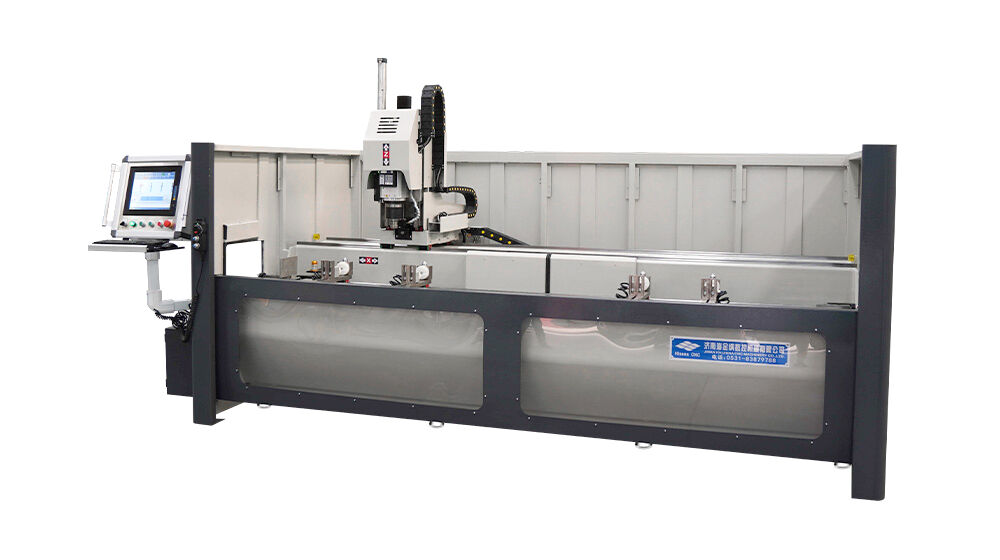
cnc laser cutter for metal
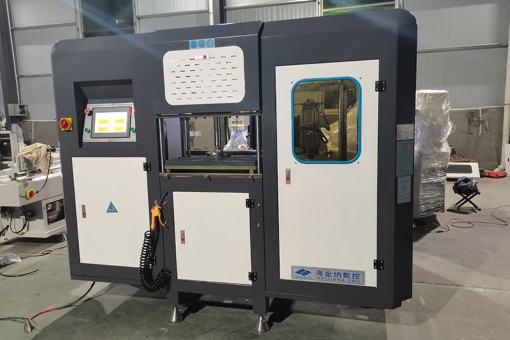
A cnc laser cutter for metal represents a sophisticated manufacturing solution that combines computer numerical control technology with high-powered laser systems to cut, engrave, and shape various metal materials with exceptional precision. This advanced equipment utilizes a focused laser beam generated through fiber, CO2, or solid-state laser sources to melt, burn, or vaporize metal surfaces along programmed paths. The cnc laser cutter for metal operates through automated software that interprets digital designs and translates them into precise cutting instructions, eliminating much of the manual labor traditionally associated with metal fabrication. Modern systems feature power outputs ranging from 1000 watts to 30000 watts or higher, enabling them to process metals of varying thicknesses from thin sheets under one millimeter to plates exceeding 50 millimeters. The main functions include straight cutting, contour cutting, piercing, engraving, and marking across materials such as stainless steel, carbon steel, aluminum, brass, copper, titanium, and galvanized steel. Technological features encompass automatic focus adjustment, real-time height sensing, nozzle centering systems, and advanced beam delivery mechanisms that maintain consistent cutting quality throughout production runs. These machines integrate cutting-edge motion control systems with servo motors and linear guides that achieve positioning accuracies within 0.03 millimeters, ensuring repeatability across thousands of parts. The cnc laser cutter for metal finds applications across diverse industries including automotive manufacturing, aerospace component production, electronics enclosure fabrication, architectural metalwork, shipbuilding, medical device production, and custom metal art creation. Safety features include enclosed cutting chambers, fume extraction systems, and automated shutdown protocols that protect operators while maintaining optimal working conditions. The technology continues to evolve with innovations in artificial intelligence for path optimization, predictive maintenance algorithms, and enhanced energy efficiency that reduce operational costs while improving throughput and quality standards for modern manufacturing facilities.
 ×
×


 EN
EN