Professional Aluminium Cutting Machine - Precision, Efficiency & Safety for Metal Fabrication

Get a Free Quote

Our representative will contact you soon.
Name
Email
Telephone
Country
Company Name
Message
0/1000

aluminium cutting machine

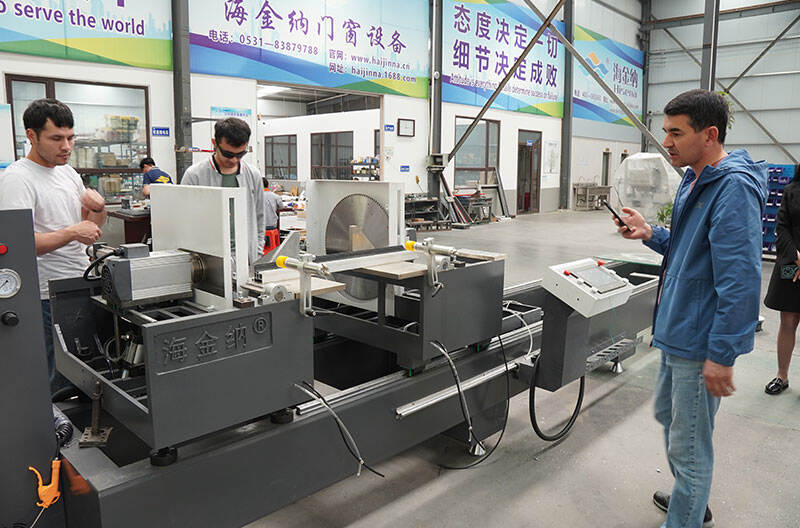
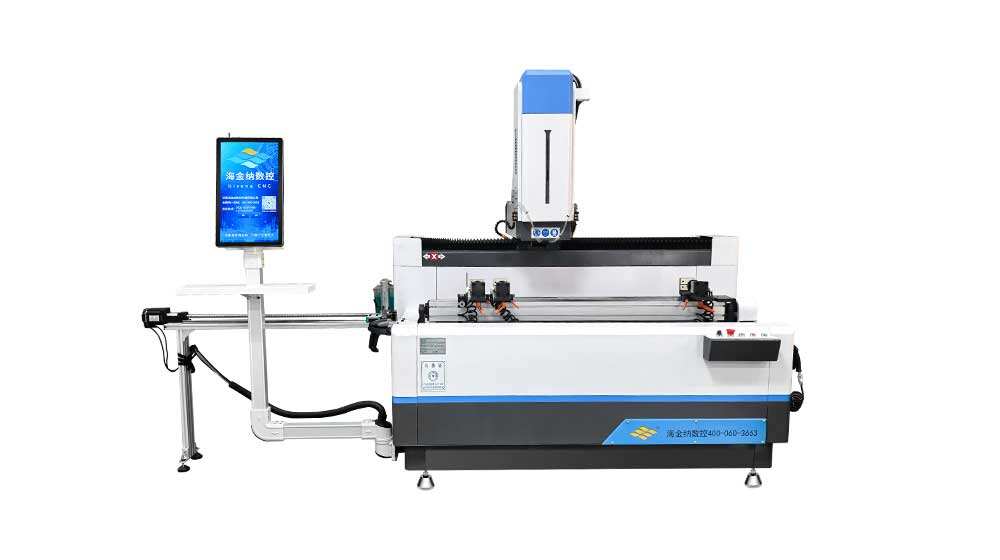
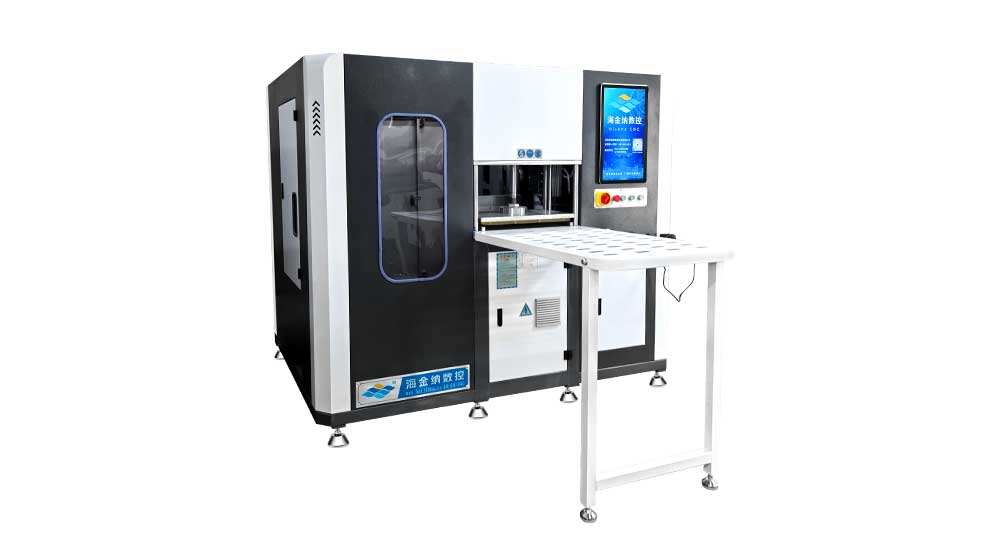
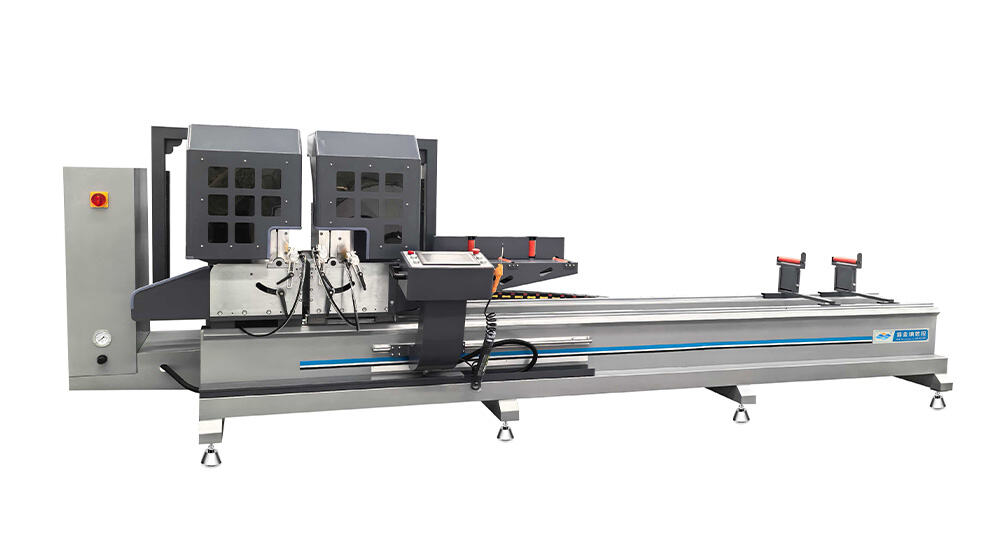
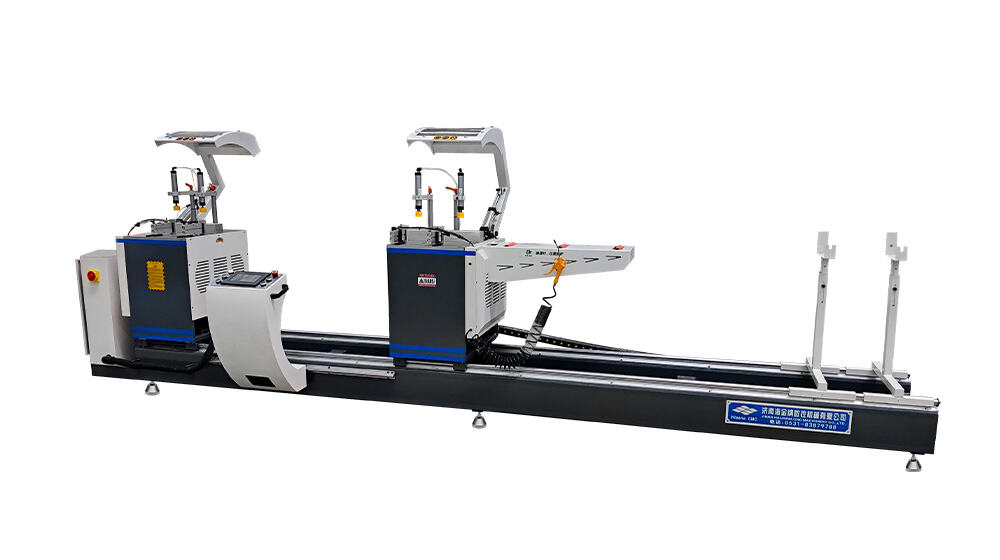
An aluminium cutting machine represents a specialized piece of industrial equipment designed specifically to cut aluminium materials with precision and efficiency. These machines have become essential tools in modern manufacturing facilities, fabrication shops, and construction operations where aluminium processing is a regular requirement. The primary function of an aluminium cutting machine is to deliver clean, accurate cuts through various aluminium profiles, sheets, tubes, and extrusions while minimizing material waste and maximizing productivity. Modern aluminium cutting machines incorporate advanced technological features that set them apart from conventional cutting tools. They typically utilize either saw blade technology, laser cutting systems, or plasma cutting mechanisms, depending on the specific application requirements. The saw-based machines often feature carbide-tipped blades that rotate at optimal speeds to slice through aluminium without causing burrs or deformation. Laser-based systems employ focused light beams to melt and vaporize the material along predetermined cutting paths, offering exceptional precision for intricate designs. These machines come equipped with programmable control systems that allow operators to input exact measurements and cutting angles, ensuring repeatable accuracy across multiple pieces. Many models feature automatic feeding mechanisms that move the aluminium material through the cutting zone at controlled speeds, reducing manual handling and improving safety. The applications of aluminium cutting machines span numerous industries including aerospace manufacturing, automotive production, window and door fabrication, construction framework assembly, and electronics enclosure manufacturing. In architectural applications, these machines cut aluminium profiles for curtain walls, facades, and structural elements. The furniture industry relies on them for creating aluminium frames and decorative elements. Marine equipment manufacturers use aluminium cutting machines to fabricate boat components and fittings. The versatility of these machines allows them to handle various aluminium grades and thicknesses, from thin sheets measuring mere millimeters to thick plates several inches deep. Their ability to execute straight cuts, miter cuts, and complex angular cuts makes them indispensable for operations requiring dimensional precision and professional finishing quality.
New Product Recommendations

Investing in an aluminium cutting machine brings substantial practical benefits that directly impact your bottom line and operational efficiency. First and foremost, these machines dramatically increase cutting speed compared to manual methods, allowing your team to complete more projects in less time. What might take hours with hand tools can be accomplished in minutes, freeing up your workforce to focus on other value-adding activities. The precision offered by an aluminium cutting machine eliminates costly errors and material waste. Every cut follows exact specifications programmed into the system, ensuring consistent results whether you are producing one piece or one thousand. This accuracy means fewer rejected parts, less rework, and better utilization of your aluminium stock. Your customers receive products that meet tight tolerances and fit perfectly during assembly, enhancing your reputation for quality workmanship. Safety improvements represent another significant advantage. Modern aluminium cutting machines incorporate protective guards, emergency stop mechanisms, and automated feeding systems that keep operators at a safe distance from moving blades and cutting zones. This reduces workplace accidents and the associated costs of injuries, downtime, and insurance claims. Your employees can work with confidence knowing that safety features are built into every aspect of the machine design. The versatility of aluminium cutting machines means you can handle diverse projects without purchasing multiple specialized tools. Whether you need to cut angles for window frames, create straight cuts for structural components, or produce intricate shapes for decorative applications, a single machine can accommodate various requirements. This flexibility allows you to accept a wider range of orders and expand your service offerings without significant additional investment. Operating costs remain manageable because aluminium cutting machines are engineered for efficiency. They consume reasonable amounts of power, and modern blade technologies last longer before requiring replacement. Maintenance requirements are straightforward, with accessible components that can be serviced quickly to minimize downtime. The machines run reliably day after day, providing dependable performance that keeps your production schedule on track. Quality of the finished edge is consistently superior with machine cutting. The cuts are clean and smooth, often requiring minimal finishing work before the pieces are ready for assembly or coating. This saves time in subsequent production stages and ensures that welded or joined connections fit tightly without gaps. Your finished products look professional and perform as intended, leading to satisfied customers and repeat business. The return on investment becomes apparent quickly as you process more aluminium with less labor, reduce material waste, improve product quality, and take on projects that were previously impractical with manual cutting methods.

Practical Tips

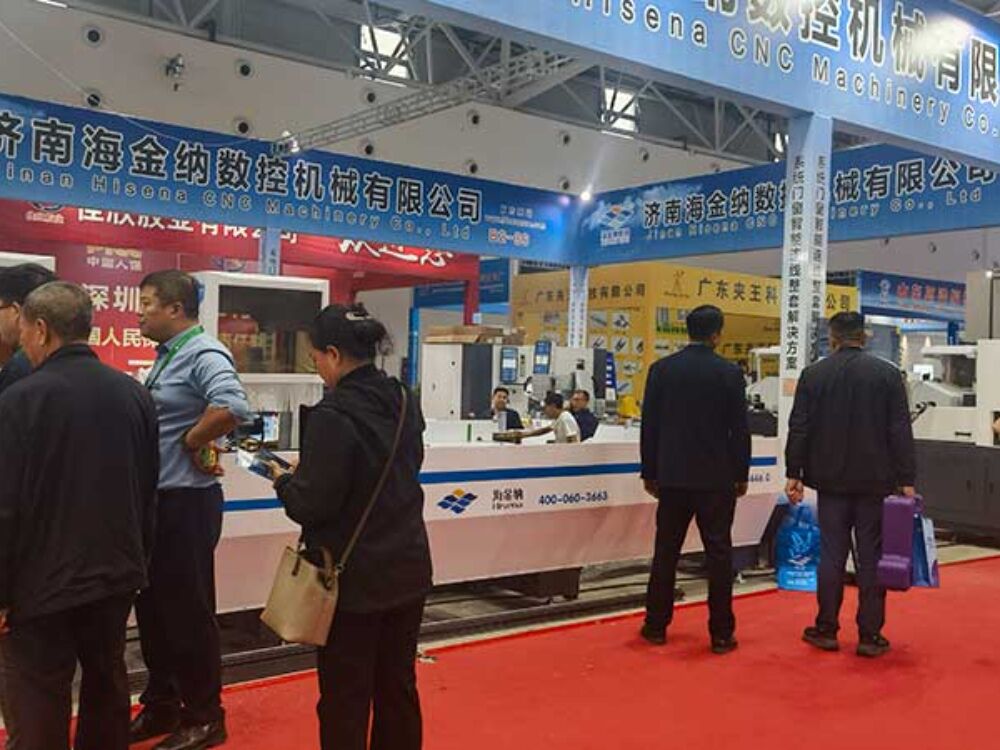
Hisena Launches New Intelligent Wireless Transmission Solution at Linqu Window Door Exhibition

14

May

Hisena Launches New Intelligent Wireless Transmission Solution at Linqu Window Door Exhibition

View More
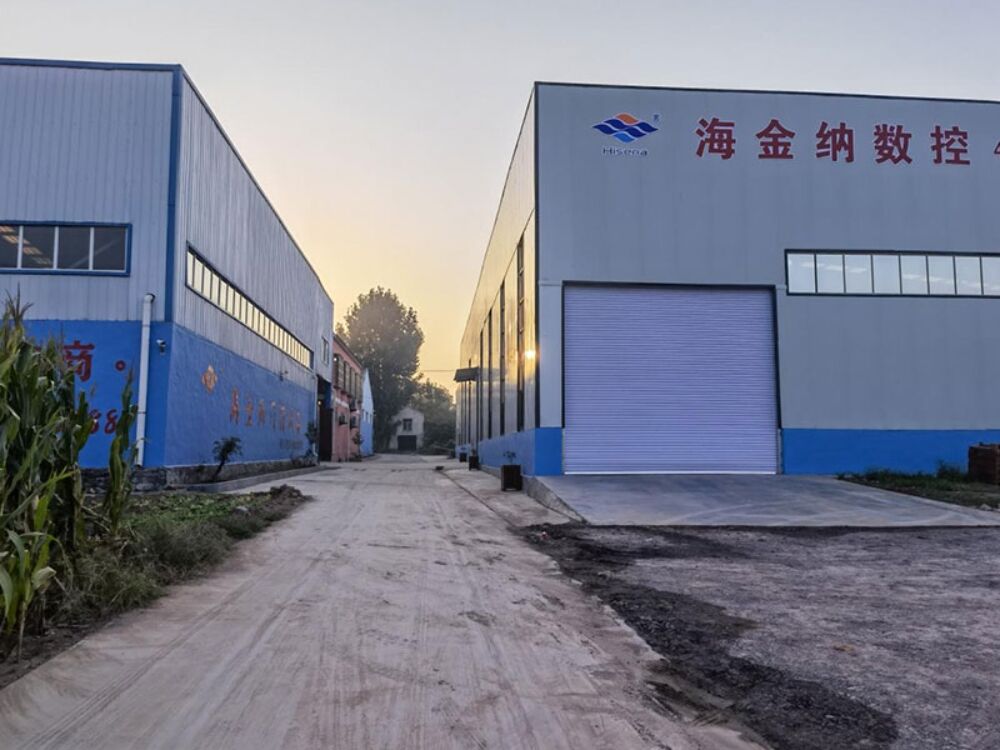
Hisena Moves to a New Factory!

30

Apr

Hisena Moves to a New Factory!

View More
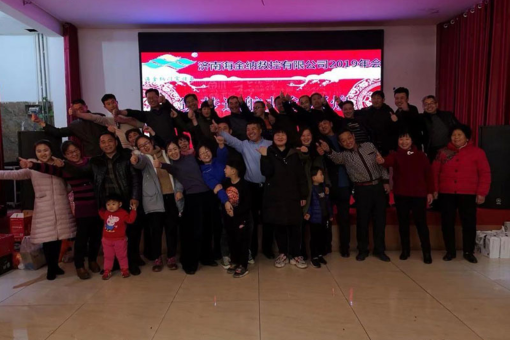
Hisena 2019 Annual Meeting Celebrates Outstanding Employees and Teams with Awards, Games, and Lucky Draws

30

Apr

Hisena 2019 Annual Meeting Celebrates Outstanding Employees and Teams with Awards, Games, and Lucky Draws

View More
Hisena Showcases Self-Developed

30

Apr

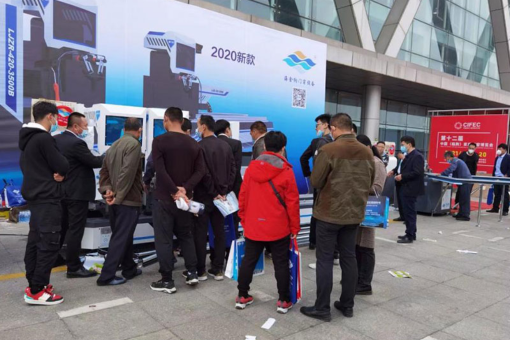
Hisena Showcases Self-Developed "Upgraded CNC Curved High Precision Saw" at Shandong International Window and Door Curtain Wall Expo

View More

Get a Free Quote

Our representative will contact you soon.
Name
Email
Telephone
Country
Company Name
Message
0/1000

aluminium cutting machine

Advanced Precision Control Systems for Unmatched Accuracy

Advanced Precision Control Systems for Unmatched Accuracy

The precision control system represents the technological heart of a modern aluminium cutting machine, transforming it from a simple cutting tool into a sophisticated manufacturing solution. This system integrates digital measurement technology with programmable logic controllers to achieve cutting accuracy that manual methods simply cannot match. When you input dimensions into the control panel, the machine translates those numbers into exact blade positioning and movement patterns, executing cuts with tolerances measured in fractions of a millimeter. This level of precision proves crucial for applications where components must fit together seamlessly during assembly. The control system on an aluminium cutting machine typically features an intuitive interface that allows operators to program complex cutting sequences without extensive technical training. Touchscreen displays show visual representations of the cutting pattern, letting you verify the setup before processing valuable material. You can store frequently used cutting programs in memory, recalling them instantly when similar jobs arrive, which eliminates setup time and ensures consistency across production runs. The system automatically adjusts cutting speed based on material thickness and aluminium alloy type, optimizing the cutting process for each specific situation. Advanced sensors continuously monitor blade position and material alignment during operation, making micro-adjustments in real time to compensate for any variations. This adaptive capability means that even if the aluminium stock has slight irregularities or if environmental factors like temperature affect dimensions, the machine maintains cutting accuracy throughout the entire workpiece. For businesses producing components that must meet stringent quality standards or integrate with parts from other manufacturers, this precision control eliminates the uncertainty and variability associated with manual cutting techniques. The control system also contributes to material efficiency by minimizing the margin of error. When every cut lands exactly where intended, you maximize the number of parts you can produce from each aluminium sheet or extrusion, reducing scrap and lowering material costs. The system can optimize cutting layouts automatically, arranging multiple parts on a single piece of stock in the most efficient configuration. This intelligent nesting capability can increase material utilization by fifteen to twenty percent compared to conventional approaches, savings that accumulate significantly over months and years of operation. Furthermore, the digital nature of these control systems means they can integrate with your broader manufacturing software ecosystem, receiving cutting instructions directly from design programs or production management systems, creating a seamless digital workflow from initial design to finished component.
Robust Construction and Durability for Long-Term Reliability

Robust Construction and Durability for Long-Term Reliability

The structural integrity and build quality of an aluminium cutting machine directly determine its operational lifespan and consistent performance under demanding production conditions. Manufacturers construct these machines using heavy-gauge steel frames and precision-machined components that resist deflection and vibration even during intensive cutting operations. This robust foundation ensures that the cutting mechanism maintains perfect alignment year after year, preserving accuracy as the machine processes thousands of cuts. The frame design typically incorporates reinforcement in high-stress areas, preventing the gradual deformation that can occur with lighter-weight equipment. When you invest in a well-constructed aluminium cutting machine, you acquire a piece of equipment built to withstand the rigors of daily industrial use without compromising performance. Critical components like blade mounting systems, guide rails, and feed mechanisms receive particular engineering attention during machine design. These elements must maintain precise positioning relationships while enduring repetitive motion and the forces generated during cutting. High-quality machines employ hardened steel guides that resist wear, sealed bearings that exclude contaminants and retain lubrication, and heavy-duty motors sized appropriately for continuous operation rather than intermittent use. The attention to component selection and assembly quality means the machine operates smoothly and quietly, with minimal vibration that could affect cut quality or operator comfort. Regular maintenance remains straightforward because manufacturers design these machines with serviceability in mind, providing access panels and clearly marked lubrication points. The durability extends to the cutting elements themselves. Quality aluminium cutting machines accommodate professional-grade blades manufactured from tungsten carbide or other advanced materials that maintain sharpness through extended use. The blade mounting system holds these cutting tools with zero runout, eliminating wobble that would compromise cut quality and accelerate blade wear. Proper blade tensioning mechanisms and precision arbors ensure that the cutting edge travels in a perfectly true path, producing clean cuts without burrs or tears in the aluminium material. When blade changes become necessary, the process is quick and safe, minimizing downtime and allowing your operation to maintain productivity. The electrical and control components also reflect this commitment to durability. Industrial-grade motors provide reliable power with thermal protection that prevents damage from overload conditions. Wiring harnesses feature proper strain relief and protective sleeving, while control electronics reside in sealed enclosures that protect sensitive circuits from metal dust and environmental exposure. This comprehensive approach to durability means that an aluminium cutting machine becomes a long-term asset that continues delivering value year after year, avoiding the frustration and expense of frequent repairs or premature replacement that plague inferior equipment.
Enhanced Safety Features Protecting Operators and Workplace

Enhanced Safety Features Protecting Operators and Workplace

Safety considerations have driven significant innovation in aluminium cutting machine design, resulting in comprehensive protection systems that safeguard operators while maintaining productivity and ease of use. Modern machines incorporate multiple layers of safety features that work together to prevent accidents and create a secure working environment. Physical guards surround the cutting zone, using transparent materials where appropriate so operators can monitor the process while remaining protected from flying debris and accidental contact with moving components. These guards are interlocked with the machine control system, preventing operation when protective barriers are open or improperly positioned. This fundamental safety architecture ensures that the dangerous cutting action only occurs when all protective measures are in place. Emergency stop controls are positioned within easy reach at multiple locations around the machine, featuring large, distinctive buttons that operators can activate instantly if any unsafe condition develops. When engaged, these stops immediately halt all machine motion and disconnect power to the cutting mechanism. The system requires a deliberate reset procedure before operation can resume, preventing accidental restart that could endanger someone working on or near the machine. This emergency stop functionality provides essential protection during abnormal situations, giving operators confidence that they can instantly shut down the equipment if needed. Automatic feeding systems represent another crucial safety advancement in aluminium cutting machine technology. Rather than requiring operators to manually guide material past the cutting blade, these systems use powered rollers, clamps, or pneumatic mechanisms to move the aluminium through the cutting zone at controlled speeds. This automation keeps hands and fingers away from the blade area, eliminating one of the primary injury risks associated with cutting operations. The feeding system includes sensors that detect material position and adjust feed rate appropriately, ensuring smooth, controlled progression through each cut. Some advanced machines feature light curtains or proximity sensors that detect if an operator reaches toward the cutting area, triggering an immediate stop before contact occurs. Material clamping systems secure the aluminium workpiece firmly during cutting, preventing movement or vibration that could cause the material to shift unexpectedly or bind against the blade. Secure clamping improves cut quality while simultaneously enhancing safety by ensuring predictable material behavior throughout the cutting process. The clamping mechanisms are designed to hold various sizes and shapes of aluminium profiles, accommodating the range of materials your operation processes. Quick-release features allow rapid material changes between cuts without requiring tools or excessive time, maintaining productivity while preserving safety. Dust collection and extraction systems address another important safety and health consideration. Cutting aluminium generates fine particulate that can irritate respiratory systems and create housekeeping challenges. Integrated collection systems capture this material at the source, maintaining clean air in the workspace and preventing accumulation of slippery debris on floors around the machine. This contributes to a healthier environment and reduces slip and fall hazards that could cause injuries unrelated to the cutting operation itself.

Get a Free Quote

Our representative will contact you soon.
Name
Email
Telephone
Country
Company Name
Message
0/1000