Professional CNC Aluminium Cutting Services - Precision Machining Solutions

Get a Free Quote

Our representative will contact you soon.
Name
Email
Telephone
Country
Company Name
Message
0/1000

cnc aluminium cutting

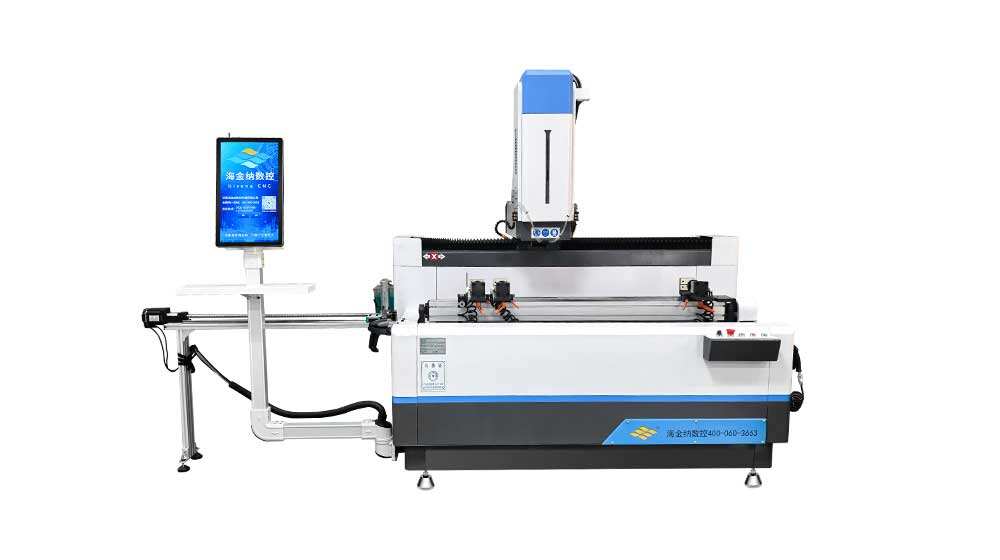
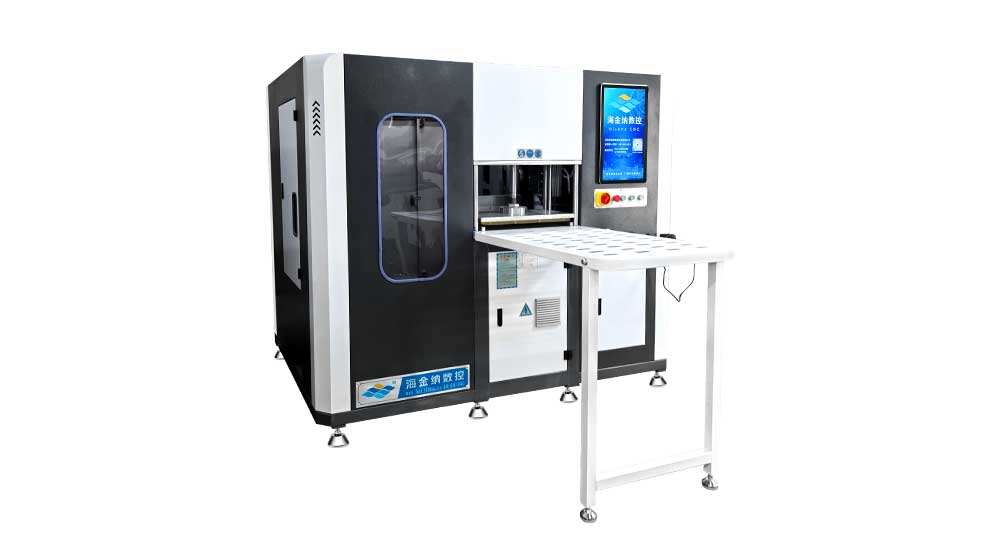
CNC aluminium cutting represents a revolutionary manufacturing process that combines computer numerical control technology with precision machining to transform raw aluminium materials into finished components with exceptional accuracy. This automated cutting method utilizes pre-programmed software to control the movement of cutting tools, enabling manufacturers to produce complex shapes and intricate designs that would be nearly impossible to achieve through manual machining. The process involves securing aluminium workpieces onto a CNC machine table, where high-speed rotating cutting tools remove material according to digital specifications. CNC aluminium cutting encompasses various techniques including milling, turning, drilling, and routing, each serving specific manufacturing requirements. The technology has become indispensable across multiple industries due to aluminium's favorable properties such as lightweight nature, excellent strength-to-weight ratio, corrosion resistance, and superior thermal conductivity. Modern CNC aluminium cutting systems incorporate advanced features like automatic tool changers, multi-axis machining capabilities, and real-time monitoring systems that ensure consistent quality throughout production runs. The main functions of CNC aluminium cutting include producing precision parts for aerospace components, automotive elements, electronic housings, architectural fixtures, and medical devices. Technological features include adaptive control systems that adjust cutting parameters based on material feedback, high-speed spindles capable of reaching tens of thousands of RPM, and coolant delivery systems that maintain optimal temperatures during machining. The applications span from creating simple brackets and enclosures to manufacturing complex turbine blades and structural aerospace components. This manufacturing approach offers exceptional repeatability, meaning that once a program is perfected, thousands of identical parts can be produced with minimal variation, making it ideal for both prototype development and large-scale production runs across diverse industrial sectors.

New Products

The advantages of CNC aluminium cutting deliver substantial practical benefits that directly impact your production efficiency and bottom line. First and foremost, this technology dramatically reduces production time compared to traditional manual machining methods, allowing you to complete projects faster and meet tight deadlines without sacrificing quality. The automated nature means your machines can operate continuously with minimal supervision, even running overnight or during weekends, effectively extending your productive hours without increasing labor costs. Precision stands as another major advantage, with CNC aluminium cutting achieving tolerances as tight as plus or minus 0.001 inches, ensuring that every component fits perfectly in its intended assembly and reducing costly rework or rejection rates. This level of accuracy eliminates the guesswork and human error inherent in manual operations, giving you confidence that each part meets exact specifications. Cost efficiency becomes apparent when you consider reduced material waste, as CNC machines optimize cutting paths to use aluminium stock efficiently, saving money on raw materials while supporting environmental sustainability. The consistency of CNC aluminium cutting means you can rely on uniform quality across entire production batches, eliminating the variations that occur when different operators handle the same job manually. Flexibility represents another compelling advantage, as changing from one product design to another requires only loading a new program rather than retooling entire production lines, making it economical to produce small batches or customized items. Your workforce benefits too, as operators transition from repetitive manual tasks to skilled positions programming and monitoring sophisticated equipment, improving job satisfaction and workplace safety by reducing exposure to hazardous cutting operations. The digital nature of CNC aluminium cutting enables rapid prototyping, allowing you to test and refine designs quickly before committing to full production. Complex geometries that would challenge even the most skilled manual machinists become routine with CNC technology, expanding your capability to take on sophisticated projects and diversify your service offerings. Long-term reliability proves excellent, as modern CNC machines are built for durability and require relatively straightforward maintenance, protecting your investment over many years of productive service.

Tips And Tricks

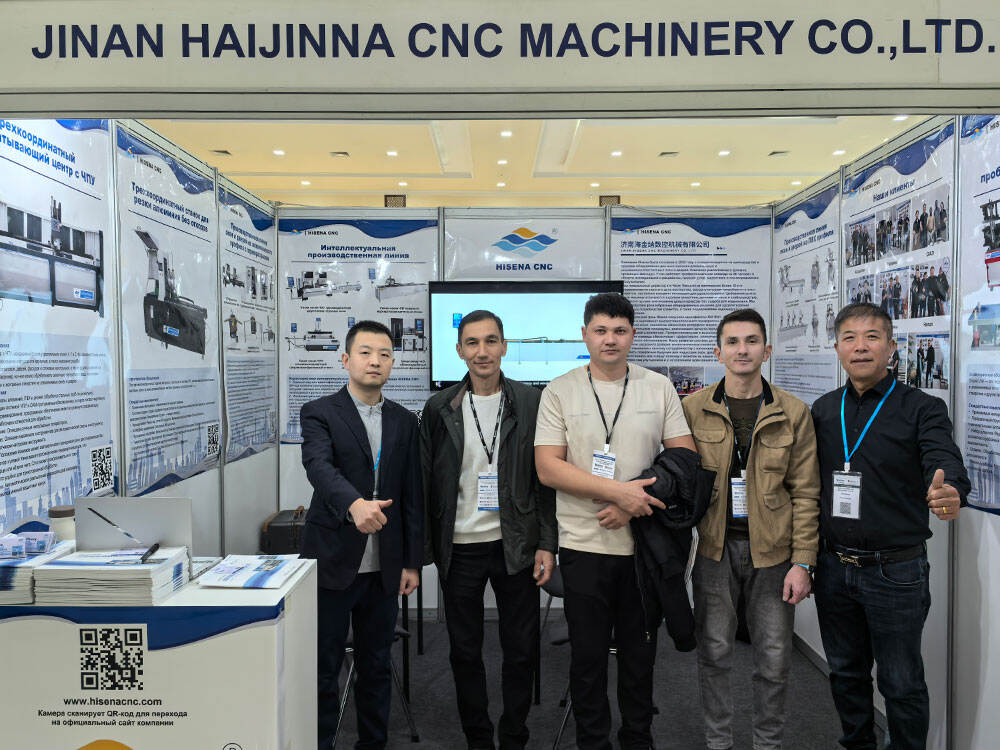
Hisena participated in the International Glass, Door, Window, and Aluminum Exhibition in Uzbekistan

30

Apr

Hisena participated in the International Glass, Door, Window, and Aluminum Exhibition in Uzbekistan

View More
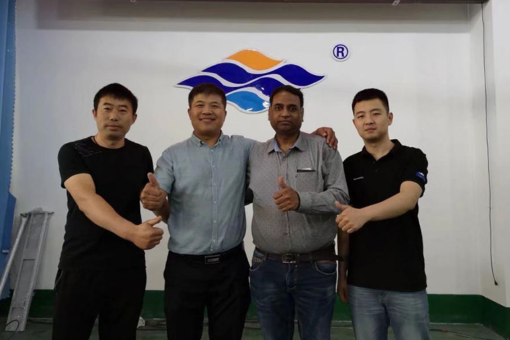
Indian customers came and visited Hisena factory

30

Apr

Indian customers came and visited Hisena factory

View More
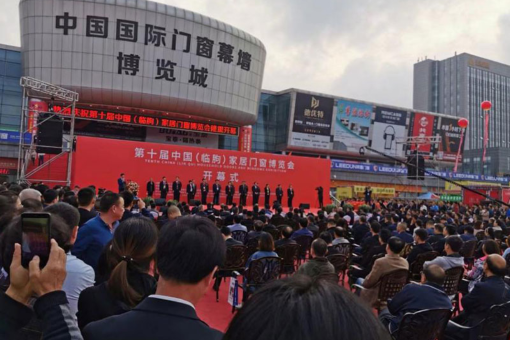
Hisena Honored to Exhibit at Linqu Window Expo in Shandong, Gathering Most Representative Domestic and International Exhibitors and Brands

30

Apr

Hisena Honored to Exhibit at Linqu Window Expo in Shandong, Gathering Most Representative Domestic and International Exhibitors and Brands

View More
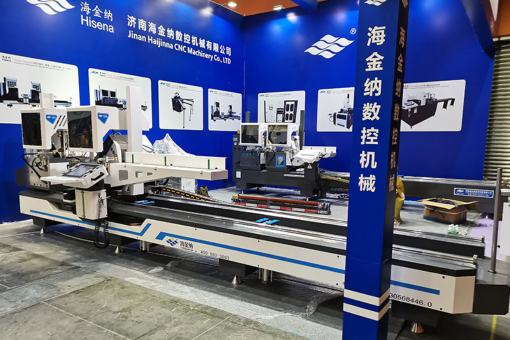
Hisena Debuts

30

Apr

Hisena Debuts "CNC High Precision Saw with Upgraded Wireless Transmission" at Guangdong Exhibition

View More

Get a Free Quote

Our representative will contact you soon.
Name
Email
Telephone
Country
Company Name
Message
0/1000

cnc aluminium cutting

Unmatched Precision and Repeatability for Critical Applications

Unmatched Precision and Repeatability for Critical Applications

CNC aluminium cutting delivers precision levels that fundamentally transform manufacturing capabilities, offering accuracy that meets the demanding requirements of industries where even microscopic deviations can cause catastrophic failures. This precision stems from the elimination of human variables in the cutting process, as computer control ensures that cutting tools follow programmed paths with extraordinary fidelity, maintaining tolerances that typically range from 0.001 to 0.005 inches depending on machine quality and setup. For manufacturers producing aerospace components, medical devices, or automotive safety parts, this level of accuracy is not merely desirable but absolutely essential to meet regulatory standards and ensure end-user safety. The repeatability aspect proves equally valuable, as CNC aluminium cutting machines can produce thousands of identical parts with virtually no variation between the first piece and the last, a feat impossible to achieve through manual machining where operator fatigue, tool wear perception, and minor setup differences inevitably introduce variations. This consistency eliminates the need for extensive quality control inspections of every single part, as statistical process control methods can verify that production remains within specifications by checking sample pieces, dramatically reducing quality assurance costs and inspection time. The precision of CNC aluminium cutting extends beyond simple dimensional accuracy to include surface finish quality, with properly programmed machines producing smooth surfaces that often require minimal or no secondary finishing operations, saving additional processing time and expense. Industries benefit from this precision in numerous practical ways: electronic enclosures fit together perfectly without gaps that could compromise electromagnetic shielding, hydraulic components seal properly without leakage, and structural parts assemble without stress-inducing misalignments. The geometric complexity achievable through precise CNC aluminium cutting opens design possibilities previously constrained by manufacturing limitations, allowing engineers to optimize parts for performance rather than compromising designs to accommodate machining capabilities. This precision proves particularly valuable when working with aluminium alloys used in demanding applications, as the material's properties can be fully leveraged when components are manufactured to exact specifications, ensuring that strength, weight, and thermal characteristics perform as calculated in engineering models.
Enhanced Production Efficiency and Operational Flexibility

Enhanced Production Efficiency and Operational Flexibility

CNC aluminium cutting revolutionizes production efficiency by automating processes that traditionally required extensive manual labor, skilled craftsmanship, and time-consuming setup procedures, transforming manufacturing operations into streamlined workflows that maximize output while minimizing resource consumption. The efficiency gains manifest in multiple dimensions, starting with dramatically reduced cycle times as CNC machines execute cutting operations at optimal speeds determined by sophisticated algorithms that balance material removal rates against tool life and surface quality requirements. Unlike manual operations where machinists must cautiously approach final dimensions through multiple measurement and adjustment cycles, CNC aluminium cutting machines move directly to final specifications in a single programmed sequence, eliminating iterative refinement steps that consume valuable production time. The operational flexibility of modern CNC aluminium cutting systems empowers manufacturers to respond rapidly to changing market demands and customer requirements without the prohibitive costs and delays traditionally associated with production changeovers. Switching between different part designs requires only loading alternative programs and perhaps changing cutting tools through automated tool changer systems, a process that takes minutes rather than the hours or days needed to reconfigure conventional machinery. This flexibility makes economically viable the production of small batches, custom orders, and prototype runs that would be financially impractical using traditional high-volume manufacturing approaches, opening new market opportunities for manufacturers who can offer customization without premium pricing. The efficiency extends to material utilization, as CNC aluminium cutting software optimizes how parts are nested within raw stock, minimizing waste and reducing material costs, a consideration particularly important given aluminium's value and the economic advantage of maximizing yield from each billet, sheet, or extrusion. Operational efficiency encompasses labor productivity as well, with a single skilled operator capable of supervising multiple CNC aluminium cutting machines simultaneously, dramatically improving labor utilization compared to manual machining where one operator handles one machine. The technology enables lights-out manufacturing, where CNC machines continue production during nights and weekends with minimal or no supervision, effectively multiplying available production hours without proportionally increasing labor costs, a competitive advantage that significantly improves return on equipment investment and enables faster order fulfillment to meet demanding delivery schedules that differentiate successful manufacturers in competitive markets.
Superior Quality Consistency and Reduced Production Costs

Superior Quality Consistency and Reduced Production Costs

CNC aluminium cutting establishes new standards for quality consistency that directly translate into reduced production costs through multiple mechanisms that benefit manufacturers across all production volumes and market segments. The consistency achieved through computer-controlled machining eliminates the quality variations inherent in manual processes where factors like operator skill level, fatigue, environmental conditions, and subjective interpretation of specifications introduce unpredictable variations that increase rejection rates and necessitate extensive quality control measures. With CNC aluminium cutting, once a program has been validated and optimized, every subsequent part emerges with identical characteristics, allowing manufacturers to confidently quote tight tolerances and consistent quality to customers, building reputation and enabling premium pricing for reliable products. This consistency reduces production costs by minimizing scrap and rework, as parts are manufactured correctly the first time rather than requiring inspection, correction, and reprocessing that consume materials, machine time, and labor while delaying delivery schedules. The predictable tool wear patterns in CNC aluminium cutting operations enable proactive tool management strategies where cutting tools are replaced on schedules based on actual usage data rather than reactive replacement after quality issues emerge, preventing the production of out-of-specification parts and the associated costs of scrapping defective work. Quality consistency extends throughout the entire production run, from the first article to the final piece, ensuring that assemblies using components from different production batches fit together properly without adjustment, a critical consideration for manufacturers producing products over extended periods or maintaining spare parts inventories. The digital nature of CNC aluminium cutting programs creates permanent documentation of exactly how parts are manufactured, facilitating quality traceability, enabling precise recreation of components years later, and supporting continuous improvement initiatives by providing baseline data for optimization efforts. Cost reductions accumulate through decreased inspection requirements, as statistical process control methods validate that production remains within specifications without inspecting every part, freeing quality personnel for value-added activities like process improvement rather than repetitive measurement tasks. The superior quality consistency of CNC aluminium cutting also reduces warranty claims and customer complaints, protecting brand reputation and avoiding the substantial costs associated with field failures, returns, and customer dissatisfaction that can permanently damage business relationships and market position in competitive industries where quality perception drives purchasing decisions.
Get a Free Quote

Our representative will contact you soon.
Name
Email
Telephone
Country
Company Name
Message
0/1000