Aluminium Profile Cutting Machine - Precision Cutting Solutions for Enhanced Manufacturing Efficiency

Get a Free Quote

Our representative will contact you soon.
Name
Email
Telephone
Country
Company Name
Message
0/1000

aluminium profile cutting machine

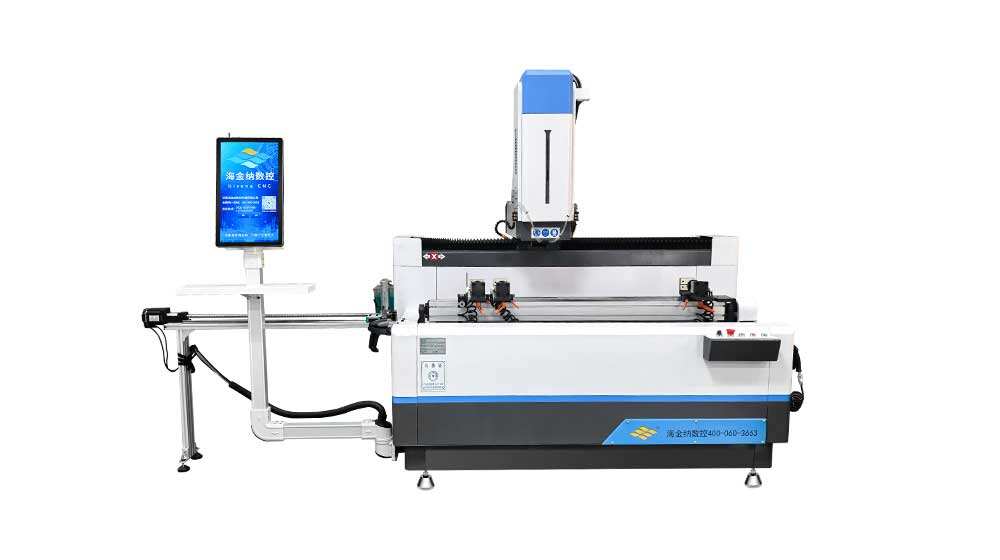
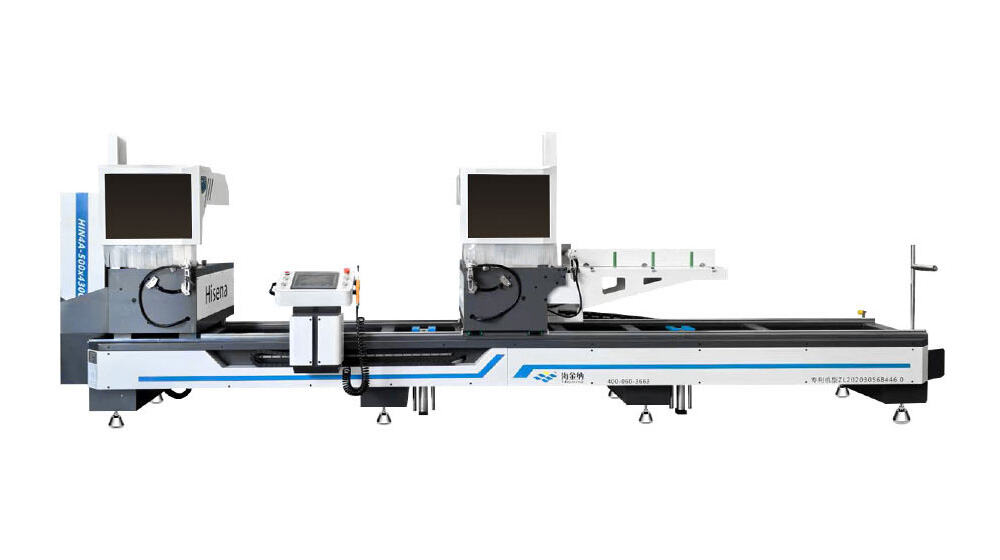
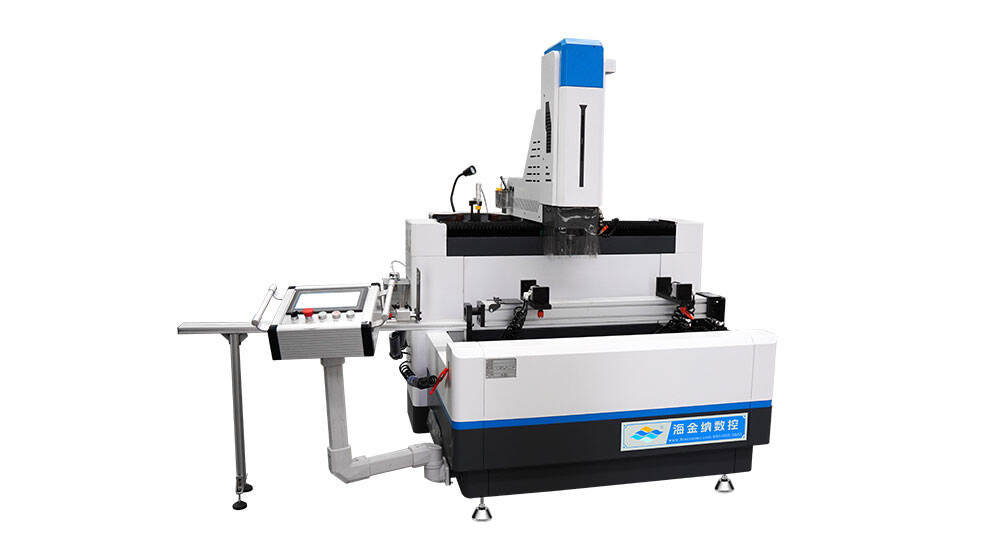
An aluminium profile cutting machine represents a specialized piece of industrial equipment designed to deliver precise, efficient cuts on aluminium profiles used across numerous manufacturing sectors. This sophisticated machinery combines mechanical engineering with advanced control systems to process aluminium extrusions, channels, tubes, and various profile shapes with remarkable accuracy. The primary function revolves around executing straight cuts, angle cuts, and complex mitering operations on aluminium workpieces, enabling manufacturers to prepare components for windows, doors, curtain walls, furniture frames, and architectural structures. The technological foundation of these machines incorporates servo motor systems, pneumatic clamping mechanisms, and digital positioning controls that work harmoniously to achieve cutting tolerances within fractions of a millimeter. Modern aluminium profile cutting machines feature programmable logic controllers that allow operators to input specific cutting parameters, including length measurements, angle specifications, and batch quantities. The cutting process typically employs tungsten carbide-tipped saw blades rotating at optimal speeds to slice through aluminium without generating excessive heat or material deformation. Many contemporary models integrate automatic feeding systems that transport profiles through the cutting zone, significantly reducing manual handling and improving production throughput. The versatility of these machines extends across multiple industries, from construction companies fabricating window frames to automotive manufacturers producing structural components. Furniture makers rely on these machines to create aluminum chair frames and table structures, while electronics manufacturers use them for producing heat sink profiles and equipment housings. The machine's footprint varies depending on capacity, with compact benchtop versions suitable for small workshops and industrial-scale systems designed for high-volume production environments. Safety features constitute an integral aspect, incorporating blade guards, emergency stop mechanisms, and interlock systems that protect operators during operation. The integration of dust collection systems helps maintain clean working environments by capturing aluminium chips and particles generated during cutting. As manufacturing demands evolve toward greater precision and efficiency, the aluminium profile cutting machine continues to adapt, incorporating smart technologies and connectivity features that enable remote monitoring and predictive maintenance capabilities.
New Product Releases

Investing in an aluminium profile cutting machine delivers transformative benefits that directly impact your production efficiency and bottom line. The foremost advantage lies in precision accuracy that eliminates costly material waste and rework. When you cut aluminium profiles manually or with basic tools, inconsistencies inevitably occur, leading to rejected parts and frustrated customers. This machine removes human error from the equation, delivering repeatable cuts that meet exact specifications every single time. Your production speed increases dramatically compared to traditional cutting methods. What might take an operator several minutes to measure, mark, and cut manually becomes a task completed in seconds with automated machinery. This acceleration means you can fulfill larger orders, meet tighter deadlines, and ultimately serve more customers without expanding your workforce. The consistency advantage extends beyond individual cuts to entire production runs. When manufacturing window frames or door assemblies, every piece must match perfectly for proper installation. The machine ensures uniformity across hundreds or thousands of components, guaranteeing that your final products assemble correctly without adjustment or modification. Labor costs decrease substantially because one operator can manage the cutting machine while it processes multiple pieces, whereas manual cutting requires constant hands-on attention. This efficiency allows you to reassign skilled workers to higher-value tasks like assembly, quality control, or customer service. Material optimization represents another compelling benefit. The machine's precision means you can maximize the number of pieces cut from each aluminium profile, reducing scrap and stretching your raw material budget further. Over months and years, these savings accumulate into significant cost reductions. Safety improvements protect your most valuable asset: your employees. Manual cutting with handheld saws or tools exposes workers to blade contact risks, repetitive strain injuries, and ergonomic problems. The aluminium profile cutting machine encloses dangerous components behind guards and automates material handling, creating a safer workplace that reduces injury incidents and associated costs. Quality consistency builds your business reputation. When customers receive products made with machine-cut components, they notice the professional finish, tight tolerances, and perfect fit. This quality becomes your competitive differentiator, justifying premium pricing and generating referrals. Flexibility adds value as your business evolves. Modern machines accommodate various profile sizes and shapes without requiring extensive retooling. As you expand your product offerings or enter new markets, the equipment adapts to new cutting requirements through simple adjustments or program changes. The learning curve remains manageable even for operators without extensive technical backgrounds. Intuitive controls and straightforward programming mean your team becomes productive quickly, minimizing downtime during implementation. Maintenance requirements stay reasonable with proper care, and the machine's robust construction ensures years of reliable service that delivers ongoing returns on your initial investment.

Tips And Tricks

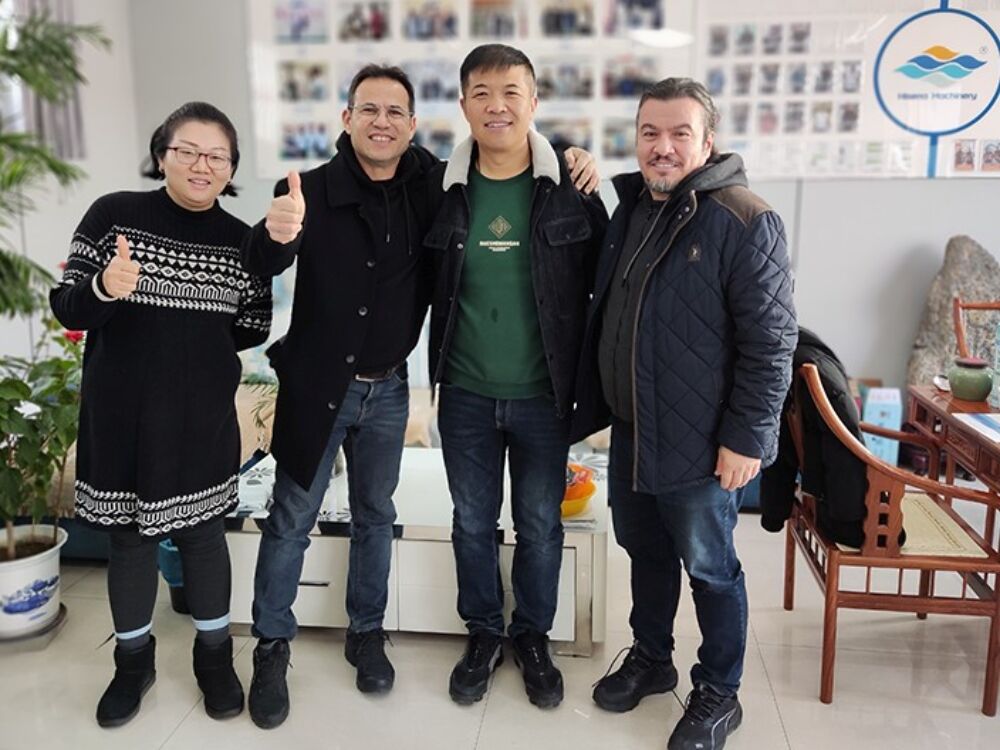
Turkish Clients Visit Hisena: Business Talks & Equipment Orders in Winter!

14

May

Turkish Clients Visit Hisena: Business Talks & Equipment Orders in Winter!

View More
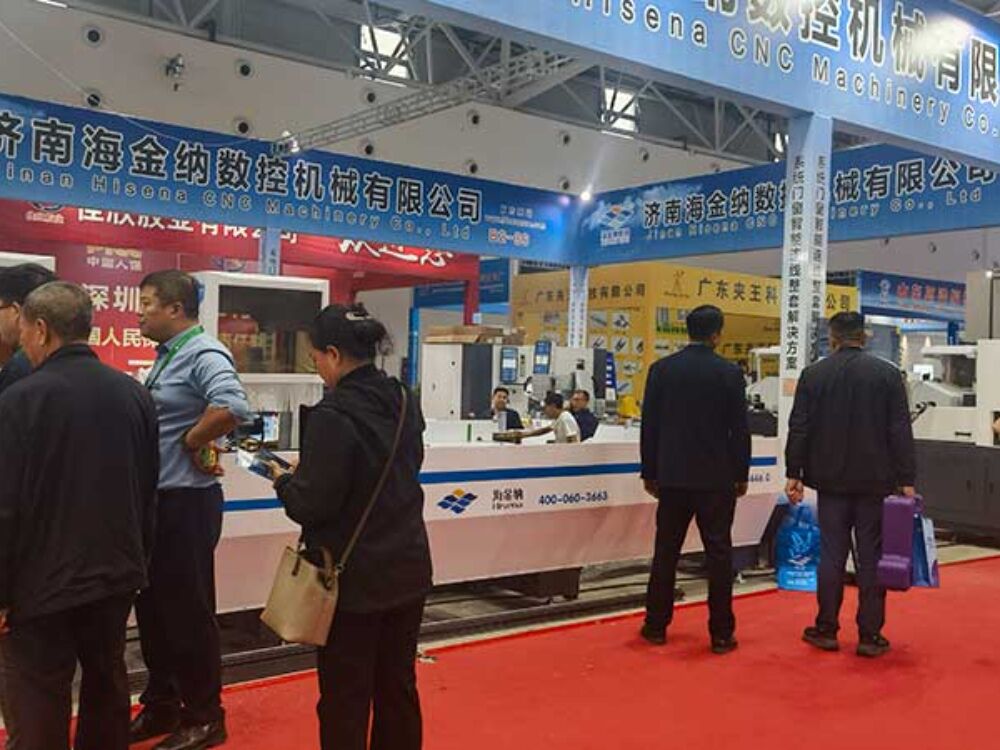
Hisena Launches New Intelligent Wireless Transmission Solution at Linqu Window Door Exhibition

14

May

Hisena Launches New Intelligent Wireless Transmission Solution at Linqu Window Door Exhibition

View More
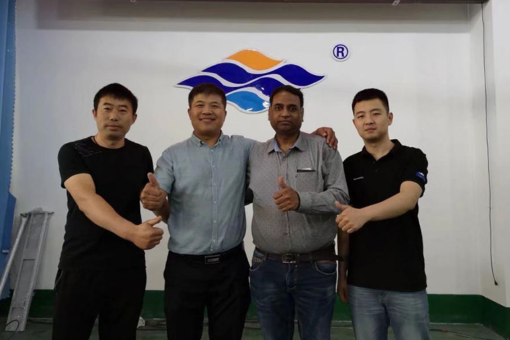
Indian customers came and visited Hisena factory

30

Apr

Indian customers came and visited Hisena factory

View More
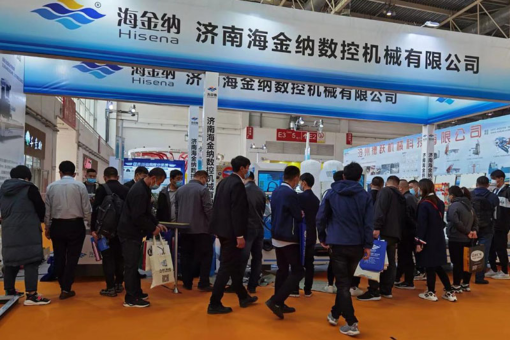
Hisena Exhibits in Beijing, Equipment Highly Popular Among Customers

30

Apr

Hisena Exhibits in Beijing, Equipment Highly Popular Among Customers

View More

Get a Free Quote

Our representative will contact you soon.
Name
Email
Telephone
Country
Company Name
Message
0/1000

aluminium profile cutting machine

Advanced Precision Technology That Eliminates Production Errors

Advanced Precision Technology That Eliminates Production Errors

The aluminium profile cutting machine incorporates state-of-the-art precision technology that fundamentally transforms how manufacturers approach aluminium fabrication. At the heart of this capability lies a sophisticated servo motor control system that positions the cutting blade and material with micrometer-level accuracy. Unlike conventional cutting methods that rely on operator skill and manual measurement, this automated precision ensures every cut meets exact specifications without deviation. The digital positioning system employs linear encoders that continuously monitor blade location and material position, making real-time adjustments to compensate for any mechanical play or thermal expansion. This closed-loop control means the machine self-corrects throughout operation, maintaining accuracy even during extended production runs. For businesses manufacturing architectural components like window frames or curtain wall systems, this precision proves essential because even minor dimensional variations can prevent proper assembly or installation. The machine's ability to execute angle cuts with exact degree measurements enables perfect mitered corners that fit together seamlessly without gaps or misalignment. When producing furniture frames or display structures, these precise angles create professional-looking joints that enhance product aesthetics and structural integrity. The repeatability factor cannot be overstated: once you program cutting parameters for a specific component, the machine reproduces identical pieces indefinitely. This consistency eliminates the variation inherent in manual processes where operator fatigue, distraction, or measurement errors introduce defects. Quality control becomes simplified because you can confidently predict that every piece meets specifications, reducing inspection time and rejection rates. The precision technology also enables optimization of material usage through tighter nesting of cuts along each profile length. By calculating exact cutting positions with millimeter precision, the control system minimizes waste sections between pieces, allowing you to extract maximum value from every aluminium extrusion. This optimization delivers direct cost savings that accumulate significantly over time, particularly for high-volume manufacturers processing hundreds of profiles daily. Furthermore, the machine's precision accommodates complex cutting sequences involving multiple angles or varying lengths within a single production run. The programmable controller stores cutting programs for different products, allowing rapid changeovers between jobs without time-consuming setup procedures. This flexibility supports diverse product portfolios and custom order fulfillment without sacrificing accuracy or efficiency. The practical impact of this precision technology extends to downstream operations as well. Components cut to exact dimensions require less fitting and adjustment during assembly, accelerating production timelines and reducing labor costs in subsequent manufacturing stages.
Automated Operation That Multiplies Productivity And Reduces Labor Dependency

Automated Operation That Multiplies Productivity And Reduces Labor Dependency

The automation capabilities integrated into modern aluminium profile cutting machines revolutionize production workflows by dramatically increasing output while simultaneously reducing labor requirements. This transformation begins with the automatic material feeding system that transports aluminium profiles from a loading station through the cutting zone without manual handling. Operators simply load a stack of profiles into the feed mechanism, and the machine systematically processes each piece according to programmed specifications. This hands-free operation eliminates the repetitive physical effort of positioning heavy extrusions, reducing operator fatigue and minimizing ergonomic injury risks associated with manual material handling. The productivity multiplication becomes evident when comparing throughput rates: a single operator supervising an automated aluminium profile cutting machine can process the same volume of material that would require three or four workers using manual cutting methods. This efficiency gain translates directly to labor cost savings while enabling businesses to meet demanding production schedules without overtime expenses or workforce expansion. The machine's batch processing capability further enhances productivity by executing complete cutting sequences for multiple identical components without interruption. An operator programs the desired length, quantity, and any angle specifications, then initiates the automated cycle that continues until all pieces are completed. During this autonomous operation, the operator remains free to perform quality checks, prepare materials for subsequent runs, or manage other production tasks, maximizing human resource utilization. The automatic clamping system secures profiles firmly during cutting, ensuring stability that prevents movement or vibration that could compromise accuracy. Pneumatic or hydraulic clamps engage instantly when material reaches the cutting position, then release automatically after the cut completes, allowing the finished piece to advance to the output station. This seamless clamping action maintains consistent pressure across different profile sizes and shapes, accommodating versatile production requirements without manual adjustment. Quick-change cutting programs enable rapid transitions between different products or specifications. Modern control interfaces allow operators to select from stored cutting programs or input new parameters through intuitive touchscreen displays. This flexibility supports mixed production environments where multiple product types flow through the same machine during a single shift, eliminating downtime previously required for manual setup adjustments. The automated operation also incorporates intelligent safety interlocks that prevent blade engagement unless material is properly positioned and guards are closed. These protective features create a secure operating environment that complies with industrial safety regulations while maintaining production efficiency. Emergency stop systems provide immediate shutdown capability, and blade braking technology halts rotation within seconds, minimizing risk during unexpected situations. From a business perspective, automation reduces training requirements and skill dependencies. While manual cutting demands experienced operators who can accurately measure, mark, and execute cuts, the automated machine simplifies these tasks to basic programming and material loading functions. This accessibility allows businesses to deploy less specialized workers for cutting operations, reserving skilled craftspeople for complex assembly or finishing tasks that require human judgment and expertise.
Robust Construction And Low Maintenance Design For Long-Term Reliability

Robust Construction And Low Maintenance Design For Long-Term Reliability

The aluminium profile cutting machine distinguishes itself through robust engineering and thoughtful design that prioritizes operational longevity and minimal maintenance requirements. Manufacturers construct these machines using heavy-duty steel frames and precision-machined components that withstand the demanding conditions of industrial production environments. The structural integrity begins with a rigid base frame that absorbs cutting forces and vibrations without flexing or distortion, maintaining alignment accuracy over years of continuous operation. This solid foundation prevents the gradual degradation in cutting precision that plagues lighter-duty equipment, ensuring your investment delivers consistent performance throughout its service life. The cutting head assembly incorporates industrial-grade bearings and precision spindles designed for extended operation under load. These components undergo rigorous quality testing and often feature sealed designs that protect against contamination from aluminium dust and cutting lubricants. By isolating critical mechanisms from environmental factors, the machine maintains smooth operation and reduces the frequency of bearing replacements or spindle servicing. The saw blade mounting system facilitates quick blade changes when worn cutting edges require replacement. Tool-free or simple wrench-operated blade locks allow operators to swap blades in minutes rather than hours, minimizing production interruptions and keeping your operation running efficiently. This user-friendly maintenance design recognizes that blade replacement represents routine upkeep, and streamlined procedures reduce the skill level required for this essential task. Electrical and pneumatic systems follow industrial standards with readily available components that simplify repairs when service becomes necessary. Rather than proprietary parts that create supply chain dependencies and extended downtime, the machine utilizes standard motors, cylinders, and control elements that maintenance personnel can source quickly from multiple suppliers. This parts accessibility proves invaluable for businesses operating in regions with limited specialized equipment support. The dust collection integration protects internal mechanisms from abrasive aluminium particles that could accelerate wear on sliding surfaces and moving components. Effective chip evacuation systems channel cutting debris away from precision guides and bearings, extending component life and reducing cleaning requirements. Many machines feature sealed linear guides with self-lubricating properties that minimize manual greasing schedules while maintaining smooth motion throughout the working envelope. Preventive maintenance requirements remain modest, typically involving periodic inspection of cutting blade condition, verification of clamp operation, and basic cleaning of material contact surfaces. Comprehensive operator manuals provide clear maintenance schedules and procedures that empower in-house staff to perform routine service without relying on external technicians for every minor task. This maintenance simplicity reduces ongoing operational costs and keeps your aluminium profile cutting machine productive rather than idle awaiting service. The durability advantage extends to electrical controls and user interfaces designed for industrial environments. Sealed control panels with dust-resistant touchscreens withstand the conditions common in fabrication shops, preventing premature failures that plague consumer-grade electronics exposed to industrial conditions. Robust wiring harnesses with industrial connectors resist vibration loosening and environmental degradation, maintaining reliable electrical connections throughout the machine's operational life. From a financial perspective, this reliability and low maintenance design protects your investment by extending useful equipment life and reducing total cost of ownership. The combination of durable construction and accessible maintenance creates a dependable production asset that supports your business growth without demanding excessive attention or unexpected repair expenditures that disrupt budgets and schedules.

Get a Free Quote

Our representative will contact you soon.
Name
Email
Telephone
Country
Company Name
Message
0/1000