Professional Window Making Machinery - Advanced Equipment for Precision Window Manufacturing

Get a Free Quote

Our representative will contact you soon.
Name
Email
Telephone
Country
Company Name
Message
0/1000

window making machinery

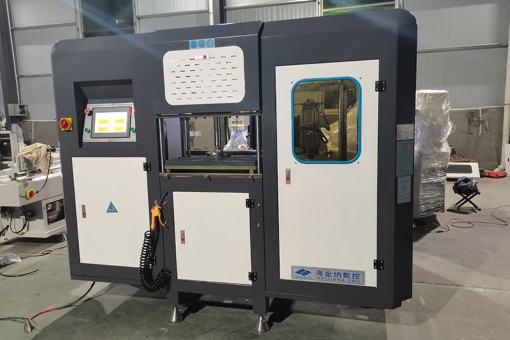
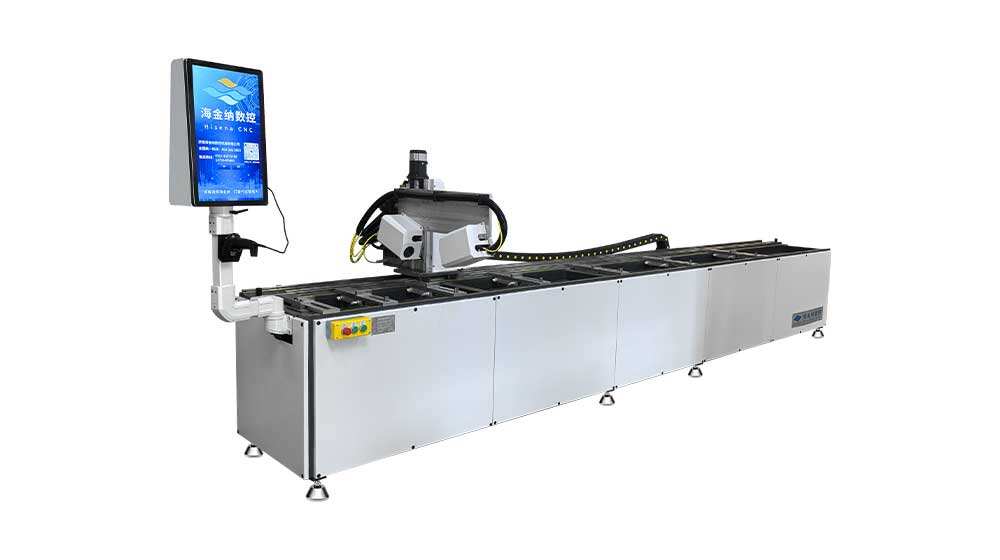
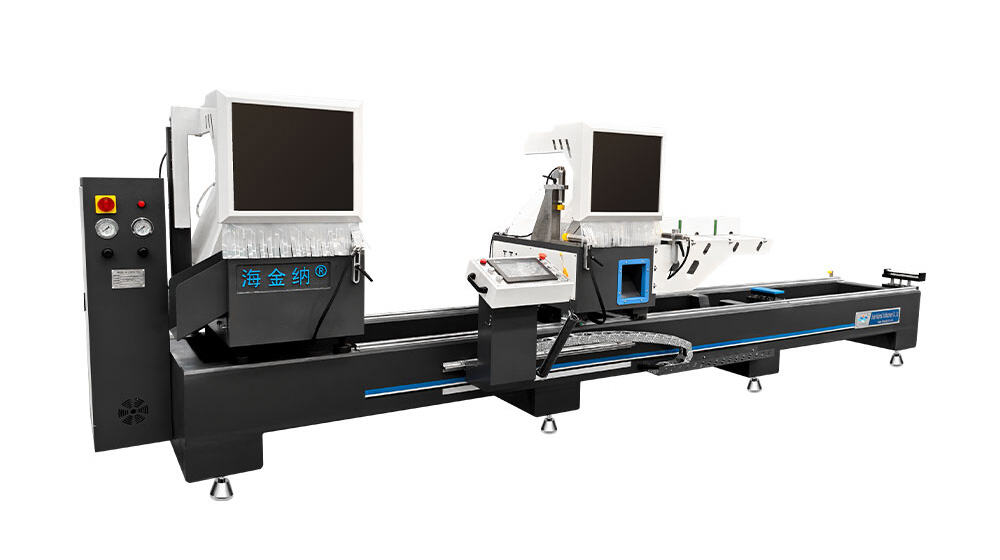
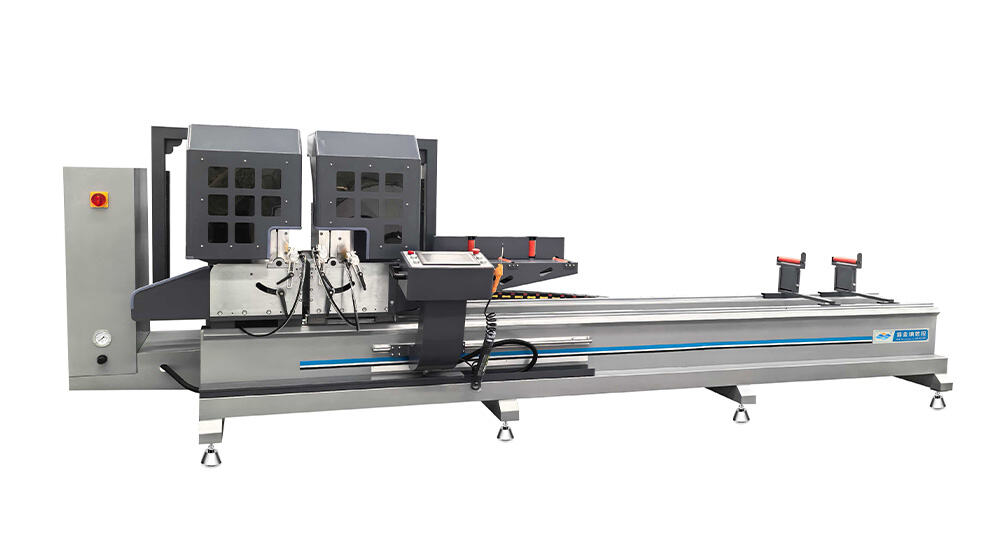
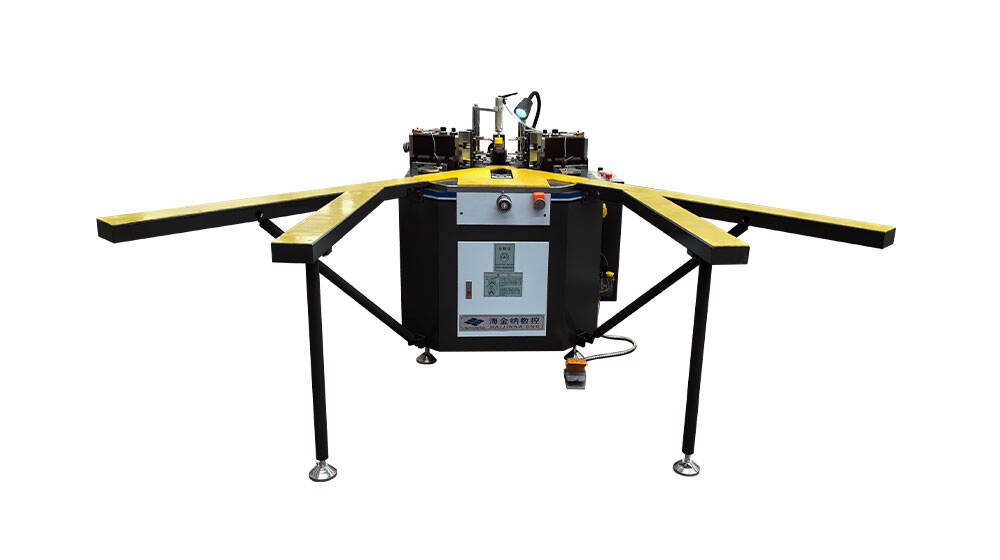
Window making machinery represents a critical investment for manufacturers in the fenestration industry, offering comprehensive solutions for producing various types of windows with precision and efficiency. These sophisticated systems integrate cutting-edge technology to streamline the entire window fabrication process, from initial profile cutting to final assembly. Modern window making machinery encompasses a wide range of equipment including CNC cutting machines, welding systems, glazing units, and automated assembly lines that work together to transform raw materials into finished window products. The primary functions of window making machinery include accurate profile cutting at precise angles, seamless corner joining through advanced welding techniques, glass installation with proper sealing, and quality inspection to ensure every window meets strict industry standards. Technological features incorporated into contemporary window making machinery include digital control systems that allow operators to program exact specifications, servo-driven mechanisms that guarantee repeatable accuracy, and intelligent sensors that monitor production quality in real-time. These machines are designed to handle multiple window materials such as uPVC, aluminum, and wood, making them versatile solutions for diverse manufacturing requirements. The applications of window making machinery extend across residential construction, commercial building projects, renovation markets, and specialized architectural installations. Manufacturers utilizing this equipment can produce various window styles including casement windows, sliding windows, tilt-and-turn configurations, and custom designs tailored to specific project requirements. The machinery's adaptability allows businesses to respond quickly to changing market demands while maintaining consistent production quality. Integration capabilities with existing production lines make window making machinery a scalable solution that grows alongside business expansion. Advanced safety features protect operators during all phases of operation, while intuitive interfaces reduce training time and minimize operational errors. The investment in professional window making machinery translates directly into improved product quality, reduced material waste, and enhanced production capacity that positions manufacturers competitively in an increasingly demanding marketplace.

New Products

Investing in professional window making machinery delivers substantial practical benefits that directly impact your bottom line and operational efficiency. First and foremost, these systems dramatically increase production speed compared to manual methods, allowing your facility to complete more orders in less time without compromising quality. The automated processes eliminate human error that often occurs during repetitive tasks, ensuring every window you produce meets exact specifications consistently. This consistency builds your reputation and reduces costly callbacks for defective products. The precision offered by window making machinery means you waste significantly less material during production. Accurate cutting systems calculate optimal material usage, and automated feeding mechanisms prevent mishaps that typically result in scrapped profiles or broken glass. Over time, these material savings add up to substantial cost reductions that improve your profit margins. Your workforce becomes more productive when supported by window making machinery because operators can focus on oversight and quality control rather than physically demanding repetitive tasks. This reduces workplace injuries, lowers insurance costs, and improves employee satisfaction and retention. Training new staff becomes easier since the machinery handles complex operations through programmed settings rather than requiring years of manual skill development. The flexibility of modern window making machinery allows you to accept diverse orders without retooling your entire operation. Quick changeover capabilities mean you can switch between different window styles, sizes, and materials within minutes, enabling you to serve broader markets and capture more business opportunities. This adaptability is particularly valuable when responding to custom orders or seasonal demand fluctuations. Energy efficiency built into contemporary window making machinery reduces your operational costs while supporting environmental sustainability goals. Optimized power consumption, reduced waste generation, and longer equipment lifespan contribute to lower total cost of ownership. The machinery's reliability minimizes unexpected downtime that disrupts production schedules and disappoints customers. Predictive maintenance features alert you to potential issues before they cause breakdowns, allowing you to schedule repairs during planned downtime rather than emergency situations. Quality improvements achieved through window making machinery enhance your competitive position in the market. Superior product consistency, tighter tolerances, and improved finishing quality allow you to command premium prices and attract discerning customers who value excellence. The professional appearance of machine-fabricated windows reflects positively on your brand and generates positive word-of-mouth referrals. Finally, the data collection capabilities of modern window making machinery provide valuable insights into your production processes. Tracking metrics like cycle times, material consumption, and quality indicators helps you identify improvement opportunities and make informed business decisions that drive continuous operational enhancement.

Latest News

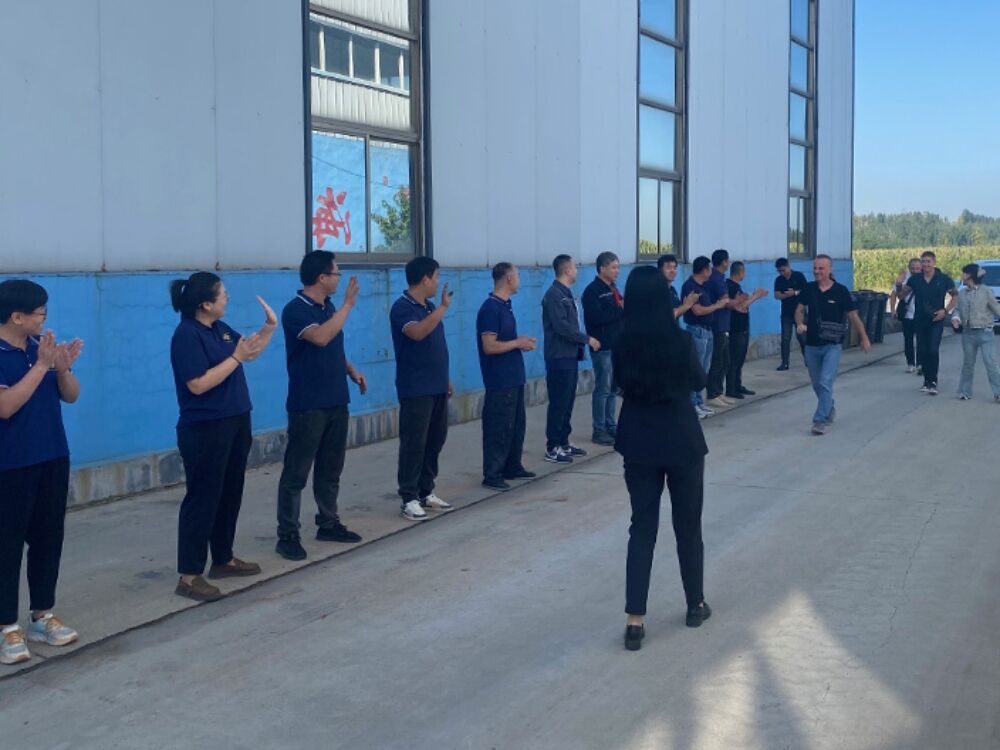
Foreign Clients Drop by HISENA Factory for Hands-On Equipment Training & Tech Chat

30

Apr

Foreign Clients Drop by HISENA Factory for Hands-On Equipment Training & Tech Chat

View More
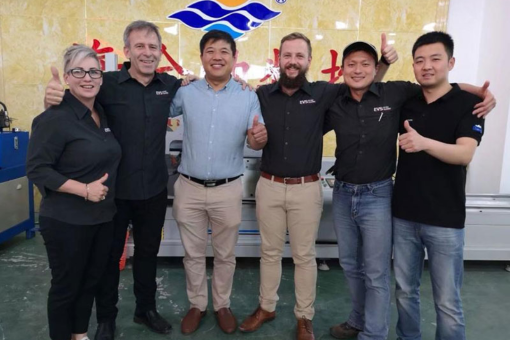
New Zealand customers came and visited our factory

30

Apr

New Zealand customers came and visited our factory

View More
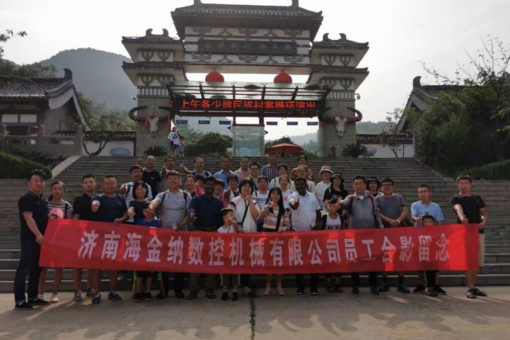
Hisena Family and Foreign Customers Explore Jinan Jiuding Tower Chinese National Joy Park, Experiencing Six Ethnic Cultures and Joy of Traditional Water Festival

30

Apr

Hisena Family and Foreign Customers Explore Jinan Jiuding Tower Chinese National Joy Park, Experiencing Six Ethnic Cultures and Joy of Traditional Water Festival

View More
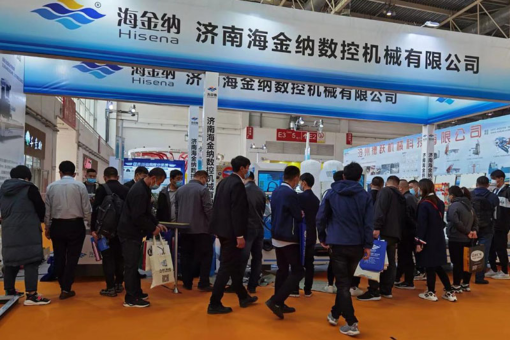
Hisena Exhibits in Beijing, Equipment Highly Popular Among Customers

30

Apr

Hisena Exhibits in Beijing, Equipment Highly Popular Among Customers

View More

Get a Free Quote

Our representative will contact you soon.
Name
Email
Telephone
Country
Company Name
Message
0/1000

window making machinery

Precision Engineering That Guarantees Perfect Window Assembly Every Time

Precision Engineering That Guarantees Perfect Window Assembly Every Time

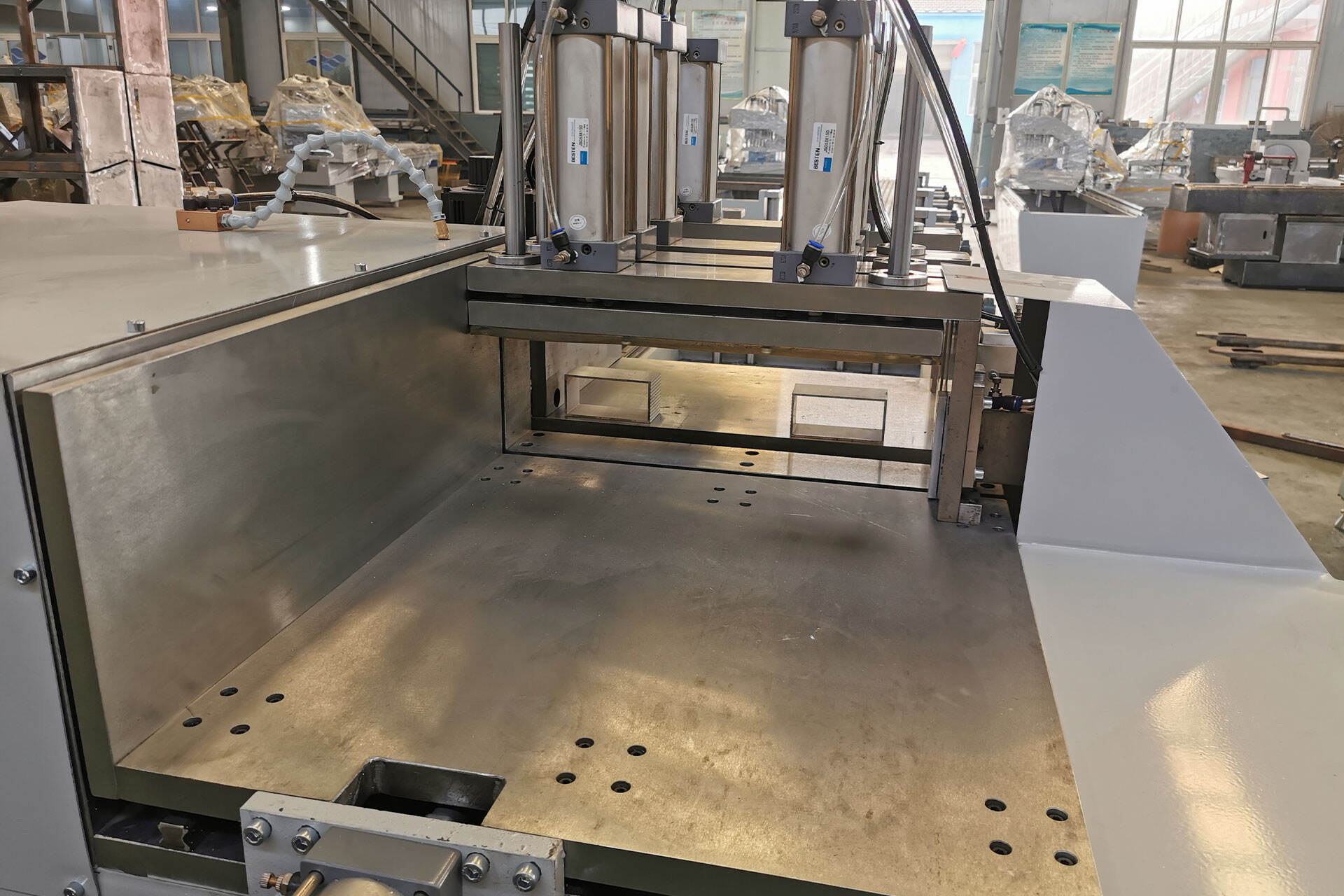
The precision engineering incorporated into window making machinery stands as perhaps its most valuable attribute for manufacturers seeking to establish themselves as quality leaders in the fenestration industry. This machinery utilizes advanced CNC technology that controls cutting, drilling, and milling operations with tolerances measured in fractions of a millimeter, ensuring that every component fits together perfectly during assembly. The servo-driven systems eliminate the variations inherent in manual operations, where human fatigue or inconsistent technique can lead to dimensional discrepancies that compromise window performance. When producing windows, even minor misalignments can result in air leakage, water infiltration, and operational difficulties that lead to customer complaints and warranty claims. Window making machinery eliminates these concerns through computer-controlled positioning systems that execute identical operations thousands of times without deviation. The digital measurement systems integrated into this equipment continuously verify dimensions throughout the production process, automatically adjusting parameters if any drift is detected. This real-time quality assurance means defects are caught immediately rather than after entire batches have been completed, saving both materials and labor. The precision extends beyond simple dimensional accuracy to include angular cuts that must be exact for proper corner joining, drainage hole positioning that affects weather performance, and hardware mounting locations that determine operational smoothness. Modern window making machinery achieves this through multiple coordinated axes that work simultaneously to create complex profiles and features that would be nearly impossible to replicate consistently through manual methods. The repeatability offered by this precision engineering allows manufacturers to build comprehensive product catalogs with confidence that every window style can be reproduced exactly as specified, regardless of order timing or which operator runs the machinery. This consistency becomes particularly important for large commercial projects where hundreds of windows must appear identical and perform uniformly across an entire building facade. The machinery's precision also enables tighter construction tolerances that improve energy efficiency by minimizing gaps and ensuring proper seal compression. As building codes become increasingly stringent regarding thermal performance, the ability to manufacture windows with exacting specifications becomes not just a quality advantage but a regulatory necessity. Furthermore, precision engineering reduces the need for manual adjustments during installation, saving time for both manufacturers and contractors while minimizing the opportunities for installation errors that could compromise product performance.
Automated Workflow Integration That Maximizes Production Efficiency

Automated Workflow Integration That Maximizes Production Efficiency

The automated workflow integration capabilities of modern window making machinery revolutionize production efficiency by connecting previously isolated manufacturing steps into a seamless, coordinated system. This integration begins with digital design data that flows directly into the machinery's control systems, eliminating transcription errors and reducing setup time dramatically. Operators simply load approved window specifications, and the machinery automatically configures all necessary parameters including blade positions, welding temperatures, and material feed rates. This digital integration extends throughout the entire production sequence as window making machinery coordinates multiple operations that previously required separate workstations and manual material handling between each stage. Profile cutting stations communicate with welding equipment to ensure corner joints receive properly prepared surfaces, while glazing systems access specifications to select appropriate glass thickness and spacer dimensions. The result is a continuous flow manufacturing environment where windows progress through fabrication stages without delays or bottlenecks. Material handling automation represents another critical component of workflow integration, as window making machinery incorporates conveyors, transfer systems, and robotic pick-and-place units that move components between workstations without human intervention. This automation eliminates the physical strain on workers while preventing the drops, bumps, and handling damage that can occur during manual transfers. The machinery's integrated sensors track each window's progress through production, providing real-time visibility into work-in-process inventory and enabling accurate delivery estimates for customers. Production scheduling becomes more reliable because the system calculates realistic completion times based on actual machinery capacity rather than estimates. The workflow integration also captures valuable production data including cycle times, material consumption, and quality metrics that help managers identify improvement opportunities and optimize resource allocation. When bottlenecks develop, the system highlights exactly where delays occur, allowing targeted interventions rather than guesswork. The machinery's integration capabilities extend beyond the production floor to connect with enterprise resource planning systems, automatically updating inventory levels as materials are consumed and triggering reorder points to prevent stock-outs. This comprehensive integration transforms window manufacturing from a series of disconnected manual operations into an intelligent, self-optimizing production system that continuously improves efficiency while maintaining the flexibility to accommodate custom orders and rush jobs without disrupting overall workflow.
Versatile Multi-Material Processing That Expands Market Opportunities

Versatile Multi-Material Processing That Expands Market Opportunities

The versatile multi-material processing capabilities built into contemporary window making machinery provide manufacturers with unprecedented flexibility to serve diverse market segments and respond to evolving customer preferences without requiring separate equipment investments for each material type. This versatility begins with adjustable clamping systems and tool holders that accommodate the different dimensions and handling characteristics of uPVC profiles, aluminum extrusions, and wooden frames, allowing quick changeovers between material types with minimal downtime. The machinery's intelligent control systems store optimized parameters for each material, automatically adjusting cutting speeds, blade types, welding temperatures, and feed pressures when switching between production runs. This automation ensures optimal results regardless of material while eliminating the trial-and-error adjustments that waste time and materials when working with unfamiliar products. For uPVC window production, the window making machinery provides precisely controlled heating elements that achieve uniform melting temperatures for strong, aesthetically pleasing corner welds without degrading the material's structural properties or causing unsightly discoloration. When processing aluminum profiles, the equipment switches to mechanical fastening and crimping operations with the force calibration necessary to create secure joints without deforming the softer metal. Wood window fabrication utilizes the machinery's precision cutting and drilling capabilities to create traditional joinery methods including mortise-and-tenon connections, while integrated routing functions produce decorative profiles that enhance visual appeal. This multi-material capability allows manufacturers to position themselves as comprehensive window suppliers rather than specialists limited to a single product category, opening doors to broader customer bases and larger projects that specify multiple window types. Architects and contractors increasingly prefer working with suppliers who can fulfill entire project requirements through a single source, simplifying procurement and ensuring consistent quality across different window styles. The machinery's versatility also provides strategic business advantages by reducing dependence on any single market segment and allowing manufacturers to pivot toward growing opportunities while scaling back exposure to declining sectors. As consumer preferences shift between materials based on design trends, energy efficiency requirements, and cost considerations, window making machinery operators can respond immediately without the capital expenditure and facility disruption of installing entirely new production lines. The equipment's ability to handle composite materials and innovative new profiles positions manufacturers to adopt emerging technologies as they enter the market, maintaining competitive advantage through early adoption of next-generation window materials.

Get a Free Quote

Our representative will contact you soon.
Name
Email
Telephone
Country
Company Name
Message
0/1000