Professional Window Making Equipment - Advanced Manufacturing Solutions for Quality Window Production

Get a Free Quote

Our representative will contact you soon.
Name
Email
Telephone
Country
Company Name
Message
0/1000

window making equipment

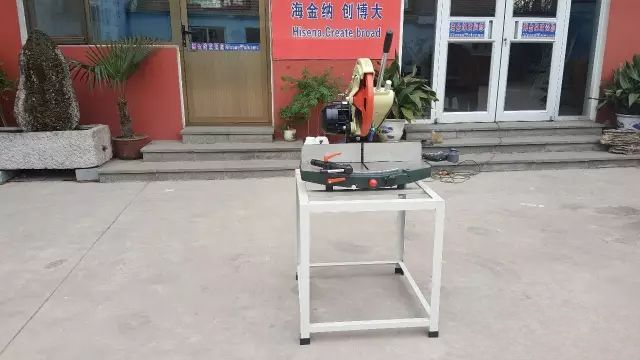
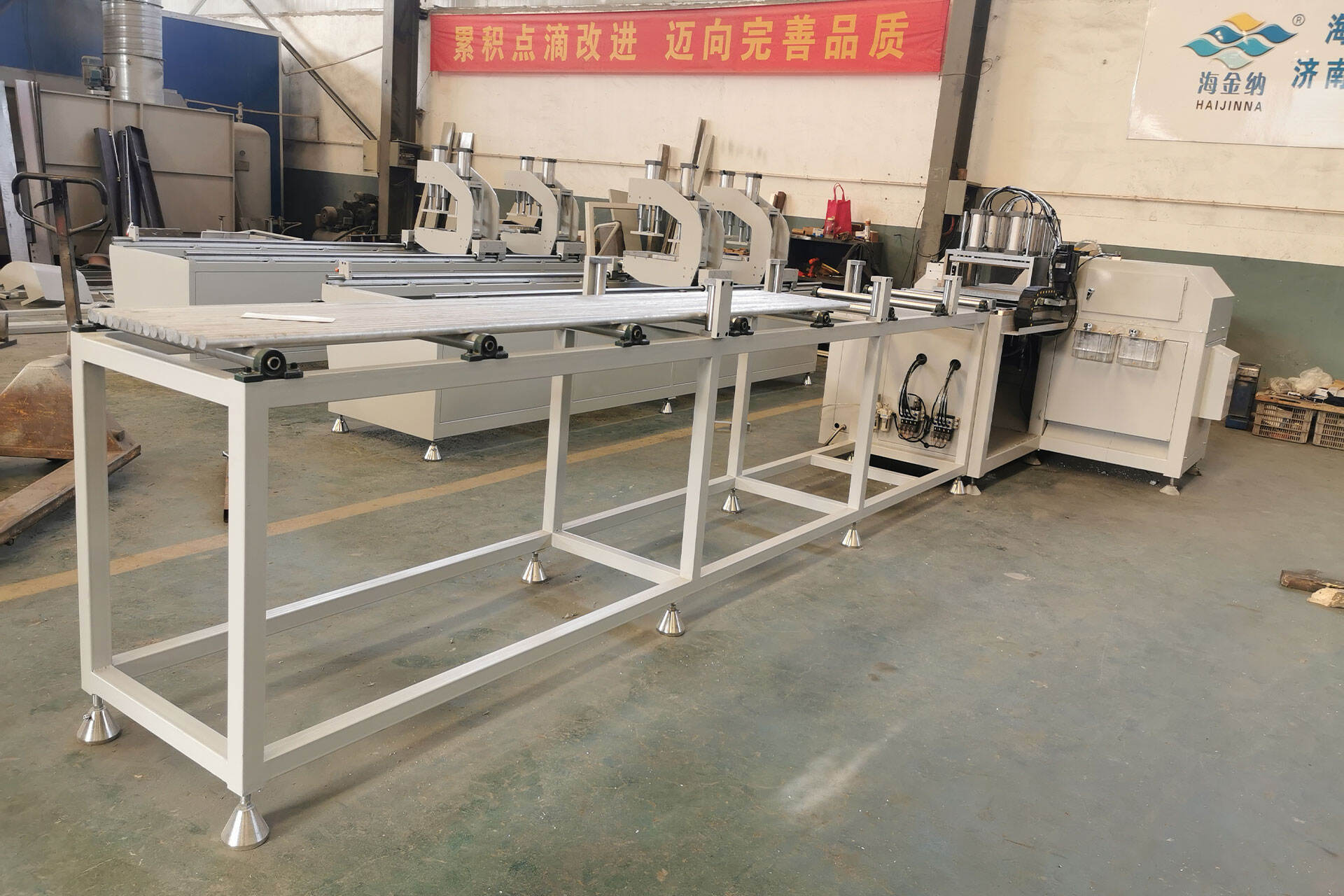
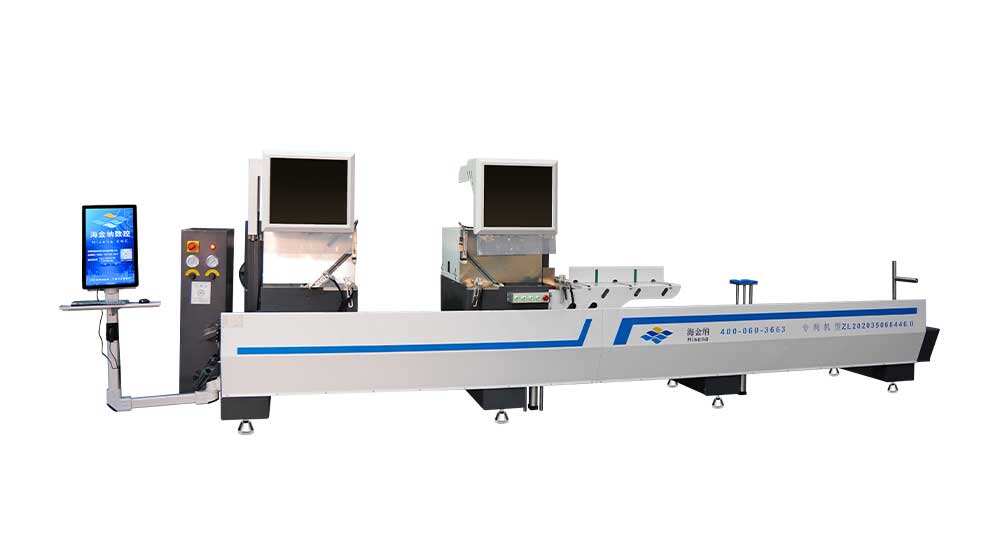
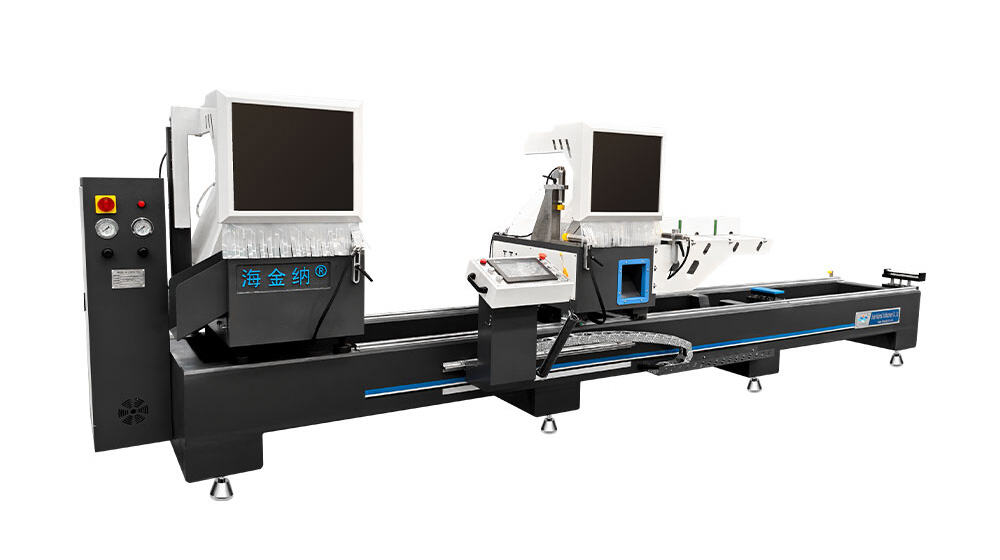
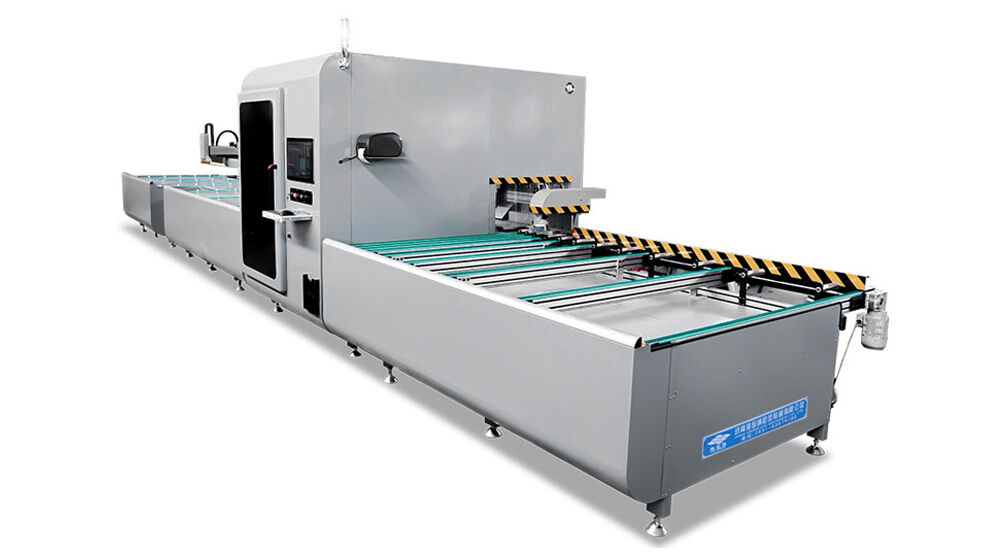
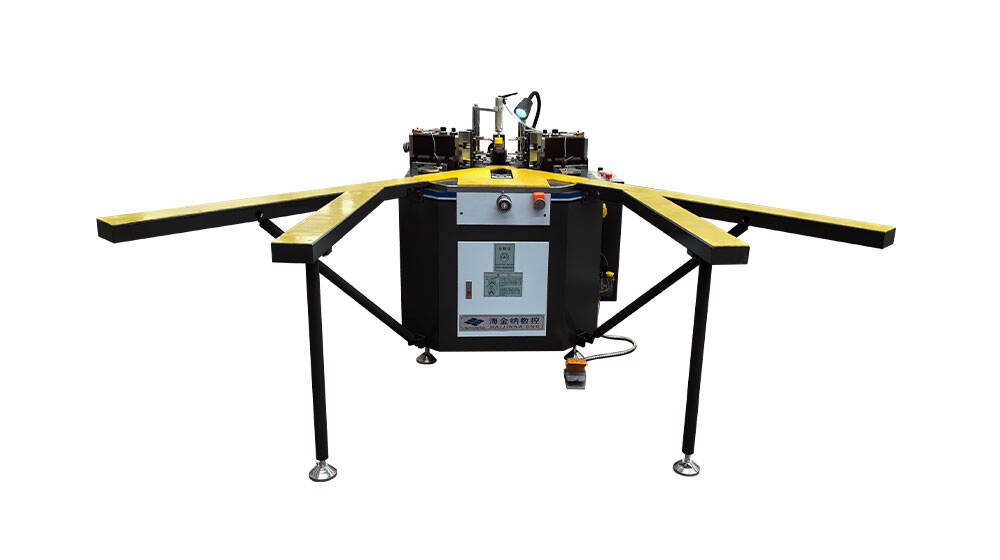
Window making equipment represents a crucial investment for manufacturers seeking to produce high-quality windows efficiently and consistently. This specialized machinery encompasses a comprehensive range of tools and systems designed to handle every stage of window production, from cutting and assembling frames to installing glass panels and applying finishing touches. Modern window making equipment integrates advanced automation technology with precision engineering to deliver superior results that meet stringent industry standards. The primary functions of window making equipment include accurate cutting of frame materials such as aluminum, vinyl, and wood, precise corner joining and welding, glass cutting and edge processing, hardware installation, and quality control verification. These machines utilize computer numerical control systems to ensure dimensional accuracy and repeatability across production runs. Technological features incorporated into contemporary window making equipment include servo-driven positioning systems for exact placement, automated tool changing mechanisms to reduce downtime, digital measurement systems for quality assurance, and user-friendly interfaces that simplify operation and programming. Advanced models feature integrated software platforms that connect multiple machines into cohesive production lines, enabling seamless workflow management and real-time monitoring of production metrics. The applications of window making equipment span residential construction, commercial building projects, renovation markets, and specialized architectural installations requiring custom window solutions. Manufacturers serving diverse market segments rely on this equipment to produce various window styles including casement, sliding, awning, fixed, and specialty shapes. The versatility of modern window making equipment allows producers to switch between different window types and materials with minimal setup time, maximizing production flexibility and market responsiveness. Investment in quality window making equipment translates directly into competitive advantages through improved product consistency, reduced labor costs, faster production cycles, and enhanced capability to fulfill custom orders that command premium pricing in the marketplace.

New Product Releases

Investing in professional window making equipment delivers substantial practical benefits that directly impact your business profitability and operational efficiency. First and foremost, these machines dramatically increase production speed compared to manual fabrication methods, allowing your facility to complete more orders within shorter timeframes and respond quickly to market demand fluctuations. Automated systems eliminate human error in critical measurements and cuts, ensuring every window meets exact specifications without costly material waste or customer returns due to dimensional inaccuracies. The consistency achieved through mechanized production means each window leaving your facility maintains identical quality standards, building your reputation for reliability and craftsmanship in the marketplace. Labor cost reduction represents another significant advantage, as window making equipment enables fewer workers to accomplish greater output volumes. Operators can manage multiple machines simultaneously once production parameters are programmed, freeing skilled workers to focus on supervision, quality control, and complex custom projects that require human expertise. Safety improvements constitute a vital benefit often overlooked in purchasing decisions. Modern window making equipment incorporates comprehensive safety features including emergency stop mechanisms, protective guards, and automated material handling systems that minimize worker exposure to dangerous cutting tools and heavy materials. These safety enhancements reduce workplace accidents, lower insurance premiums, and create a more attractive working environment for retaining talented employees. Material optimization capabilities built into advanced window making equipment calculate the most efficient cutting patterns to extract maximum yield from raw materials, directly reducing your per-unit production costs and improving profit margins. The precision of automated systems also enables you to work with thinner, lighter materials without compromising structural integrity, opening opportunities to reduce material expenses while maintaining product performance. Flexibility to handle diverse projects without extensive retooling gives manufacturers equipped with modern machinery a competitive edge in securing contracts that require varied window specifications. Quick changeover capabilities mean you can profitably accept smaller custom orders that competitors using outdated equipment must decline due to prohibitive setup costs. Energy efficiency designed into contemporary window making equipment reduces operational expenses through optimized motor systems and intelligent power management that minimizes electricity consumption during idle periods. The durability and reliability of quality equipment minimize maintenance requirements and unexpected downtime that disrupts production schedules and delays customer deliveries. Enhanced finishing capabilities available in comprehensive window making equipment systems enable value-added services such as specialized coatings, decorative glass options, and integrated smart window technology that command higher selling prices and differentiate your products in crowded markets.

Practical Tips

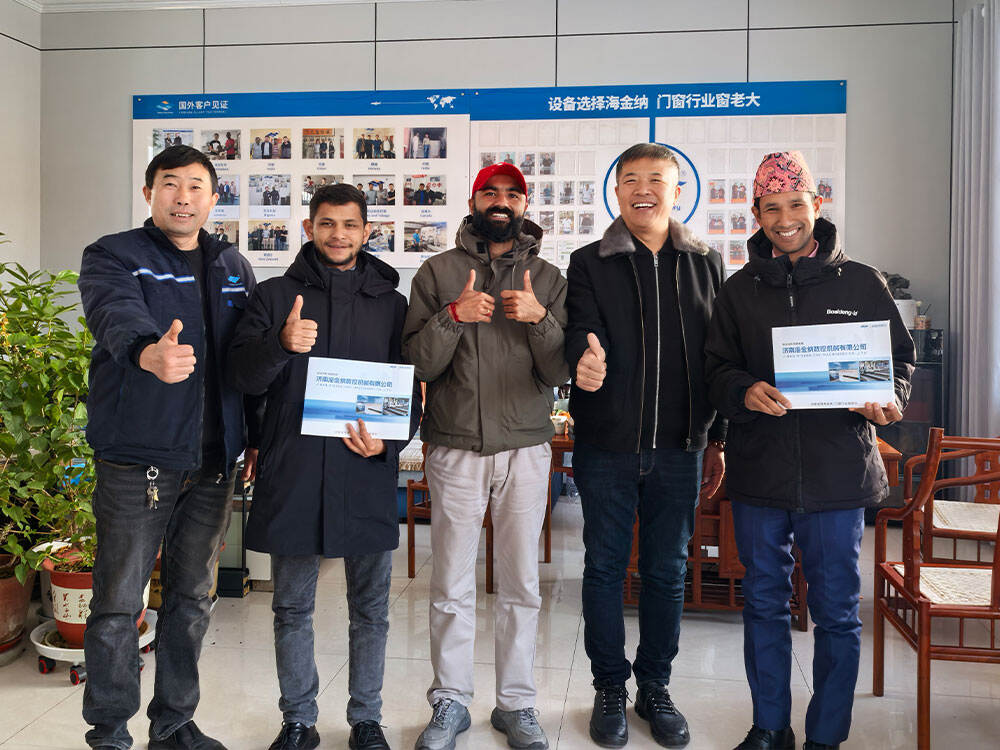
Nepalese Client Returns: Hisena Is the First Choice for Equipment!

30

Apr

Nepalese Client Returns: Hisena Is the First Choice for Equipment!

View More
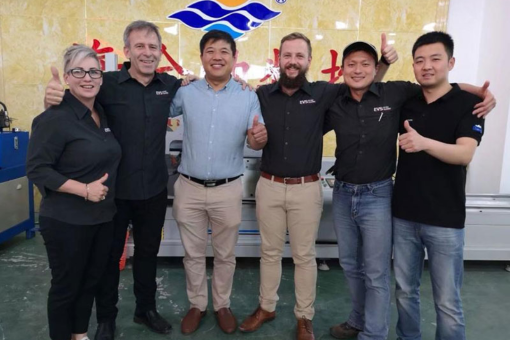
New Zealand customers came and visited our factory

30

Apr

New Zealand customers came and visited our factory

View More
Hisena Debuts

30

Apr

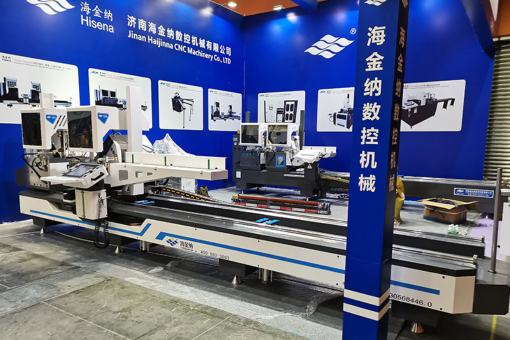
Hisena Debuts "CNC High Precision Saw with Upgraded Wireless Transmission" at Guangdong Exhibition

View More
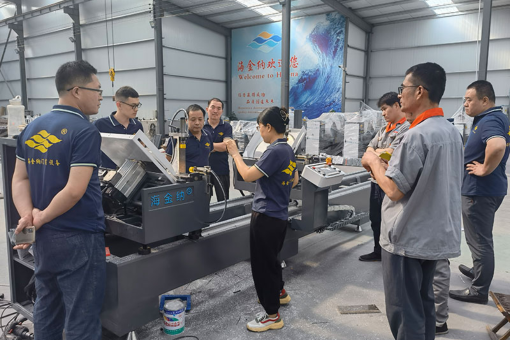
Hisena Production Staff Trains to Improve Installation Steps and Skills for Higher Quality Products

30

Apr

Hisena Production Staff Trains to Improve Installation Steps and Skills for Higher Quality Products

View More

Get a Free Quote

Our representative will contact you soon.
Name
Email
Telephone
Country
Company Name
Message
0/1000

window making equipment

Precision Automation Technology for Flawless Production

Precision Automation Technology for Flawless Production

The integration of precision automation technology stands as the defining characteristic that separates modern window making equipment from conventional fabrication tools. This sophisticated automation encompasses multiple interconnected systems working in harmony to achieve manufacturing excellence that manual methods simply cannot replicate. At the core lies computer numerical control technology that translates digital designs into precise physical movements with accuracy measured in fractions of millimeters. These systems store unlimited design specifications in memory, allowing instant recall and reproduction of any window configuration without manual measurement or setup adjustments. Servo motors provide the mechanical muscle behind this precision, delivering consistent force and positioning across millions of operational cycles without degradation in performance. The importance of this automation technology extends far beyond simple accuracy. It fundamentally transforms your production capability by eliminating the skill gap that traditionally limited manufacturing capacity. Where manual fabrication required years of apprenticeship to develop the hand-eye coordination and judgment necessary for quality work, automated window making equipment enables trained operators to produce expert-level results within weeks of initial instruction. This democratization of manufacturing excellence means your business growth is no longer constrained by the availability of master craftsmen in your labor market. Furthermore, precision automation delivers consistency that builds customer confidence and reduces your quality control burden. Every window produced according to the same programmed parameters will emerge virtually identical to its predecessors, eliminating the natural variation inherent in human performance. This consistency proves especially valuable when fulfilling large commercial contracts requiring hundreds of matching windows, where even slight variations in dimensions or appearance become glaringly obvious once installed. The automation technology incorporated into window making equipment also provides comprehensive data collection capabilities that enable continuous process improvement. Sensors monitor every aspect of production, from material feed rates to cutting tool wear, generating detailed performance metrics that reveal optimization opportunities invisible to manual observation. This data-driven approach to manufacturing allows you to refine your processes systematically, incrementally improving efficiency and quality over time. Modern window making equipment automation extends to material handling, with integrated conveyors, robotic positioning arms, and automated stacking systems that move materials through production stages without manual lifting or carrying, protecting workers from repetitive strain injuries while accelerating production flow.
Versatile Multi-Material Processing Capabilities

Versatile Multi-Material Processing Capabilities

The versatile multi-material processing capabilities built into comprehensive window making equipment systems provide manufacturers with unprecedented flexibility to serve diverse market segments and adapt to evolving architectural trends. This versatility represents a fundamental competitive advantage in an industry where customer preferences and building codes continuously change, requiring manufacturers to offer varied window solutions rather than limiting their catalog to single-material products. Advanced window making equipment accommodates all primary frame materials including vinyl extrusions, aluminum profiles, wood components, and composite materials, switching between these different substrates with minimal adjustment or specialized tooling. This multi-material capability matters enormously for business strategy and market positioning. Manufacturers equipped with versatile systems can pursue opportunities across residential, commercial, and institutional construction markets simultaneously, rather than restricting themselves to narrow niches dictated by equipment limitations. When vinyl windows dominate your regional market, you can focus production capacity on high-volume vinyl fabrication. When architectural specifications demand aluminum-framed curtain wall systems, you can redirect those same machines to fulfill commercial contracts without capital investment in dedicated equipment. This flexibility insulates your business from market fluctuations affecting any single product category. The technical sophistication enabling this versatility involves intelligent tool recognition systems, automated parameter adjustment based on material characteristics, and modular machine configurations that accept different cutting heads, welding systems, and finishing accessories. Quick-change tooling systems allow operators to swap processing modules in minutes rather than hours, maintaining production momentum even when switching between radically different window types. Material-specific processing optimization represents another dimension of this versatility, with window making equipment adjusting feed speeds, cutting pressures, and welding temperatures automatically based on the material being processed. Vinyl requires different thermal management than aluminum during welding operations, and wood demands distinct cutting approaches compared to composite materials. Sophisticated equipment manages these variations seamlessly, ensuring optimal results regardless of substrate. The value proposition extends to custom architectural projects where unique window designs require specialized fabrication approaches. Versatile window making equipment empowers manufacturers to accept challenging custom orders that competitors must decline, capturing premium pricing available in the specialty window market. This capability proves particularly valuable for establishing relationships with architects and designers who specify windows for high-end residential and signature commercial projects.
Integrated Quality Control and Production Management

Integrated Quality Control and Production Management

Integrated quality control and production management systems embedded within modern window making equipment represent a revolutionary advance that transforms manufacturing operations from reactive problem-solving to proactive excellence management. These comprehensive systems monitor every aspect of the production process in real-time, instantly identifying deviations from specifications and enabling immediate corrective action before defective products consume additional resources or reach customers. The sophistication of integrated quality control begins with dimensional verification systems that measure finished components against digital specifications with laser precision, automatically flagging any variance exceeding programmed tolerances. This automated inspection eliminates human subjectivity and fatigue factors that compromise manual quality checks, especially during long production runs when attention naturally wanes. Vision systems complement dimensional measurement by examining surface quality, detecting scratches, color inconsistencies, or contamination that might escape visual inspection under production-floor lighting conditions. The production management dimension provides unprecedented visibility into manufacturing operations, displaying real-time data on machine utilization rates, production speeds, material consumption, and order completion status. This transparency enables supervisors to make informed decisions about resource allocation, prioritizing urgent orders, balancing workload across multiple machines, and identifying bottlenecks constraining overall throughput. Historical data accumulation creates a valuable knowledge base for continuous improvement initiatives, revealing patterns in machine performance, seasonal demand fluctuations, and operator productivity that inform strategic planning and capital investment decisions. Predictive maintenance capabilities incorporated into integrated management systems monitor equipment health continuously, analyzing vibration patterns, temperature fluctuations, and performance metrics to forecast potential failures before they occur. This predictive approach allows scheduled maintenance during planned downtime rather than emergency repairs that halt production unexpectedly, maximizing equipment availability and protecting delivery commitments. The integration extends to enterprise resource planning systems, with window making equipment communicating directly with inventory management, order processing, and shipping coordination platforms. This seamless data flow eliminates manual data entry errors, ensures material availability matches production schedules, and provides customers with accurate order status information throughout the manufacturing cycle. Remote monitoring capabilities enable managers to oversee production from any location, receiving alerts about critical events via mobile devices and accessing detailed performance dashboards through web interfaces. This connectivity proves especially valuable for manufacturers operating multiple facilities, enabling centralized oversight while maintaining local operational control at each production site.

Get a Free Quote

Our representative will contact you soon.
Name
Email
Telephone
Country
Company Name
Message
0/1000