Professional Window Production Equipment - Advanced Manufacturing Solutions for Quality Windows

Get a Free Quote

Our representative will contact you soon.
Name
Email
Telephone
Country
Company Name
Message
0/1000

window production equipment

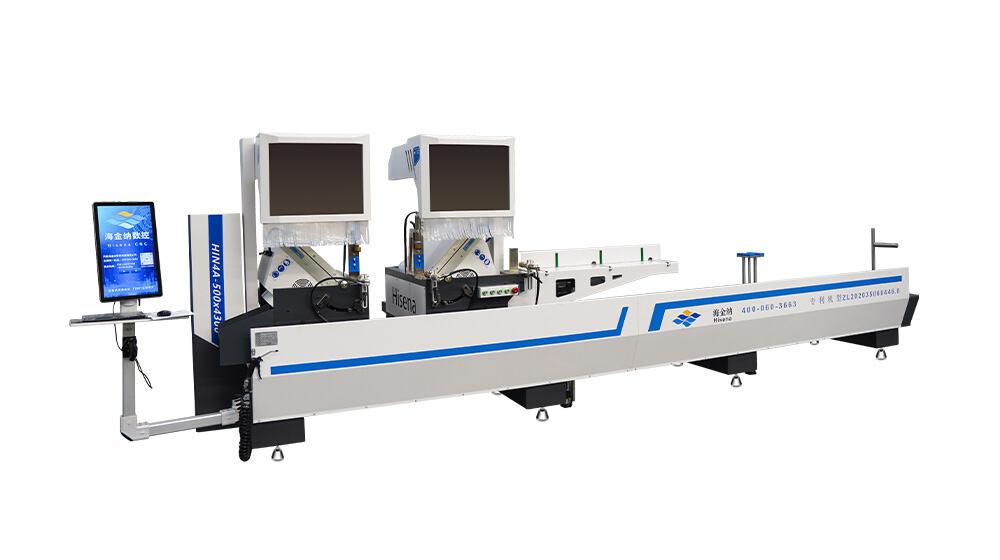
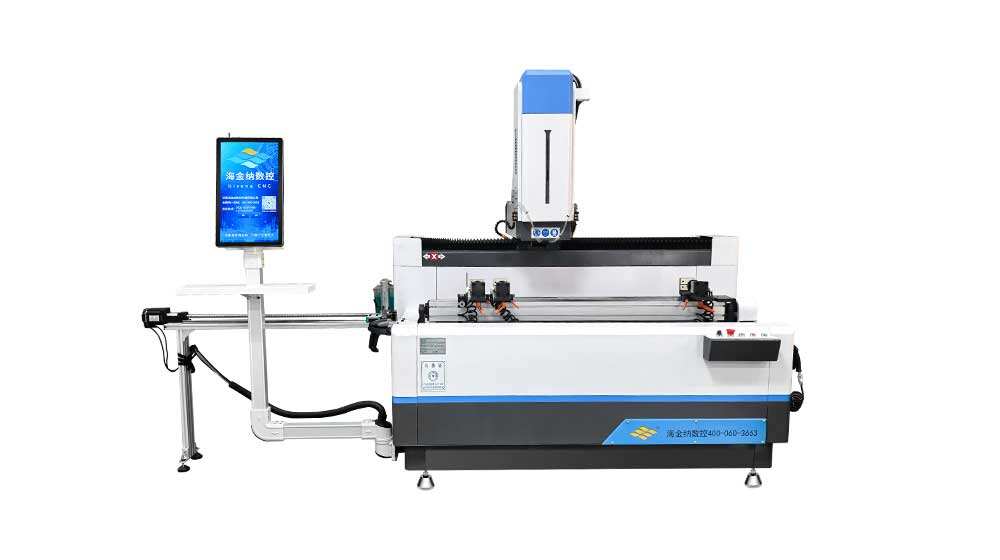
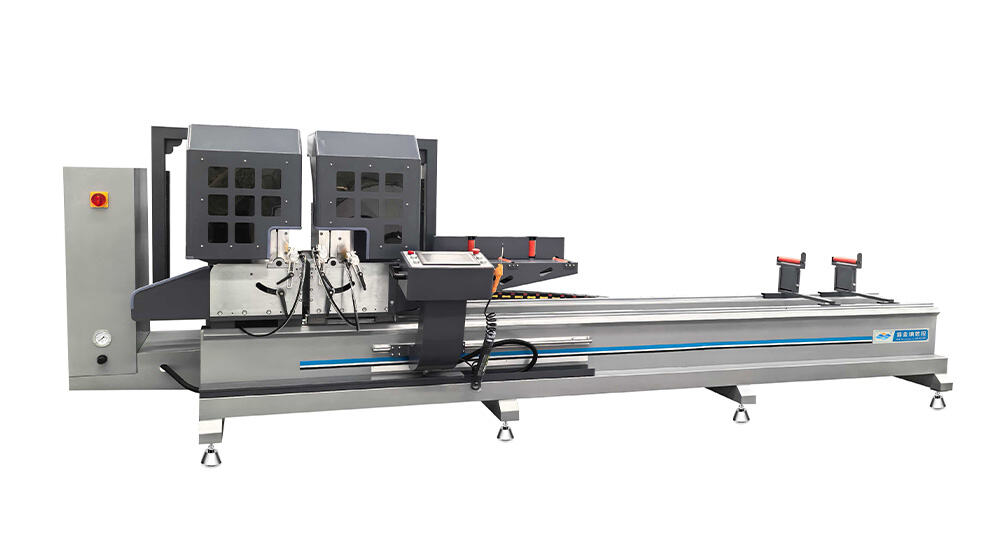
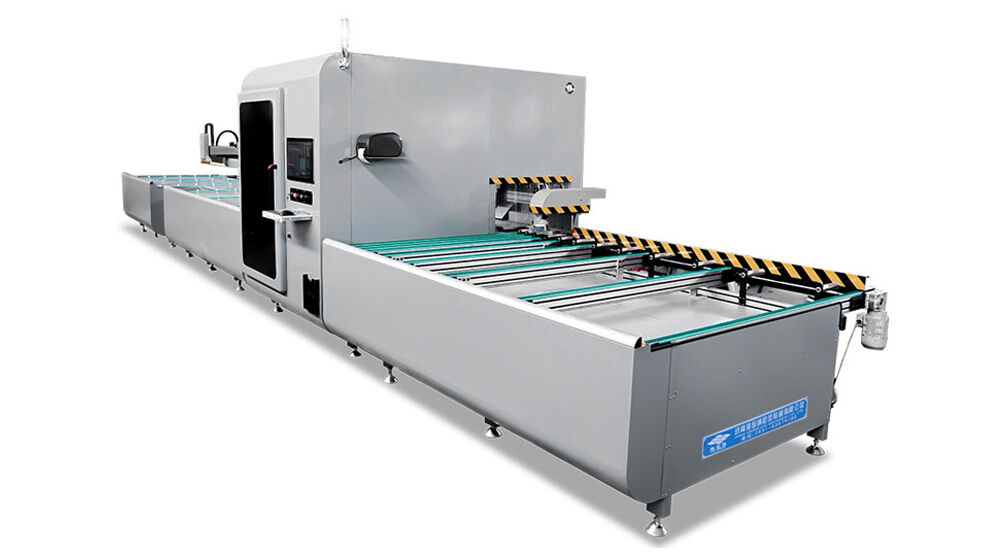
Window production equipment represents a comprehensive collection of specialized machinery designed to manufacture high-quality windows for residential, commercial, and industrial applications. This sophisticated equipment streamlines the entire window fabrication process, from cutting raw materials to assembling finished products ready for installation. Modern window production equipment incorporates advanced automation technology, precision engineering, and user-friendly controls to ensure consistent quality and maximize productivity. The primary functions of window production equipment include cutting profiles to exact dimensions, milling drainage holes and hardware slots, welding corner joints with seamless precision, cleaning fabricated frames, and installing gaskets and hardware components. These machines work in coordinated sequences to transform raw aluminum, vinyl, or wood profiles into completed window frames that meet exacting industry standards. Technological features of contemporary window production equipment include CNC-controlled operations for exceptional accuracy, programmable settings that store multiple window designs, servo-driven motors for smooth and reliable performance, and integrated quality control sensors that detect defects during production. Many systems now incorporate touchscreen interfaces that simplify operation and reduce training time for new workers. The equipment often features modular designs that allow manufacturers to expand capacity as business grows, and compatibility with industry-standard profiles ensures flexibility in product offerings. Applications for window production equipment span across various manufacturing environments, from small fabrication shops producing custom windows for local builders to large-scale factories supplying nationwide distribution networks. The equipment proves invaluable for companies specializing in energy-efficient windows, architectural-grade products, or standard residential replacements. Whether producing single-hung, double-hung, casement, sliding, or specialty windows, this equipment adapts to diverse production requirements while maintaining consistent quality standards that satisfy both regulatory requirements and customer expectations for durability and performance.

New Product Releases

Investing in window production equipment delivers substantial benefits that directly impact your bottom line and competitive position in the marketplace. First and foremost, this equipment dramatically increases production speed compared to manual fabrication methods. What once took hours to complete by hand now takes minutes with automated machinery, allowing you to fulfill more orders, reduce lead times, and respond quickly to market demands. This speed advantage translates into revenue growth without proportionally increasing labor costs. The precision achieved through window production equipment eliminates costly errors and material waste. Computer-controlled cutting and milling operations ensure every piece meets exact specifications, reducing scrap rates and maximizing material utilization. This precision also means fewer callbacks for poorly fitting windows, protecting your reputation and reducing warranty expenses. Consistency represents another critical advantage, as the equipment produces identical results across thousands of units, ensuring every customer receives the same high-quality product regardless of which operator runs the machine or when production occurs. Labor efficiency improves significantly with window production equipment, as one trained operator can oversee multiple machines simultaneously, accomplishing work that previously required a full crew. This efficiency addresses labor shortage challenges while reducing per-unit labor costs, making your operation more profitable and sustainable. The equipment also enhances workplace safety by automating dangerous tasks like cutting and welding, reducing injury risks and associated costs. Employee satisfaction typically increases as workers transition from repetitive manual tasks to skilled machine operation, improving retention and reducing recruitment expenses. Flexibility built into modern window production equipment allows you to diversify your product offerings without major retooling investments. Programmable settings enable quick changeovers between different window styles, sizes, and materials, letting you serve broader market segments and capture opportunities in premium product categories. Quality improvements achieved through window production equipment help you meet stringent energy efficiency standards and building codes, opening doors to green building projects and government contracts. The professional finish and structural integrity of machine-produced windows command premium prices and build customer loyalty. Finally, the equipment provides scalability for business growth, as adding capacity requires minimal additional space and training compared to expanding manual operations, positioning your company for long-term success in an evolving industry.

Tips And Tricks

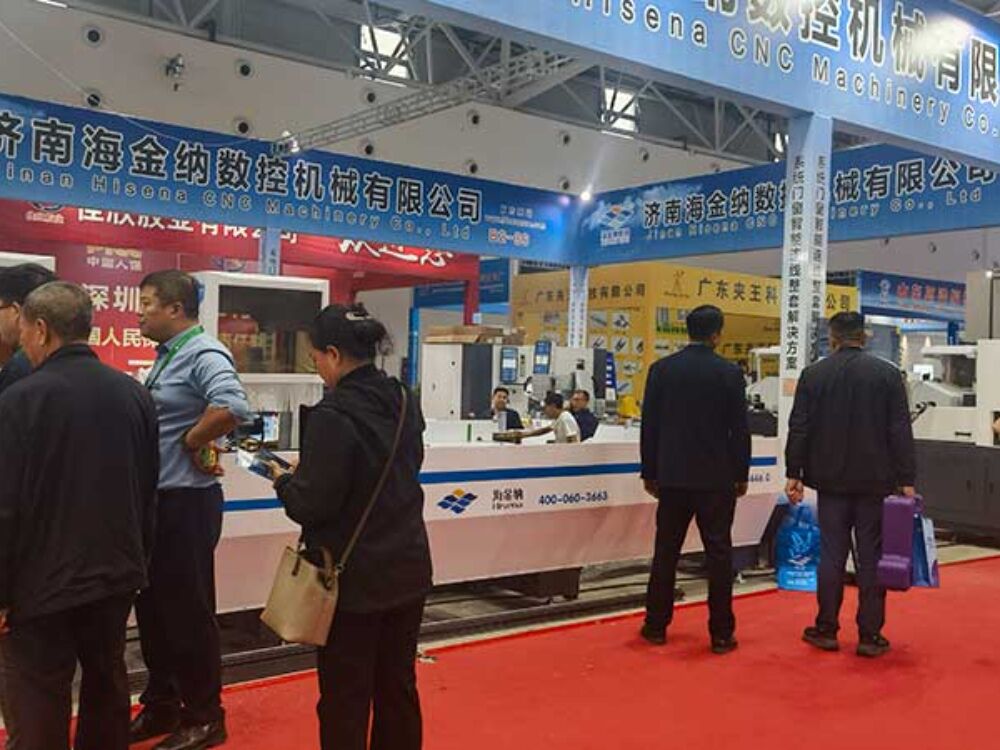
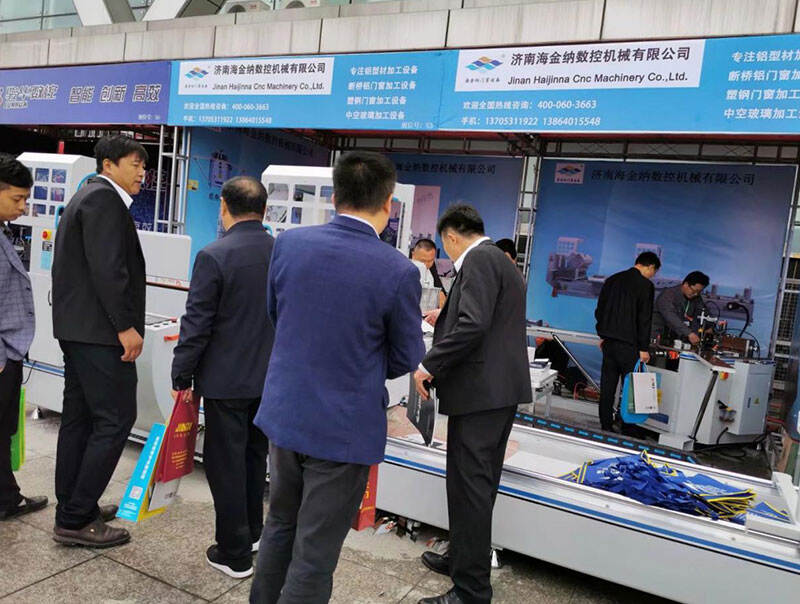
Hisena Launches New Intelligent Wireless Transmission Solution at Linqu Window Door Exhibition

14

May

Hisena Launches New Intelligent Wireless Transmission Solution at Linqu Window Door Exhibition

View More
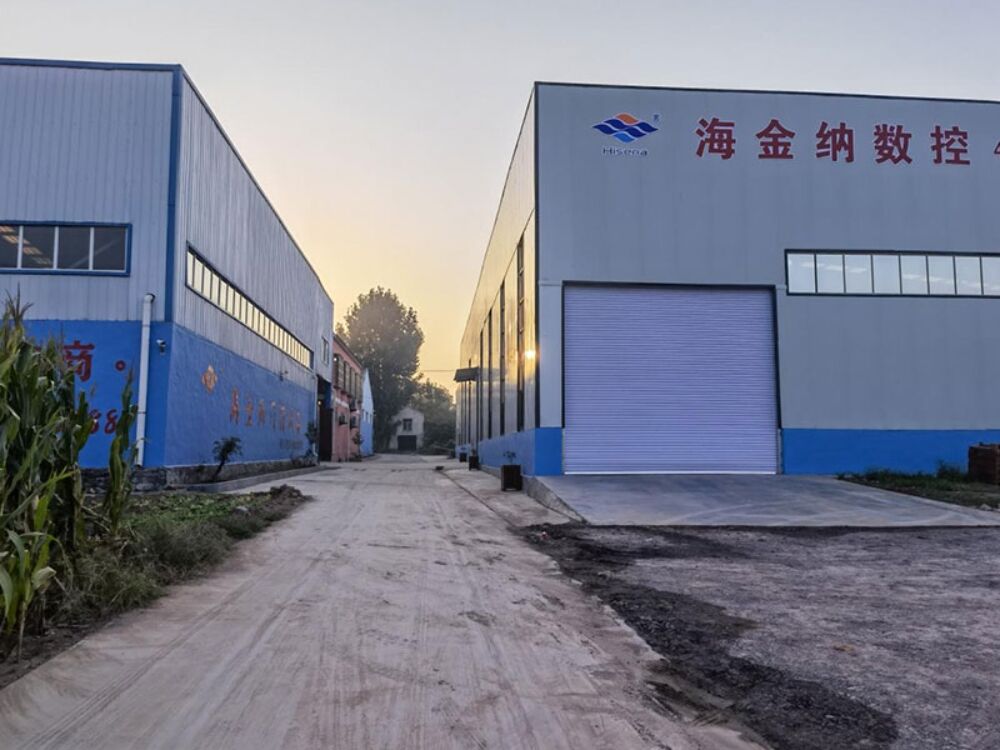
Hisena Moves to a New Factory!

30

Apr

Hisena Moves to a New Factory!

View More
Indian customers came and visited Hisena factory

30

Apr

Indian customers came and visited Hisena factory

View More
Hisena Family and Foreign Customers Explore Jinan Jiuding Tower Chinese National Joy Park, Experiencing Six Ethnic Cultures and Joy of Traditional Water Festival

30

Apr

Hisena Family and Foreign Customers Explore Jinan Jiuding Tower Chinese National Joy Park, Experiencing Six Ethnic Cultures and Joy of Traditional Water Festival

View More

Get a Free Quote

Our representative will contact you soon.
Name
Email
Telephone
Country
Company Name
Message
0/1000

window production equipment

Automated Precision Cutting and Milling Systems

Automated Precision Cutting and Milling Systems

The automated precision cutting and milling systems integrated within window production equipment represent a revolutionary advancement in manufacturing accuracy and efficiency. These sophisticated systems employ computer numerical control technology to execute cuts and milling operations with tolerances measured in fractions of millimeters, ensuring perfect fits and eliminating the inconsistencies inherent in manual methods. The cutting mechanisms utilize high-speed carbide blades or diamond-coated tools that slice through aluminum, vinyl, and composite materials cleanly without deformation or burring, producing edges that require minimal finishing work. Advanced sensors monitor blade condition and automatically compensate for wear, maintaining consistent cutting quality throughout production runs. The milling components precisely create drainage channels, hardware mounting holes, and reinforcement slots at exact locations specified in your design files, eliminating measurement errors and ensuring proper window function. What makes these systems particularly valuable is their programmability, allowing operators to store unlimited window designs in the equipment memory and recall them instantly when needed. This capability dramatically reduces setup time when switching between different window models, maximizing machine utilization and enabling economical production of both large batches and custom orders. The systems also optimize material usage by calculating the most efficient cutting patterns, arranging multiple pieces on each profile length to minimize waste and reduce material costs. Safety features include automatic blade guards, emergency stop mechanisms, and sensors that prevent operation when safety protocols are not followed, protecting workers while maintaining productivity. The precision delivered by these automated systems has profound implications for product quality, as perfectly cut and milled components assemble more easily, seal more effectively, and perform better over the window's lifetime. Customers benefit from windows that operate smoothly, resist air and water infiltration, and maintain their appearance for decades. For manufacturers, this precision means fewer defects, less rework, reduced warranty claims, and enhanced reputation in competitive markets. The speed of automated cutting and milling systems also deserves emphasis, as they complete operations in seconds that would require minutes manually, multiplying daily output potential. This throughput advantage allows manufacturers to accept more orders, shorten delivery schedules, and respond to rush requests that would be impossible with conventional methods, creating competitive advantages that translate directly into increased market share and profitability.
Seamless Corner Welding Technology

Seamless Corner Welding Technology

Seamless corner welding technology incorporated in modern window production equipment fundamentally transforms how window frames achieve structural integrity and aesthetic appeal. This advanced welding capability uses precisely controlled heat and pressure to fuse frame corners into monolithic joints that surpass the strength of the base materials themselves. Unlike mechanical fastening methods that create weak points and visible connections, seamless welding produces corners that are virtually invisible, smooth to the touch, and capable of withstanding extreme structural loads and environmental stresses throughout the window's service life. The welding process occurs in automated stations where frame sections are positioned with micrometer accuracy, heating elements bring the material to optimal fusion temperature, and pneumatic or hydraulic pressure forces the corners together with exact force calibrated for each profile type. Sophisticated control systems monitor temperature, pressure, and timing parameters in real-time, making instantaneous adjustments to ensure perfect welds regardless of ambient conditions or material variations. This level of control eliminates the weak welds, cold joints, and inconsistencies that plague manual welding operations. The quality of seamlessly welded corners directly impacts window performance in multiple dimensions. Structurally, the continuous material at corners distributes loads evenly across the frame, preventing the stress concentrations that cause mechanical joints to fail. This strength is particularly important for large windows, architectural applications, and installations in high-wind or seismic zones where structural performance is critical. Thermally, seamless welds eliminate gaps and discontinuities that create thermal bridges, improving the window's insulating value and contributing to energy efficiency. Weatherproofing benefits significantly, as water and air cannot penetrate the fused material at corners, preventing leaks that damage buildings and disappoint customers. Aesthetically, seamless welds create clean, professional appearances that appeal to architects, builders, and homeowners seeking premium products. The welded corners accept finishing and coating uniformly, ensuring consistent color and texture across the entire frame. From a manufacturing perspective, automated corner welding technology delivers remarkable consistency, producing thousands of identical joints without the variation inherent in operator-dependent processes. This consistency simplifies quality control, reduces inspection time, and builds confidence in your products. The speed of automated welding also contributes to overall production efficiency, as frames move through welding stations in continuous flow without the delays associated with manual operations. Maintenance requirements for modern welding equipment are minimal, with routine cleaning and periodic replacement of heating elements representing the primary service needs, ensuring reliable operation and predictable costs over the equipment's lifespan.
Integrated Quality Control and Data Management

Integrated Quality Control and Data Management

Integrated quality control and data management capabilities built into contemporary window production equipment provide manufacturers with unprecedented visibility into their operations and assurance of product excellence. These intelligent systems employ multiple sensor technologies, including optical cameras, laser measurement devices, pressure transducers, and temperature monitors, positioned at critical points throughout the production line to inspect every window component as it is fabricated. The sensors capture detailed information about dimensions, weld quality, surface finish, hardware installation, and dozens of other parameters, comparing actual results against specified tolerances in real-time. When measurements fall outside acceptable ranges, the system immediately alerts operators and can automatically halt production to prevent defective products from advancing further through the manufacturing process. This instantaneous feedback loop prevents the waste and rework costs associated with discovering defects only after completion. The data management aspect of these systems collects and organizes all measurement and operational information, creating comprehensive digital records for every window produced. These records document that each unit meets quality standards and specifications, providing valuable documentation for warranty claims, building code compliance, and customer inquiries. The accumulated data also reveals patterns and trends in production performance, identifying opportunities for process improvements, predictive maintenance needs, and operator training requirements. Advanced analytics capabilities help manufacturers optimize equipment settings, material selection, and production scheduling to maximize efficiency and profitability. Integration with enterprise resource planning systems allows production data to flow seamlessly to inventory management, shipping, and accounting functions, eliminating manual data entry and improving business process efficiency. For quality-conscious customers, the documentation generated by integrated quality control systems provides confidence that windows meet specified performance criteria, supporting green building certifications and high-performance construction projects. The traceability enabled by these systems also protects manufacturers in the event of disputes or product liability claims, as complete production records demonstrate compliance with standards and proper manufacturing procedures. From an operational improvement perspective, the insights generated by data management systems guide strategic decisions about equipment upgrades, capacity expansion, and product development. Manufacturers can identify which window styles produce the highest margins, which materials generate the least waste, and which processes constrain overall throughput, enabling data-driven investments that generate measurable returns. The competitive advantage gained through integrated quality control and data management extends beyond internal operations, as manufacturers can market their documented quality assurance processes to discerning customers and differentiate their products in crowded markets where quality claims often lack substantiation.

Get a Free Quote

Our representative will contact you soon.
Name
Email
Telephone
Country
Company Name
Message
0/1000