Advanced Window Manufacturing Machinery - Precision Equipment for Efficient Window Production

Get a Free Quote

Our representative will contact you soon.
Name
Email
Telephone
Country
Company Name
Message
0/1000

window manufacturing machinery

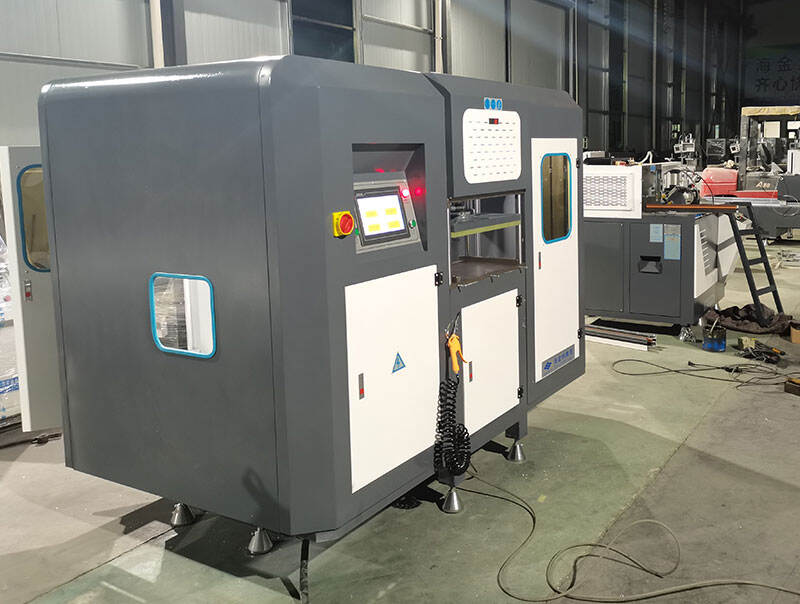
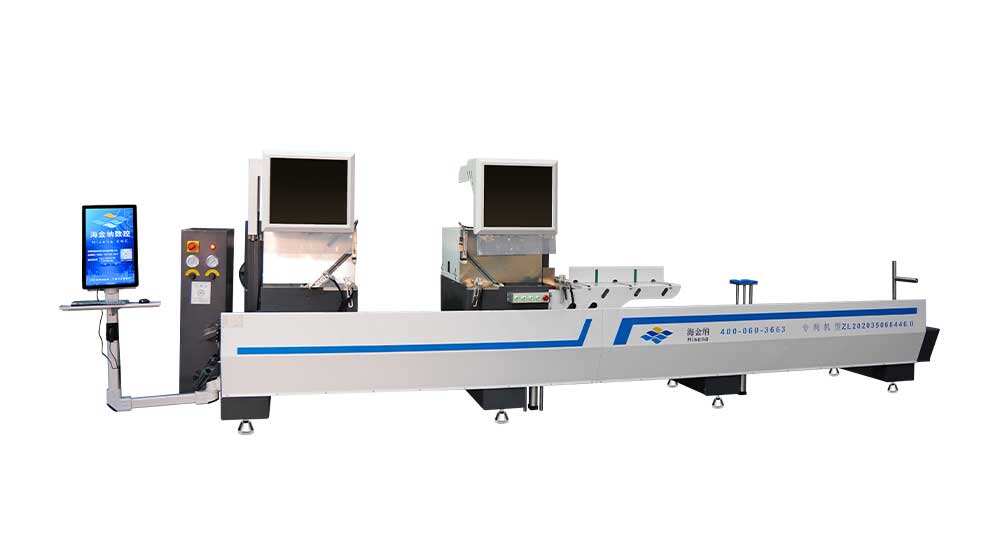
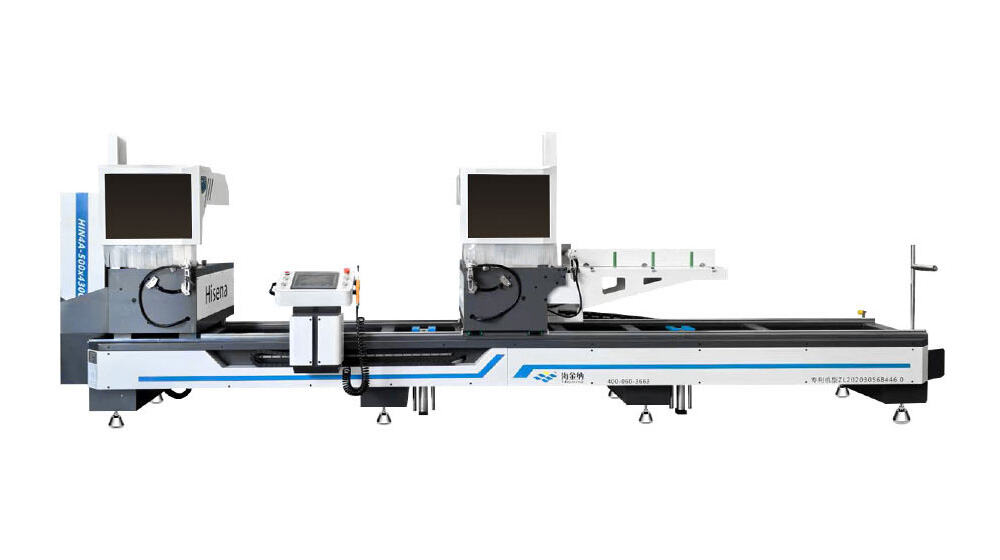
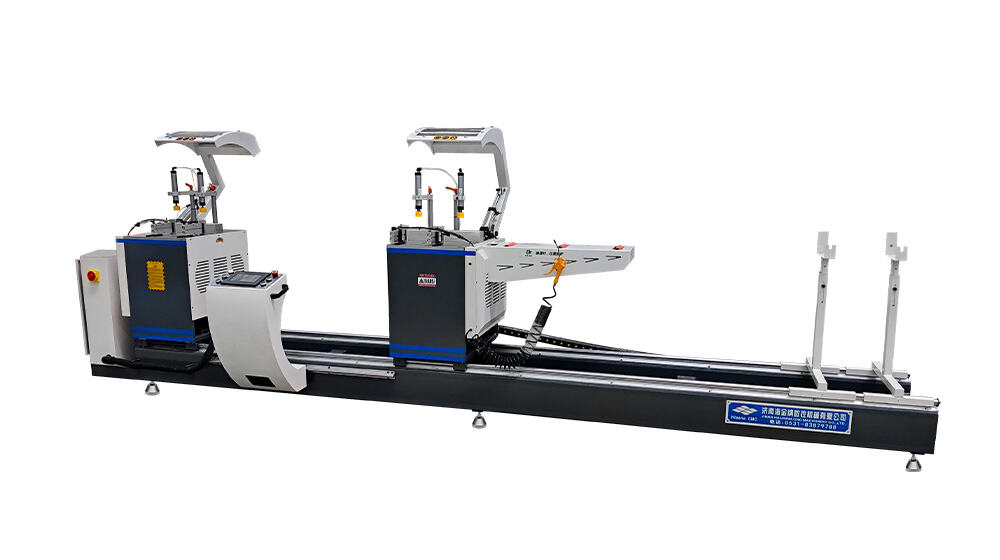
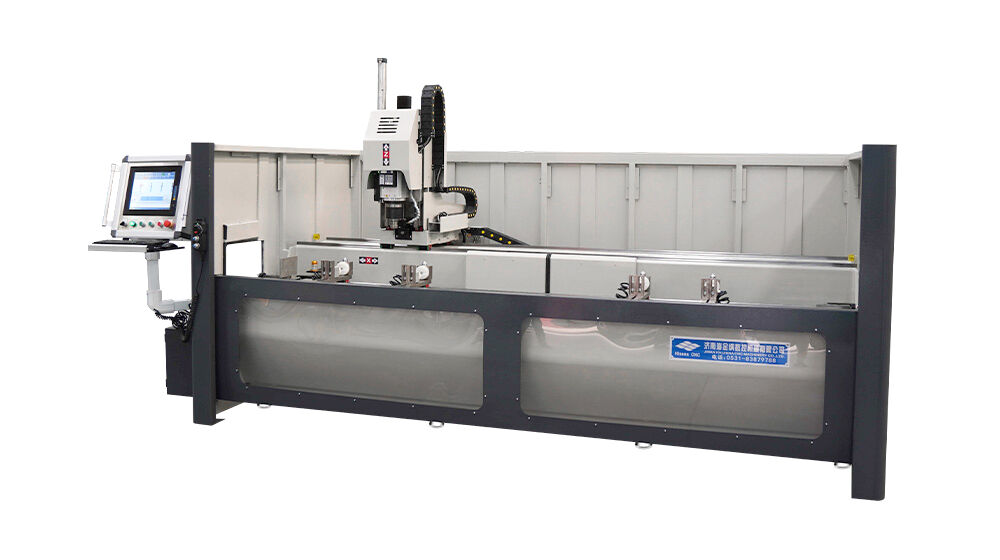
Window manufacturing machinery represents a critical investment for businesses involved in producing windows for residential, commercial, and industrial applications. These sophisticated systems integrate multiple automated processes to transform raw materials such as aluminum, uPVC, wood, and glass into finished window products with precision and efficiency. Modern window manufacturing machinery encompasses a wide range of equipment including cutting machines, welding stations, corner cleaners, drainage hole punching units, glazing bead saws, and assembly workstations. The primary function of window manufacturing machinery is to streamline production workflows while maintaining consistent quality standards across all output. These machines employ advanced technological features such as CNC controls, servo motor systems, pneumatic actuation, and digital measurement tools that ensure each component meets exact specifications. Cutting equipment precisely sizes frame profiles to required dimensions, while welding machines create strong corner joints through seamless fusion techniques. Drilling and milling stations add necessary hardware mounting points and drainage features with repeatable accuracy. Window manufacturing machinery also includes specialized stations for glass handling, sealing application, and final assembly procedures. The technological sophistication of contemporary systems allows manufacturers to program multiple window configurations, store production data, and switch between different product specifications with minimal downtime. These machines find applications across various window production sectors including residential replacement windows, commercial curtain wall systems, architectural specialty units, and energy-efficient window assemblies. The versatility of window manufacturing machinery enables producers to work with diverse materials and create custom designs that meet specific architectural requirements. Integration capabilities allow these systems to connect with inventory management software, quality control protocols, and production scheduling platforms. By automating labor-intensive processes, window manufacturing machinery significantly reduces production time per unit while minimizing material waste and improving workplace safety. The equipment adapts to both high-volume production environments and custom fabrication shops, offering scalability that grows with business demands. As building codes become more stringent regarding energy performance and structural integrity, window manufacturing machinery equipped with precision controls ensures compliance with regulatory standards while delivering products that satisfy market expectations for durability and aesthetic appeal.

Popular Products

Investing in quality window manufacturing machinery delivers substantial practical benefits that directly impact your bottom line and operational capabilities. The most immediate advantage is the dramatic increase in production speed compared to manual fabrication methods. Automated cutting and welding operations complete tasks in fractions of the time required for hand processes, allowing your facility to fulfill larger orders within tighter deadlines. This productivity boost translates directly into higher revenue potential without proportionally increasing labor costs. Consistency represents another crucial benefit that window manufacturing machinery provides to your operation. Every cut measures exactly as programmed, every weld creates identical strength characteristics, and every hole appears in the precise location specified. This uniformity eliminates the variations inherent in manual work, reducing rejection rates and warranty claims while building customer confidence in your products. Material optimization through advanced window manufacturing machinery significantly reduces waste and maximizes raw material utilization. Precision measurement systems calculate optimal cutting patterns that minimize scrap, while automated processes eliminate costly human errors that damage expensive profiles and glass panels. These savings accumulate substantially over time, improving profit margins on every window produced. Labor efficiency gains allow you to redirect workforce resources toward value-added activities rather than repetitive manual tasks. Operators become machine supervisors managing multiple automated stations simultaneously, increasing output per employee while creating safer working conditions. The physical demands decrease as machinery handles heavy lifting, repetitive motions, and exposure to cutting operations. Quality control becomes simpler and more effective with window manufacturing machinery because standardized processes produce predictable results. Inspection procedures focus on verification rather than correction, and statistical process control becomes feasible when production parameters remain consistent. This reliability enhances your reputation and builds long-term customer relationships based on dependable product performance. Flexibility in product offerings expands when you utilize programmable window manufacturing machinery. Switching between different window styles, sizes, and configurations requires only program adjustments rather than extensive retooling. This adaptability lets you respond quickly to market trends and customer preferences without major equipment investments. The capacity to handle custom orders alongside standard production runs differentiates your business from competitors limited to fixed product lines. Safety improvements protect your most valuable asset, your employees, while reducing insurance costs and liability exposure. Window manufacturing machinery incorporates guards, sensors, and automatic shut-off systems that prevent accidents during operation. Workers remain at safe distances from cutting blades, welding heat, and pinch points that pose risks in manual processes. Energy efficiency built into modern window manufacturing machinery reduces operational costs through optimized power consumption and reduced heating or cooling requirements in production areas. These systems often include features that minimize electricity usage during idle periods and recovery systems that capture waste heat for productive purposes. The cumulative effect of these advantages positions your business for sustainable growth, competitive pricing, and market leadership in an industry where quality and efficiency determine success.

Practical Tips

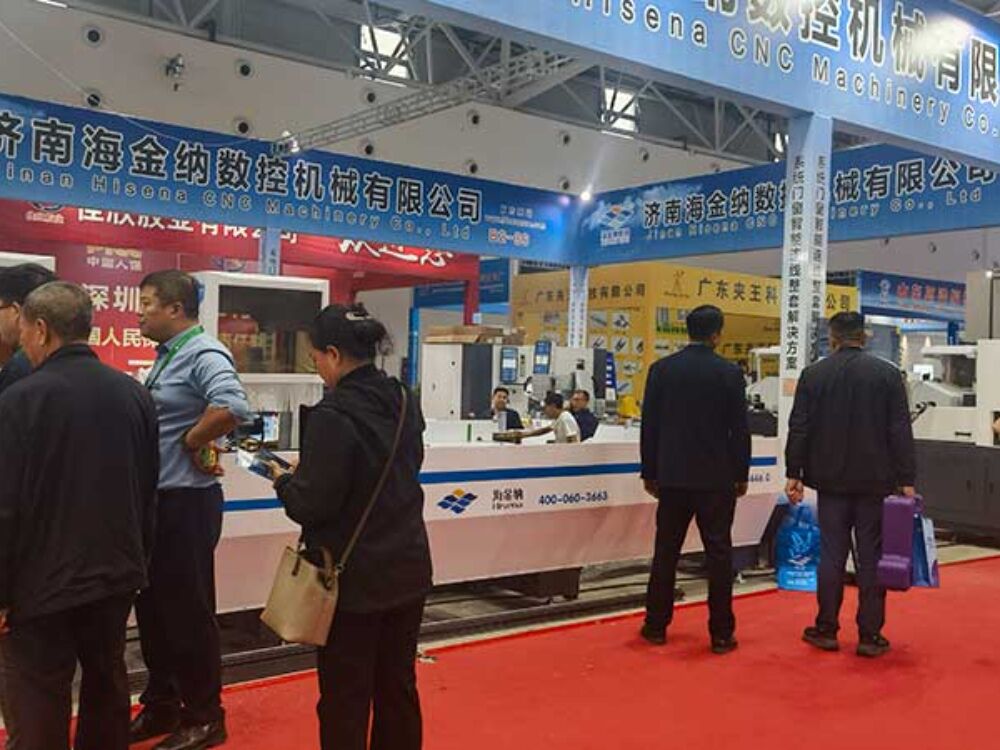
Hisena Launches New Intelligent Wireless Transmission Solution at Linqu Window Door Exhibition

14

May

Hisena Launches New Intelligent Wireless Transmission Solution at Linqu Window Door Exhibition

View More
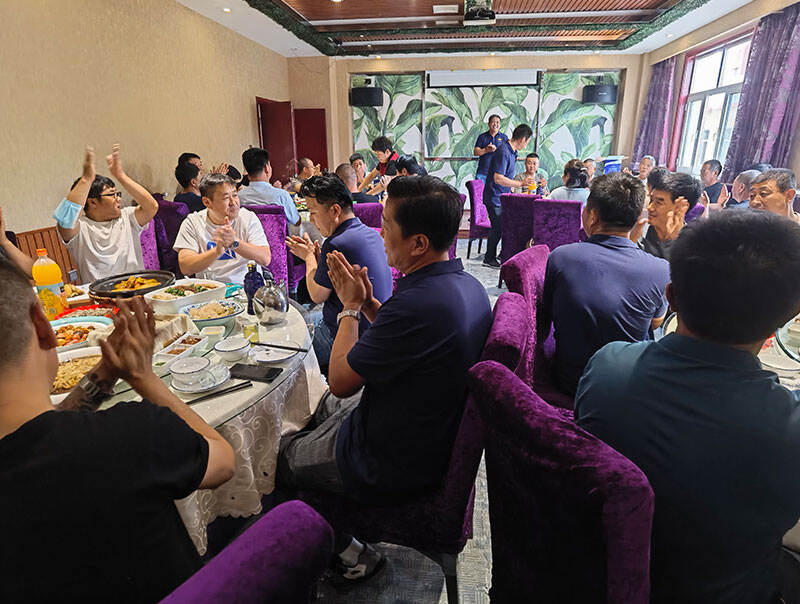
Indian customers came and visited Hisena factory

30

Apr

Indian customers came and visited Hisena factory

View More
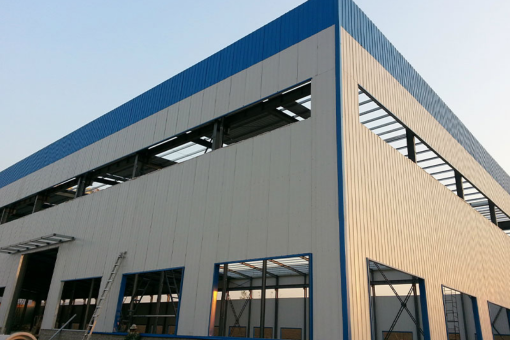
Hisena's New Factory Under Construction While Ensuring Timely Completion and Shipment of Customer Orders

30

Apr

Hisena's New Factory Under Construction While Ensuring Timely Completion and Shipment of Customer Orders

View More
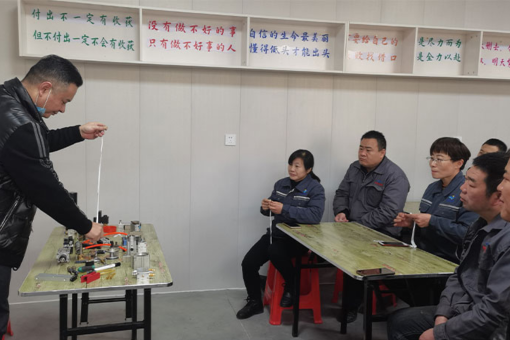
Hisena Staff Trains on Pneumatic Components to Better Serve Customers

30

Apr

Hisena Staff Trains on Pneumatic Components to Better Serve Customers

View More

Get a Free Quote

Our representative will contact you soon.
Name
Email
Telephone
Country
Company Name
Message
0/1000

window manufacturing machinery

Precision Engineering That Guarantees Perfect Fit Every Time

Precision Engineering That Guarantees Perfect Fit Every Time

The precision engineering capabilities embedded within advanced window manufacturing machinery represent a transformative advantage for producers seeking to eliminate fitting problems and customer complaints. Traditional manual methods rely heavily on operator skill and attention, creating inevitable variations that accumulate throughout the assembly process. Even experienced craftsmen produce slight inconsistencies that become apparent during installation when frames do not align perfectly or gaps appear between components. Modern window manufacturing machinery eliminates these frustrations through computer-controlled positioning systems that maintain tolerances within fractions of a millimeter. CNC cutting stations reference digital specifications to produce profile lengths that match exactly, regardless of whether you are cutting the first piece or the thousandth. This repeatability ensures that every window in a large commercial order maintains identical dimensions, simplifying installation logistics and reducing field adjustments. The welding and joining stages benefit equally from precision controls that position frame corners at perfect ninety-degree angles while applying consistent heat and pressure. Strong, clean joints result from every cycle, creating structural integrity that withstands years of operation without degradation. Window manufacturing machinery equipped with servo-driven positioning systems adjusts automatically for material variations, compensating for slight density differences or temperature-related expansion that might otherwise affect final dimensions. Drilling operations place hardware mounting holes in exact locations that align with industry-standard spacing, ensuring compatibility with available hardware options and simplifying installation procedures. Glass rabbet dimensions remain consistent, providing proper clearance for glazing materials and sealants while maintaining weathertight performance. These precision capabilities extend throughout the entire production sequence, from initial material preparation through final assembly verification. Optical measurement systems integrated into advanced window manufacturing machinery perform real-time quality checks, comparing actual dimensions against programmed specifications and alerting operators to any deviations before defective units proceed further. This immediate feedback prevents waste and maintains throughput by catching errors at their source. The practical value of precision engineering becomes most apparent during installation when windows fit openings perfectly without forcing, shimming, or field modifications that consume time and labor. Builders and contractors recognize suppliers whose products consistently install smoothly, leading to repeat business and referrals that grow your market presence. Homeowners and building occupants benefit from properly fitted windows that operate smoothly, seal effectively, and provide decades of trouble-free performance. The precision delivered by sophisticated window manufacturing machinery also enables tighter energy performance because consistent gaps and proper compression of weatherstripping materials eliminate air infiltration pathways. This precision translates directly into measurable energy savings that meet or exceed building code requirements and certification standards for high-performance construction. Your investment in precision-capable window manufacturing machinery pays dividends through reduced callbacks, enhanced reputation, and the ability to command premium pricing for products that demonstrate superior quality through perfect fit and finish.
Versatile Multi-Material Processing for Expanded Market Opportunities

Versatile Multi-Material Processing for Expanded Market Opportunities

The versatility of contemporary window manufacturing machinery opens remarkable opportunities for businesses to diversify product offerings and capture multiple market segments without investing in completely separate production lines. This adaptability proves especially valuable in today's construction market where different applications demand different materials, with residential projects often specifying vinyl or wood products while commercial developments require aluminum or composite systems. Window manufacturing machinery designed with multi-material capability allows seamless transitions between processing uPVC profiles, aluminum extrusions, wood components, and composite materials within the same production facility. Quick-change tooling systems enable operators to switch between material types efficiently, minimizing downtime and maximizing equipment utilization. This flexibility means you can accept diverse orders simultaneously, scheduling production runs that optimize material purchasing and workflow efficiency. Processing vinyl requires different cutting speeds and blade configurations than aluminum, and window manufacturing machinery with programmable parameters automatically adjusts these settings when operators select the appropriate material profile in the control system. Temperature controls for welding stations modify heat application based on material thermal properties, ensuring proper fusion for vinyl corners while accommodating the different joining techniques required for aluminum frames. Wood processing capabilities within the same window manufacturing machinery platform let you serve the premium residential and restoration markets where natural materials command higher prices and appeal to specific customer preferences. Specialized cutting tools handle wood grain characteristics without splintering or tear-out, while drilling operations accommodate the different fastening requirements for wooden frame construction. The ability to work with composite materials positions your operation at the forefront of emerging window technology as manufacturers develop hybrid products that combine benefits from multiple material types. Window manufacturing machinery with sufficient versatility processes these advanced materials as they become commercially viable, protecting your equipment investment against obsolescence. This multi-material capability also supports sustainable business practices by enabling you to respond to environmental concerns and building performance requirements that increasingly favor specific materials for particular applications. Some projects prioritize recycled content available in certain vinyl formulations, while others demand the thermal performance characteristics of thermally broken aluminum systems or the natural insulation properties of wood products. Your window manufacturing machinery becomes a competitive advantage when it processes whatever materials best serve each project rather than limiting you to single-material production. The practical business benefits extend beyond simple production flexibility into inventory management and space utilization. Rather than maintaining separate equipment sets for different materials, consolidated window manufacturing machinery reduces your facility footprint and capital requirements while simplifying maintenance procedures and operator training. Technical support and spare parts inventories become more manageable when focused on unified equipment platforms rather than disparate systems. Market responsiveness improves dramatically when your window manufacturing machinery handles multiple materials because you can quickly capitalize on trends, material price advantages, or supply chain developments. If aluminum costs spike, you can shift production emphasis toward vinyl products without losing momentum or turning away customers. Geographic expansion becomes feasible as you can serve regions with different material preferences using proven production capabilities rather than establishing new specialized facilities.
Automated Integration That Maximizes Throughput and Minimizes Labor Dependency

Automated Integration That Maximizes Throughput and Minimizes Labor Dependency

The automated integration capabilities built into modern window manufacturing machinery fundamentally transform production economics by creating continuous workflow processes that maximize throughput while reducing dependency on large labor forces. Traditional window fabrication requires workers to manually transport components between isolated workstations, measure and mark pieces individually, and coordinate timing across separate operations. These manual material handling steps consume significant time, create bottlenecks when operators fall behind, and introduce opportunities for errors or damage during transfers. Advanced window manufacturing machinery integrates sequential operations into coordinated production cells where components flow automatically from cutting through welding, cleaning, drilling, and assembly stages. Automated material handling systems built into these integrated platforms transport profiles between stations using powered conveyors, pneumatic transfers, or robotic placement systems that maintain consistent cycle times regardless of piece size or weight. This continuous flow eliminates waiting periods and keeps every station operating at optimal capacity throughout production runs. The control architecture linking integrated window manufacturing machinery enables sophisticated production scheduling where the system automatically sequences jobs based on material type, profile dimensions, and required operations. Operators load raw materials and program production parameters at a central interface, then monitor progress as the machinery executes complex manufacturing sequences without constant intervention. This automation allows skilled workers to focus on quality oversight, equipment optimization, and process improvement rather than repetitive manual tasks. Barcode scanning or RFID tagging systems incorporated into window manufacturing machinery track each component throughout production, associating specific pieces with particular orders and ensuring proper matching during assembly. This traceability prevents mixing components from different jobs while providing data for quality analysis and production metrics. Integration with enterprise software systems connects your window manufacturing machinery to broader business operations including order management, inventory control, and shipping coordination. Production data flows automatically into these systems, updating completion status, material consumption, and scheduling information without manual data entry that consumes time and introduces errors. Real-time visibility into production status helps management make informed decisions about resource allocation, delivery commitments, and capacity planning. The labor efficiency gains from automated integration prove especially valuable given current workforce challenges across manufacturing sectors. Window manufacturing machinery that operates with minimal supervision reduces recruiting pressures and vulnerability to labor shortages that constrain competitors relying on manual processes. Your business maintains production continuity even when staffing fluctuates, and training periods shorten dramatically when new employees learn to operate integrated systems rather than master multiple manual skills. Throughput consistency represents another critical benefit of automated window manufacturing machinery integration because production rates remain stable regardless of shift changes, break periods, or individual operator variations. This predictability improves delivery reliability and allows accurate production planning that meets customer expectations. The cumulative productivity advantage compounds over time as your automated window manufacturing machinery produces more units per shift, per square foot of facility space, and per dollar of operating cost than manual alternatives. This efficiency translates into competitive pricing that wins contracts while maintaining healthy margins, or premium positioning based on superior quality and delivery performance. The scalability of integrated window manufacturing machinery supports business growth without proportional facility expansion or workforce increases, letting you capture market share and build sustainable competitive advantages.

Get a Free Quote

Our representative will contact you soon.
Name
Email
Telephone
Country
Company Name
Message
0/1000