Professional UPVC Window Welding Machine - High Precision Frame Manufacturing Equipment

Get a Free Quote

Our representative will contact you soon.
Name
Email
Telephone
Country
Company Name
Message
0/1000

upvc window welding machine

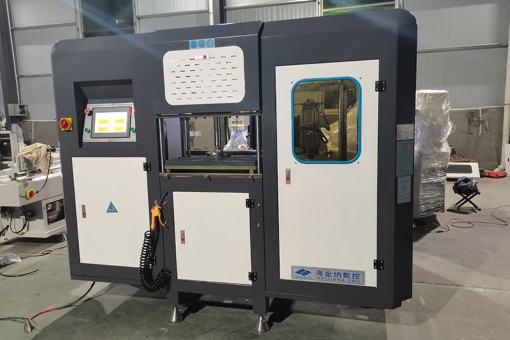
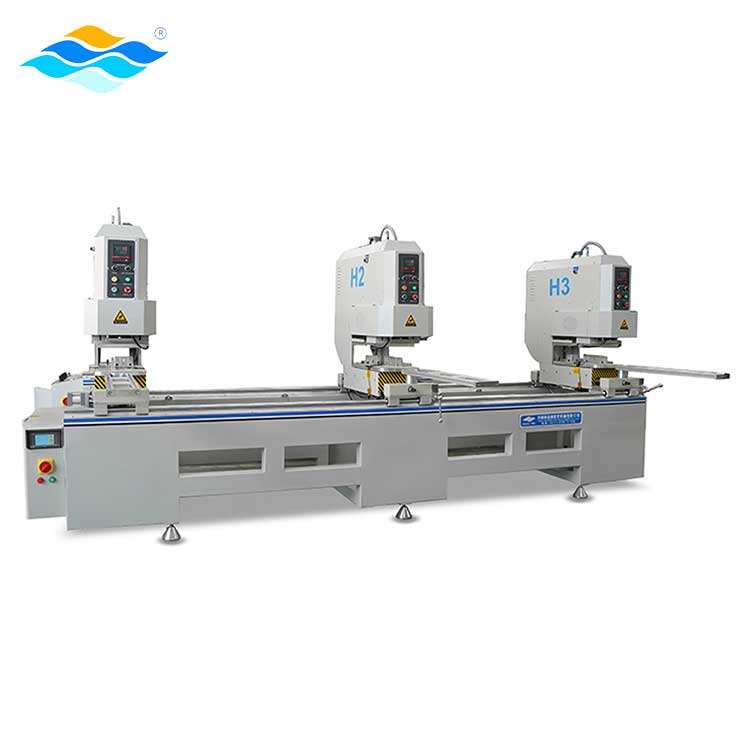
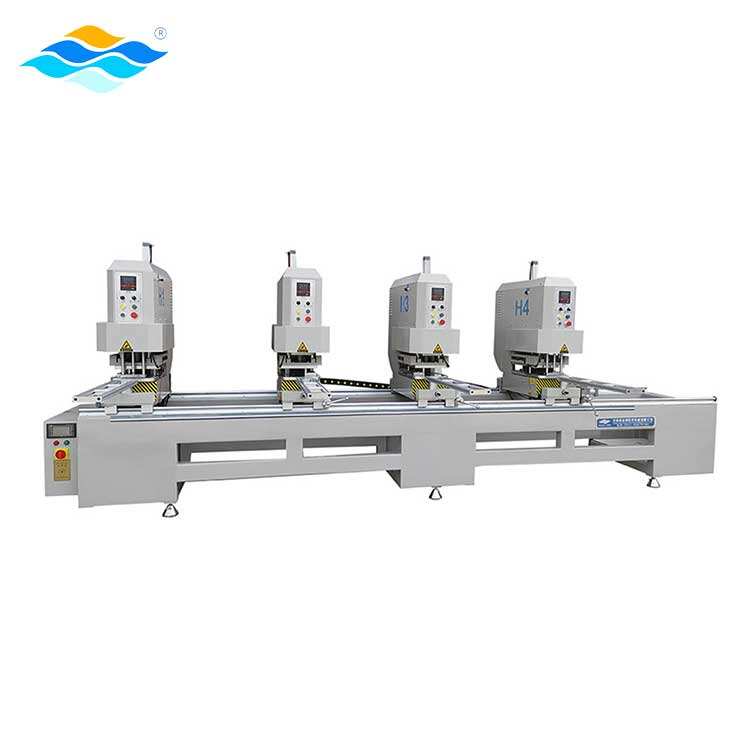
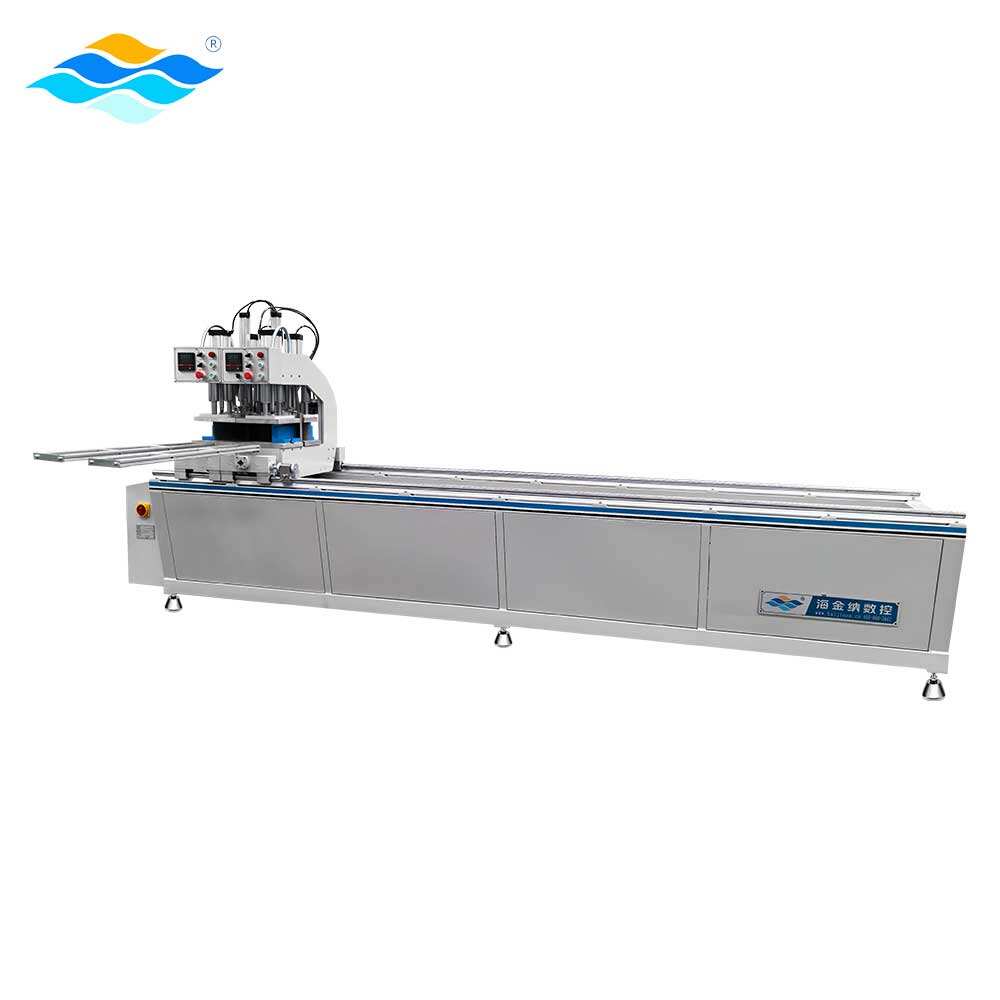
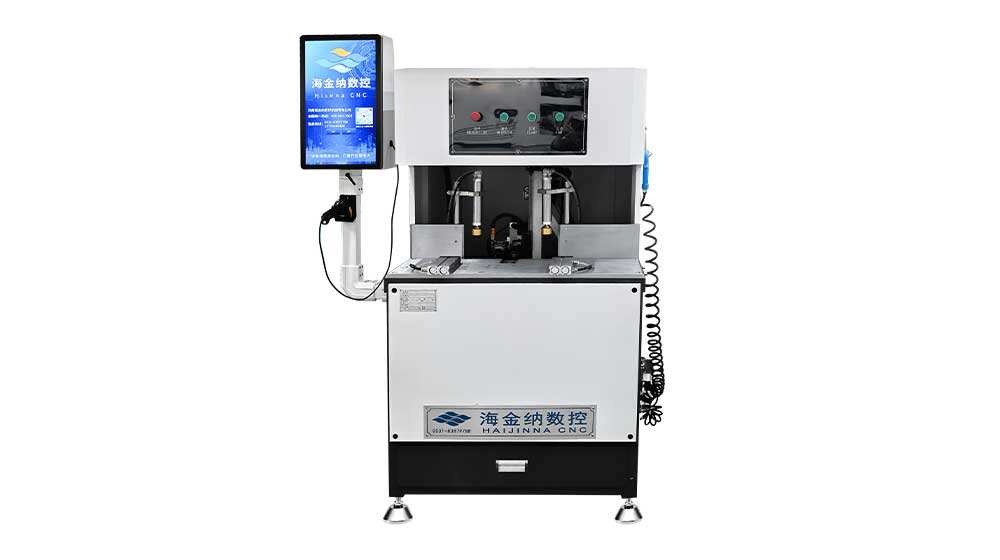
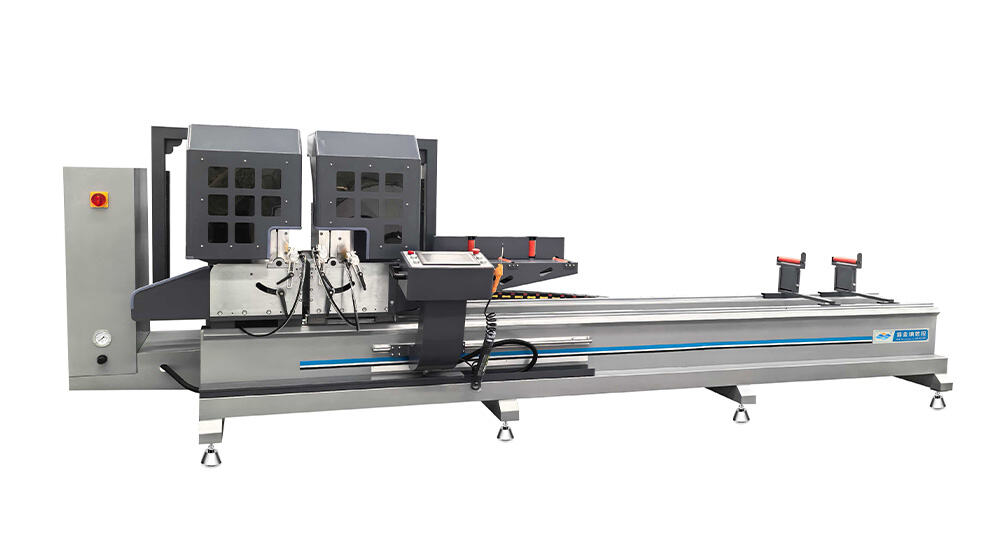
The upvc window welding machine represents a specialized piece of equipment designed specifically for manufacturing and assembling UPVC window frames through precision welding techniques. This sophisticated machinery creates seamless corner joints by heating and fusing UPVC profiles together, producing durable and aesthetically pleasing window frames. The primary function of a upvc window welding machine centers on joining profile sections at precise angles, typically 90 degrees for standard window corners, ensuring structural integrity and weather-tight seals. Modern machines incorporate computerized controls that regulate temperature, pressure, and timing parameters to achieve consistent weld quality across production runs. Technological features include adjustable heating plates that reach optimal melting temperatures for UPVC materials, pneumatic clamping systems that hold profiles securely during the welding process, and automated cooling cycles that stabilize joints after fusion. Many contemporary models feature four-head welding capabilities, allowing simultaneous processing of all four corners of a window frame, significantly reducing production time. The equipment typically includes digital displays showing operational parameters, safety interlocks preventing accidental activation, and quick-change tooling systems accommodating various profile sizes and configurations. Applications span residential window manufacturing, commercial glazing projects, conservatory construction, and door frame production. The upvc window welding machine serves fabricators producing everything from small domestic windows to large-scale architectural installations. Its versatility extends to welding different UPVC profile systems, including casement windows, sliding frames, tilt-and-turn designs, and fixed glazing units. The technology proves essential for businesses seeking to maintain competitive production speeds while ensuring superior joint quality. These machines integrate seamlessly into production lines alongside cutting equipment, drainage hole drilling stations, and hardware installation tools, forming complete window fabrication systems that transform raw UPVC profiles into finished products ready for glazing and installation.
New Product Releases

Investing in a upvc window welding machine delivers substantial practical benefits that directly impact your production efficiency and product quality. First and foremost, these machines dramatically increase manufacturing speed compared to manual methods, enabling your workshop to complete more window frames daily without compromising quality standards. The automated welding process eliminates human error variables, producing consistently strong joints that meet or exceed industry standards for structural performance and weather resistance. Your customers receive windows with clean, professional-looking corners free from visible gaps or misalignment issues that plague inferior welding techniques. The precision temperature control systems ensure optimal material fusion without overheating that could damage UPVC profiles or create weak spots in welded joints. This reliability translates to fewer rejected frames, reduced material waste, and lower overall production costs for your business. The machines require minimal training for operators to achieve proficiency, allowing you to onboard new staff quickly and maintain productivity even during workforce changes. Energy efficiency represents another significant advantage, as modern welding machines consume less electricity than older models while delivering superior performance. The compact footprint of most units means they fit comfortably into existing workshop spaces without requiring costly facility expansions. Maintenance requirements remain straightforward, with easily accessible components and readily available replacement parts ensuring minimal downtime. The versatility to handle multiple profile systems means you can diversify your product offerings without purchasing separate welding equipment for each window style. Your business gains flexibility to accept varied customer orders, from standard residential windows to specialized commercial projects requiring specific profile configurations. The consistent weld quality enhances your company reputation, leading to repeat business and positive referrals from satisfied customers. Safety features protect operators from burns and equipment malfunctions, reducing workplace accidents and associated costs. The speed and reliability of a upvc window welding machine allow you to quote shorter lead times than competitors using manual methods, providing a competitive advantage when bidding for projects. Long-term durability means your equipment investment continues generating returns for years, with many machines operating reliably for decades with proper maintenance. The professional results achieved through mechanized welding justify premium pricing for your finished windows, improving profit margins while delivering superior value to end customers.

Practical Tips

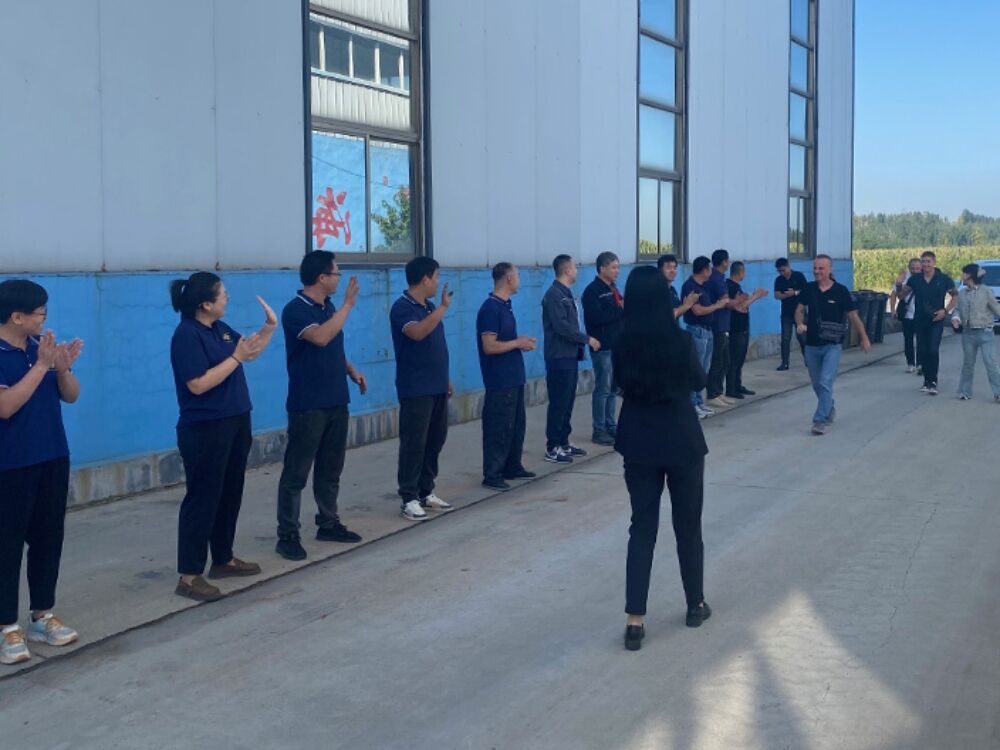
Foreign Clients Drop by HISENA Factory for Hands-On Equipment Training & Tech Chat

30

Apr

Foreign Clients Drop by HISENA Factory for Hands-On Equipment Training & Tech Chat

View More
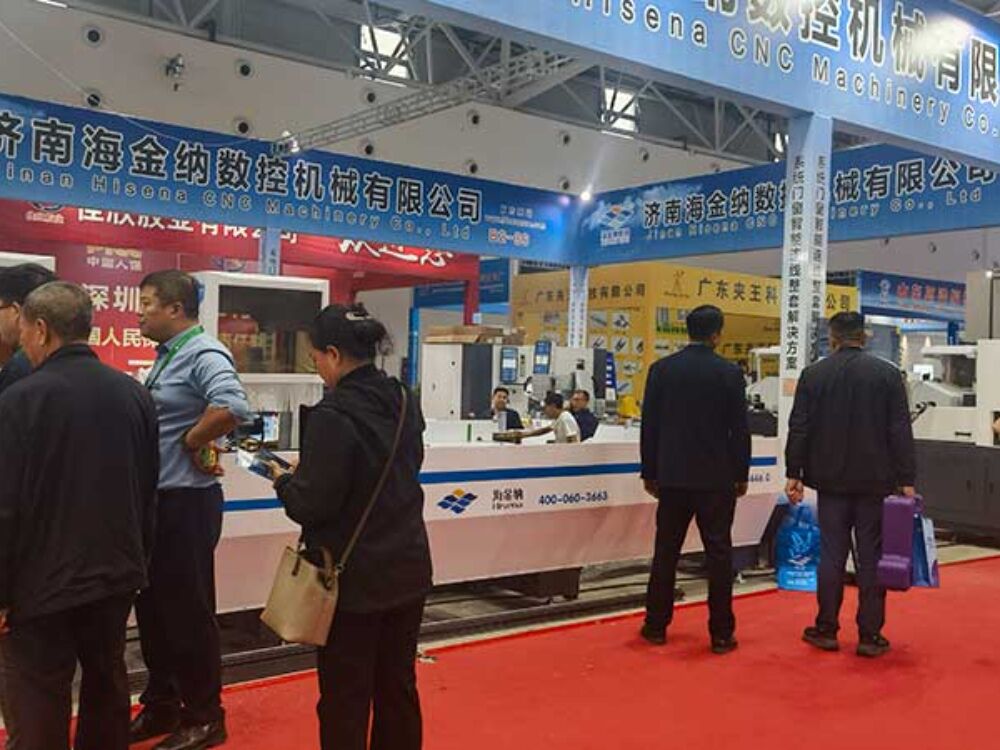
Hisena Launches New Intelligent Wireless Transmission Solution at Linqu Window Door Exhibition

14

May

Hisena Launches New Intelligent Wireless Transmission Solution at Linqu Window Door Exhibition

View More
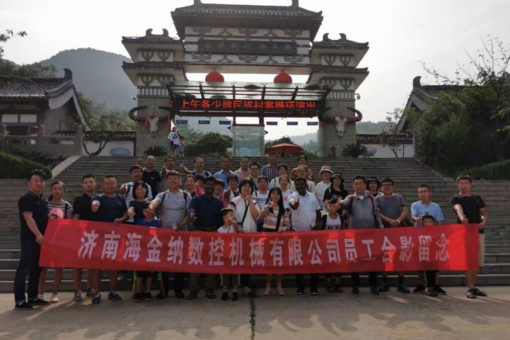
Hisena Family and Foreign Customers Explore Jinan Jiuding Tower Chinese National Joy Park, Experiencing Six Ethnic Cultures and Joy of Traditional Water Festival

30

Apr

Hisena Family and Foreign Customers Explore Jinan Jiuding Tower Chinese National Joy Park, Experiencing Six Ethnic Cultures and Joy of Traditional Water Festival

View More
Hisena launched

30

Apr

Hisena launched "CNC 3-axis end milling upgraded version"

View More

Get a Free Quote

Our representative will contact you soon.
Name
Email
Telephone
Country
Company Name
Message
0/1000

upvc window welding machine

Precision Temperature Control for Optimal Joint Strength

Precision Temperature Control for Optimal Joint Strength

The advanced temperature control system built into quality upvc window welding machines stands as perhaps the most critical feature determining final product quality and longevity. This sophisticated technology monitors and adjusts heating plate temperatures with remarkable accuracy, maintaining the precise thermal conditions necessary for creating molecular-level fusion between UPVC profile sections. The importance of this precision cannot be overstated, as UPVC materials require specific temperature ranges to achieve proper melting without degradation. Too little heat results in weak joints that may fail under stress or separate over time, while excessive temperatures can burn the material, creating discolored areas and compromising structural integrity. Modern machines employ digital temperature controllers with feedback sensors that continuously measure actual plate temperatures, automatically adjusting power output to compensate for variations caused by ambient conditions or continuous operation cycles. This intelligent thermal management ensures every weld receives identical treatment regardless of whether it is the first frame of the morning or the hundredth produced that day. The value this brings to your operation extends beyond just consistent quality to include significant material savings. When welding parameters remain stable, you experience fewer rejected frames, meaning less wasted UPVC material and reduced disposal costs. The customer benefits become immediately apparent in the finished windows they receive. Properly welded corners maintain their structural integrity throughout decades of use, resisting separation even when subjected to thermal expansion and contraction cycles, wind loads, and building settlement stresses. The precision temperature control also enables faster production cycles by optimizing heating times, ensuring profiles reach ideal fusion temperatures quickly without unnecessary delays. This efficiency allows your workforce to maintain steady production flows, meeting delivery deadlines consistently. Furthermore, the controlled heating process preserves the aesthetic qualities of UPVC profiles, preventing unsightly discoloration or surface damage that diminishes perceived product quality. Your windows arrive at installation sites looking pristine, with corner joints that appear seamlessly integrated rather than obviously assembled. This professional appearance commands higher prices in competitive markets where customers increasingly scrutinize build quality before making purchasing decisions.
Automated Pneumatic Clamping Systems for Consistent Alignment

Automated Pneumatic Clamping Systems for Consistent Alignment

The pneumatic clamping mechanism integrated into professional upvc window welding machines revolutionizes how profile sections are positioned and held during the critical welding phase. This automated system employs compressed air cylinders that apply precisely calibrated pressure to secure UPVC profiles in perfect alignment before and during the heating, joining, and cooling stages. The significance of proper clamping extends far beyond simple convenience, fundamentally affecting both the structural soundness and visual appeal of finished window frames. Manual clamping methods introduce variables that even experienced operators struggle to control consistently, as human grip strength fluctuates with fatigue and individual technique varies between workers. Pneumatic systems eliminate these inconsistencies by delivering identical clamping force for every single weld cycle throughout the entire production day. The practical benefits manifest immediately in measurably improved corner accuracy, with frame dimensions remaining within tight tolerances that facilitate easier glazing installation and hardware fitting. When corners align perfectly square, installers spend less time making field adjustments, reducing labor costs for your customers and enhancing satisfaction with your products. The automated clamping also protects profile surfaces from damage that manual tools sometimes inflict, preserving the pristine appearance that customers expect from premium UPVC windows. The pneumatic system responds instantly to control signals, gripping profiles the moment operators initiate the weld cycle and releasing them precisely when cooling completes. This responsiveness contributes to faster production rhythms, enabling skilled operators to maintain steady workflows that maximize daily output. The consistent pressure application ensures uniform joint compression during the critical fusion phase, promoting complete material intermixing that creates bonds capable of withstanding significant structural loads. Your windows gain reputation for durability because the welded corners resist separation even when buildings shift or frames experience impact forces. Additionally, the automated nature of pneumatic clamping reduces operator fatigue compared to manual alternatives, allowing your workforce to maintain quality standards throughout extended production runs without the degradation in performance that accompanies physical exhaustion. The system reliability proves particularly valuable during high-volume production periods when meeting deadlines requires sustained output without quality compromises.
Multi-Head Configuration for Maximum Production Efficiency

Multi-Head Configuration for Maximum Production Efficiency

The four-head welding configuration available on advanced upvc window welding machines represents a quantum leap in production capability compared to traditional single-corner welding approaches. This engineering innovation allows simultaneous processing of all four corners of a window frame in one coordinated operation, fundamentally transforming manufacturing economics and competitive positioning for fabricators who adopt this technology. Understanding the operational advantages requires examining the traditional alternative where operators must weld each corner sequentially, repositioning the frame multiple times and waiting through four separate heating, fusion, and cooling cycles to complete one unit. This approach consumes considerable time and demands constant operator attention throughout the extended process. The multi-head system compresses these four operations into a single cycle lasting only marginally longer than welding one corner individually. The time savings accumulate rapidly across production volumes, enabling workshops equipped with four-head machines to output three to four times more frames daily compared to facilities using single-corner equipment with equivalent staffing levels. This productivity multiplication affects your business fundamentals profoundly. Higher output from existing floor space and workforce translates directly to improved revenue potential without proportional increases in overhead costs. Your facility can accept larger orders, quote shorter delivery times, and maintain comfortable production buffers that accommodate unexpected demand spikes or rush orders that command premium pricing. The simultaneous welding process also delivers subtle quality advantages beyond pure speed benefits. When all four corners experience identical thermal cycles at the same moment, the entire frame undergoes uniform cooling and stress distribution, reducing the differential shrinkage that sometimes occurs with sequential welding methods. This uniformity contributes to improved dimensional stability in finished frames, ensuring they maintain precise measurements that facilitate trouble-free installation. The operator experience improves significantly with four-head machines, as loading profiles and initiating a single cycle proves less mentally taxing than managing four separate welding operations while tracking which corners have been completed. This reduced cognitive load allows workers to maintain better focus on quality checks and production flow management rather than getting lost in repetitive corner-by-corner processing. The equipment investment required for multi-head capability pays returns quickly when production volumes reach commercial scales, with many fabricators reporting payback periods measured in months rather than years.

Get a Free Quote

Our representative will contact you soon.
Name
Email
Telephone
Country
Company Name
Message
0/1000