Profile Punching Machine - Precision Metal Fabrication Equipment for Structural Steel Processing

Get a Free Quote

Our representative will contact you soon.
Name
Email
Telephone
Country
Company Name
Message
0/1000

profile punching machine

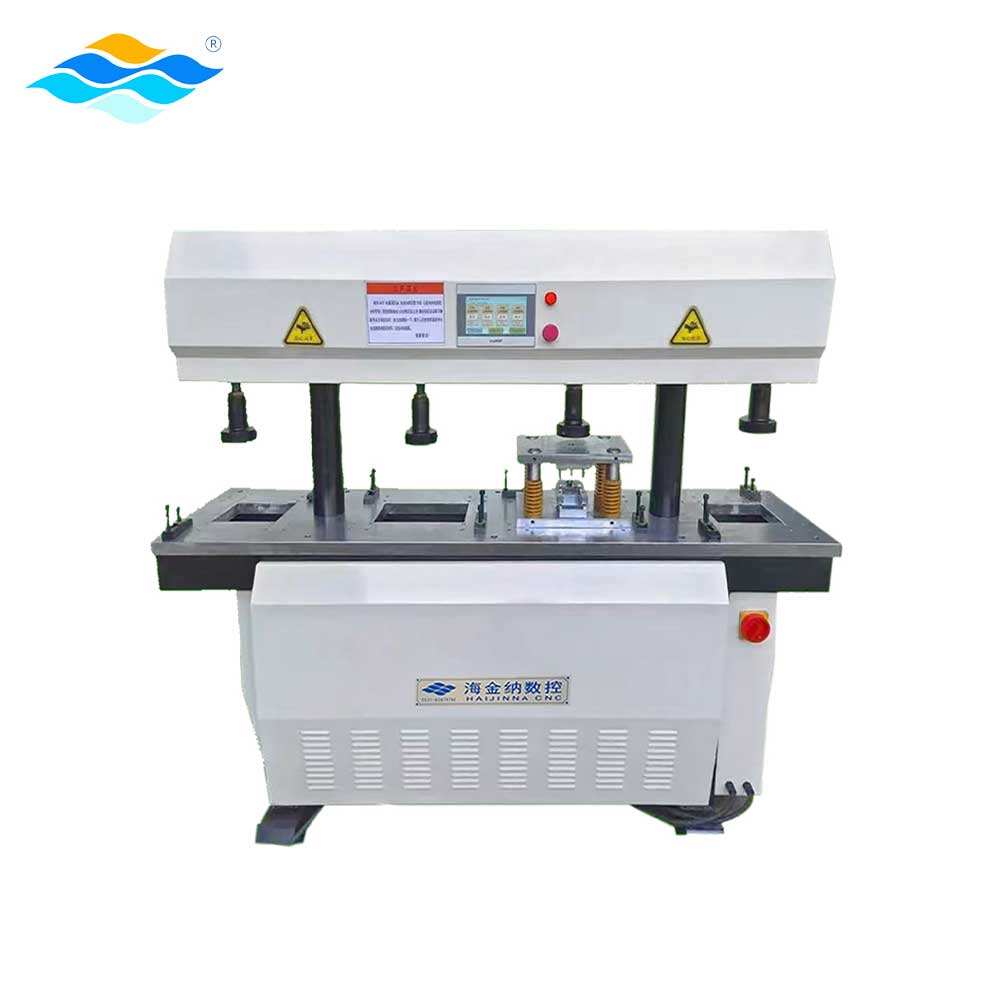
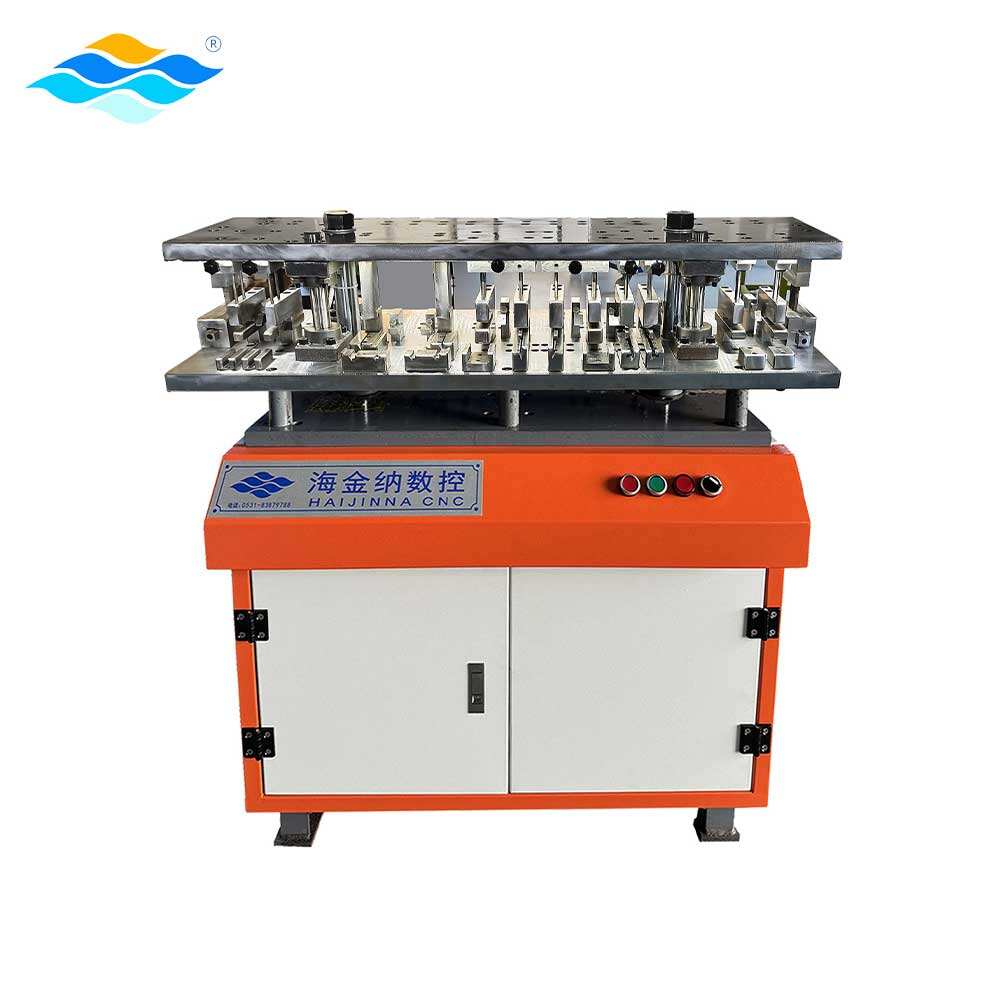
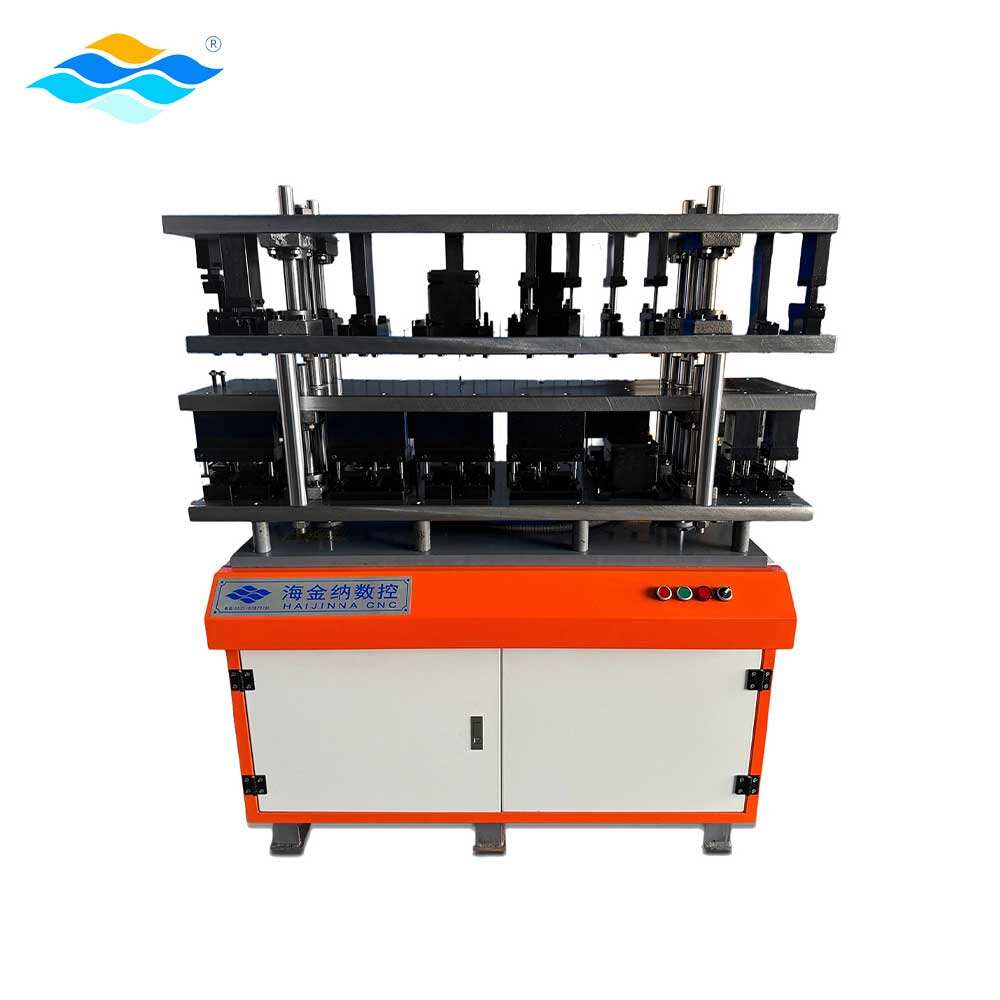
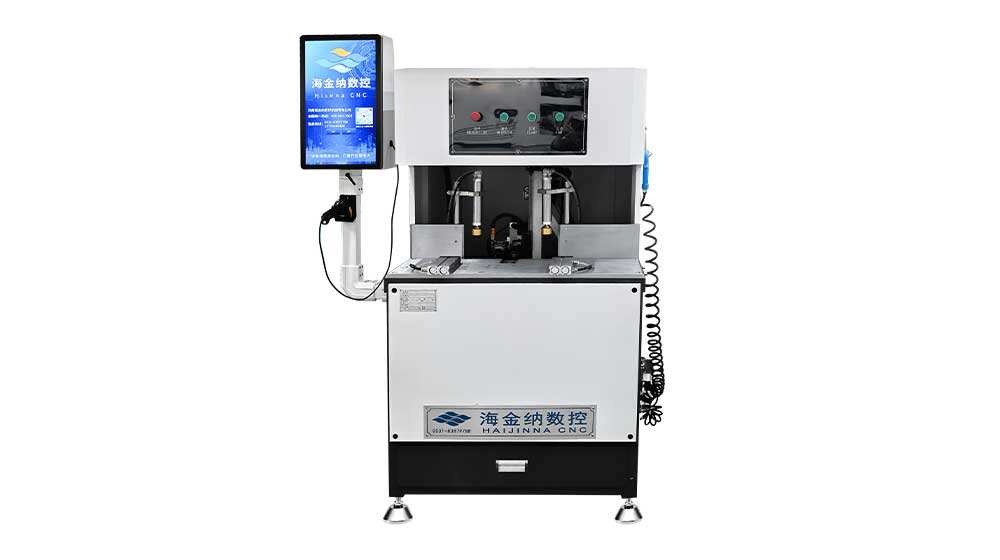
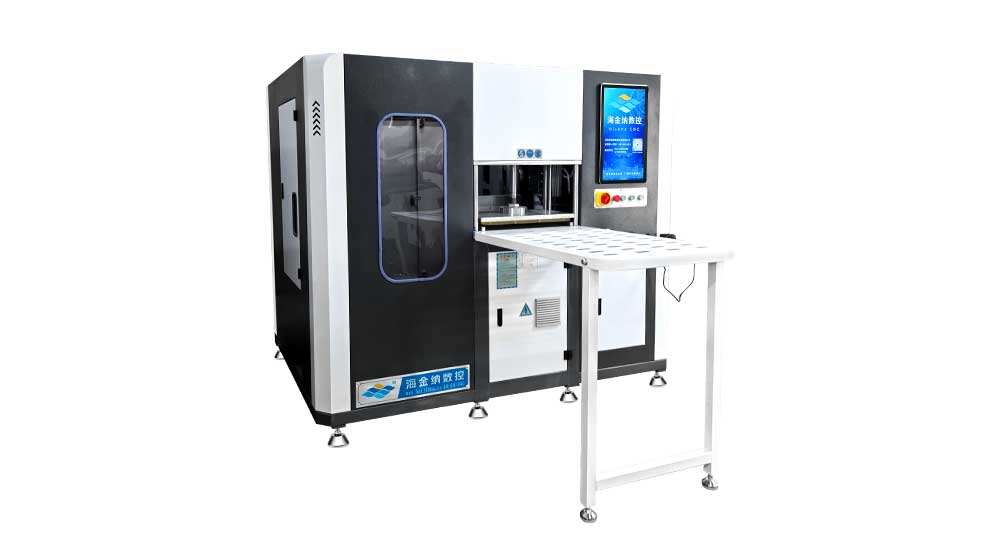
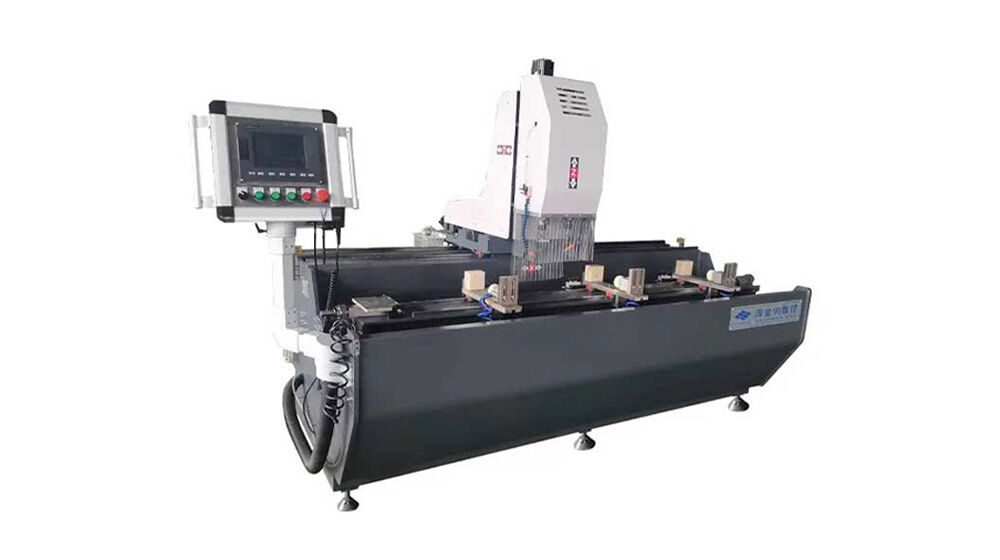
A profile punching machine represents a sophisticated industrial tool engineered to create precise holes, notches, and cutouts in various metal profiles including angles, channels, flat bars, pipes, and tubes. This specialized equipment combines hydraulic or mechanical power systems with computer-controlled positioning technology to deliver accurate punching operations across diverse metal fabrication applications. The machine operates by securing the metal profile in a fixed position while a punching tool descends with tremendous force to pierce through the material, creating clean holes without generating metal chips or requiring secondary finishing operations. Modern profile punching machines integrate advanced CNC systems that enable operators to program complex punching patterns, automatically position workpieces, and execute multiple operations in a single setup. These machines feature robust construction with heavy-duty frames designed to withstand repetitive high-pressure operations while maintaining dimensional accuracy over extended production runs. The punching mechanism typically employs interchangeable tooling systems that accommodate various hole sizes and shapes, from standard circular holes to rectangular slots and custom geometric patterns. Hydraulic profile punching machines utilize pressurized fluid systems to generate punching forces ranging from 60 tons to over 200 tons, sufficient to penetrate thick steel sections up to 20mm or more depending on material specifications. The working table incorporates adjustable clamping systems and positioning stops that ensure consistent hole placement across multiple workpieces, essential for maintaining quality standards in mass production environments. Advanced models include automatic feeding systems that move profiles through the punching zone without manual intervention, significantly increasing throughput rates. Safety features such as light curtains, two-hand controls, and emergency stop mechanisms protect operators during machine operation. The profile punching machine serves as an indispensable asset in structural steel fabrication, construction component manufacturing, automotive frame production, and general metalworking shops where precision hole-making in profiled materials is required daily.

Popular Products

Investing in a profile punching machine delivers substantial operational benefits that directly impact your manufacturing efficiency and bottom-line profitability. First and foremost, this equipment dramatically reduces production time compared to traditional drilling methods. While drilling requires individual hole creation with extended cycle times, a punching machine completes holes in milliseconds, allowing fabricators to process hundreds of components daily. This speed advantage translates into faster order fulfillment and increased revenue potential without sacrificing quality standards. The punching process creates burr-free holes that eliminate secondary deburring operations, saving both labor costs and processing time. Unlike drilling which generates metal chips requiring cleanup and disposal, punching produces small slugs that are easily collected and recycled, reducing waste management expenses. Energy consumption is notably lower since the punching cycle requires power only during the brief moment of material penetration, whereas drilling demands continuous motor operation throughout the entire hole-making process. The precision positioning systems built into modern punching machines ensure repeatable accuracy within tolerances of 0.1mm or better, guaranteeing consistent hole placement across entire production batches. This reliability minimizes rework and material waste caused by positioning errors. Operators require minimal training to achieve productive operation since computerized controls simplify programming and execution of punching sequences. The machine accommodates rapid tooling changes, enabling fabricators to switch between different hole sizes in minutes rather than hours, supporting flexible production scheduling for diverse customer orders. Maintenance requirements are straightforward with accessible components and predictable wear patterns on punching tools, allowing shops to plan replacement schedules that prevent unexpected downtime. The compact footprint of most punching machines conserves valuable floor space compared to multiple drilling stations needed to achieve equivalent production capacity. Worker safety improves significantly as the automated clamping and punching cycles keep operators away from cutting zones, reducing injury risks associated with manual drilling operations. Material versatility is exceptional, with machines processing steel, stainless steel, aluminum, copper, and various alloys without equipment modifications. The consistent hole quality produced by punching eliminates cosmetic defects that can occur with drill bit wandering or chattering, particularly important for visible components in architectural applications. Return on investment typically occurs within 18 to 24 months for shops processing moderate volumes of profiled materials, making this equipment acquisition financially sensible for growing fabrication businesses seeking competitive advantages through improved productivity and quality.

Practical Tips

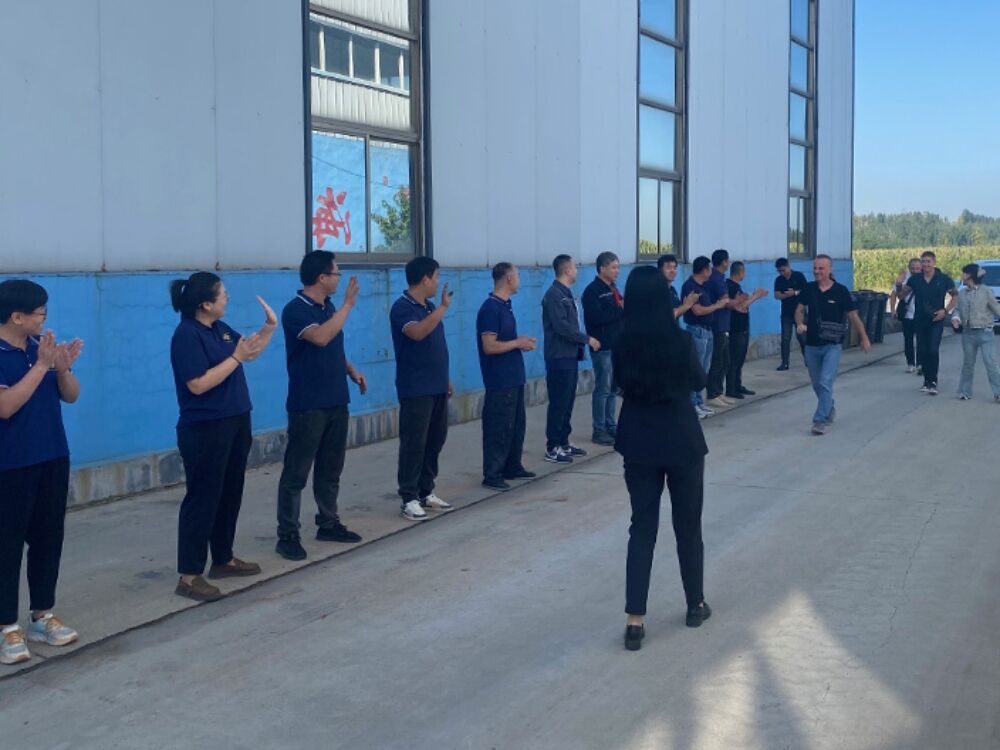
Foreign Clients Drop by HISENA Factory for Hands-On Equipment Training & Tech Chat

30

Apr

Foreign Clients Drop by HISENA Factory for Hands-On Equipment Training & Tech Chat

View More
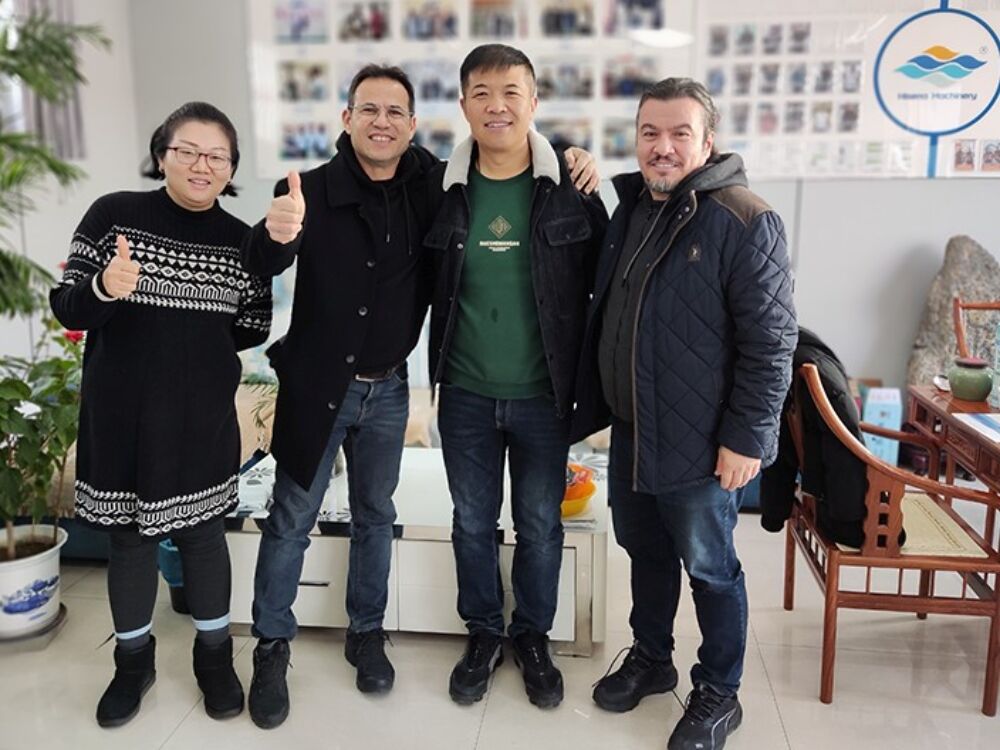
Turkish Clients Visit Hisena: Business Talks & Equipment Orders in Winter!

14

May

Turkish Clients Visit Hisena: Business Talks & Equipment Orders in Winter!

View More
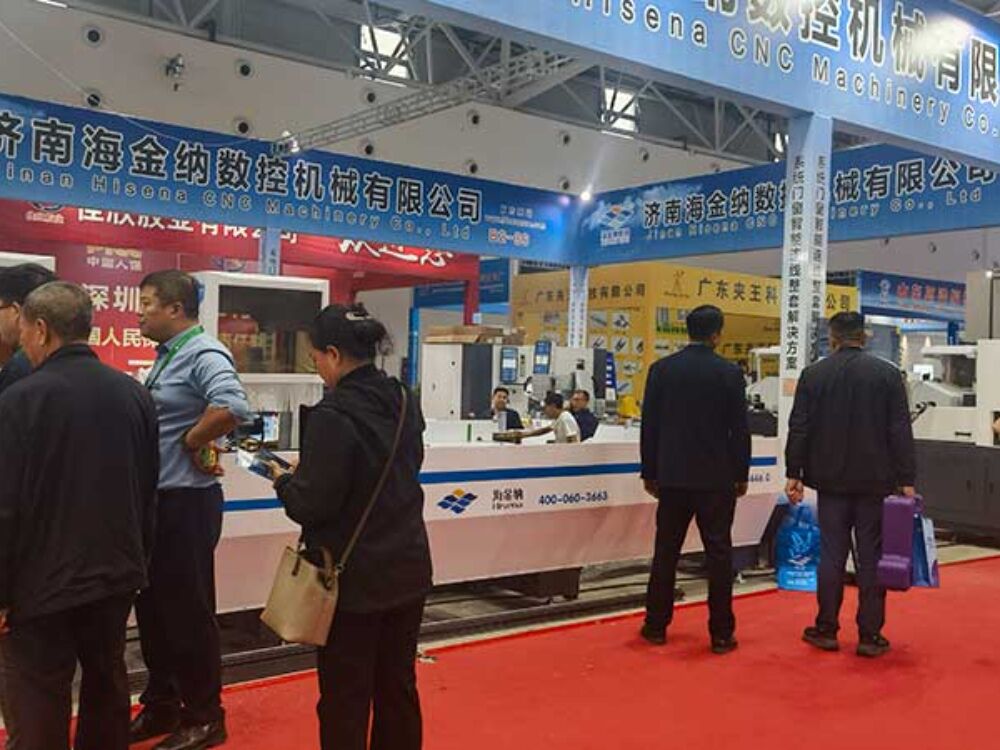
Hisena Launches New Intelligent Wireless Transmission Solution at Linqu Window Door Exhibition

14

May

Hisena Launches New Intelligent Wireless Transmission Solution at Linqu Window Door Exhibition

View More
Hisena 2019 Annual Meeting Celebrates Outstanding Employees and Teams with Awards, Games, and Lucky Draws

30

Apr

Hisena 2019 Annual Meeting Celebrates Outstanding Employees and Teams with Awards, Games, and Lucky Draws

View More

Get a Free Quote

Our representative will contact you soon.
Name
Email
Telephone
Country
Company Name
Message
0/1000

profile punching machine

Advanced Hydraulic Power System for Superior Punching Performance

Advanced Hydraulic Power System for Superior Punching Performance

The hydraulic power system forms the technological heart of the profile punching machine, delivering controlled force that transforms raw metal profiles into precisely perforated components ready for assembly. This sophisticated system begins with a high-capacity hydraulic pump that converts mechanical energy into pressurized fluid flow, typically generating system pressures between 2500 and 3500 PSI depending on machine specifications. The pressurized hydraulic fluid travels through precision-engineered valves and manifolds to a large-bore cylinder where it acts upon a piston connected directly to the punching ram. This hydraulic actuation provides several critical advantages over mechanical systems, including infinitely variable force control that automatically adjusts to material thickness and hardness variations. When the machine encounters thicker material sections, the hydraulic system automatically compensates by maintaining consistent pressure throughout the punching stroke, ensuring complete penetration without operator intervention. The system incorporates pressure relief valves that prevent overload conditions, protecting both the machine structure and punching tools from damage caused by excessive forces. Sophisticated servo-hydraulic controls in premium models enable precise ram speed regulation during approach, penetration, and retraction phases of the punching cycle. This speed control minimizes shock loads on the machine frame and extends tool life by reducing impact forces at the moment of material contact. The hydraulic system also provides exceptional energy efficiency since the pump operates at reduced capacity during idle periods and ramps up only when punching force is required. Modern hydraulic circuits include temperature management systems with heat exchangers that maintain optimal fluid viscosity, ensuring consistent performance throughout extended production shifts. The smooth, progressive force application characteristic of hydraulic systems produces superior hole quality with minimal material distortion compared to mechanical impact methods. Operators benefit from variable force settings that allow adjustment of punching pressure to match specific material requirements, preventing excessive penetration force that can damage thin-walled profiles while ensuring sufficient power for heavy structural sections. The hydraulic accumulator stores pressurized fluid that supplements pump output during high-demand cycles, enabling faster cycle times without requiring oversized pump installations. Maintenance of the hydraulic system follows predictable schedules with straightforward fluid changes, filter replacements, and seal inspections that skilled technicians complete during planned downtime. The reliability of hydraulic components has improved dramatically with modern manufacturing standards, delivering years of dependable operation between major service intervals. This robust power delivery system enables the profile punching machine to handle demanding production schedules while maintaining the precision and consistency that quality fabrication requires.
Computer Numerical Control Integration for Precision and Productivity

Computer Numerical Control Integration for Precision and Productivity

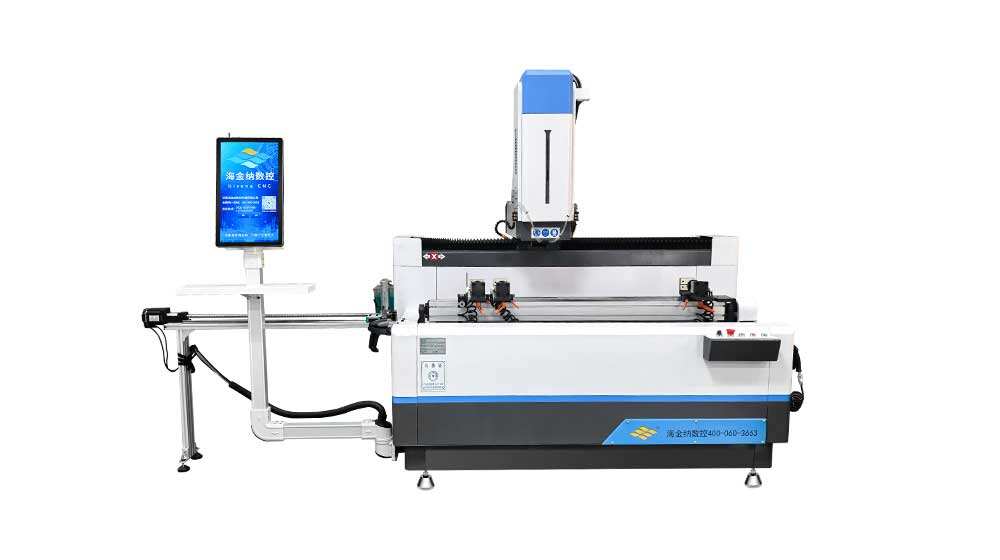
The integration of Computer Numerical Control technology elevates the profile punching machine from a simple mechanical tool to an intelligent manufacturing system capable of executing complex operations with minimal human intervention. The CNC system consists of an industrial computer running specialized motion control software that interprets design files and translates them into precise machine movements and punching sequences. Operators interact with the system through an intuitive touchscreen interface that displays graphical representations of workpieces, tooling configurations, and programmed operations. This visual programming environment eliminates the need for complex code writing, allowing technicians to define punching patterns by simply indicating hole locations on digital profile drawings. The control system manages multiple axes of motion simultaneously, coordinating longitudinal and transverse positioning of the workpiece while controlling punching tool descent and retraction. Position feedback comes from high-resolution linear encoders mounted along movement axes, providing real-time location data accurate to 0.01mm or better. The controller continuously compares actual positions against programmed targets, issuing correction commands that maintain precision throughout the production process. Advanced CNC systems store unlimited program files in digital libraries, enabling operators to recall previously used configurations instantly when repeat orders arrive. The memory capacity accommodates complete production databases with thousands of different part programs organized by customer, project, or component type. Simulation capabilities built into modern controllers allow operators to verify programmed sequences before executing actual punching operations, identifying potential collisions or positioning errors that could damage tools or workpieces. The CNC system optimizes punching sequences automatically, determining the most efficient tool path that minimizes workpiece repositioning and reduces cycle times. This intelligent sequencing considers factors like hole proximity, tool changes, and material stability to create execution plans that maximize productivity. Data collection features track production metrics including cycle counts, tool usage, and downtime causes, providing management with actionable information for continuous improvement initiatives. Network connectivity enables integration with enterprise resource planning systems, allowing the profile punching machine to receive job specifications directly from design departments and report completion status back to scheduling systems. Remote diagnostics capabilities permit service technicians to access machine parameters via secure internet connections, troubleshooting issues and updating software without on-site visits. The precision and repeatability delivered by CNC control systems ensure that every component meets specification requirements, supporting quality management systems and customer satisfaction objectives that drive business success.
Versatile Tooling System Supporting Diverse Manufacturing Applications

Versatile Tooling System Supporting Diverse Manufacturing Applications

The tooling system of a profile punching machine represents a carefully engineered solution that accommodates an extraordinary range of hole sizes, shapes, and configurations while maintaining quick-change capability essential for efficient production operations. At the foundation of this system lies a standardized tool holder mounted in the punching ram, featuring a precision-ground bore and locking mechanism that secures punching tools with both axial and rotational stability. The standardized interface allows fabricators to build comprehensive tool libraries containing dozens of different configurations, each ready for installation in minutes when production requirements change. Circular punches ranging from 6mm to 40mm diameter address the majority of structural fabrication needs, creating holes for bolts, rivets, and mechanical fasteners. Oblong and rectangular punching tools produce slots for adjustable connections and specialized mounting applications. Custom-shaped tools can be manufactured to create brand logos, part numbers, or unique geometric features directly in metal profiles. Each punching tool comprises two components working in precise coordination: the punch that penetrates from above and the die that supports material from below while providing clearance for the punch to complete its stroke. The critical relationship between punch and die dimensions, known as clearance, must be carefully controlled based on material type and thickness to achieve clean holes without excessive burrs or distortion. Tool materials utilize high-speed steel or carbide compositions selected for their combination of hardness, toughness, and wear resistance when repeatedly impacting hardened steel profiles. Surface treatments including titanium nitride coating extend tool life significantly by reducing friction and preventing material adhesion during the punching process. The quick-change tooling system incorporates alignment features that ensure consistent tool positioning relative to the workpiece, maintaining hole location accuracy even after multiple tool changes. Tool height compensation systems built into advanced machines automatically adjust ram stroke depth when different tool lengths are installed, eliminating manual setup adjustments. Guided tooling systems include precision bushings that prevent lateral deflection during punching, particularly important when creating small holes in thick materials where side forces can cause punch breakage. Spring-loaded strippers surround the punch, holding material flat against the die surface during penetration and actively pushing the profile away from the punch during retraction to prevent material from lifting with the tool. This positive stripping action is essential when punching sticky materials like stainless steel or aluminum that tend to grip cutting tools. Tool life monitoring systems track punch usage and alert operators when replacement becomes necessary based on actual cycle counts, preventing quality degradation from worn tooling. The comprehensive nature of modern tooling systems transforms the profile punching machine into a versatile manufacturing platform capable of adapting to evolving production requirements without equipment replacement, protecting capital investments while supporting business growth and diversification into new market segments.

Get a Free Quote

Our representative will contact you soon.
Name
Email
Telephone
Country
Company Name
Message
0/1000