Profile Welding Machine - Advanced Automated Solutions for Precision Profile Joining

Get a Free Quote

Our representative will contact you soon.
Name
Email
Telephone
Country
Company Name
Message
0/1000

profile welding machine

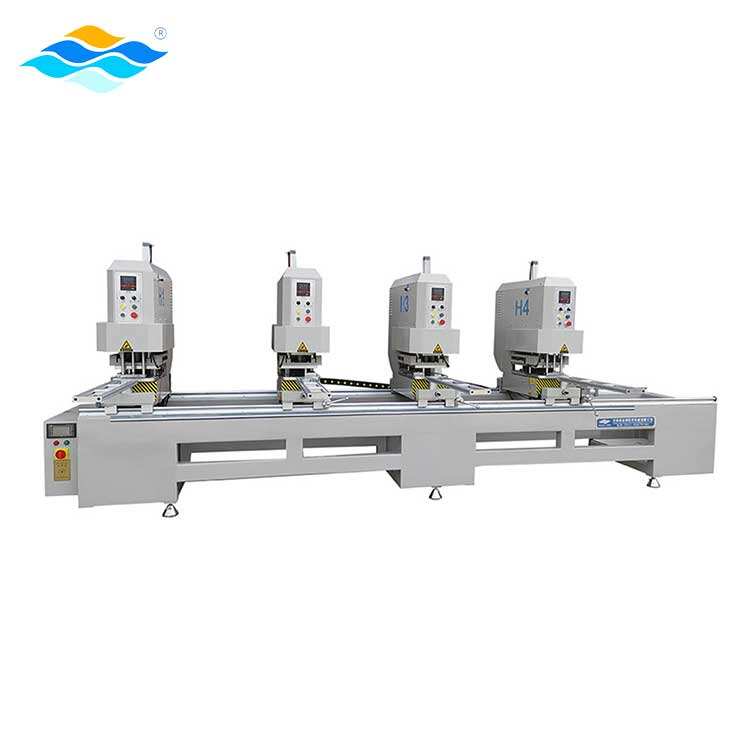
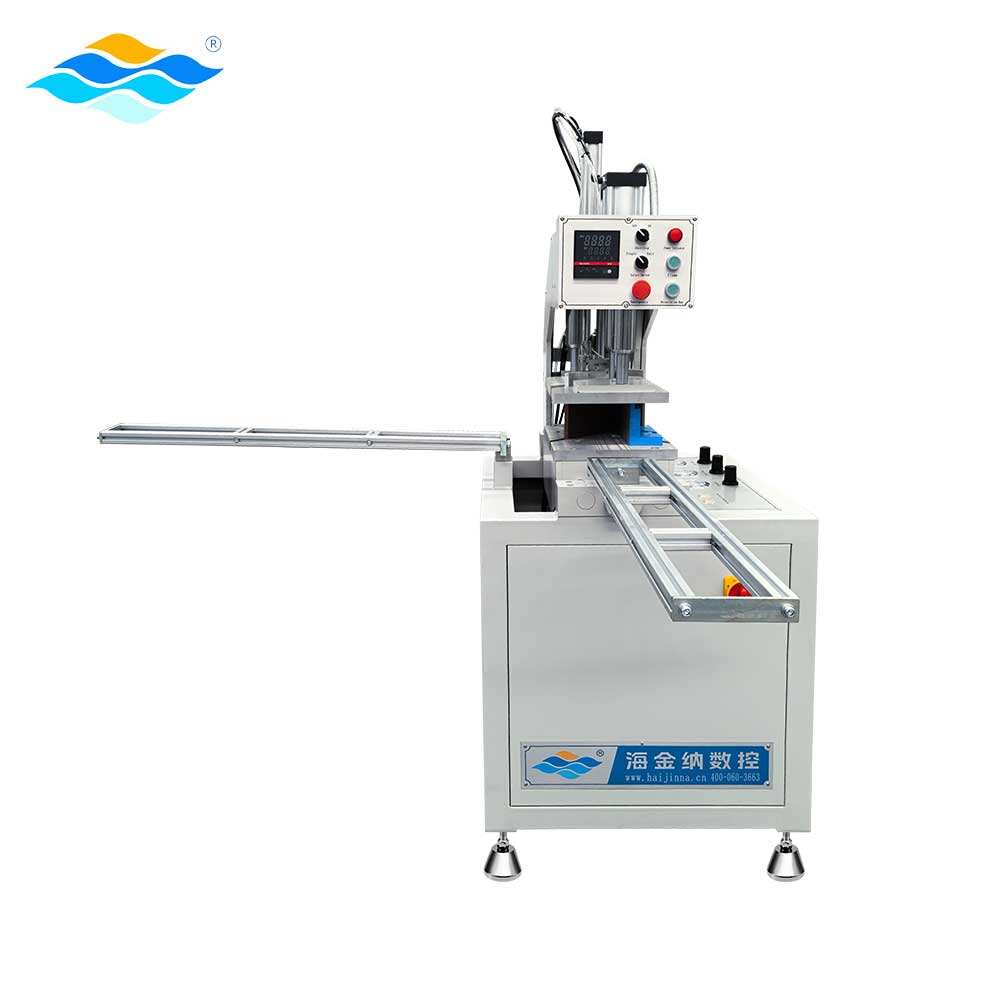
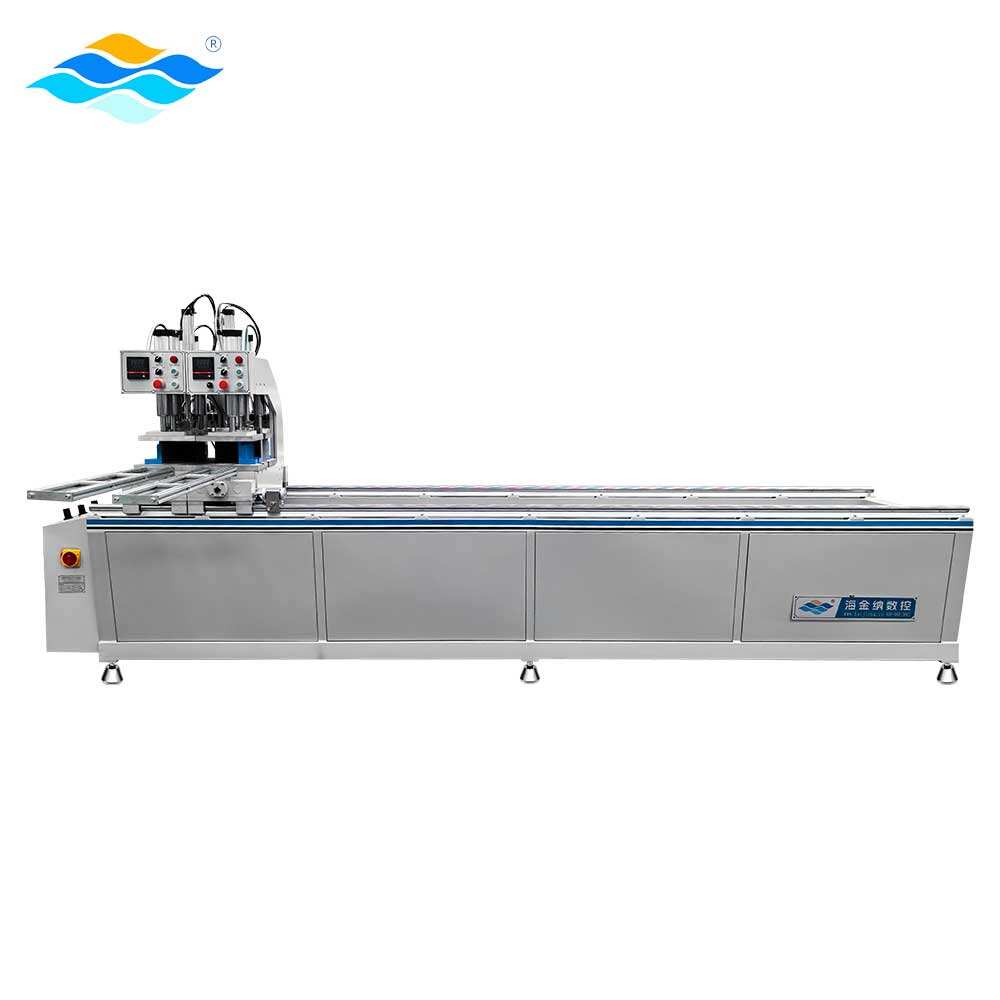
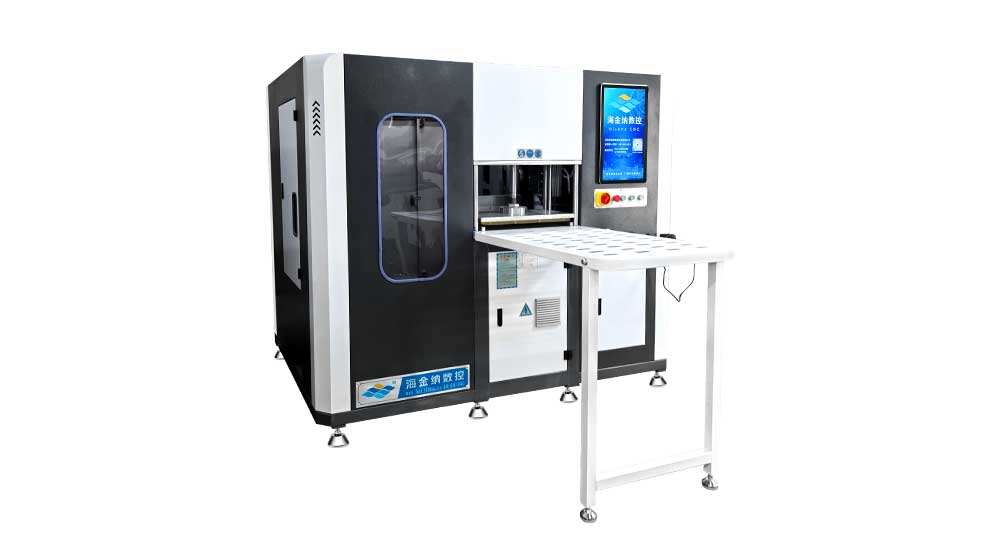
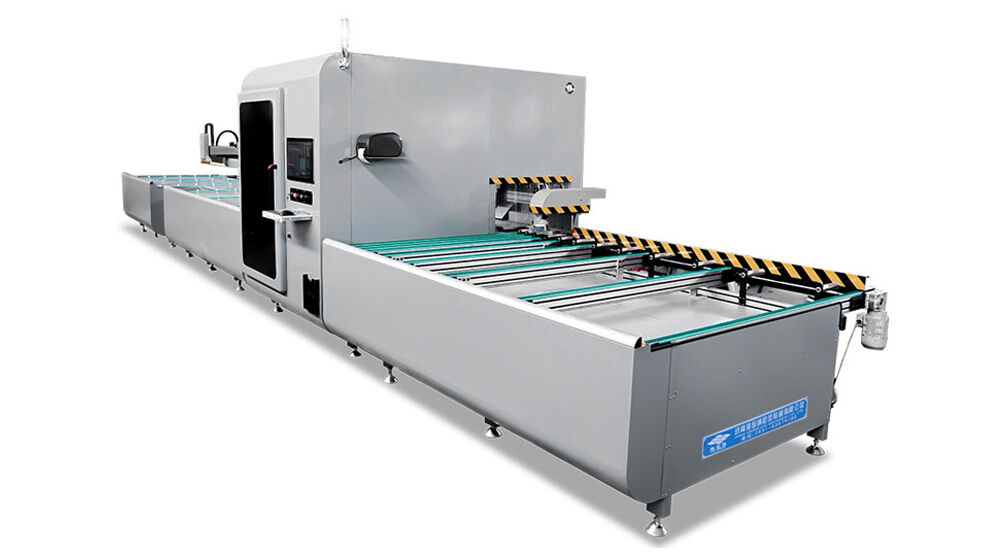
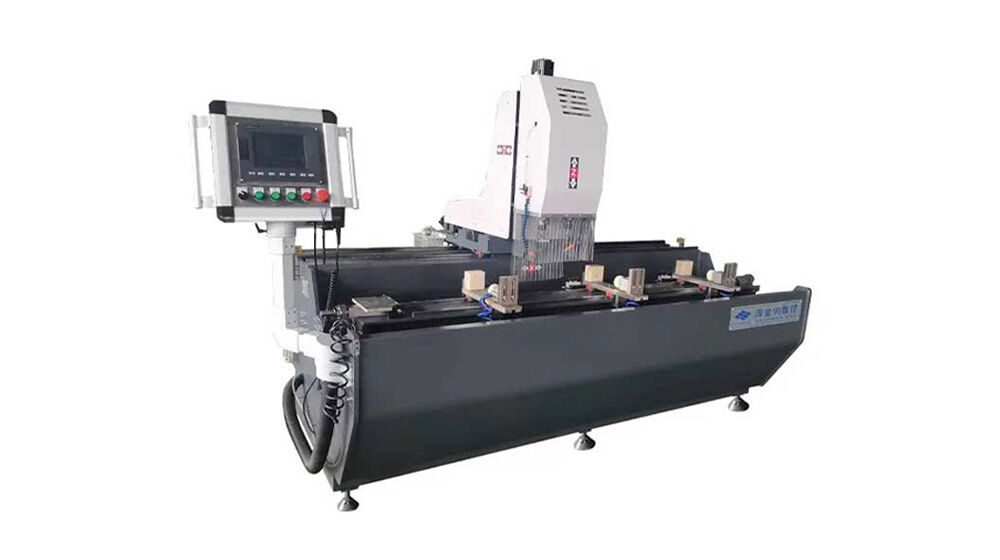
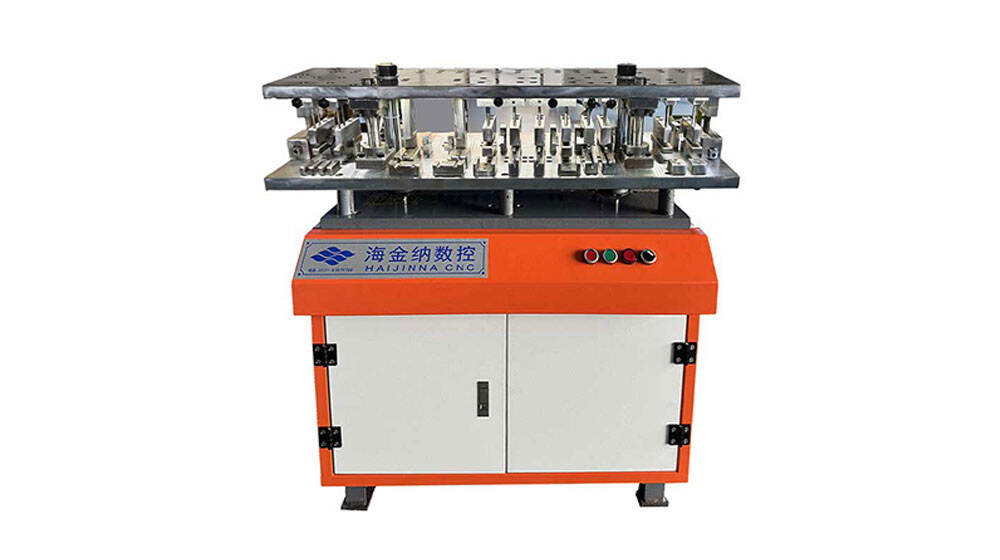
A profile welding machine represents an advanced manufacturing solution designed specifically for joining profiles, frames, and structural components with precision and consistency. This specialized equipment integrates sophisticated welding technology with automated control systems to deliver superior joint quality across various materials including aluminum, steel, and PVC profiles. The profile welding machine operates through a combination of heating elements, pressure application mechanisms, and cooling systems that work together to create durable, aesthetically pleasing welds. Modern profile welding machines incorporate digital controls that allow operators to customize welding parameters such as temperature, pressure, timing, and cooling rates to match specific material requirements and production demands. These machines excel in manufacturing environments where repetitive welding of similar profile geometries is required, making them indispensable in window and door production, curtain wall fabrication, automotive frame assembly, and architectural metalwork. The technology behind profile welding machines has evolved significantly, incorporating features like touch-screen interfaces, programmable logic controllers, and servo-driven positioning systems that enhance operational efficiency. The equipment typically consists of a welding head, clamping fixtures, heating plates or elements, a control panel, and a structural frame that ensures stability during operation. Profile welding machines can accommodate various profile sizes and configurations through adjustable fixtures and interchangeable tooling, providing manufacturers with versatility across different product lines. The welding process itself creates molecular bonds between materials, resulting in joints that often match or exceed the strength of the base material. Safety features integrated into modern profile welding machines include emergency stop mechanisms, protective guards, and automated fault detection systems that protect operators and ensure consistent production quality. The investment in a profile welding machine delivers long-term value through reduced labor costs, improved production throughput, and enhanced product quality that meets stringent industry standards and customer expectations.
New Product Recommendations

Investing in a profile welding machine transforms manufacturing operations by delivering consistent, high-quality welds that eliminate the variations common with manual welding methods. The automation inherent in these machines reduces dependency on highly skilled welders, allowing facilities to maintain production levels even during labor shortages while training new operators becomes significantly faster and more straightforward. Production speed increases dramatically as profile welding machines complete welding cycles in fractions of the time required for manual processes, enabling manufacturers to fulfill larger orders and respond quickly to market demands. The precision offered by automated controls ensures every weld meets exact specifications, reducing scrap rates and minimizing costly material waste that cuts into profit margins. Energy efficiency stands as another compelling benefit, as modern profile welding machines optimize power consumption by applying heat only where and when needed, resulting in lower operational costs compared to traditional welding methods. The repeatability achieved through programmed settings guarantees uniform quality across thousands of units, building customer confidence and reducing warranty claims that can damage reputation and financial performance. Workplace safety improves substantially since operators work at safe distances from heat sources and automated systems handle the most hazardous aspects of the welding process, reducing injury risks and associated costs. Maintenance requirements remain minimal due to robust construction and durable components designed for continuous operation in demanding production environments. The flexibility to switch between different profile types and materials by adjusting digital parameters eliminates the need for multiple specialized machines, maximizing floor space utilization and capital equipment efficiency. Clean, professional weld appearance enhances product aesthetics without requiring additional finishing operations, saving time and labor while delivering products that command premium pricing in competitive markets. The machine's ability to maintain consistent quality regardless of operator experience level stabilizes production output and simplifies quality control processes. Environmental benefits emerge through reduced emissions and cleaner work environments compared to traditional welding methods that generate fumes and particulates. Integration capabilities with existing manufacturing systems and production lines enable seamless workflow coordination that optimizes overall facility efficiency. Return on investment materializes quickly as labor savings, increased throughput, and quality improvements combine to offset initial equipment costs, typically within the first year of operation for medium to high-volume manufacturers. Long-term reliability ensures uninterrupted production schedules, protecting delivery commitments and customer relationships that form the foundation of sustainable business growth.

Practical Tips

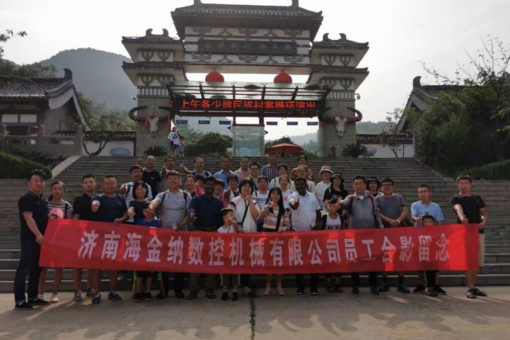
Hisena Family and Foreign Customers Explore Jinan Jiuding Tower Chinese National Joy Park, Experiencing Six Ethnic Cultures and Joy of Traditional Water Festival

30

Apr

Hisena Family and Foreign Customers Explore Jinan Jiuding Tower Chinese National Joy Park, Experiencing Six Ethnic Cultures and Joy of Traditional Water Festival

View More
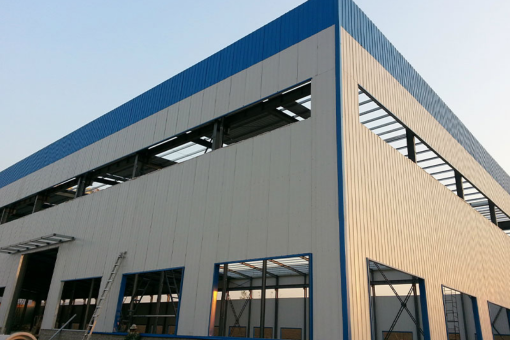
Hisena's New Factory Under Construction While Ensuring Timely Completion and Shipment of Customer Orders

30

Apr

Hisena's New Factory Under Construction While Ensuring Timely Completion and Shipment of Customer Orders

View More
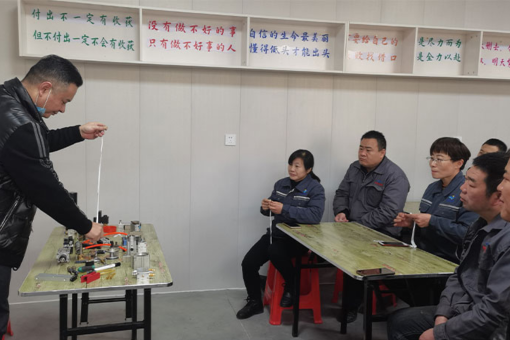
Hisena Staff Trains on Pneumatic Components to Better Serve Customers

30

Apr

Hisena Staff Trains on Pneumatic Components to Better Serve Customers

View More
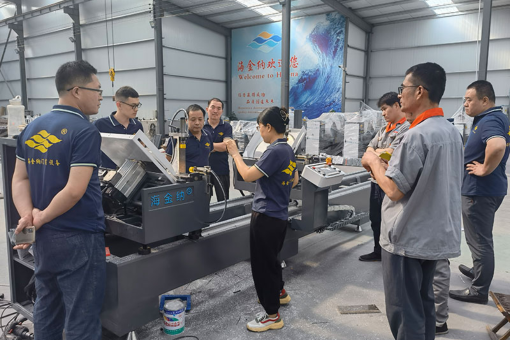
Hisena Production Staff Trains to Improve Installation Steps and Skills for Higher Quality Products

30

Apr

Hisena Production Staff Trains to Improve Installation Steps and Skills for Higher Quality Products

View More

Get a Free Quote

Our representative will contact you soon.
Name
Email
Telephone
Country
Company Name
Message
0/1000

profile welding machine

Advanced Automation Technology for Consistent Quality

Advanced Automation Technology for Consistent Quality

The profile welding machine incorporates cutting-edge automation technology that revolutionizes how manufacturers approach profile joining operations. At the heart of this capability lies sophisticated programmable logic controllers that precisely regulate every aspect of the welding cycle, from initial heating through final cooling. These digital control systems allow operators to input specific parameters tailored to different materials and profile geometries, storing multiple recipes that can be recalled instantly when switching between production runs. The automation eliminates human error variables that plague manual welding processes, ensuring that the tenth thousand weld matches the quality of the first. Temperature sensors continuously monitor heating elements and workpiece temperatures, making real-time adjustments to maintain optimal welding conditions throughout each cycle. Servo-driven positioning systems move welding heads and clamping fixtures with micron-level accuracy, guaranteeing perfect alignment between profile sections before heat and pressure application begins. This precision prevents the misalignment issues that create weak joints and cosmetic defects in finished products. The automation extends to quality monitoring, with built-in sensors detecting anomalies such as insufficient heating, inadequate pressure, or premature cooling that could compromise weld integrity. When deviations occur, the system alerts operators immediately and can automatically reject defective parts, preventing them from advancing to subsequent production stages. Data logging capabilities track every welding cycle, creating comprehensive production records that support quality management systems and provide valuable insights for process optimization. The user-friendly interface presents complex automation in accessible formats, typically through color touchscreens that display real-time status, allow parameter adjustments, and provide troubleshooting guidance. Even operators without extensive technical backgrounds can quickly master machine operation, reducing training time and costs. The automation technology also enables remote monitoring capabilities in advanced models, allowing production managers to oversee multiple machines from central locations and respond proactively to potential issues. Predictive maintenance algorithms analyze operational data to forecast component wear and schedule service interventions before breakdowns occur, maximizing uptime and production reliability. This level of automation transforms the profile welding machine from simple equipment into an intelligent manufacturing asset that continuously optimizes performance while delivering the consistent quality that modern markets demand.
Exceptional Versatility Across Materials and Applications

Exceptional Versatility Across Materials and Applications

The profile welding machine demonstrates remarkable versatility that allows manufacturers to address diverse production requirements with a single piece of equipment. This adaptability begins with the machine's ability to process multiple material types including aluminum alloys, steel grades, PVC compounds, and composite materials commonly used in contemporary manufacturing. The adjustable heating systems accommodate the different melting points and thermal characteristics of various materials, applying precisely controlled energy to achieve optimal bonding without causing damage or degradation. Quick-change tooling systems enable rapid reconfiguration when switching between different profile shapes and sizes, minimizing downtime between production runs and maximizing equipment utilization throughout operational shifts. Manufacturers producing window frames, door assemblies, curtain wall components, automotive structures, furniture frames, and display fixtures all benefit from this versatility, often consolidating operations that previously required multiple specialized machines. The clamping systems incorporate adjustable fixtures that securely hold profiles ranging from delicate thin-walled sections to robust heavy-duty structural members, ensuring proper positioning regardless of component dimensions. This flexibility proves particularly valuable for custom fabricators and manufacturers serving diverse market segments where product specifications vary significantly between orders. The welding parameters can be fine-tuned to create different joint characteristics, from invisible cosmetic welds for architectural applications to robust structural joints for load-bearing assemblies. Manufacturers appreciate how this versatility reduces inventory requirements for spare parts and consumables since standardized components serve multiple applications rather than requiring unique items for each product line. The ability to handle both small batch custom orders and high-volume production runs with equal efficiency makes the profile welding machine suitable for operations of all scales, from specialized fabrication shops to large industrial facilities. Material thickness variations present no challenge as pressure and heating duration adjust automatically to accommodate different cross-sectional dimensions within the machine's capacity range. This adaptability extends product lifecycles since equipment investments remain relevant even as product designs evolve and market demands shift toward new materials and configurations. The versatility inherent in modern profile welding machines effectively future-proofs manufacturing capabilities, protecting capital investments against obsolescence while maintaining competitive positioning in dynamic markets. Manufacturers report that this multi-purpose functionality delivers superior return on investment compared to specialized equipment with limited application ranges, as the same machine supports growth into new product categories and market opportunities without requiring additional capital expenditures for separate welding systems.
Superior Weld Strength and Aesthetic Quality

Superior Weld Strength and Aesthetic Quality

The profile welding machine produces joints that consistently achieve exceptional strength characteristics while delivering clean, professional aesthetics that enhance product value. The welding process creates molecular bonds between materials at the interface, resulting in joints that match or exceed the structural properties of the base material itself. This strength derives from the precisely controlled application of heat and pressure that the machine maintains throughout each welding cycle, ensuring complete fusion without creating weak zones or internal voids that compromise joint integrity. Unlike mechanical fastening methods that concentrate stress at connection points, the continuous bond created by profile welding distributes loads evenly across the entire joint area, improving structural performance and fatigue resistance. Testing consistently demonstrates that properly welded profiles fail in the base material rather than at the joint, confirming that the weld represents the strongest component of the assembly. This reliability proves critical in applications where safety and longevity are paramount, such as architectural glazing systems, vehicle structures, and load-bearing frameworks. The aesthetic quality achieved through automated profile welding surpasses results from manual methods, producing clean joints with minimal flash or distortion that require little or no post-weld finishing. The consistent appearance across all welds creates uniform product presentation that customers associate with premium quality and professional manufacturing. For visible applications in architectural and consumer products, this cosmetic excellence directly impacts marketability and allows manufacturers to command higher prices. The narrow heat-affected zones characteristic of properly controlled profile welding preserve material properties adjacent to joints, preventing the discoloration, warping, and weakening that can occur with less sophisticated joining methods. Aluminum profiles particularly benefit from this controlled heating, maintaining their anodized or powder-coated finishes right up to the weld line without the damage that mars product appearance and requires costly remedial finishing. The hermetic seals created by fusion welding provide superior weather resistance compared to mechanical joints, making welded profiles ideal for exterior applications where moisture infiltration leads to corrosion and structural degradation. Manufacturers in the window and door industry particularly value this weatherproofing capability, as it directly addresses customer concerns about energy efficiency and long-term durability. The combination of structural strength and aesthetic quality positions manufacturers using profile welding machines as premium suppliers capable of meeting demanding specifications for both performance and appearance, opening access to higher-value market segments and more profitable customer relationships.

Get a Free Quote

Our representative will contact you soon.
Name
Email
Telephone
Country
Company Name
Message
0/1000