Comprehensive Automation Reducing Production Complexity
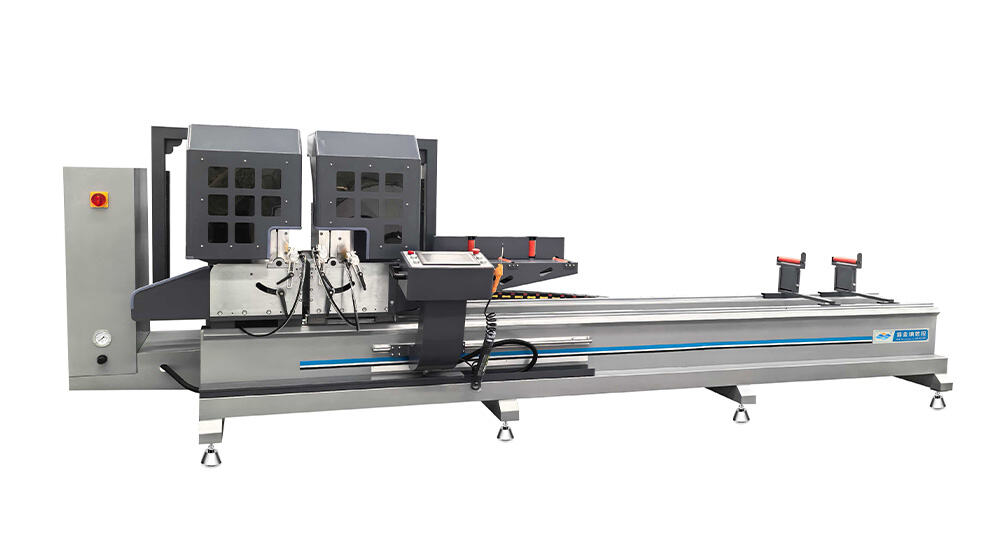
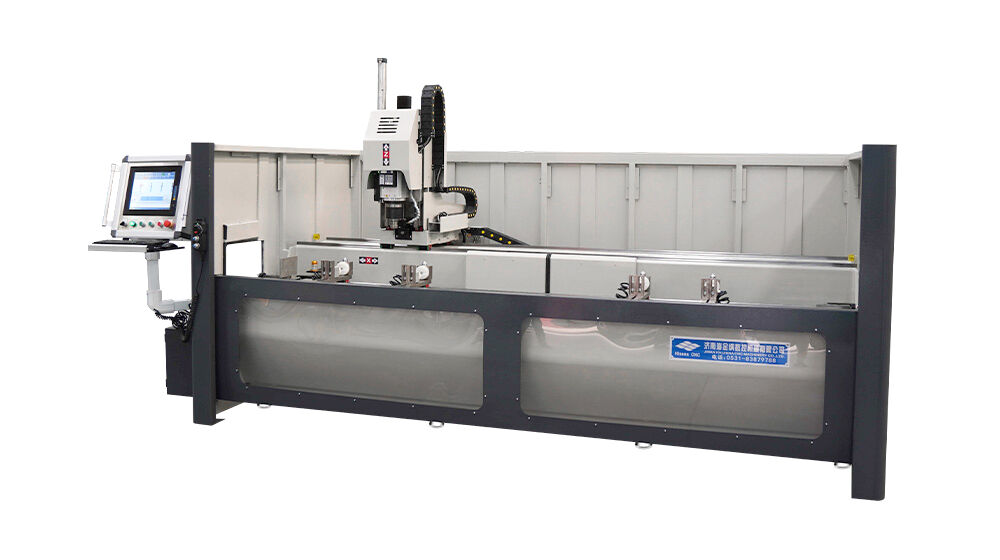
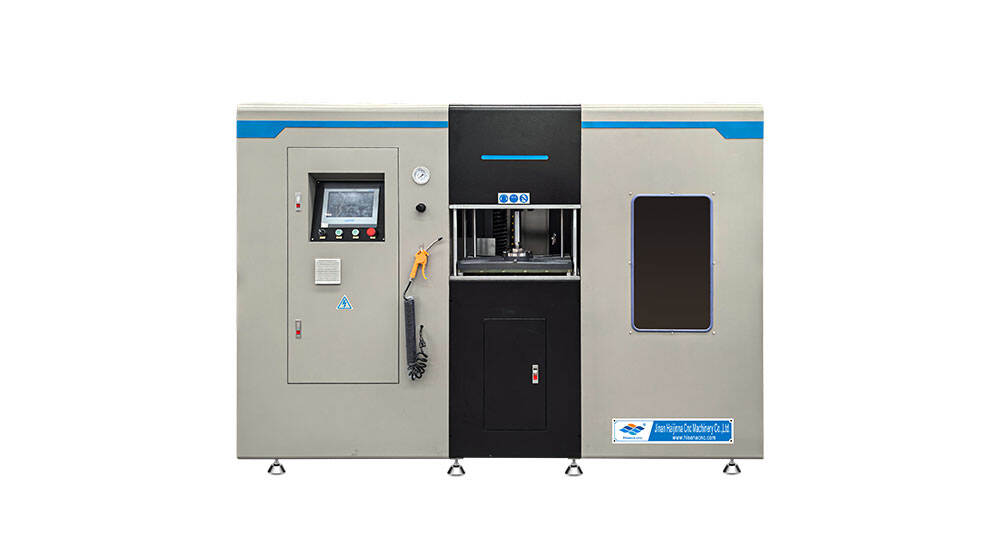
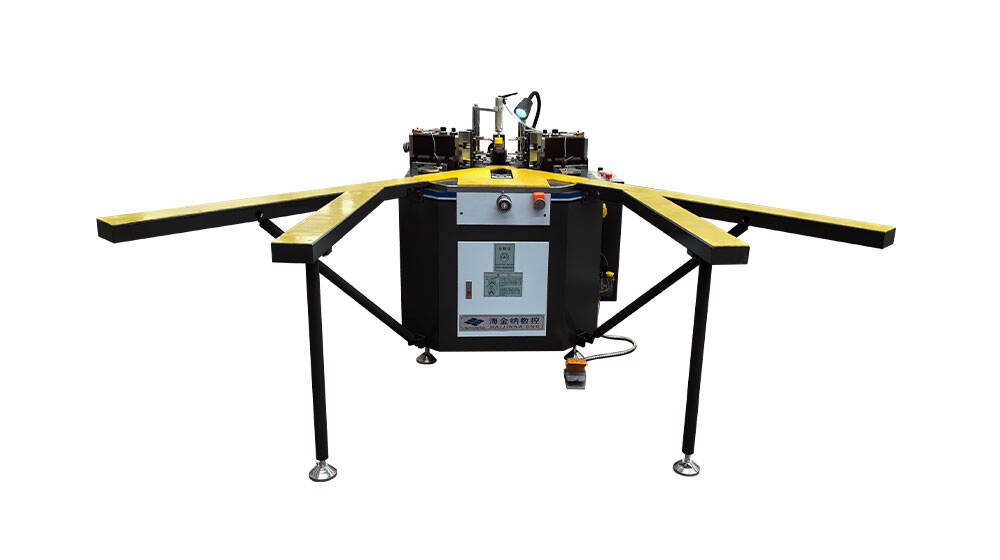
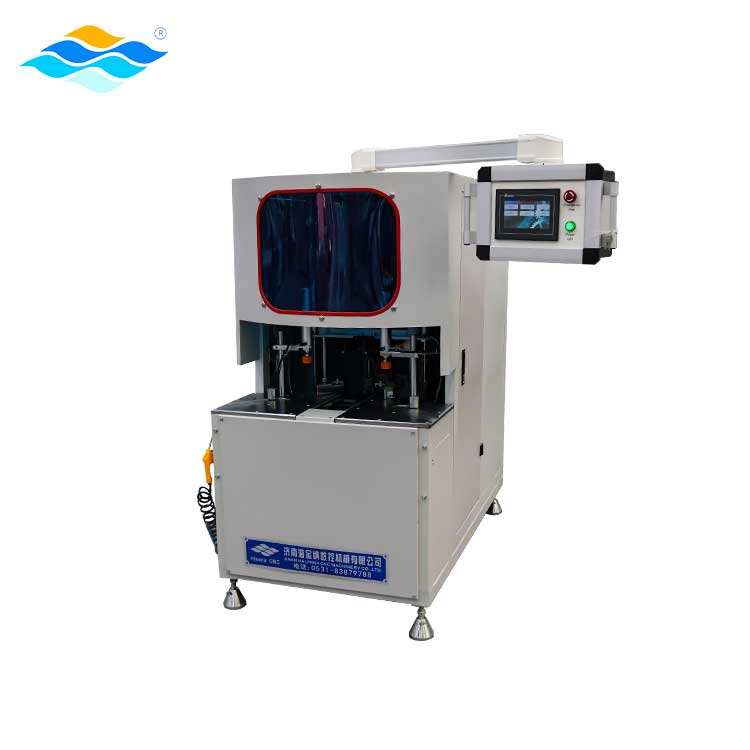
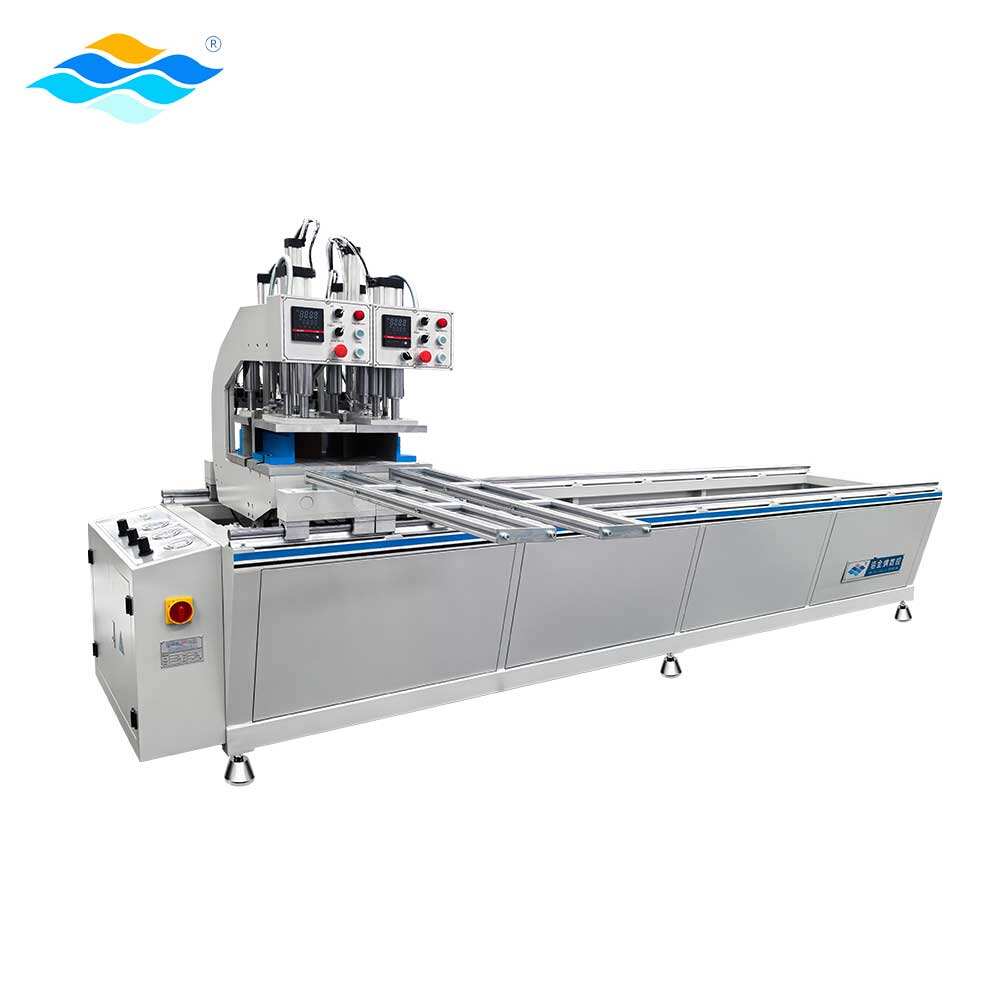
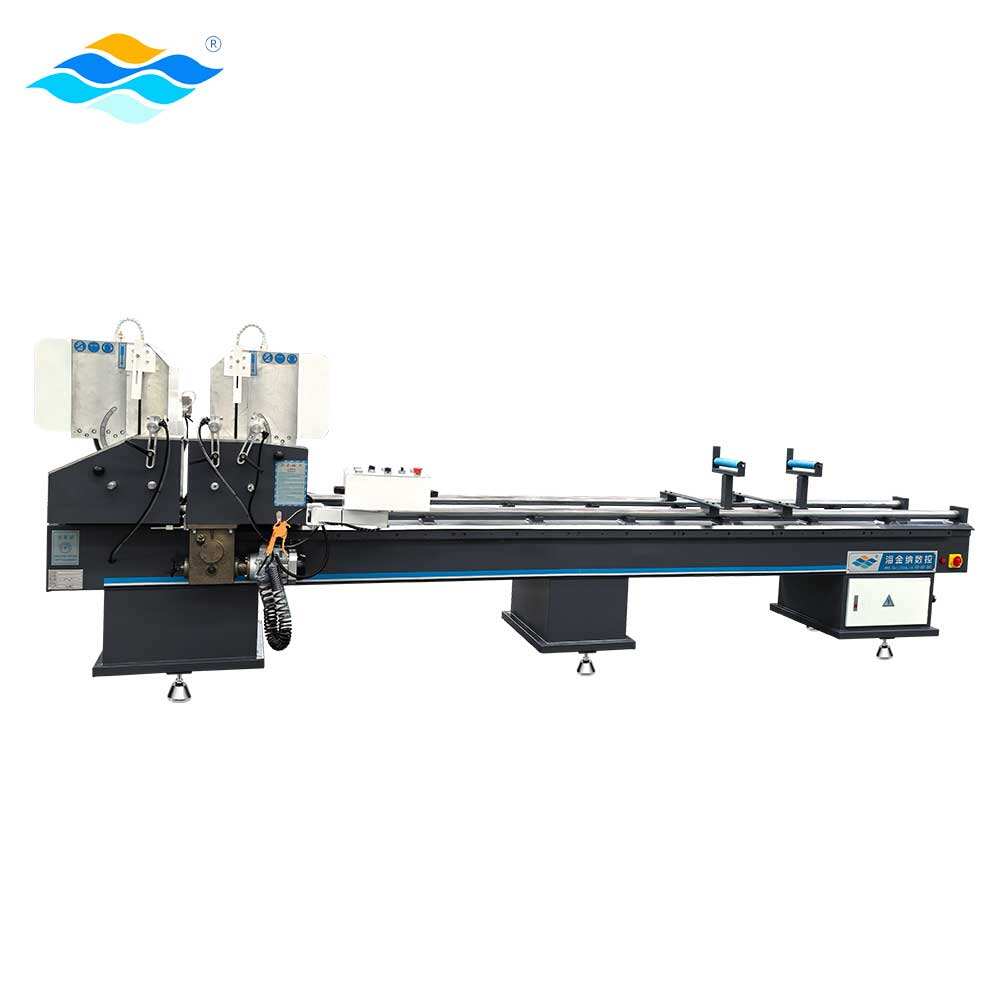
Comprehensive automation within the upvc window making machine revolutionizes window fabrication by reducing production complexity and eliminating bottlenecks that constrain output. Traditional window making involves numerous separate steps performed at different workstations, requiring material handling between each operation and creating opportunities for errors, delays, and damage. Automated machinery consolidates these steps into a streamlined workflow where profiles move seamlessly from one process to the next without manual intervention. The control system orchestrates this choreography, managing timing, sequencing, and quality checks automatically according to programmed instructions. Operators input window specifications through intuitive interfaces, selecting dimensions, styles, and hardware configurations from menus rather than manually adjusting multiple machine settings. Once programmed, the upvc window making machine executes the entire production sequence independently, freeing operators to perform other value-adding tasks like inventory management, quality audits, or customer service. Material handling automation represents a significant complexity reduction. Powered conveyors transport profiles between cutting, welding, and finishing stations, maintaining proper orientation and preventing the damage that occurs when workers manually carry awkward lengths of material through crowded production areas. Automatic loading systems can feed profiles into the machine from storage racks, while unloading mechanisms stack completed frames for curing or final assembly. This material flow automation eliminates the physical strain on workers who previously spent their shifts lifting and moving heavy materials, improving workplace ergonomics and reducing fatigue-related errors. The integration of quality control within the automated process catches defects immediately rather than discovering problems after subsequent operations have added cost and complexity. Vision systems inspect cuts for accuracy, sensors verify weld quality, and dimensional checks confirm specifications before frames proceed to the next station. Rejected pieces exit the production line automatically, preventing defective components from contaminating good inventory. Data collection happens simultaneously with production, generating records that document specifications, processing parameters, and inspection results for every window unit. This documentation supports quality management systems, provides traceability for warranty purposes, and supplies the information needed for process improvement initiatives. The complexity reduction achieved through automation allows smaller manufacturers to compete effectively against larger competitors. You gain the production capabilities of a major operation without requiring extensive facility space or large workforces. Setup times shrink dramatically when changing between different window specifications because automation handles adjustments electronically rather than mechanically. This flexibility enables profitable production of smaller batch sizes, opening opportunities in custom and specialty markets where rigid mass-production systems cannot compete effectively.
 ×
×

 EN
EN