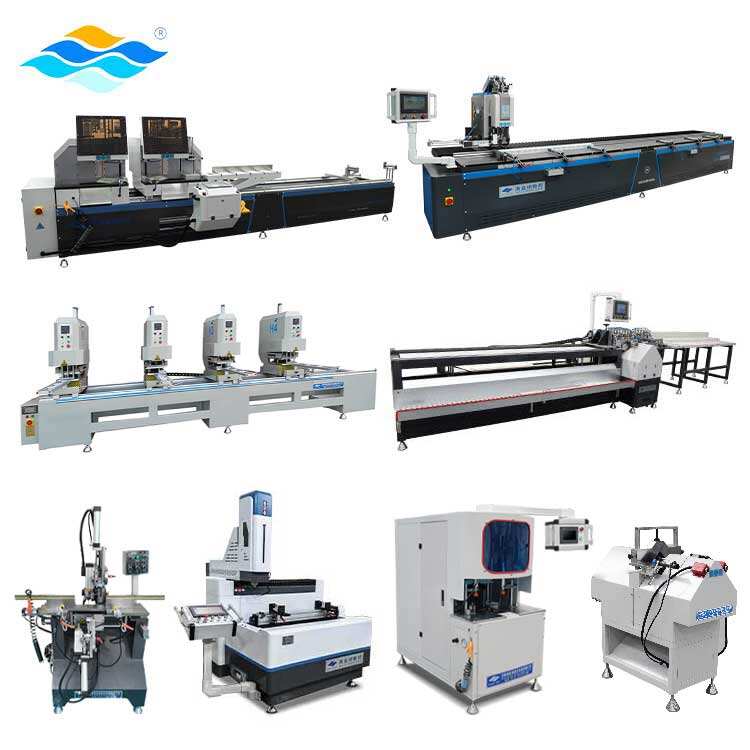
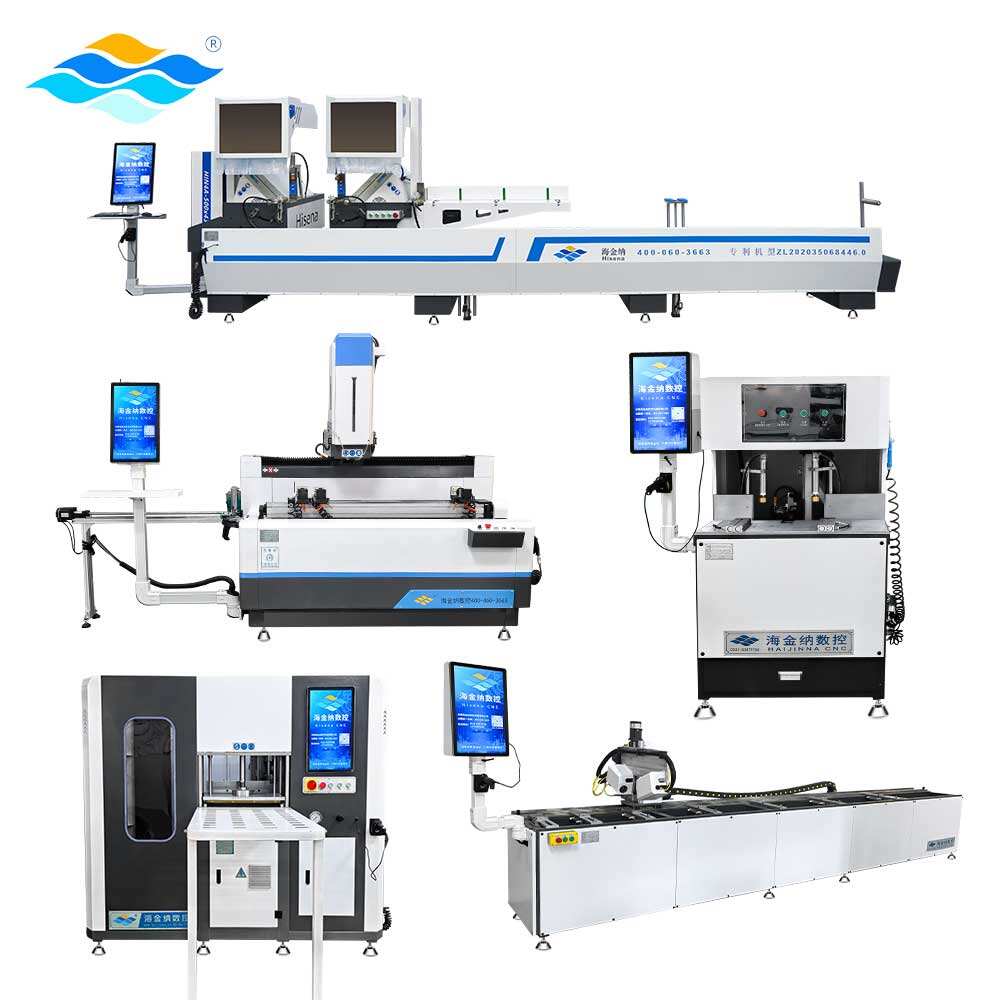
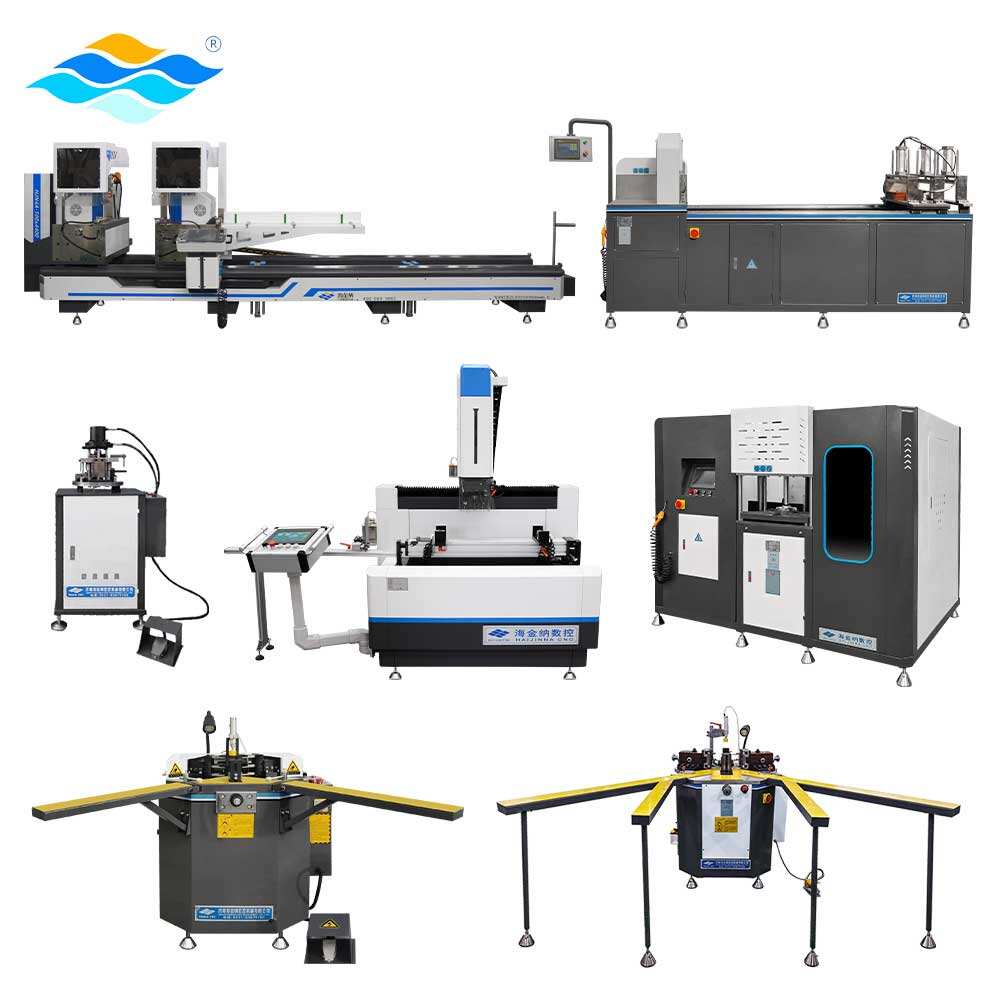
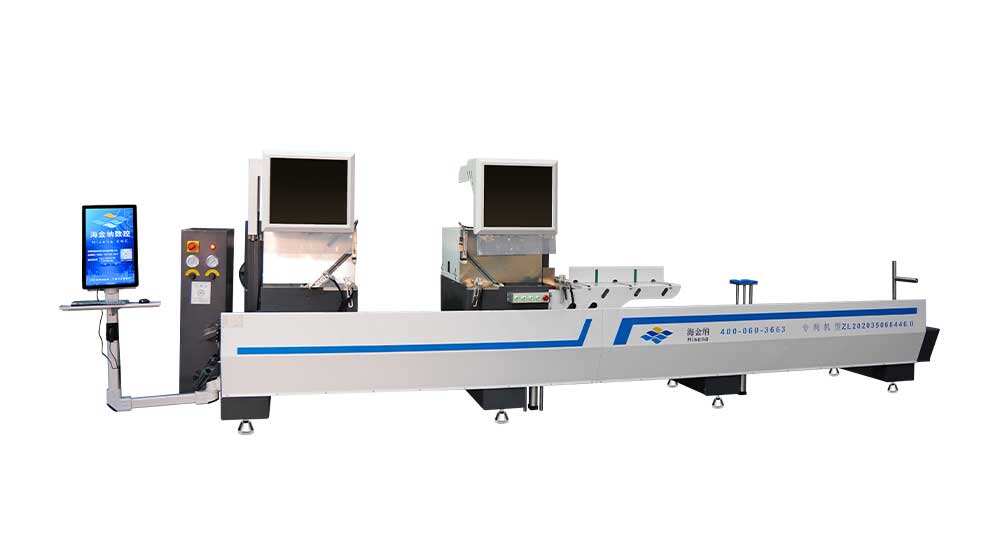
Professional Window and Door Machinery - Advanced Equipment for Precision Manufacturing

Get a Free Quote

Our representative will contact you soon.
Name
Email
Telephone
Country
Company Name
Message
0/1000

window and door machinery

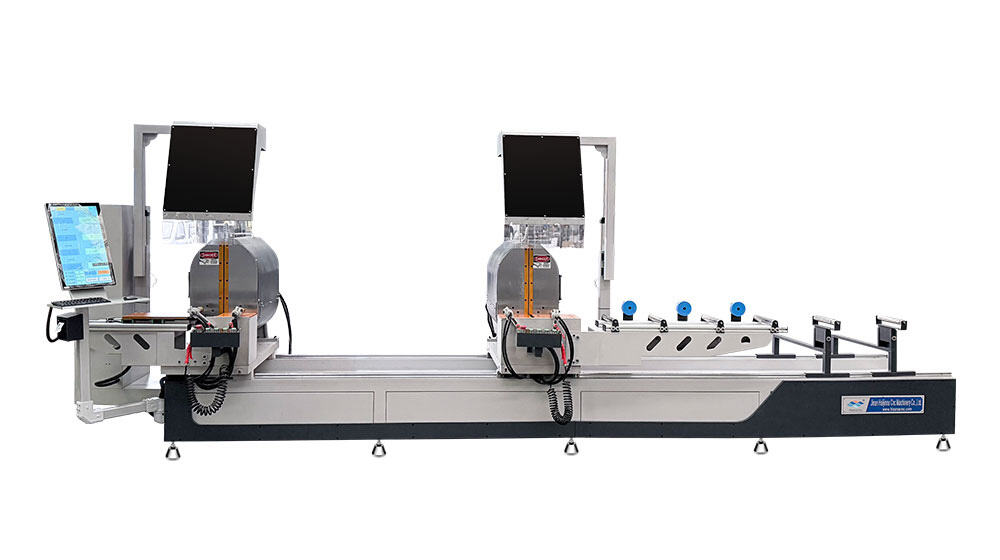
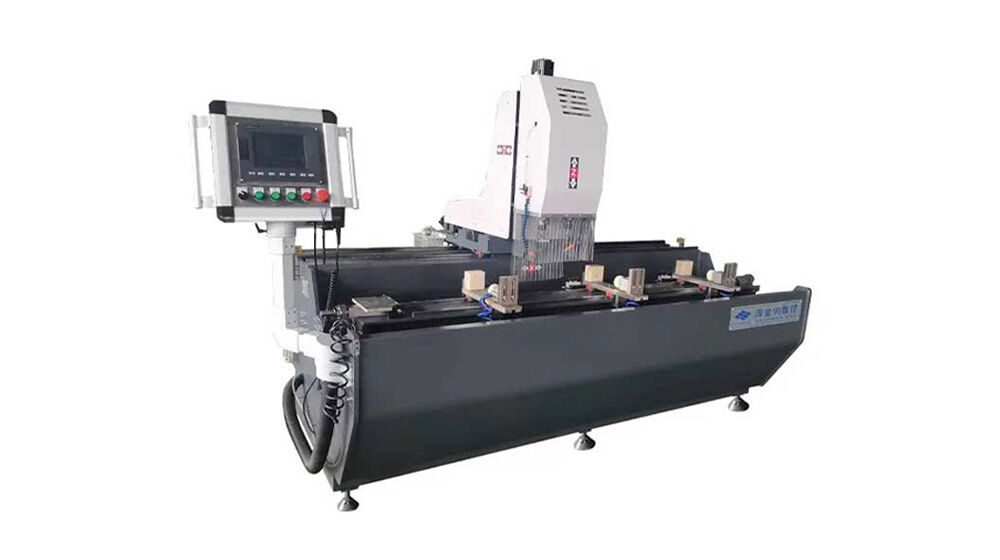
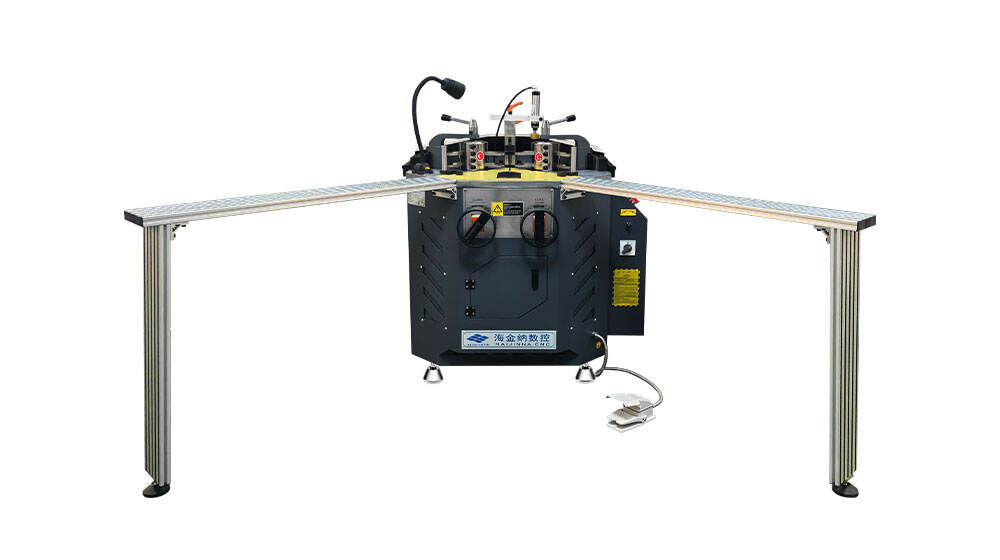
Window and door machinery represents a cornerstone of modern construction and manufacturing industries, providing essential equipment for the production, installation, and maintenance of residential and commercial fenestration systems. This specialized machinery encompasses a comprehensive range of automated and semi-automated equipment designed to streamline every aspect of window and door fabrication. The primary functions include precision cutting of profiles, accurate drilling and milling operations, seamless welding of corner joints, efficient glazing bead insertion, and quality hardware installation. These machines handle various materials including uPVC, aluminum, wood, and composite materials, adapting to different production requirements and manufacturing scales. Technological features integrated into contemporary window and door machinery include computer numerical control systems that ensure repeatability and accuracy, touch-screen interfaces for intuitive operation, automatic material feeding mechanisms that reduce manual handling, and safety sensors that protect operators during production cycles. Advanced models incorporate servo motors for precise positioning, pneumatic clamping systems for secure workpiece holding, and dust extraction units for maintaining clean working environments. The applications of this machinery span across window fabrication plants, door manufacturing facilities, renovation workshops, and construction sites where on-site customization is required. From single-head welding machines suitable for small workshops to fully automated production lines capable of processing hundreds of units daily, the versatility of window and door machinery accommodates businesses of all sizes. These systems support the production of casement windows, sliding doors, tilt-and-turn windows, bi-fold doors, and numerous other fenestration products. The machinery ensures consistent quality standards, reduces material waste through optimized cutting patterns, and significantly increases production throughput compared to manual fabrication methods. As energy efficiency regulations become stricter and architectural designs more complex, window and door machinery continues to evolve, incorporating innovative technologies that enable manufacturers to meet demanding specifications while maintaining competitive production costs and delivery schedules.

Popular Products

Investing in professional window and door machinery delivers substantial benefits that directly impact your business profitability and operational efficiency. First and foremost, these machines dramatically increase production speed, allowing you to complete orders in a fraction of the time required by manual methods. What might take hours using hand tools can be accomplished in minutes with automated equipment, enabling you to accept more projects and grow your customer base without proportionally increasing labor costs. The precision offered by modern machinery eliminates human error and ensures every window or door meets exact specifications. This consistency means fewer callbacks for adjustments, reduced material waste from mistakes, and enhanced reputation for quality craftsmanship. Your customers receive products that fit perfectly, operate smoothly, and deliver the performance they expect. Labor cost reduction represents another significant advantage, as one trained operator can manage machinery that replaces multiple manual workers. This efficiency does not eliminate jobs but rather allows your team to focus on skilled tasks like quality control, customer service, and business development. The machinery handles repetitive, physically demanding tasks, reducing workplace fatigue and injury risks while improving employee satisfaction. Material optimization features built into window and door machinery calculate the most efficient cutting patterns, minimizing waste and maximizing the yield from each profile or sheet. Over time, these savings on raw materials substantially offset the initial equipment investment. The versatility of modern machines enables rapid changeovers between different product types, allowing you to offer diverse product ranges without maintaining separate specialized equipment for each style. This flexibility helps you respond quickly to market trends and customer preferences. Energy efficiency has improved dramatically in recent equipment designs, with many machines consuming less power while delivering superior performance compared to older models. This reduction in operating costs contributes to better profit margins on every unit produced. Quality control becomes more manageable when machinery delivers consistent results, as you can establish reliable production standards and quickly identify any deviations. Training new employees becomes simpler with user-friendly interfaces and safety features that protect both operators and equipment. Many modern machines include diagnostic systems that alert you to maintenance needs before breakdowns occur, minimizing costly downtime. The competitive advantage gained through machinery investment cannot be overstated; businesses equipped with efficient production equipment can quote shorter lead times, offer better pricing, and handle larger projects than competitors relying on manual methods. Finally, the professional appearance and consistent quality of machine-produced windows and doors enhance your brand image and help justify premium pricing in the marketplace.

Tips And Tricks

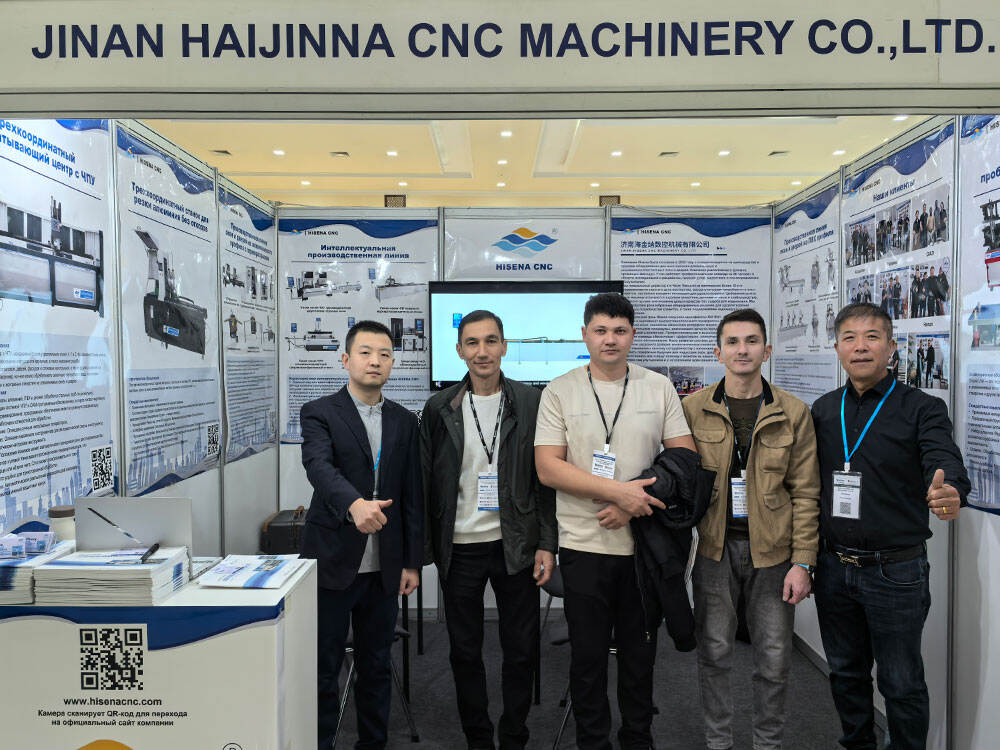
Hisena participated in the International Glass, Door, Window, and Aluminum Exhibition in Uzbekistan

30

Apr

Hisena participated in the International Glass, Door, Window, and Aluminum Exhibition in Uzbekistan

View More
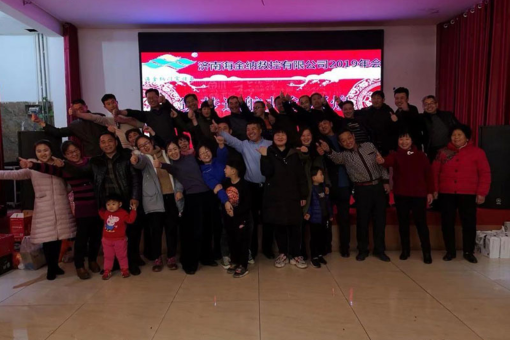
Hisena 2019 Annual Meeting Celebrates Outstanding Employees and Teams with Awards, Games, and Lucky Draws

30

Apr

Hisena 2019 Annual Meeting Celebrates Outstanding Employees and Teams with Awards, Games, and Lucky Draws

View More
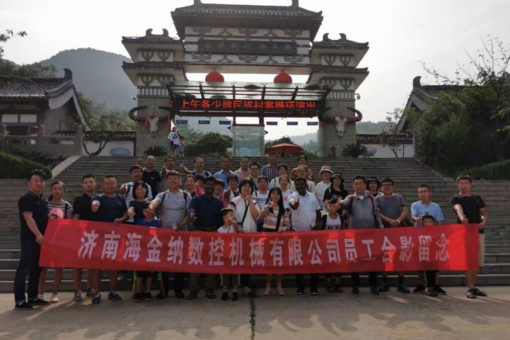
Hisena Family and Foreign Customers Explore Jinan Jiuding Tower Chinese National Joy Park, Experiencing Six Ethnic Cultures and Joy of Traditional Water Festival

30

Apr

Hisena Family and Foreign Customers Explore Jinan Jiuding Tower Chinese National Joy Park, Experiencing Six Ethnic Cultures and Joy of Traditional Water Festival

View More
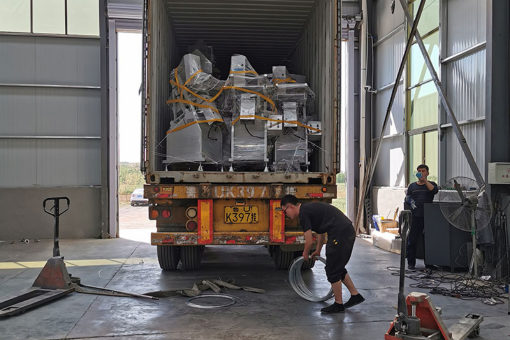
Hisena Family Worked Hard Loading Machines for Customers Under High Temperatures

30

Apr

Hisena Family Worked Hard Loading Machines for Customers Under High Temperatures

View More

Get a Free Quote

Our representative will contact you soon.
Name
Email
Telephone
Country
Company Name
Message
0/1000

window and door machinery

Advanced Automation Technology for Seamless Production Workflow

Advanced Automation Technology for Seamless Production Workflow

Modern window and door machinery incorporates sophisticated automation technology that transforms traditional fabrication processes into streamlined, efficient production workflows. At the heart of this advancement lies computer numerical control systems that translate digital designs directly into precise machine movements, eliminating the interpretation errors inherent in manual work. These intelligent systems store unlimited profiles and production parameters, allowing instant recall of specifications for repeat orders without time-consuming setup adjustments. The automation extends throughout the entire production sequence, beginning with automatic material feeding systems that draw profiles from storage racks and position them accurately for processing. Sensors continuously monitor material presence and alignment, automatically pausing operations if any discrepancies are detected, thus preventing damage to both workpieces and equipment. During cutting operations, servo-driven saw blades adjust their speed and feed rate based on material density and profile thickness, optimizing cut quality while extending blade life. The machinery coordinates multiple operations simultaneously, with some advanced systems performing drilling, milling, and routing in a single pass, dramatically reducing production time per unit. Touch-screen control panels provide operators with intuitive interfaces displaying real-time production data, including cycle counts, processing times, and maintenance alerts. These interfaces often support multiple languages, simplifying workforce training and enabling operators to quickly master complex functions. Programmable logic controllers manage the intricate timing sequences required to coordinate pneumatic actuators, hydraulic systems, and electric motors, ensuring smooth operation even during high-speed production runs. Safety automation features include light curtains that immediately halt machine movement if interrupted, emergency stop buttons positioned at multiple access points, and interlocked guards that prevent operation when protective covers are open. The integration of these automated systems results in production environments where single operators can manage multiple machines simultaneously, monitoring progress through centralized control systems. Data logging capabilities track production statistics, enabling managers to analyze efficiency trends, identify bottlenecks, and make informed decisions about process improvements. Remote diagnostics functionality allows equipment manufacturers to connect with installed machinery, troubleshoot issues without site visits, and update software to incorporate new features or enhance existing capabilities. This level of automation not only accelerates production but also creates a safer, more predictable manufacturing environment where quality remains consistent across thousands of production cycles.
Exceptional Precision Engineering for Superior Product Quality

Exceptional Precision Engineering for Superior Product Quality

Precision engineering stands as the defining characteristic that separates professional window and door machinery from basic fabrication tools, delivering accuracy levels that directly translate into superior product quality and customer satisfaction. The mechanical construction of premium machinery utilizes heavy-duty steel frames with reinforced structures that resist vibration and deflection during operation, maintaining dimensional accuracy even under continuous production loads. Linear guide systems with hardened steel rails and precision ball bearings ensure cutting heads, drilling units, and welding arms move along perfectly straight paths without deviation, achieving positioning accuracy within hundredths of a millimeter. This exactness proves critical when fabricating windows and doors where even minor dimensional variations can cause installation difficulties, operational problems, or compromised weather sealing. Spindle assemblies in cutting and milling operations are balanced to eliminate runout, ensuring drill bits and router cutters remain perfectly centered during rotation, which prevents oversized holes, rough edges, or uneven surfaces. Temperature compensation systems in advanced machines account for thermal expansion of metal components, automatically adjusting positioning parameters as machinery warms during production runs to maintain consistent accuracy regardless of ambient conditions or continuous operation duration. Measurement systems integrated into window and door machinery employ digital encoders and laser sensors that provide real-time feedback on component positions, enabling closed-loop control where the machine continuously verifies and corrects its movements. These precision capabilities extend to angular accuracy in mitering operations, where corner joints must meet at exact angles to ensure proper frame geometry and aesthetic appearance. Premium saw heads incorporate laser alignment guides that project cutting lines onto workpieces, allowing operators to verify positioning before initiating cuts, while digital angle displays show precise settings to one-tenth of a degree. Welding machinery achieves precision through temperature-controlled heating plates that maintain uniform heat distribution, programmable pressure systems that apply consistent force across joint surfaces, and timing controls accurate to fractions of a second. This precision in welding parameters ensures corner joints achieve maximum strength with perfect alignment and minimal flash that requires removal. Quality inspection becomes more meaningful when working with precise machinery, as measurement tools can reliably detect genuine defects rather than normal variations inherent in manual processes. The repeatability enabled by precision engineering means production runs maintain consistent dimensions from first piece to last, eliminating the drift and variation that plague less sophisticated equipment. This consistency reduces adjustment time during installation, minimizes field modifications, and ensures replacement components fit existing frames perfectly even years after original production.
Comprehensive Versatility Accommodating Diverse Production Requirements

Comprehensive Versatility Accommodating Diverse Production Requirements

The versatility inherent in contemporary window and door machinery empowers manufacturers to address diverse market demands without investing in multiple specialized equipment sets, providing remarkable flexibility that adapts to changing business needs and customer preferences. This adaptability begins with quick-change tooling systems that allow operators to swap cutting blades, drill bits, and milling cutters in minutes rather than hours, facilitating rapid transitions between different profile types, materials, and product styles. Adjustable work tables with sliding fences and pivoting stops accommodate frame components ranging from small decorative panels to large commercial door sections, with measurement scales and digital readouts ensuring accurate setup regardless of workpiece dimensions. Modern window and door machinery handles multiple material types with equal proficiency, processing uPVC profiles, aluminum extrusions, timber sections, and composite materials by simply adjusting cutting speeds, feed rates, and tool selections according to material properties. This multi-material capability proves invaluable for manufacturers serving varied market segments or geographic regions where material preferences differ. Profile libraries stored in machine memory contain specifications for hundreds of different cross-sections from various suppliers, enabling the equipment to automatically configure drilling patterns, hardware positions, and drainage hole locations appropriate for each specific profile design. Modular machine designs allow manufacturers to start with basic configurations and expand capabilities as business grows, adding glazing bead saws, corner cleaning stations, or hardware insertion modules without replacing core equipment. The machinery accommodates both standard production runs and custom orders, switching seamlessly between high-volume manufacturing of common sizes and one-off fabrication of unique architectural specifications. Programmable parameters for cutting angles, drilling depths, and welding durations enable production of specialty items like arched windows, circular frames, or geometric designs that would be extremely challenging using manual methods. Software interfaces often include design modules where operators can input custom dimensions and visualize the finished product before committing materials, reducing errors in custom work and providing customers with accurate previews. The versatility extends to production scale, with machinery performing equally well whether producing ten units or ten thousand, simply by adjusting operational tempo and material handling approaches. Batch processing features allow operators to program entire production sequences for complex orders, then execute them automatically while attending to other tasks, maximizing labor efficiency without sacrificing attention to quality. Maintenance versatility simplifies service requirements, as many machines use common replacement parts and standard tools for adjustments, reducing inventory costs and downtime waiting for specialized components. Training versatility means operators familiar with one machine type can quickly adapt to related equipment from the same manufacturer, leveraging transferable skills across production facilities. This comprehensive versatility transforms window and door machinery from single-purpose tools into flexible manufacturing platforms capable of evolving alongside business growth, market changes, and technological advancements.
Get a Free Quote

Our representative will contact you soon.
Name
Email
Telephone
Country
Company Name
Message
0/1000