Window Production Line - Advanced Automated Manufacturing Systems for Efficient Window Production

Get a Free Quote

Our representative will contact you soon.
Name
Email
Telephone
Country
Company Name
Message
0/1000

window production line

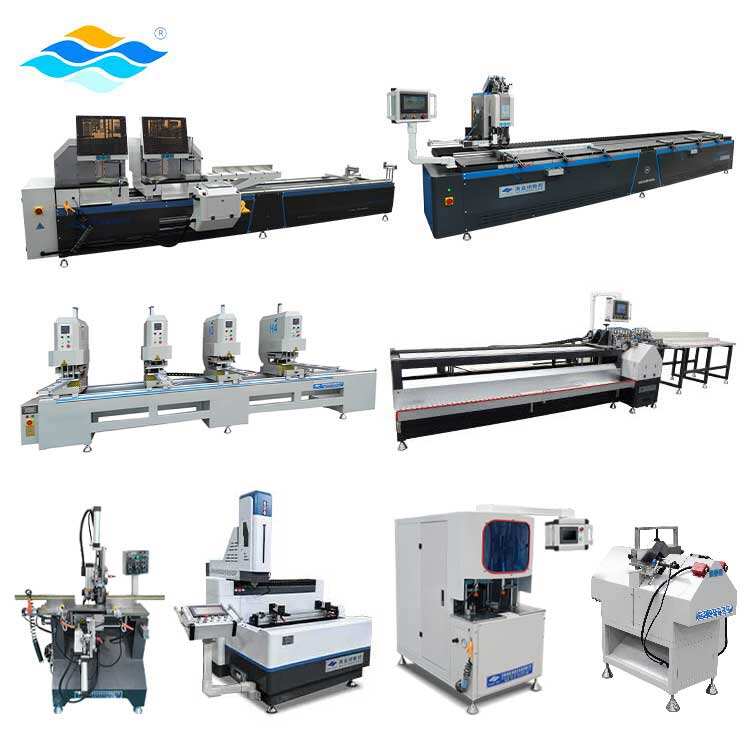
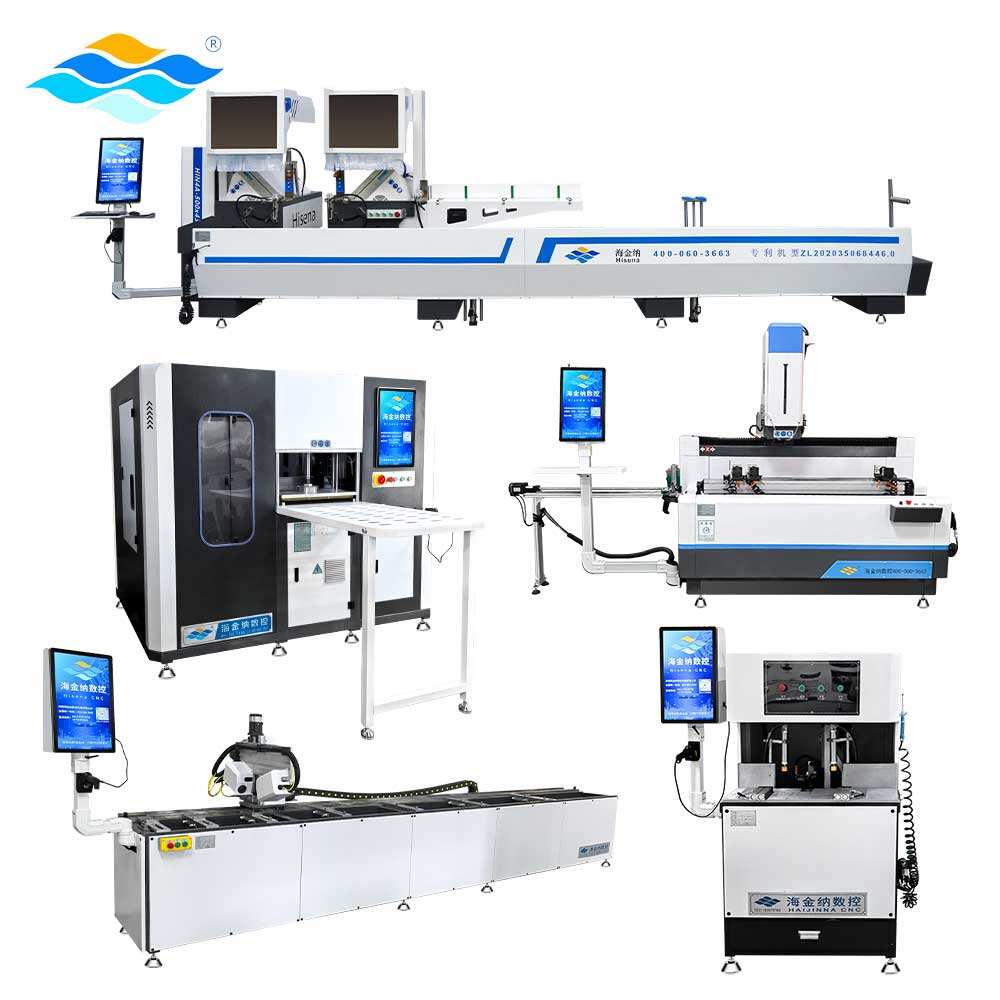
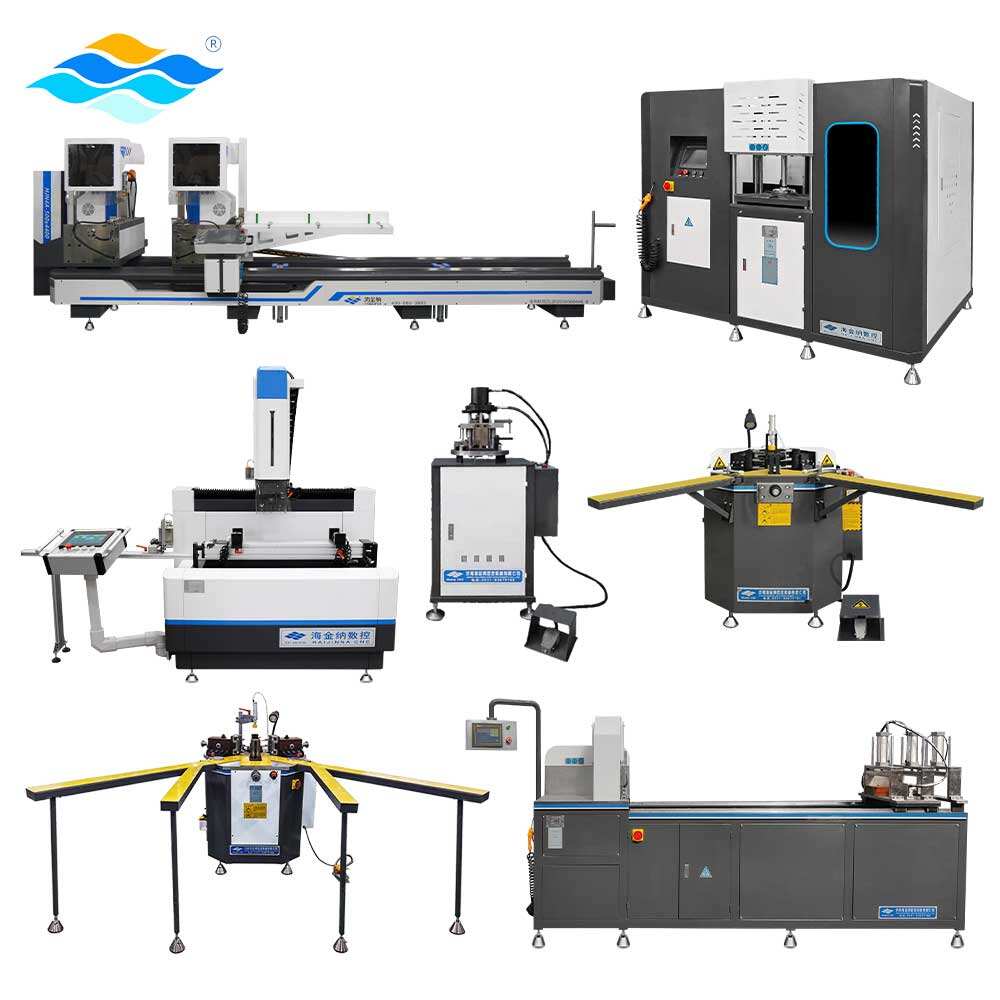
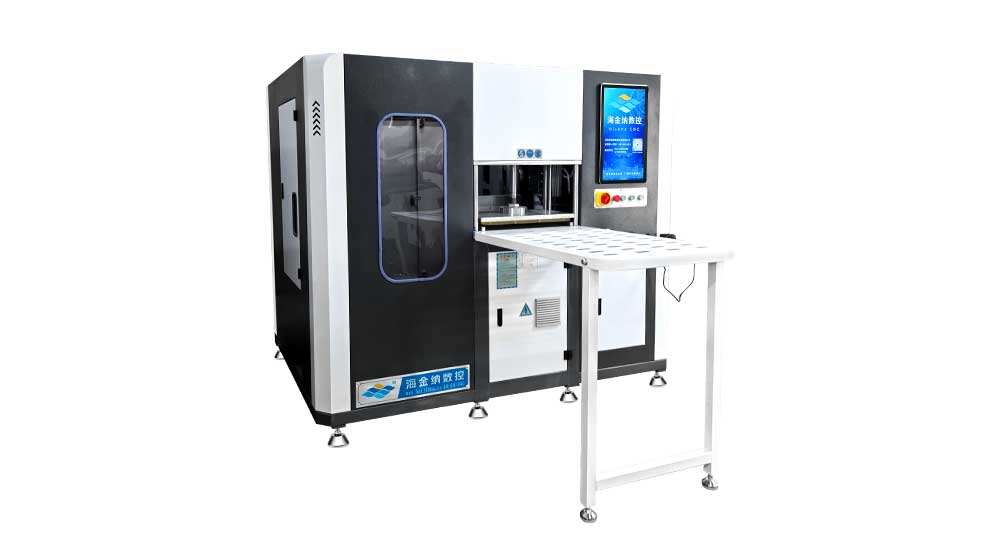
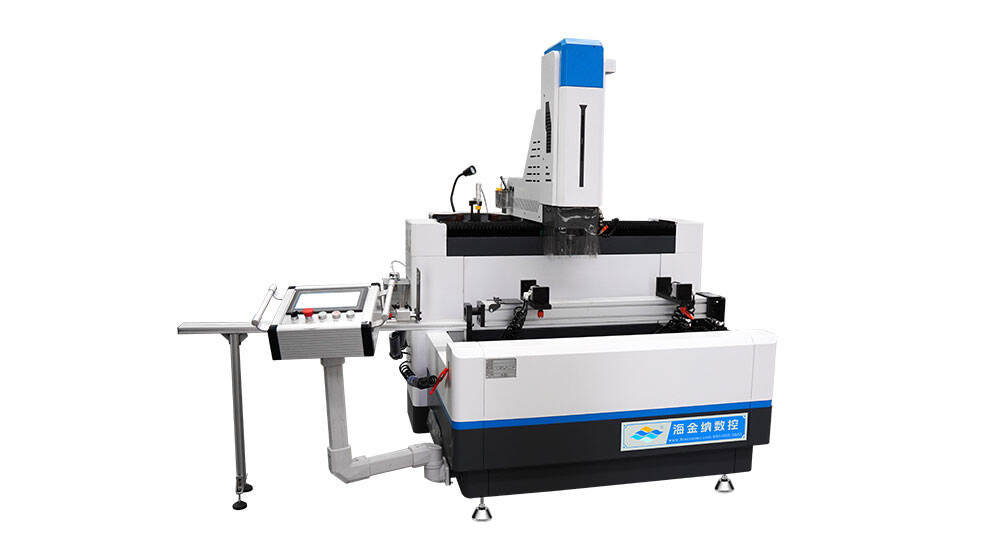
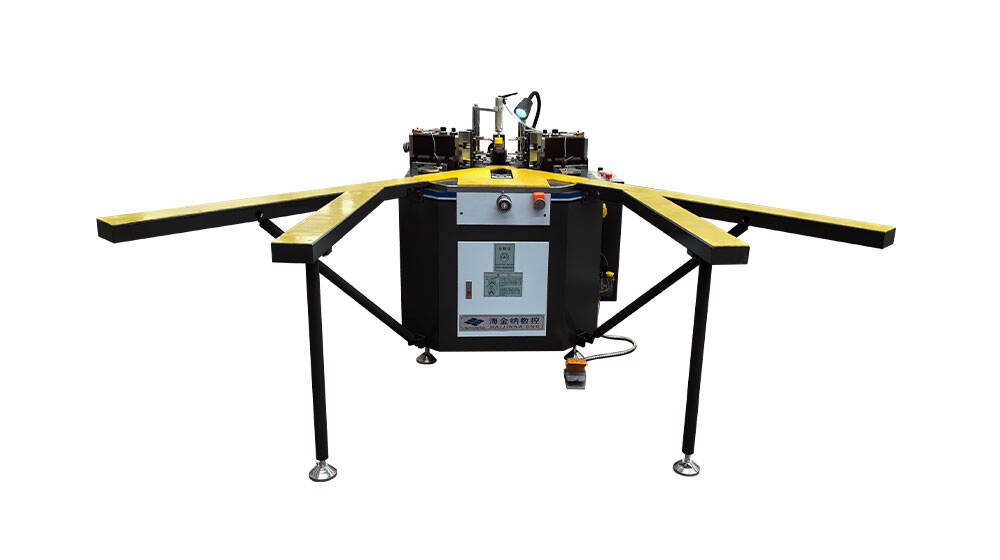
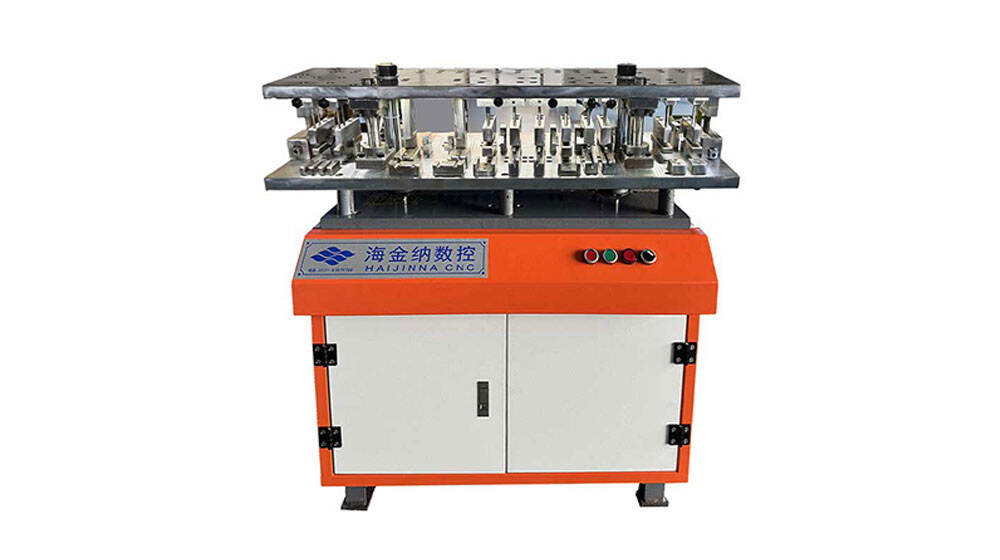
A window production line represents a comprehensive manufacturing system designed to automate and streamline the entire process of creating windows from raw materials to finished products. This sophisticated system integrates multiple stations and machinery that work in harmony to produce high-quality windows efficiently and consistently. Modern window production lines incorporate cutting-edge technology to handle various window types, including vinyl, aluminum, wooden, and composite frames, making them versatile solutions for manufacturers seeking to expand their product offerings. The main functions of a window production line encompass material feeding, precise cutting, corner cleaning, welding or joining, cooling, glazing bead installation, glass insertion, sealing, and quality inspection. Each station performs specific tasks with remarkable accuracy, ensuring that every window meets stringent quality standards. The technological features of contemporary window production lines include computer numerical control systems, automated material handling, real-time monitoring capabilities, and programmable logic controllers that coordinate all operations seamlessly. Advanced sensors detect any deviations from specifications, triggering immediate adjustments to maintain product consistency. These production lines can be configured for different production capacities, ranging from small-scale operations producing hundreds of windows daily to large facilities manufacturing thousands of units. Applications of window production lines span residential construction, commercial building projects, renovation markets, and specialized architectural applications requiring custom window solutions. Manufacturers serving contractors, builders, and direct consumers benefit from implementing these automated systems. The flexibility of modern window production lines allows manufacturers to switch between different window styles, sizes, and configurations with minimal downtime, responding quickly to market demands and customer specifications while maintaining competitive production costs and superior product quality throughout the manufacturing process.

New Product Recommendations

Investing in a window production line delivers substantial benefits that directly impact your business performance and profitability. First and foremost, automation dramatically increases production speed compared to manual manufacturing methods. Your facility can produce significantly more windows within the same timeframe, allowing you to fulfill larger orders, meet tight deadlines, and expand your customer base without proportionally increasing labor costs. This enhanced productivity translates directly into improved revenue potential and competitive positioning in your market. Quality consistency represents another critical advantage that window production lines provide. Automated processes eliminate human error and variability, ensuring every window matches exact specifications. Your customers receive products with uniform dimensions, perfect welds, tight seals, and flawless finishes, reducing complaints, returns, and warranty claims that damage reputation and erode profits. Labor cost reduction becomes immediately apparent when implementing a window production line. Instead of employing numerous workers for repetitive manual tasks, you need fewer operators to oversee automated equipment. This workforce optimization lowers payroll expenses, reduces training requirements, and minimizes workplace injuries associated with manual handling and repetitive motions. Material waste decreases substantially with precise automated cutting and processing. The window production line calculates optimal material usage, minimizing scrap and maximizing yield from raw materials. This efficiency reduces purchasing costs and disposal expenses while supporting environmental sustainability goals. Scalability offers strategic advantages for growing businesses. As demand increases, you can expand production capacity by extending operating hours or adding shifts rather than completely rebuilding manufacturing infrastructure. The modular nature of many window production lines allows incremental expansion aligned with business growth. Energy efficiency in modern production lines reduces operational costs through optimized power consumption and heat management systems. Faster cycle times mean equipment operates efficiently without unnecessary idle periods consuming electricity. Quality control becomes more reliable with integrated inspection systems that automatically detect defects, misalignments, or specification deviations. This built-in quality assurance prevents defective products from reaching customers, protecting brand reputation and customer satisfaction. Flexibility to produce various window styles, sizes, and configurations without extensive retooling enables you to offer diverse product catalogs, capture niche markets, and respond to custom orders that command premium pricing. These combined advantages create compelling returns on investment, typically recovering equipment costs within reasonable timeframes while establishing foundations for long-term business success and market leadership.

Practical Tips

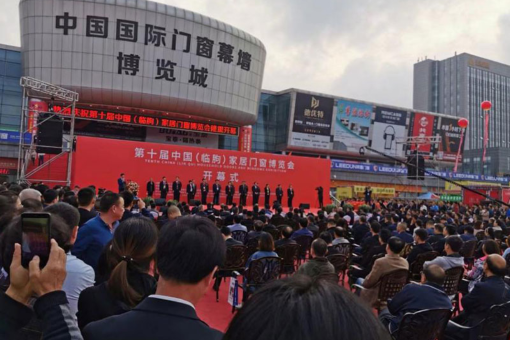
Hisena Honored to Exhibit at Linqu Window Expo in Shandong, Gathering Most Representative Domestic and International Exhibitors and Brands

30

Apr

Hisena Honored to Exhibit at Linqu Window Expo in Shandong, Gathering Most Representative Domestic and International Exhibitors and Brands

View More
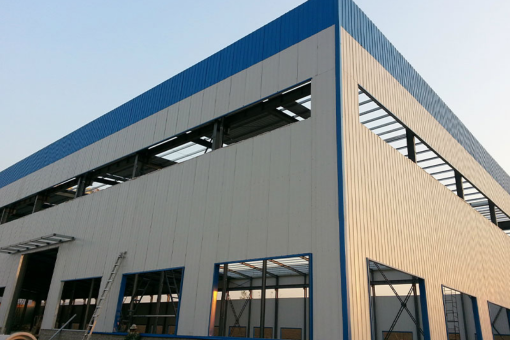
Hisena's New Factory Under Construction While Ensuring Timely Completion and Shipment of Customer Orders

30

Apr

Hisena's New Factory Under Construction While Ensuring Timely Completion and Shipment of Customer Orders

View More
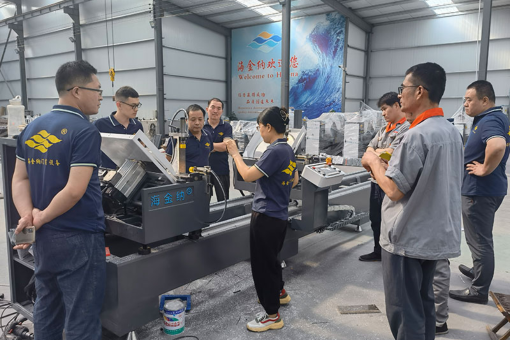
Hisena Production Staff Trains to Improve Installation Steps and Skills for Higher Quality Products

30

Apr

Hisena Production Staff Trains to Improve Installation Steps and Skills for Higher Quality Products

View More
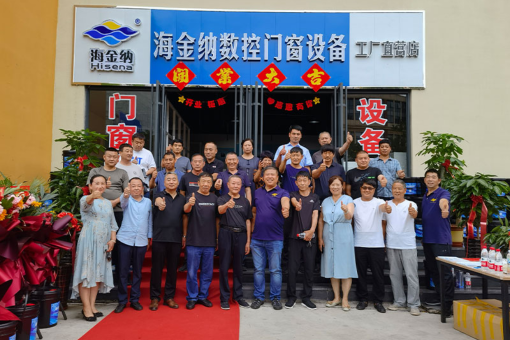
Hisena Opens Direct Store in Chengde City, Hebei Province to Better Serve Customers

30

Apr

Hisena Opens Direct Store in Chengde City, Hebei Province to Better Serve Customers

View More

Get a Free Quote

Our representative will contact you soon.
Name
Email
Telephone
Country
Company Name
Message
0/1000

window production line

Advanced Automation Technology Maximizes Efficiency

Advanced Automation Technology Maximizes Efficiency

The window production line incorporates sophisticated automation technology that fundamentally transforms manufacturing efficiency and operational capabilities. At the core of this technological advancement lies an integrated computer control system that orchestrates every production stage with precision timing and coordination. This intelligent system manages material flow, equipment sequencing, parameter adjustments, and quality monitoring without requiring constant manual intervention. Operators interact with intuitive touchscreen interfaces that display real-time production data, equipment status, and performance metrics, enabling informed decision-making and rapid response to any operational requirements. The automation extends throughout the entire production sequence, beginning with automated material feeding systems that deliver profiles, glass, and components exactly when needed at each station. Servo-driven cutting equipment achieves tolerances measured in fractions of millimeters, ensuring dimensional accuracy that manual methods cannot consistently replicate. Automated corner cleaning stations remove burrs and prepare surfaces for welding with thoroughness and speed that manual cleaning cannot match. Welding stations equipped with programmable parameters automatically adjust temperature, pressure, and timing based on profile type and window size, producing consistently strong joints with uniform appearance. Cooling systems precisely control temperature reduction to prevent warping or stress in welded corners. Glazing bead insertion mechanisms work at speeds impossible for manual installation while maintaining perfect alignment and secure placement. Glass handling robots equipped with vacuum lifting systems safely transport fragile glass panels, positioning them accurately within frames without risk of breakage or fingerprints. Automated sealant application systems dispense exact amounts of sealing compound in continuous beads, ensuring weather-tight performance without gaps or excess material waste. Quality inspection stations utilize vision systems and sensors that detect dimensional variations, surface defects, alignment issues, and assembly errors that human inspectors might overlook, especially during long production runs. The data collected throughout production feeds into analytics software that identifies trends, predicts maintenance needs, and suggests process optimizations. This technology-driven approach eliminates bottlenecks, reduces cycle times, and maintains consistent output quality regardless of production volume or operator experience levels, delivering measurable improvements in productivity, quality, and profitability that justify investment costs.
Versatile Configuration Accommodates Diverse Window Types

Versatile Configuration Accommodates Diverse Window Types

The remarkable versatility of modern window production lines enables manufacturers to produce an extensive range of window styles, materials, and configurations using a single integrated system. This adaptability represents tremendous value for businesses seeking to serve diverse markets without investing in multiple specialized production setups. The window production line accommodates various frame materials including vinyl profiles in different wall thicknesses, aluminum extrusions in numerous finishes, wooden components requiring different processing approaches, and composite materials combining multiple substances. Quick-change tooling systems allow operators to switch between different profile types within minutes rather than hours, minimizing production downtime during product changeovers. The system handles window styles ranging from simple single-hung and double-hung configurations to complex casement, awning, sliding, picture, bay, and bow windows. Architectural specialty windows with unusual shapes, custom dimensions, or unique design features can be produced alongside standard products. This flexibility enables manufacturers to accept custom orders that command premium pricing while maintaining efficient production of high-volume standard items. The window production line processes various glazing options including single-pane, double-pane, and triple-pane configurations, accommodating different glass thicknesses, low-emissivity coatings, tinted glass, tempered safety glass, laminated security glass, and decorative options. Spacer systems for insulated glass units can be aluminum, warm-edge materials, or specialty options depending on performance requirements. Hardware installation capabilities extend to different locking mechanisms, hinge types, handle styles, and operator systems, allowing complete window assembly within the production line. Color and finish options are accommodated through the system's ability to process pre-finished materials or integrate with finishing equipment for painting or coating operations. Size flexibility represents another crucial advantage, with adjustable stations accommodating compact residential windows through expansive commercial glazing units. Programmable parameters store settings for different product configurations, enabling operators to recall specifications instantly rather than manually recalibrating equipment for each production run. This versatility empowers manufacturers to pursue diverse market opportunities, respond to architectural trends, fulfill contractor specifications, and differentiate their offerings from competitors limited to narrow product ranges, ultimately expanding revenue potential and market share.
Integrated Quality Control Ensures Superior Product Standards

Integrated Quality Control Ensures Superior Product Standards

Quality assurance integrated throughout the window production line establishes superior product standards that protect brand reputation and customer satisfaction while reducing costly defects and warranty claims. Unlike traditional manufacturing approaches where quality inspection occurs only after production completion, modern window production lines incorporate quality control at every critical stage, catching potential issues immediately when correction costs remain minimal. The quality control system begins with incoming material verification, where sensors and measurement devices confirm that profiles, glass, and components meet specifications before entering production. Dimensional accuracy monitoring occurs continuously during cutting operations, with precision measurement systems verifying that each cut matches programmed specifications within acceptable tolerances. Any deviation triggers immediate alerts, allowing operators to address calibration issues before significant material waste occurs. Weld quality assessment utilizes multiple verification methods including visual inspection systems with high-resolution cameras that analyze weld bead appearance, consistency, and cleanliness. Structural testing equipment applies measured force to welded corners, confirming joint strength meets or exceeds design requirements. Thermal imaging detects heat distribution during welding, ensuring proper fusion throughout the joint area. Corner squareness verification employs laser measurement technology that confirms right angles within extremely tight tolerances, preventing assembly problems and operational issues in finished windows. Glazing quality control examines glass installation for proper positioning, secure retention, continuous sealant application, and absence of stress points that could lead to future failures. Automated inspection stations photograph each completed window from multiple angles, with image analysis software comparing results against reference standards to identify scratches, dents, discoloration, or contamination. Functional testing equipment operates moving components through complete cycles, verifying smooth operation, proper alignment, secure locking, and correct hardware function before windows leave production. Data logging systems record inspection results for every window produced, creating comprehensive quality documentation that supports certifications, warranty programs, and continuous improvement initiatives. Statistical process control algorithms analyze quality data trends, identifying gradual drift in equipment performance before it produces defective products. Predictive maintenance alerts notify operators when calibration, adjustment, or component replacement becomes necessary to maintain quality standards. This comprehensive quality control integration delivers multiple benefits including reduced defect rates, lower warranty costs, enhanced customer satisfaction, stronger brand reputation, and competitive advantages in markets where quality differentiates premium products from budget alternatives, ultimately supporting higher pricing and improved profitability.
Get a Free Quote

Our representative will contact you soon.
Name
Email
Telephone
Country
Company Name
Message
0/1000