Operational Efficiency Features That Accelerate Production Output
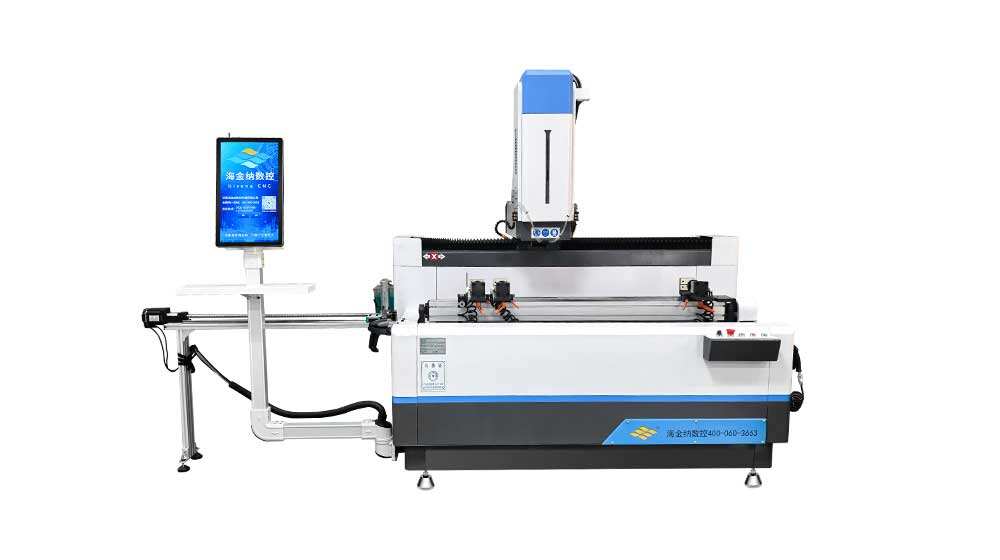
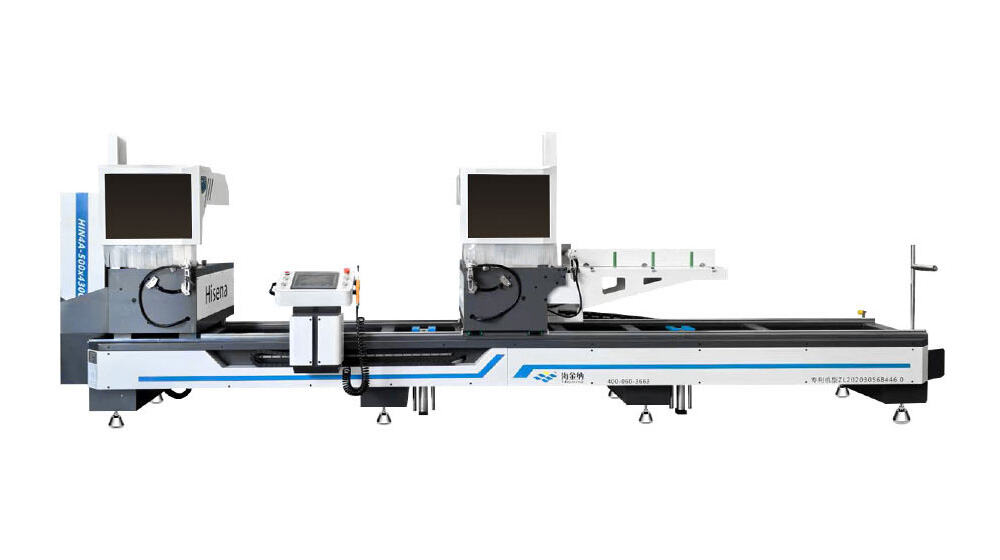
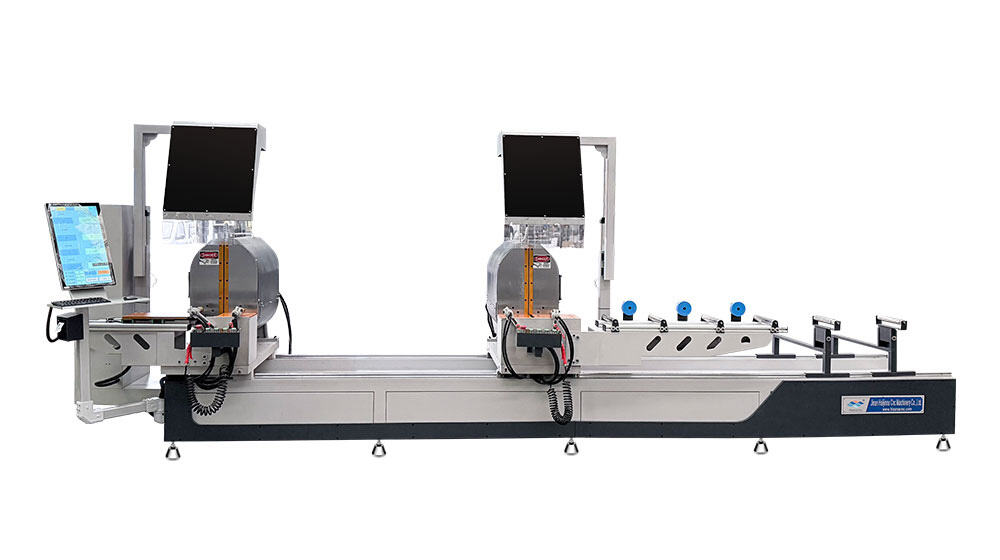
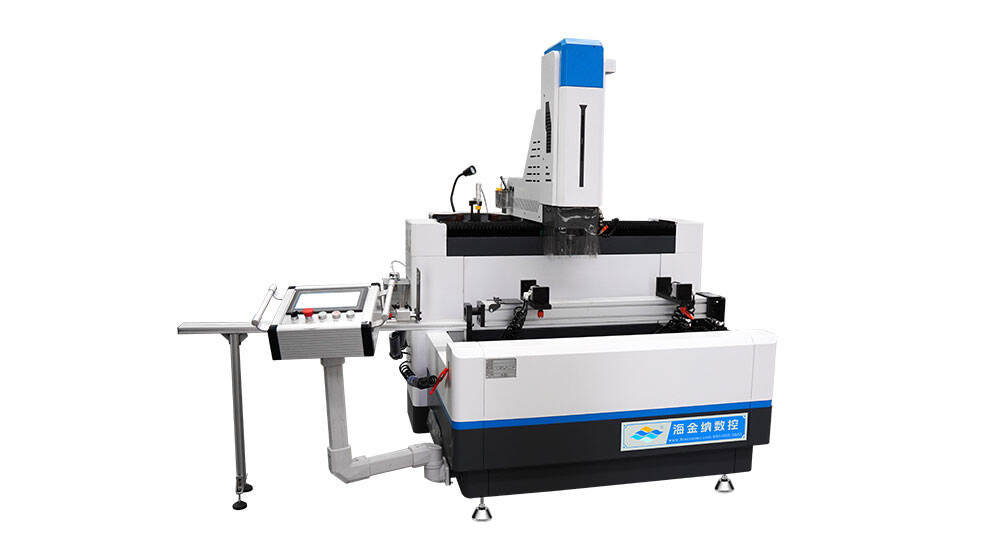
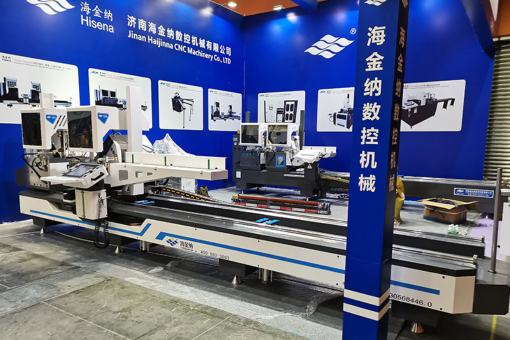
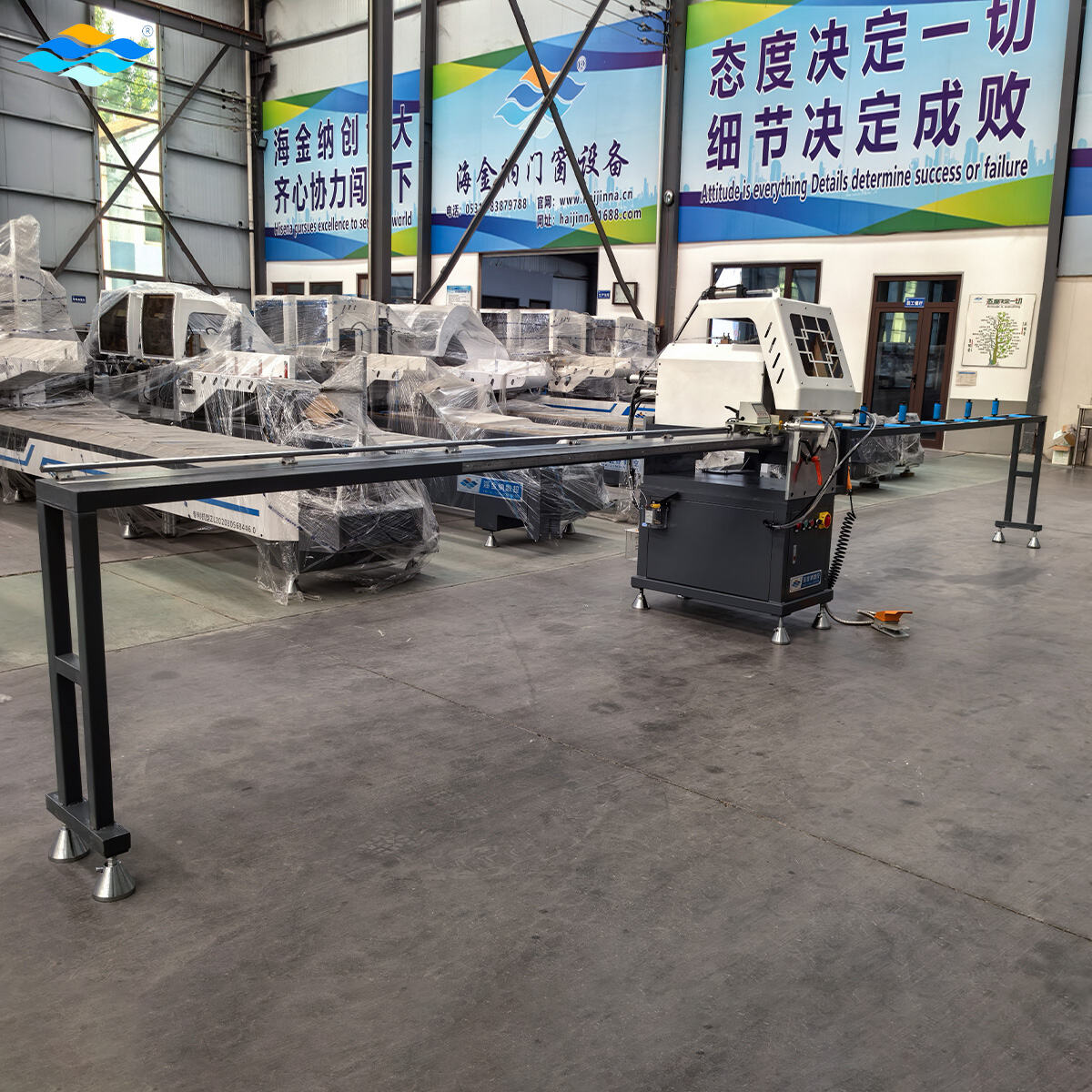
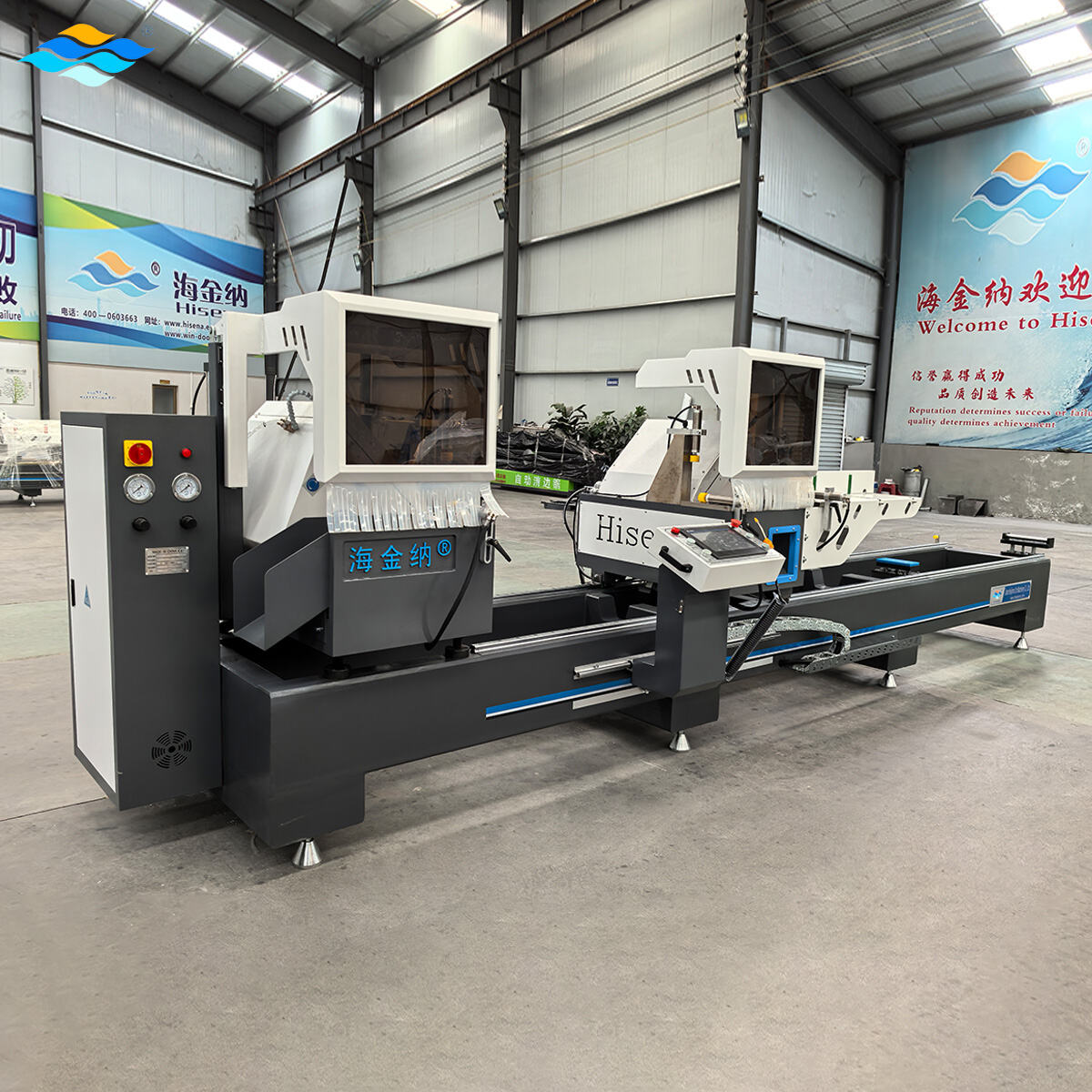
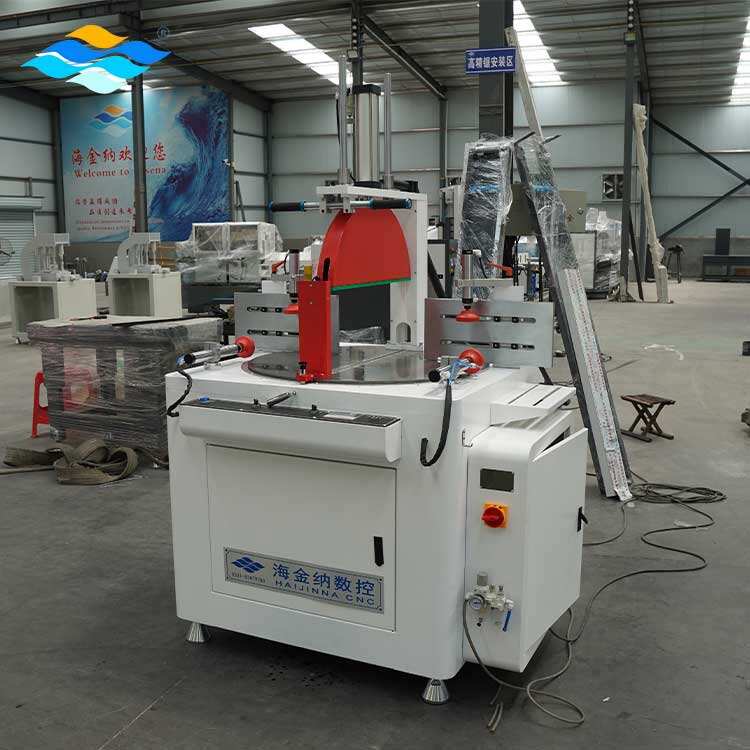
The operational efficiency engineered into machines from a quality automatic aluminum cutting machine supplier directly translates to increased production capacity without proportional increases in labor, space, or operating costs. Automatic feeding systems eliminate the repetitive manual task of positioning material for each cut, continuously advancing aluminum profiles or sheets to cutting positions while the machine completes previous operations, creating a seamless workflow that maximizes blade utilization and minimizes idle time. Material handling automation extends to output as well, with conveyors or collection bins automatically sorting finished pieces by size or sequence, reducing the labor required to organize cut materials and preventing the mix-ups that occur when multiple specifications are processed simultaneously. Quick-change tooling systems enable rapid transitions between different cutting requirements, with preset tool positions and automatic calibration routines that reduce changeover time from hours to minutes, allowing economical production of smaller batches that would be impractical with conventional equipment. The automatic aluminum cutting machine supplier designs control systems that optimize cutting parameters in real-time, automatically adjusting blade speed and feed rate based on material hardness, thickness, and cutting angle to maintain maximum safe cutting speed throughout operations. Batch processing capabilities allow operators to input entire production schedules into machine memory, with the system automatically executing cutting sequences for multiple products without interruption or supervision, enabling lights-out operation during off-shifts that dramatically increases daily output without additional labor costs. Dual-head configurations available from advanced suppliers enable simultaneous cutting at both ends of long profiles, effectively doubling production capacity within the same machine footprint and cycle time, particularly valuable for window frames, door components, and structural elements that require identical cuts at opposite ends. Integrated measuring and marking systems eliminate separate layout operations, with machines automatically marking cut locations or part identifiers directly on material surfaces before cutting, combining multiple process steps into single operations that accelerate production flow. Scrap optimization algorithms analyze cutting requirements and material lengths to minimize waste, automatically arranging cuts to maximize usable pieces from available stock and reducing material costs that represent significant expenses in aluminum fabrication. The automatic aluminum cutting machine supplier incorporates diagnostic systems that monitor machine health continuously, predicting maintenance needs before failures occur and scheduling service during planned downtime rather than experiencing unexpected breakdowns during critical production periods. Operator interface designs minimize the time required to program new jobs, with graphical inputs, template libraries, and import capabilities that accept designs directly from CAD systems, eliminating manual data entry and the errors it introduces. Energy management features reduce power consumption during idle periods while maintaining readiness for immediate operation, cutting utility costs without sacrificing productivity or requiring operator intervention to manage power states. These operational efficiency features compound over time, with seemingly small time savings on individual cuts accumulating into substantial capacity increases across thousands of pieces, enabling facilities to meet growing demand without proportional expansions in equipment, floor space, or workforce that would otherwise be necessary to achieve equivalent output increases.
 ×
×


 EN
EN