Automatic Aluminum Cutting Machine Factory - Precision Equipment for Efficient Aluminum Processing

Get a Free Quote

Our representative will contact you soon.
Name
Email
Telephone
Country
Company Name
Message
0/1000

automatic aluminum cutting machine factory

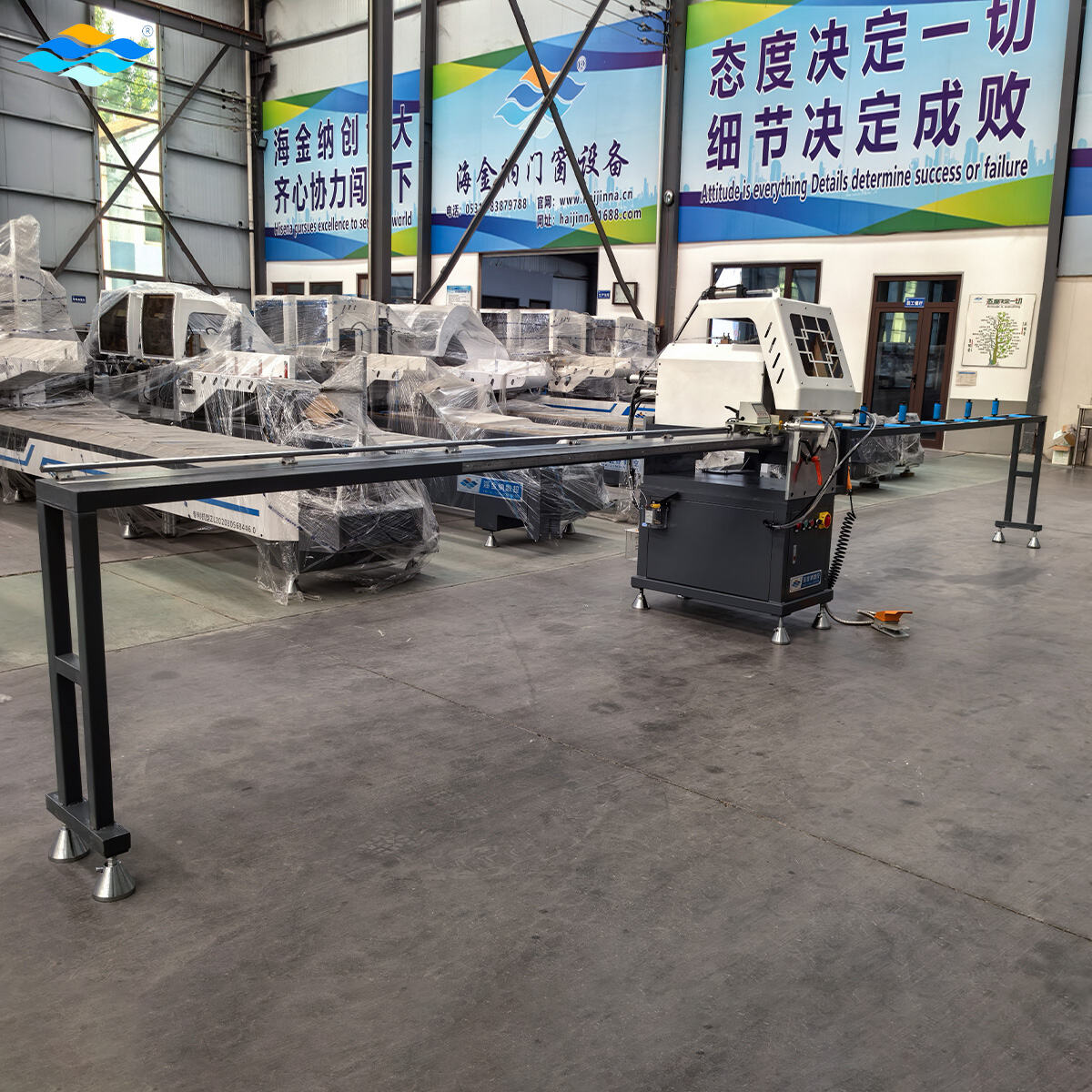
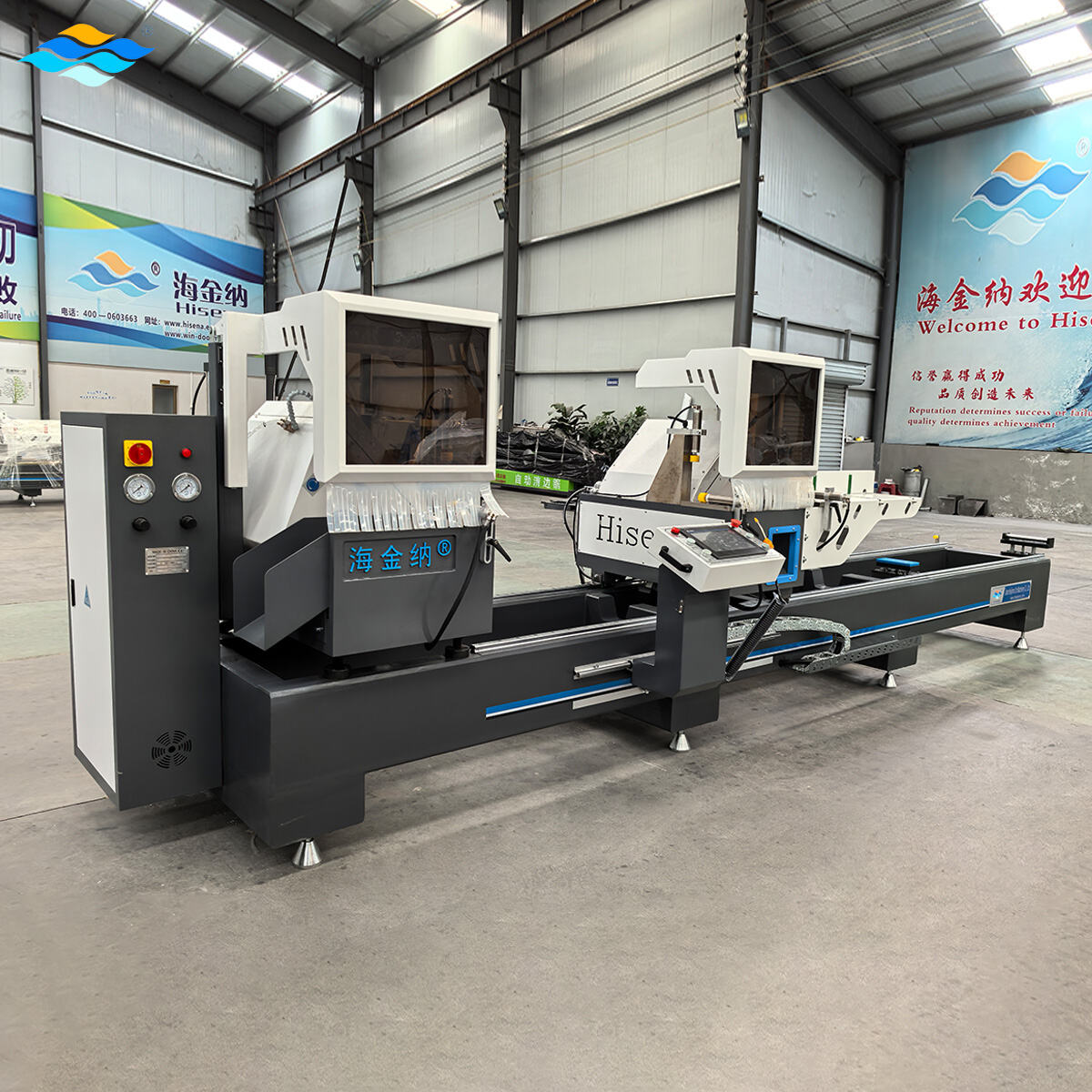
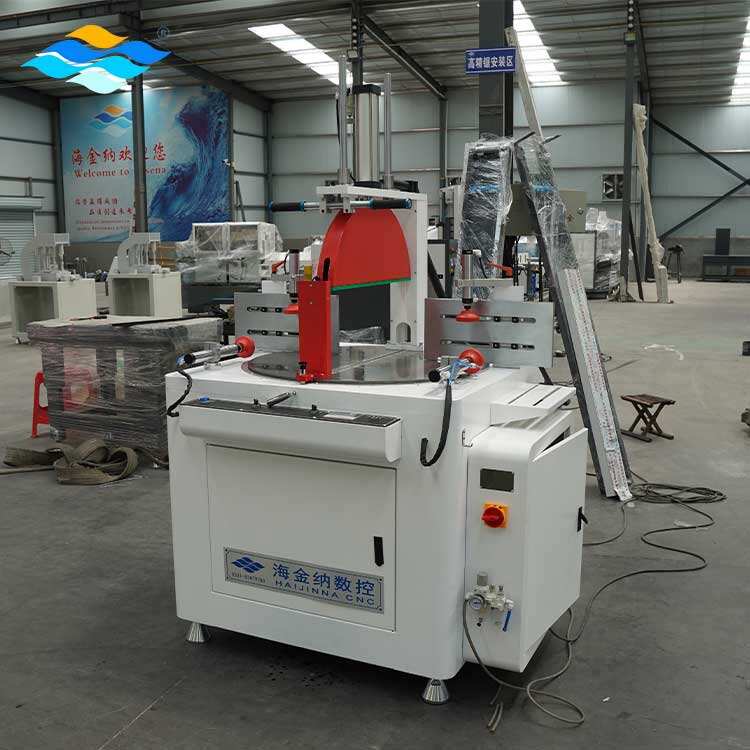
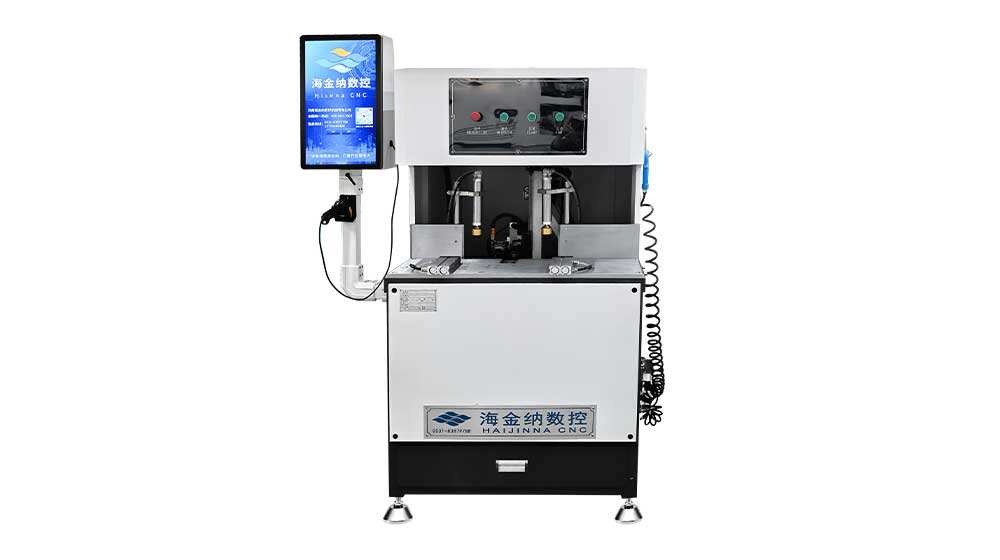
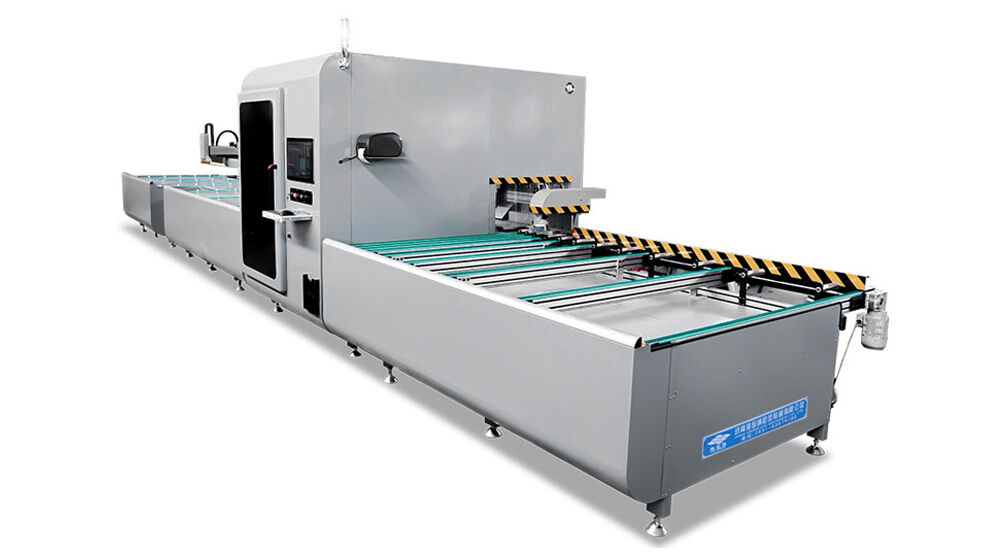
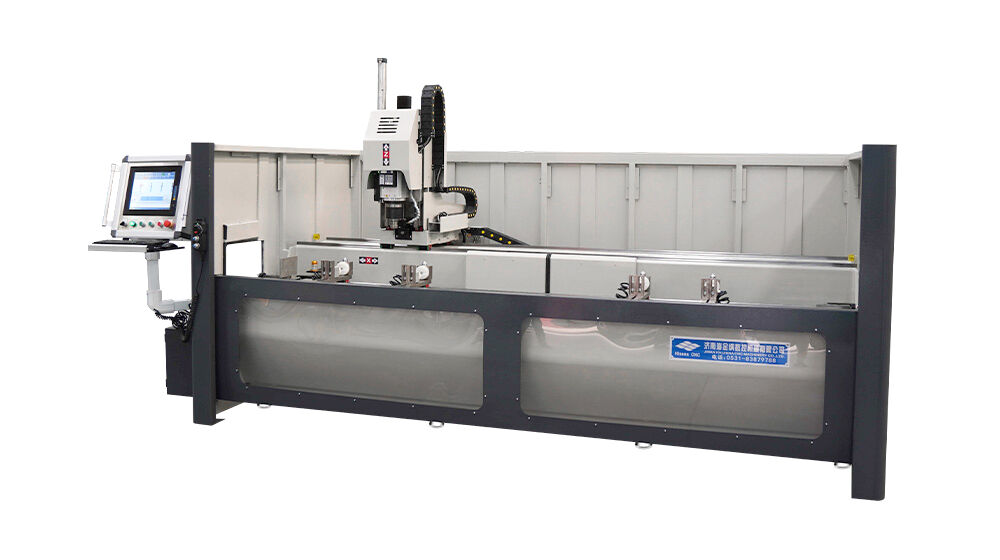
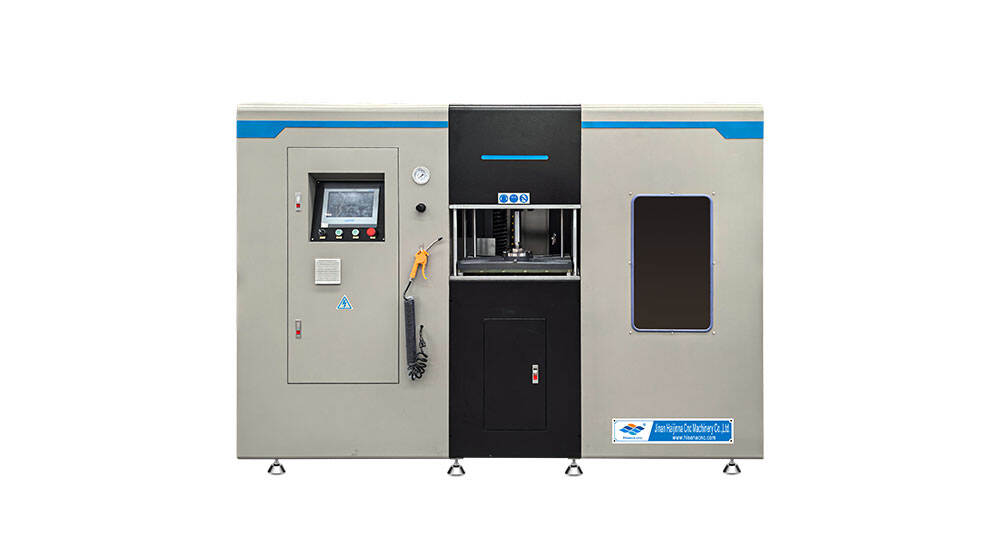
An automatic aluminum cutting machine factory represents a specialized manufacturing facility dedicated to producing advanced cutting equipment designed specifically for processing aluminum materials. These factories combine precision engineering with modern automation technology to create machines that transform how businesses handle aluminum cutting operations. The primary function of equipment produced in an automatic aluminum cutting machine factory centers on delivering accurate, efficient, and repeatable cuts across various aluminum profiles, sheets, tubes, and extrusions. The technological features integrated into these machines include programmable logic controllers that manage cutting sequences, servo-driven feed systems ensuring precise material positioning, and high-speed carbide or diamond-coated blades optimized for aluminum processing. Many models incorporate touch-screen interfaces that simplify operation while providing real-time monitoring of cutting parameters. Advanced sensors detect material presence and thickness, automatically adjusting cutting speed and blade pressure to maintain optimal performance. The application scope for machines from an automatic aluminum cutting machine factory spans multiple industries including construction, where aluminum frames and panels require precise dimensions, automotive manufacturing that demands consistent component sizing, aerospace production requiring exacting tolerances, and furniture making where aesthetic cuts matter significantly. Window and door manufacturers rely heavily on these machines to process aluminum profiles with millimeter-level accuracy. Electronics enclosure producers use them to cut aluminum housings efficiently. Solar panel frame manufacturers depend on these cutting solutions to maintain production speed while ensuring quality. The factory environment itself typically features quality control stations, assembly lines equipped with testing equipment, and research departments focused on developing next-generation cutting technologies. Production processes in an automatic aluminum cutting machine factory emphasize component precision, rigorous testing protocols, and customization capabilities to meet diverse client specifications across global markets.

New Product Releases

Choosing equipment from an automatic aluminum cutting machine factory brings transformative benefits that directly impact your bottom line and operational efficiency. First, these machines dramatically reduce labor costs by eliminating the need for multiple operators to handle cutting tasks manually. A single employee can oversee several automated cutting stations simultaneously, reallocating human resources to higher-value activities. Production speed increases substantially as automated systems execute cuts in seconds rather than minutes, completing jobs that previously took hours in a fraction of the time. This velocity translates to faster order fulfillment and the ability to accept more projects without expanding your workforce. Material waste drops significantly because precision cutting eliminates human measurement errors and inconsistent blade angles that typically result in rejected pieces. The automated systems calculate optimal cutting patterns, maximizing usable material from each aluminum stock piece and directly reducing your raw material expenses. Consistency stands as another major advantage, with every cut matching programmed specifications exactly, ensuring uniform product quality across large production runs. This reliability eliminates the variation inherent in manual cutting methods where operator fatigue or distraction affects outcomes. Safety improves considerably as workers no longer need to position hands near moving blades or lift heavy aluminum sections repeatedly, reducing workplace injury rates and associated insurance costs. The machines handle material feeding, cutting, and ejection automatically, creating a safer work environment. Maintenance requirements remain minimal compared to older cutting equipment, with self-diagnostic systems alerting operators to service needs before breakdowns occur, preventing costly production interruptions. Energy efficiency represents another practical benefit, as modern designs from an automatic aluminum cutting machine factory optimize power consumption, using electricity only during active cutting cycles rather than running continuously. The programming flexibility allows quick changeovers between different aluminum profiles without extensive retooling, enabling your facility to handle diverse projects without maintaining separate cutting stations for each product type. Return on investment typically occurs within eighteen to thirty months as labor savings, reduced waste, and increased throughput compound. The competitive edge gained through faster turnaround times and consistent quality helps secure long-term contracts with demanding clients. Scalability becomes simpler since adding production capacity means installing additional automated units rather than recruiting and training skilled manual operators. These machines also future-proof your operations, with software updates extending functionality and compatibility with emerging aluminum alloys and profiles. The reduced noise levels compared to traditional cutting methods create a more pleasant work environment, improving employee satisfaction and retention.

Tips And Tricks

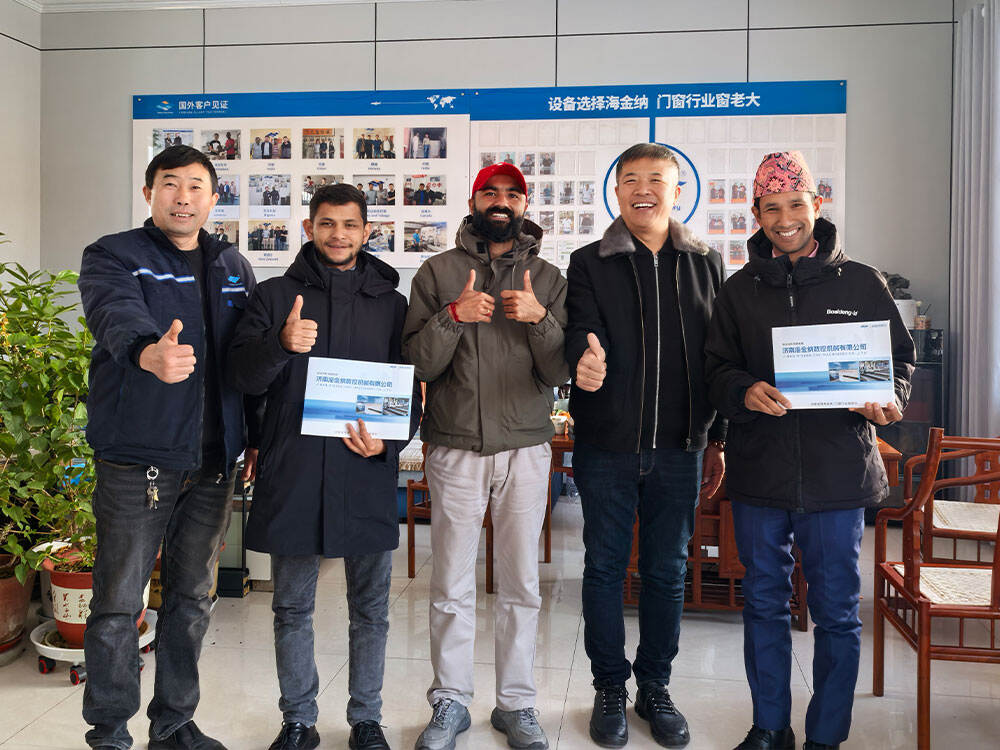
Nepalese Client Returns: Hisena Is the First Choice for Equipment!

30

Apr

Nepalese Client Returns: Hisena Is the First Choice for Equipment!

View More
Turkish Clients Visit Hisena: Business Talks & Equipment Orders in Winter!

14

May

Turkish Clients Visit Hisena: Business Talks & Equipment Orders in Winter!

View More
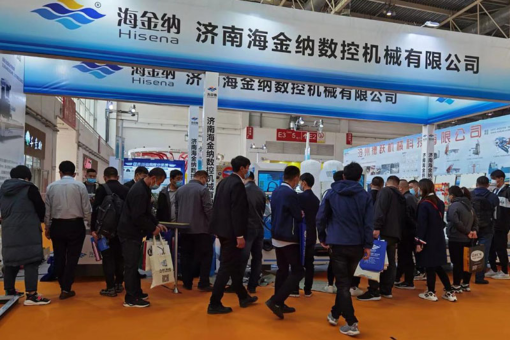
Hisena Exhibits in Beijing, Equipment Highly Popular Among Customers

30

Apr

Hisena Exhibits in Beijing, Equipment Highly Popular Among Customers

View More
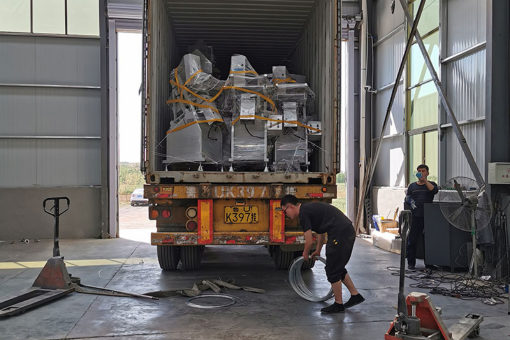
Hisena Family Worked Hard Loading Machines for Customers Under High Temperatures

30

Apr

Hisena Family Worked Hard Loading Machines for Customers Under High Temperatures

View More

Get a Free Quote

Our representative will contact you soon.
Name
Email
Telephone
Country
Company Name
Message
0/1000

automatic aluminum cutting machine factory

Precision Engineering That Eliminates Costly Errors

Precision Engineering That Eliminates Costly Errors

The cornerstone advantage of machines produced in an automatic aluminum cutting machine factory lies in their exceptional precision engineering that fundamentally eliminates the costly errors plaguing traditional cutting methods. These sophisticated systems incorporate linear guide rails machined to tolerances measuring mere microns, ensuring the cutting head travels along an absolutely straight path without deviation. This mechanical precision combines with advanced optical encoders that track blade position thousands of times per second, providing real-time feedback to servo motors that make instantaneous corrections to maintain programmed cutting angles. The result is cuts accurate to within plus or minus 0.1 millimeters, a level of consistency impossible to achieve through manual operations. This precision matters enormously in practical terms because aluminum components often serve as structural elements or visible aesthetic features where dimensional accuracy directly affects assembly success and visual appeal. Consider window frame manufacturing where even half-millimeter variations in corner cuts create gaps that compromise weather sealing and visual quality. Equipment from an automatic aluminum cutting machine factory prevents these issues by executing identical cuts across thousands of pieces. The economic impact of this precision extends beyond just producing acceptable parts. It eliminates the rework cycle where operators must recut rejected pieces, wasting both material and labor time. It prevents assembly line stoppages that occur when components do not fit together properly, avoiding the cascading delays that disrupt production schedules and delivery commitments. The precision also enables tighter inventory management since manufacturers can confidently order aluminum stock matching exact project requirements without padding orders to account for cutting waste and errors. Furthermore, this accuracy supports lean manufacturing principles by reducing work-in-progress inventory, as parts cut correctly the first time flow immediately to the next production stage rather than accumulating in quality control queues. The automated measurement systems integrated into machines from an automatic aluminum cutting machine factory provide another precision advantage by scanning aluminum profiles before cutting and automatically compensating for minor variations in stock material dimensions. This adaptive capability ensures consistent final piece dimensions even when working with aluminum extrusions that vary slightly from nominal specifications. Documentation systems built into these machines record cutting parameters for each piece, creating quality assurance records that satisfy demanding client requirements and support continuous improvement initiatives by identifying performance trends over time.
Intelligent Automation That Maximizes Productivity

Intelligent Automation That Maximizes Productivity

Machines manufactured in an automatic aluminum cutting machine factory incorporate intelligent automation systems that fundamentally transform productivity levels beyond what traditional equipment can achieve. These systems utilize programmable logic controllers running sophisticated algorithms that optimize every aspect of the cutting process, from material feeding through final piece ejection. The automation begins with material handling, where powered rollers and pneumatic clamps automatically position aluminum stock at the precise cutting location, eliminating the manual effort and time previously required for setup. Sensors verify correct positioning before initiating cuts, preventing the errors that occur when operators misjudge material placement. The cutting sequence itself follows optimized patterns calculated by software that analyzes the required pieces and determines the most efficient cutting order to minimize blade repositioning time. This intelligent sequencing can reduce cycle time by twenty to thirty percent compared to intuitive cutting orders a human operator might choose. Between cuts, rapid-advance systems move the blade to the next position at high speed, then decelerate smoothly for precision cutting, balancing speed with accuracy. The automatic aluminum cutting machine factory designs typically include multi-head configurations that perform several cuts simultaneously, multiplying output without requiring additional floor space or operators. For example, a dual-head system can cut both ends of an aluminum profile in one cycle, halving processing time per piece. The automation extends to blade management, with systems that monitor cutting force and vibration to detect blade dulling, automatically adjusting feed rates to compensate and alerting operators when blade replacement becomes necessary. This proactive maintenance prevents quality degradation and unexpected production interruptions. Integration capabilities represent another dimension of intelligent automation, with machines from an automatic aluminum cutting machine factory connecting to enterprise resource planning systems to receive cutting schedules automatically, eliminating manual data entry and the errors it introduces. They can also communicate with upstream and downstream equipment, creating synchronized production lines where material flows seamlessly from cutting through subsequent processing stages. The reporting functions built into these automated systems provide management with real-time visibility into production metrics, including pieces cut per hour, material utilization rates, and downtime causes, supporting data-driven decisions about capacity planning and process improvements. The learning capabilities programmed into advanced models allow them to refine cutting parameters over time based on outcomes, continuously improving performance. User interfaces designed for intuitive operation mean employees can program complex cutting sequences without specialized training, reducing the skills barrier that traditionally limited who could operate precision cutting equipment.
Robust Construction Ensuring Long-Term Reliability

Robust Construction Ensuring Long-Term Reliability

The structural foundation of equipment produced in an automatic aluminum cutting machine factory reflects engineering priorities focused on long-term reliability and consistent performance across years of demanding production environments. Manufacturers construct these machines using heavy-gauge steel frames that resist the vibrations and forces generated during high-speed cutting operations. The frame geometry incorporates stress distribution principles that prevent flexing or twisting under load, maintaining the alignment critical for precision cutting. Welded and machined frame components undergo stress-relief treatments that eliminate internal tensions, preventing dimensional changes over time that would compromise accuracy. This robust base supports guide rail systems machined from hardened steel and protected by accordion-style covers that shield them from aluminum chips and dust, preventing the contamination that causes premature wear in unprotected systems. The cutting head assemblies feature industrial-grade bearings rated for millions of cycles, selected specifically for their resistance to the side loads generated during cutting operations. These bearings receive continuous lubrication from automated systems that eliminate the maintenance burden and missed lubrication intervals that cause bearing failures in manually serviced equipment. Drive systems in machines from an automatic aluminum cutting machine factory utilize oversized motors rated well above typical operating loads, ensuring they run cool and efficiently rather than straining at maximum capacity. This conservative rating extends motor life significantly while providing power reserves for cutting harder aluminum alloys or thicker materials when projects demand it. Electrical components meet industrial standards for dust and moisture resistance, preventing the failures common in workshop environments where aluminum dust and coolant mist challenge standard electronics. Cable management systems route wiring through protected channels, preventing the wear and damage that occurs when cables drag across moving parts or catch on material. Cooling systems incorporated into cutting head designs dissipate heat generated during continuous operation, preventing thermal expansion that would affect cutting accuracy. The blade mounting systems engineered into these machines provide rigid clamping that eliminates blade wobble while allowing quick changes when blade replacement becomes necessary. Quality control procedures in the automatic aluminum cutting machine factory ensure every component meets specifications before assembly, with finished machines undergoing comprehensive testing that simulates weeks of operation to identify any potential issues before shipment. This thorough validation means equipment arrives ready for reliable production rather than requiring an extended break-in period. The parts availability programs maintained by reputable factories ensure components remain available for years after purchase, protecting your investment by preventing obsolescence. Modular designs allow upgrading specific subsystems as technology advances, extending useful machine life and protecting capital investments by avoiding premature replacement.

Get a Free Quote

Our representative will contact you soon.
Name
Email
Telephone
Country
Company Name
Message
0/1000