Aluminum CNC Cutting Services - Precision Machining Solutions for Custom Parts

Get a Free Quote

Our representative will contact you soon.
Name
Email
Telephone
Country
Company Name
Message
0/1000

aluminum cnc cutting

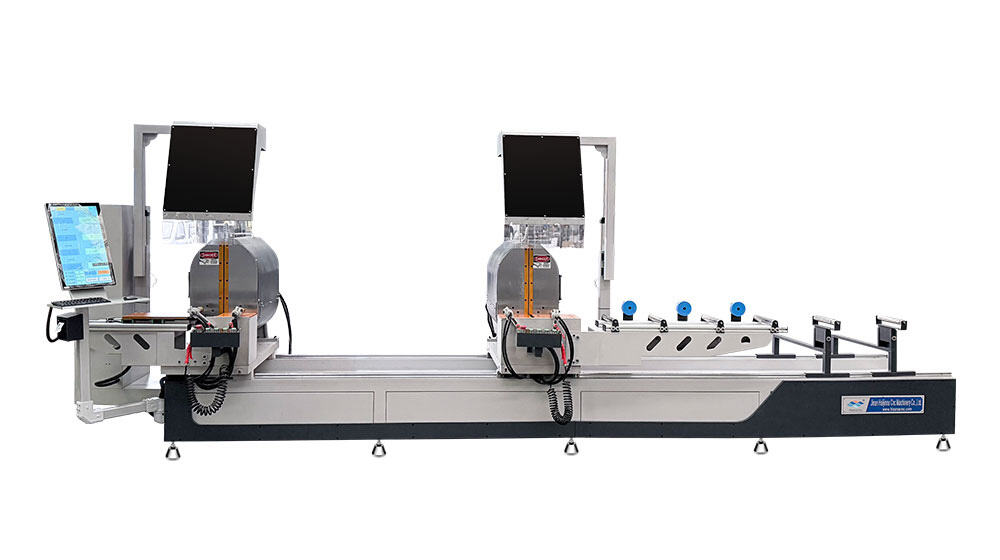
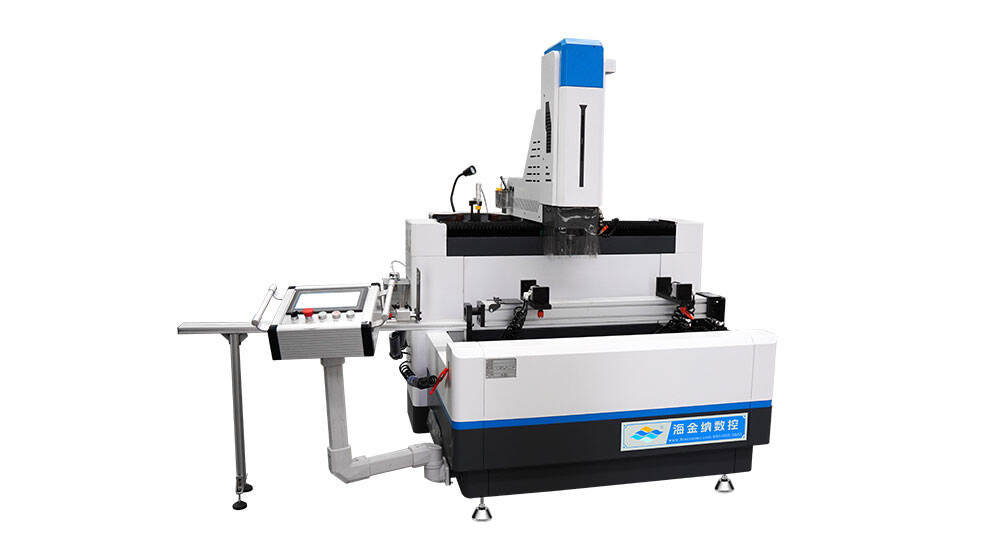
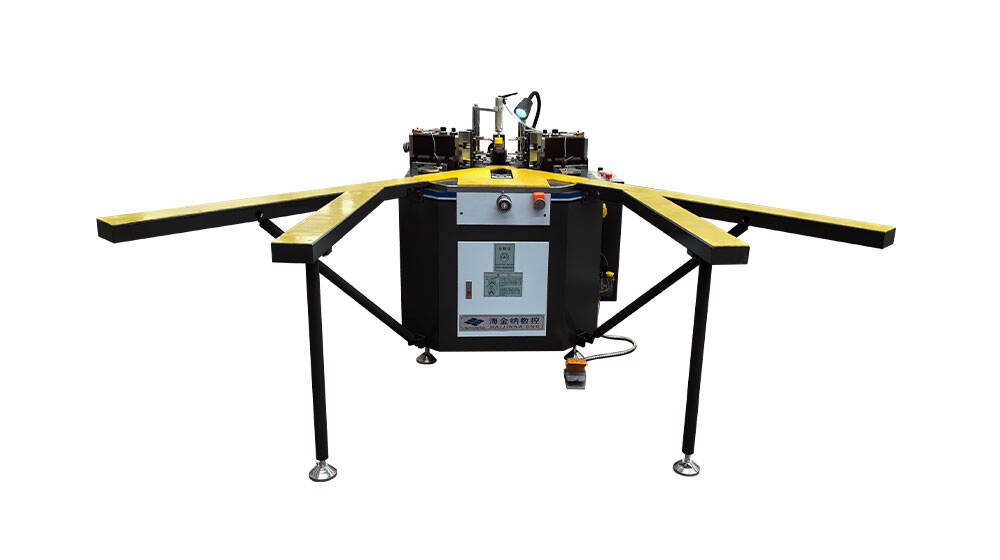
Aluminum CNC cutting represents a transformative manufacturing process that combines computer numerical control technology with precision machining capabilities to shape aluminum materials into exact specifications. This sophisticated method involves the use of computer-programmed machines that control cutting tools with remarkable accuracy, enabling manufacturers to produce complex aluminum components with consistent quality and dimensional precision. The aluminum CNC cutting process begins with digital design files, typically created using CAD software, which are then converted into machine-readable instructions that guide the cutting equipment through every movement and operation. The technology encompasses various cutting methods including milling, turning, drilling, and routing, each suited to different project requirements and geometries. One of the primary functions of aluminum CNC cutting is to transform raw aluminum stock into finished parts with intricate details, tight tolerances, and smooth surface finishes that would be nearly impossible to achieve through manual machining methods. The technological features of this process include multi-axis capabilities that allow cutting tools to approach the workpiece from multiple angles simultaneously, adaptive control systems that adjust cutting parameters in real-time based on material feedback, and automated tool changers that enable continuous operation without manual intervention. Modern aluminum CNC cutting systems incorporate advanced cooling systems to manage heat generation during the machining process, ensuring that aluminum properties remain stable and preventing thermal distortion. The applications of aluminum CNC cutting span numerous industries, from aerospace engineering where lightweight yet strong components are essential, to automotive manufacturing where precision-machined aluminum parts contribute to vehicle performance and fuel efficiency. Electronics manufacturers rely on aluminum CNC cutting to create heat sinks and enclosures, while medical device producers utilize this technology to fabricate surgical instruments and diagnostic equipment components. The construction industry benefits from custom aluminum architectural elements, and consumer goods manufacturers employ aluminum CNC cutting to produce everything from smartphone frames to kitchen appliances.

New Products

Aluminum CNC cutting delivers exceptional precision that transforms manufacturing possibilities for businesses of all sizes. When you choose this technology, you gain access to accuracy levels measured in thousandths of an inch, ensuring that every component meets exact specifications without deviation. This precision eliminates the guesswork and human error associated with traditional cutting methods, giving you confidence that each part will fit perfectly into your assembly process. The repeatability factor stands as another compelling advantage, as the computer-controlled nature of aluminum CNC cutting means that whether you produce ten pieces or ten thousand, each item maintains identical dimensions and quality characteristics. Your production costs decrease significantly because the automated process requires minimal supervision once programming is complete, freeing your skilled workers to focus on higher-value tasks while the machine operates continuously. Material waste drops dramatically compared to conventional cutting techniques because the CNC system calculates the most efficient cutting paths, maximizing how many parts can be extracted from each aluminum sheet or block. You will notice faster turnaround times for your projects since aluminum CNC cutting machines operate at high speeds while maintaining accuracy, and the ability to run unmanned during off-hours means production continues even when your facility is closed. The flexibility of aluminum CNC cutting allows you to switch between different designs quickly by simply loading new programs, eliminating the need for costly retooling or setup changes that consume valuable production time. Complex geometries that would challenge or defeat manual machining become achievable with aluminum CNC cutting, opening new design possibilities for your products and enabling you to differentiate your offerings in competitive markets. Surface finish quality improves substantially because the consistent tool paths and controlled cutting speeds prevent the variations that create rough or uneven surfaces, reducing or eliminating secondary finishing operations that add cost and time. Your prototyping process accelerates dramatically since you can move from concept to physical part in hours rather than days, testing and refining designs rapidly before committing to full production runs. The safety benefits cannot be overlooked, as operators work at safe distances from cutting operations, protected by machine enclosures, while the automated system handles the actual material removal. Quality control becomes more straightforward because the digital nature of aluminum CNC cutting creates detailed records of every operation, allowing you to trace any quality issues back to specific parameters and make corrections immediately. Small batch production becomes economically viable since setup costs remain low and programming changes happen quickly, letting you serve niche markets or offer customization options that would be prohibitively expensive with traditional methods.

Tips And Tricks

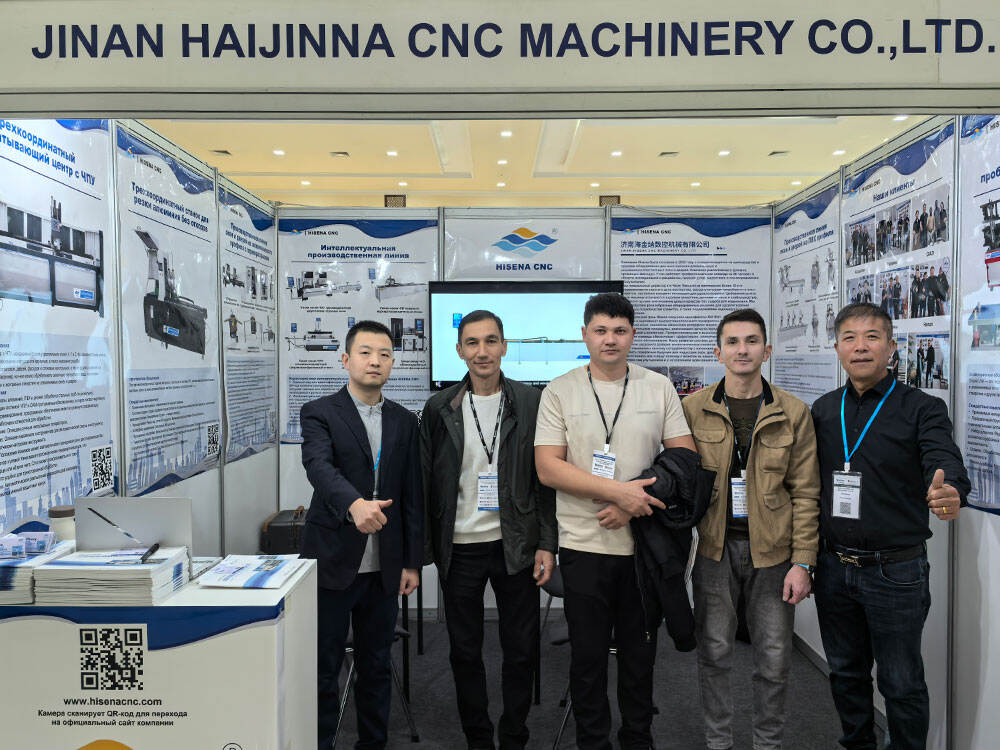
Hisena participated in the International Glass, Door, Window, and Aluminum Exhibition in Uzbekistan

30

Apr

Hisena participated in the International Glass, Door, Window, and Aluminum Exhibition in Uzbekistan

View More
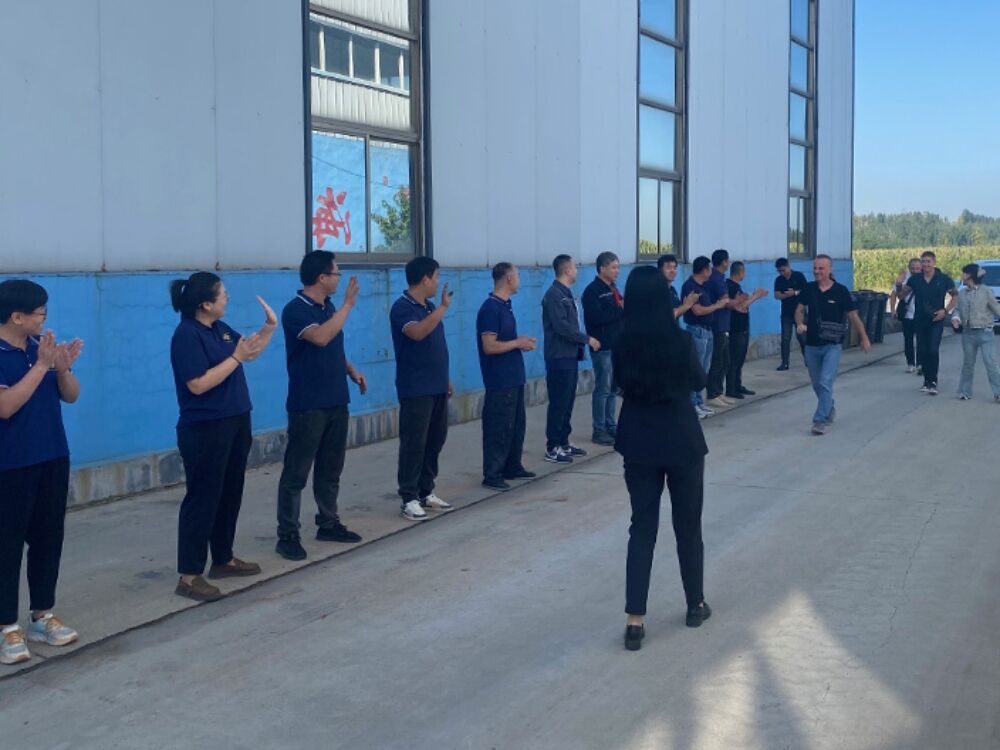
Foreign Clients Drop by HISENA Factory for Hands-On Equipment Training & Tech Chat

30

Apr

Foreign Clients Drop by HISENA Factory for Hands-On Equipment Training & Tech Chat

View More
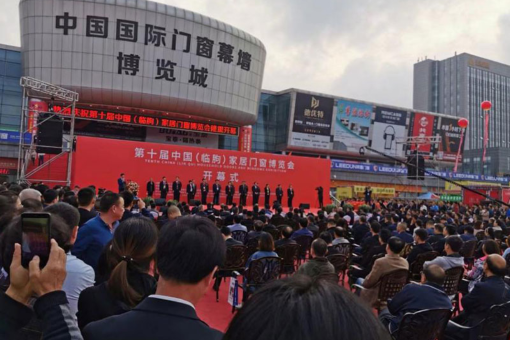
Hisena Honored to Exhibit at Linqu Window Expo in Shandong, Gathering Most Representative Domestic and International Exhibitors and Brands

30

Apr

Hisena Honored to Exhibit at Linqu Window Expo in Shandong, Gathering Most Representative Domestic and International Exhibitors and Brands

View More
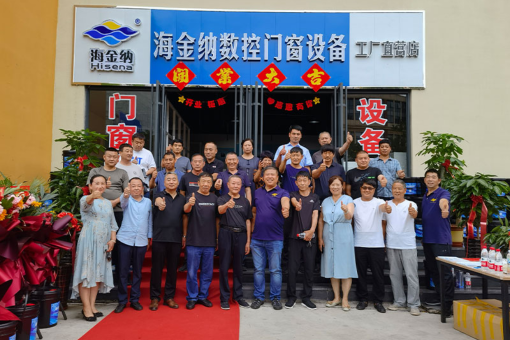
Hisena Opens Direct Store in Chengde City, Hebei Province to Better Serve Customers

30

Apr

Hisena Opens Direct Store in Chengde City, Hebei Province to Better Serve Customers

View More

Get a Free Quote

Our representative will contact you soon.
Name
Email
Telephone
Country
Company Name
Message
0/1000

aluminum cnc cutting

Exceptional Material Compatibility and Versatility with Aluminum Alloys

Exceptional Material Compatibility and Versatility with Aluminum Alloys

Aluminum CNC cutting demonstrates remarkable versatility when working with the extensive range of aluminum alloys available in modern manufacturing environments, making it an indispensable solution for diverse production requirements. The technology excels at machining both soft and hard aluminum grades, from pure aluminum with its excellent formability to high-strength aerospace alloys that contain copper, magnesium, or zinc additions for enhanced mechanical properties. This adaptability means you can select the optimal aluminum alloy for your specific application requirements without worrying about whether your cutting process can handle the material effectively. When working with 6061 aluminum, one of the most popular alloys for general-purpose applications, aluminum CNC cutting produces clean edges and precise features while the material's good machinability characteristics allow for efficient production speeds that keep your costs manageable. For projects requiring superior strength-to-weight ratios, such as aerospace components or performance automotive parts, aluminum CNC cutting handles 7075 alloy with equal proficiency despite its increased hardness, adjusting cutting parameters automatically to maintain quality while managing tool wear effectively. The process accommodates cast aluminum parts that need secondary machining operations to achieve final dimensions, as well as wrought aluminum products that begin as rolled sheets or extruded profiles. Different aluminum tempers, from annealed states that maximize ductility to fully hardened conditions that optimize strength, all respond well to aluminum CNC cutting techniques when proper tooling and parameters are employed. This material flexibility extends to aluminum plate thicknesses ranging from thin sheets measured in fractions of an inch to thick blocks several inches deep, with the CNC system maintaining accuracy regardless of how much material must be removed. The technology handles both simple two-dimensional profiles and complex three-dimensional forms with equal capability, allowing you to consolidate multiple parts into single machined components that reduce assembly requirements and potential failure points. Aluminum's favorable properties, including its light weight, corrosion resistance, and excellent thermal conductivity, combine with the precision of CNC cutting to create components that perform reliably across temperature extremes and challenging environments. The non-magnetic nature of aluminum makes CNC-cut components ideal for electronic applications where magnetic interference could compromise performance, while the material's ability to be anodized or powder-coated after machining provides additional protection and aesthetic options.
Advanced Programming Capabilities for Complex Design Realization

Advanced Programming Capabilities for Complex Design Realization

The sophisticated programming capabilities inherent in aluminum CNC cutting technology empower manufacturers to transform ambitious design concepts into physical reality with unprecedented accuracy and efficiency. Modern CAM software interfaces seamlessly with aluminum CNC cutting equipment, allowing engineers and designers to visualize complete machining operations before any actual cutting begins, identifying potential issues and optimizing tool paths for maximum efficiency. This digital workflow eliminates the trial-and-error approaches that waste materials and time in conventional machining, as the simulation environment reveals exactly how cutting tools will interact with aluminum workpieces throughout every operation stage. The programming flexibility of aluminum CNC cutting systems enables the creation of parametric designs where dimensions can be adjusted and the entire machining sequence updates automatically, making it simple to produce families of related parts or customize components for specific customer requirements without starting programming from scratch each time. Five-axis aluminum CNC cutting capabilities unlock geometric possibilities that remain impossible with simpler three-axis machines, allowing cutting tools to approach aluminum surfaces from virtually any angle and creating complex curves, undercuts, and sculptured forms in single setups that eliminate repositioning errors. Macro programming features let you define commonly used operation sequences once and then call them repeatedly throughout a project, ensuring consistency while reducing programming time for parts that incorporate standard features like bolt hole patterns or mounting brackets. The ability to integrate tool libraries into aluminum CNC cutting programs means the system automatically selects appropriate cutting tools based on feature requirements, choosing between end mills, drills, reamers, and specialty cutters while calculating optimal speeds and feeds for each tool and material combination. Adaptive machining strategies built into advanced aluminum CNC cutting programs monitor cutting forces in real-time and adjust parameters dynamically, maintaining consistent chip loads that extend tool life while preventing the sudden tool breakage that can ruin partially completed workpieces. Nesting algorithms maximize material utilization by arranging multiple parts on aluminum sheets or plates in configurations that minimize waste, automatically calculating the most efficient cutting sequence that reduces rapid positioning moves and overall cycle time. The programming environment for aluminum CNC cutting supports the import of designs from virtually any CAD system, maintaining geometric accuracy through direct file translation that prevents the dimensional errors that can occur when designs pass through multiple software conversions. Feature recognition capabilities analyze imported designs and automatically suggest appropriate machining strategies for holes, pockets, slots, and other common geometric elements, accelerating program development while ensuring that proven methods are applied consistently.
Superior Production Efficiency and Cost-Effectiveness for Modern Manufacturing

Superior Production Efficiency and Cost-Effectiveness for Modern Manufacturing

Aluminum CNC cutting delivers transformative production efficiency that directly impacts your bottom line through reduced cycle times, lower labor costs, and improved resource utilization across manufacturing operations. The unattended operation capability of modern aluminum CNC cutting systems means machines continue producing parts during nights, weekends, and holidays without requiring constant human supervision, effectively multiplying your production capacity without proportional increases in labor expenses or facility costs. This automation advantage becomes particularly valuable when producing medium to high volumes of aluminum components, as the per-piece cost decreases substantially compared to manual methods while quality remains consistently high throughout production runs regardless of length. Setup time reductions represent another significant efficiency gain, as aluminum CNC cutting machines transition between different part designs through program changes rather than physical retooling, allowing you to respond quickly to changing customer demands or market opportunities without the delays inherent in conventional manufacturing approaches. The digital tool management systems integrated into aluminum CNC cutting equipment track tool usage and predict when replacements will be needed based on actual cutting time and material removed, preventing unexpected tool failures that cause scrap parts while ensuring that fresh cutting edges are always available for optimal performance. Energy efficiency considerations favor aluminum CNC cutting technology because modern machines incorporate power-saving features that reduce electrical consumption during idle periods and optimize spindle speeds for the actual work being performed rather than running at maximum power continuously. Material handling efficiency improves when aluminum CNC cutting is integrated with automated loading and unloading systems that present raw material to the machine and remove finished parts without operator intervention, creating truly lights-out manufacturing cells that maximize equipment utilization rates. The precision inherent in aluminum CNC cutting eliminates the need for extensive secondary operations like deburring, filing, or hand-finishing that consume labor hours and add costs in traditional machining environments, as parts emerge from the CNC machine ready for assembly or further processing with minimal additional work required. Quality costs decrease substantially because the repeatability of aluminum CNC cutting produces parts that consistently meet specifications, reducing inspection requirements and virtually eliminating the scrap and rework expenses that erode profitability in less controlled manufacturing processes. Inventory optimization becomes achievable when aluminum CNC cutting allows economical small-batch production, letting you manufacture components as needed rather than producing large quantities that tie up capital in stored materials and finished goods waiting for customer orders. The scalability of aluminum CNC cutting operations means you can start with a single machine and add capacity incrementally as business grows, avoiding the massive capital investments required for dedicated transfer lines or specialized equipment that lacks flexibility for different product types.

Get a Free Quote

Our representative will contact you soon.
Name
Email
Telephone
Country
Company Name
Message
0/1000