Automated Workflow Integration and Efficiency
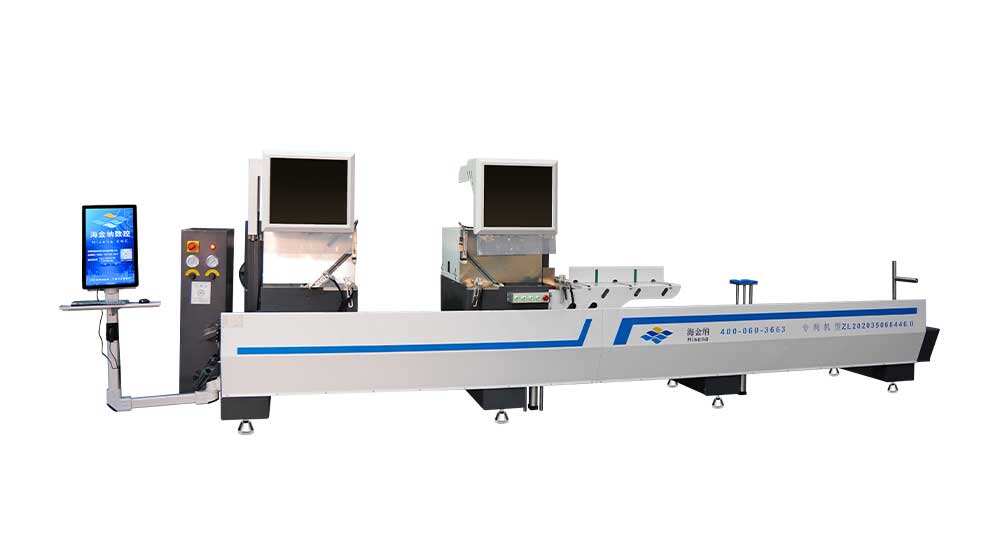
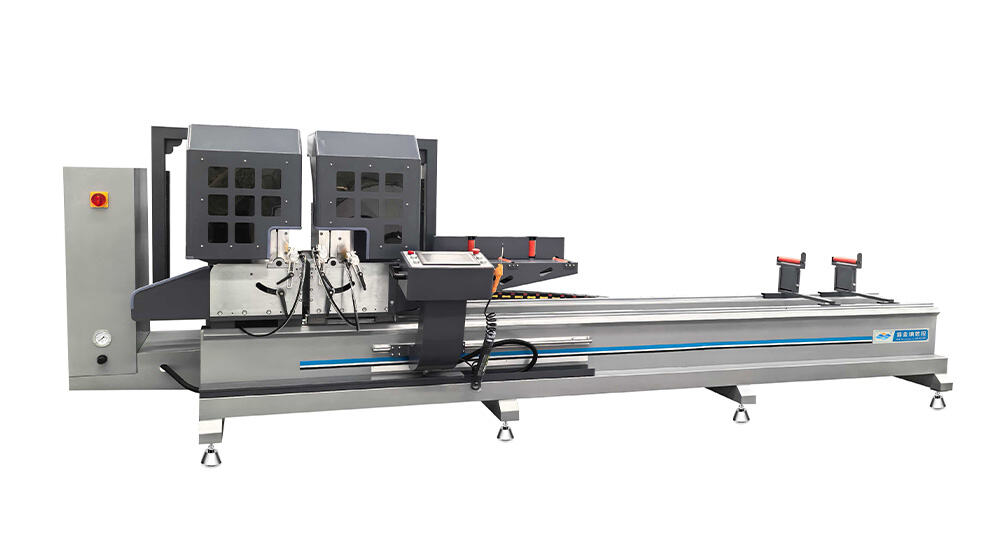
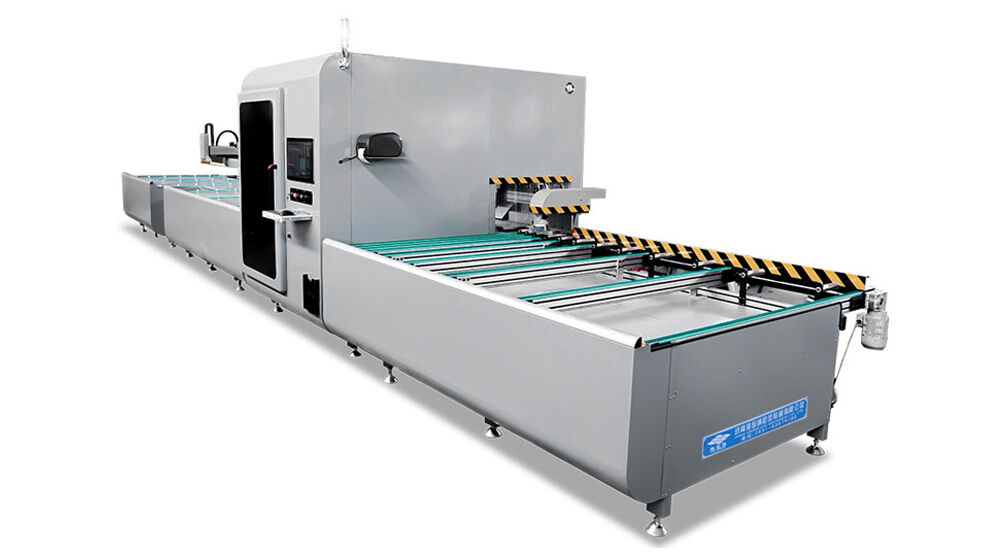
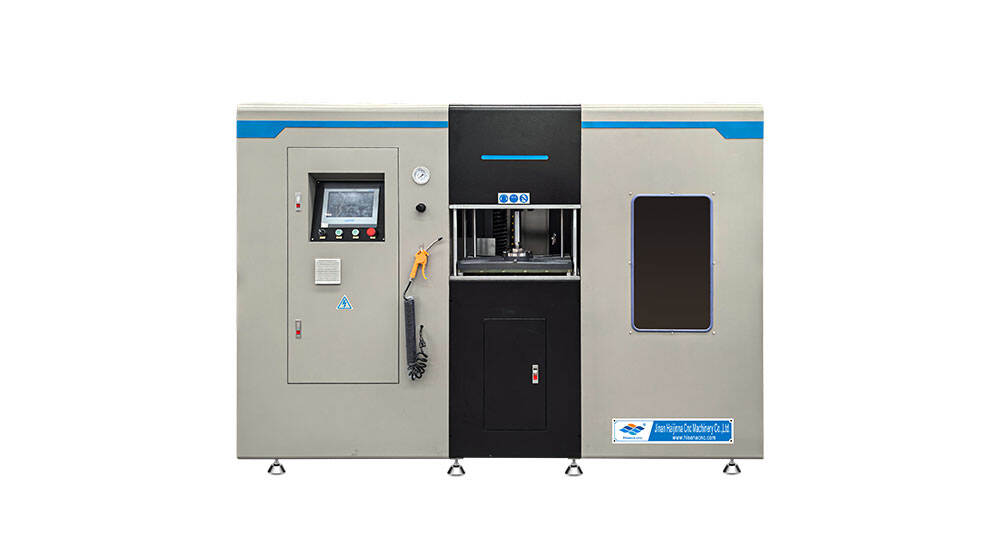
Automated workflow integration capabilities distinguish modern aluminum plate cutting machines as comprehensive production solutions rather than isolated cutting tools. These sophisticated systems connect seamlessly with broader manufacturing operations, creating streamlined workflows that minimize manual intervention and maximize throughput efficiency. The aluminum plate cutting machine accepts design files directly from engineering departments, eliminating time-consuming manual data entry and reducing opportunities for specification errors. This digital connectivity enables just-in-time manufacturing approaches where production orders flow automatically from customer specifications to cutting execution without paper-based intermediary steps. Material handling automation represents a significant component of workflow efficiency, with advanced aluminum plate cutting machines incorporating automatic loading systems that position raw plates precisely on cutting beds without manual alignment. Vacuum hold-down systems or mechanical clamping arrangements secure materials firmly during cutting operations, preventing movement that would compromise accuracy. Upon completion of cutting operations, automated unloading systems remove finished components and organize them according to programmed parameters, sorting parts by type or production order. These handling capabilities dramatically reduce the physical labor required to operate the aluminum plate cutting machine while accelerating cycle times between successive cutting jobs. Integration with inventory management systems provides real-time visibility into material consumption, automatically generating reorder alerts when aluminum plate stock reaches predetermined minimum levels. This connectivity prevents production delays caused by material shortages while avoiding excessive inventory carrying costs. The aluminum plate cutting machine communicates production data to enterprise resource planning systems, updating job status, tracking machine utilization, and providing accurate costing information for each project. Quality assurance processes benefit from automated measurement systems that verify critical dimensions immediately after cutting, flagging any components falling outside tolerance specifications before they proceed to subsequent production stages. This immediate feedback prevents defective parts from advancing through your manufacturing process, reducing waste and protecting your reputation for quality. Production scheduling software optimizes the sequence of cutting jobs loaded onto the aluminum plate cutting machine, grouping similar materials and thicknesses to minimize setup changes and maximize equipment utilization. The efficiency gains from automation compound throughout your operation, as faster cutting cycles and reduced setup times increase the number of jobs completed daily. Energy management features monitor power consumption patterns and implement standby modes during idle periods, reducing operational costs without impacting production readiness. Maintenance scheduling integrates with the aluminum plate cutting machine's operational calendar, planning service activities during naturally occurring production gaps to minimize disruption. Comprehensive data logging captures detailed information about every cutting operation, creating valuable historical records useful for process improvement initiatives and quality certifications. Remote monitoring capabilities allow supervisors and maintenance personnel to observe aluminum plate cutting machine performance from anywhere in your facility or even off-site, enabling quick responses to alerts or operational questions. This connectivity supports predictive maintenance strategies that anticipate component wear based on actual usage patterns rather than arbitrary time intervals, optimizing maintenance effectiveness while reducing unnecessary service interventions.
 ×
×

 EN
EN