Integrated Safety Features Protect Operators and Investment
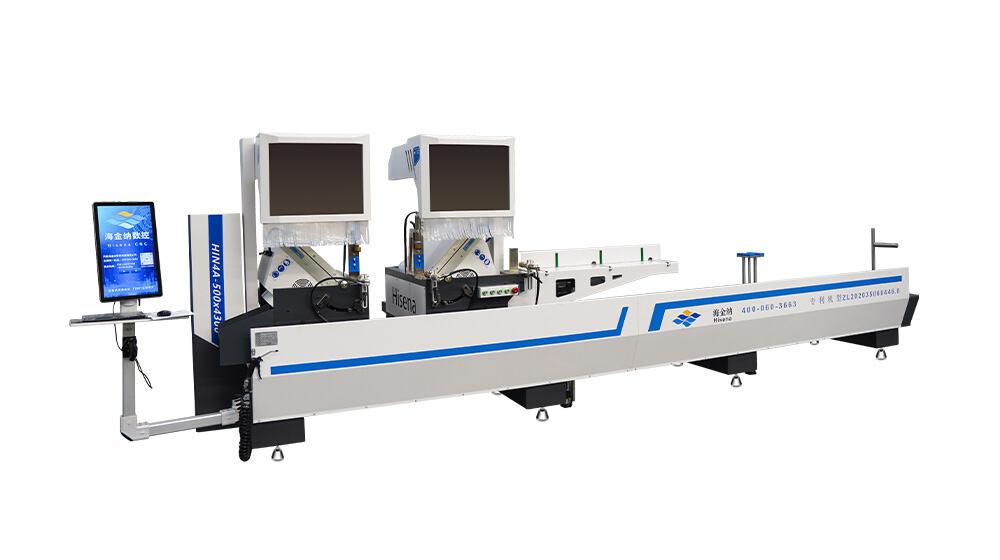
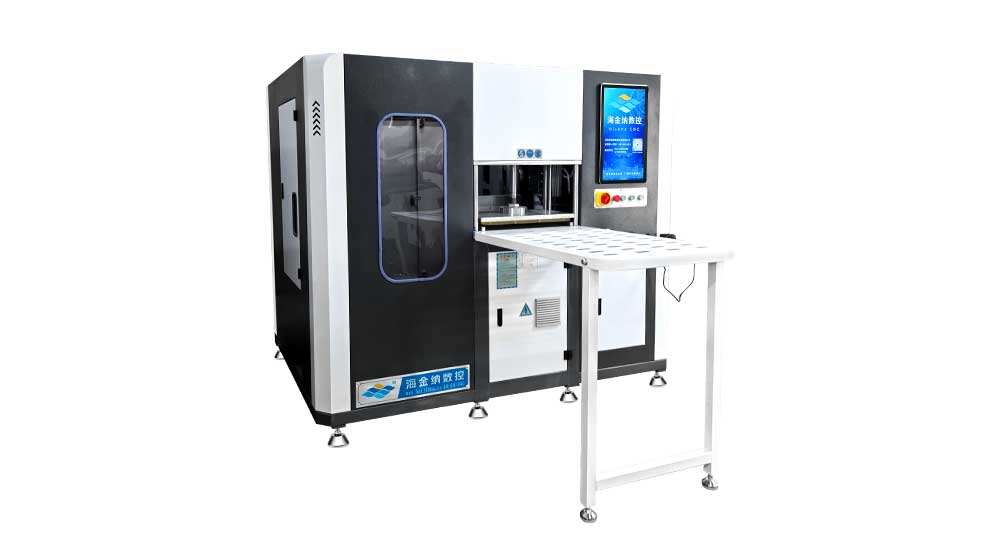
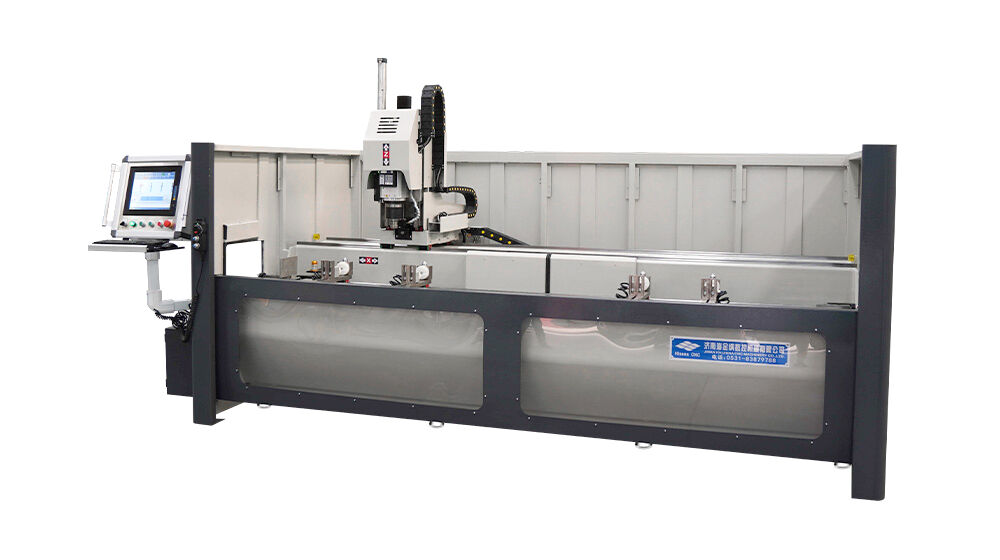
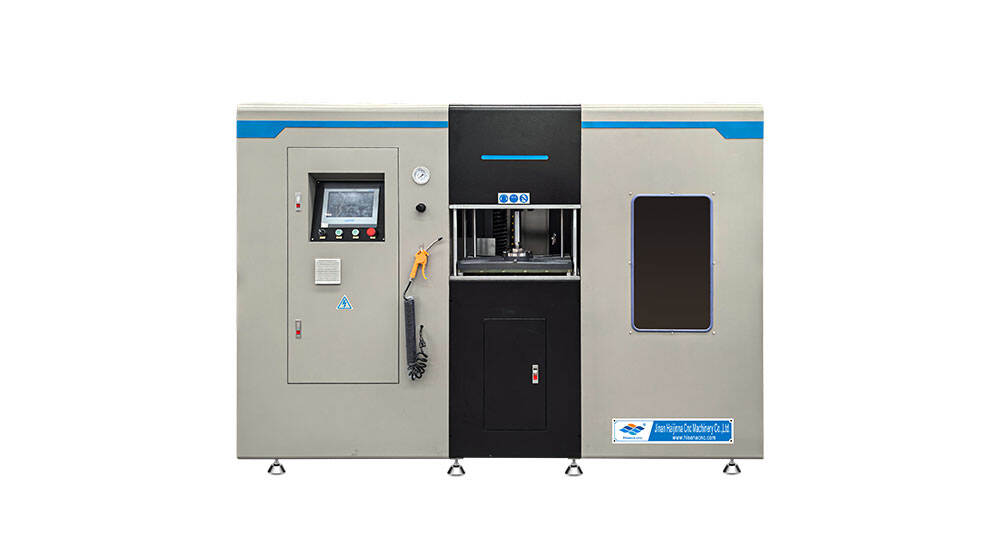
The integrated safety features incorporated throughout modern window making machines reflect comprehensive engineering commitment to protecting both human operators and the substantial capital investment these machines represent, addressing safety considerations that extend far beyond minimum regulatory compliance to create genuinely secure manufacturing environments. Physical guarding systems form the first safety layer, with strategically positioned barriers preventing accidental contact with moving components such as cutting blades, welding platens, and material handling mechanisms during operation cycles. These guards employ robust construction that withstands industrial environments while maintaining necessary access points for material loading, finished product removal, and routine maintenance activities. Interlock switches embedded in guard panels immediately halt machine operation when protective barriers open during active processing, preventing the dangerous situation where operators might reach into hazard zones while equipment remains energized. Emergency stop controls positioned at multiple locations around the machine perimeter provide instant shutdown capability from any operator position, ensuring that potentially dangerous situations can be terminated immediately regardless of where personnel are stationed during operation. Sensor technologies including light curtains, proximity detectors, and pressure-sensitive mats create invisible safety zones that detect human presence and automatically pause machine functions before contact occurs, adding intelligent protection layers that adapt to dynamic factory environments. The safety architecture extends to operational parameters through programmable limits that prevent machine functions from exceeding safe operating ranges even if incorrect values are inadvertently entered, protecting both operators and equipment from damage caused by excessive speeds, pressures, or temperatures. Diagnostic systems continuously monitor critical components including hydraulic pressures, motor currents, and thermal conditions, alerting operators to developing problems before failures occur and automatically implementing protective shutdowns when parameters deviate beyond acceptable ranges. This predictive capability prevents catastrophic failures that could injure personnel, damage expensive components, or destroy work in progress. Visual and audible warning systems alert operators before automated cycles begin, ensuring personnel awareness and providing time to clear hazard zones before motion commences. The safety features built into window making machines reduce insurance premiums by demonstrating proactive risk management, provide documentation supporting regulatory compliance during inspections, and create positive workplace culture where employees feel valued and protected. Training becomes more effective when comprehensive safety systems provide forgiving environments where new operators can develop skills without excessive risk, accelerating the learning process and building operator confidence. The long-term business protection delivered by integrated safety features includes avoiding costly accident investigations, preventing production interruptions from injury-related incidents, and maintaining the positive reputation essential for attracting quality employees in competitive labor markets where safety records influence employment decisions.
 ×
×

 EN
EN