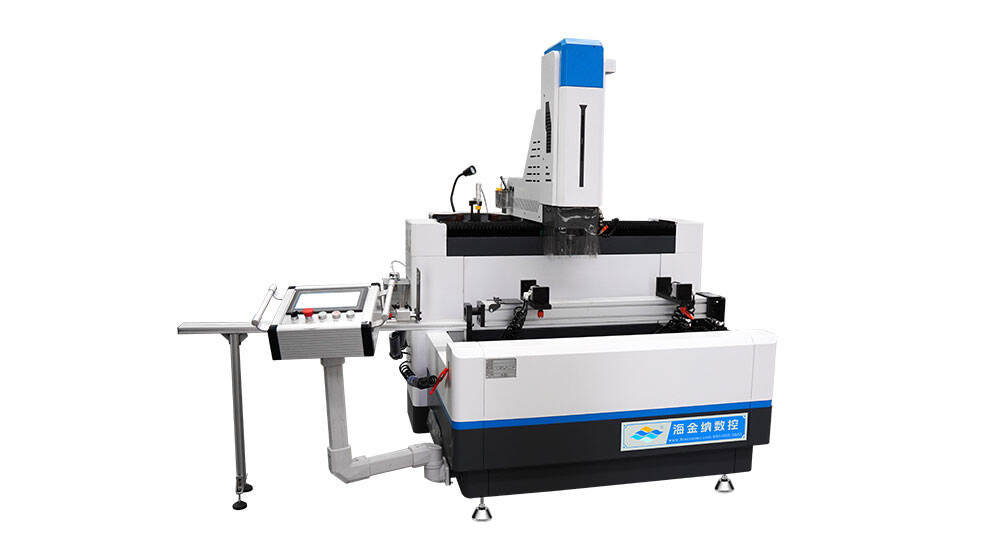
Window Glass Making Machine - Advanced Manufacturing Solutions for Quality Glass Production

Get a Free Quote

Our representative will contact you soon.
Name
Email
Telephone
Country
Company Name
Message
0/1000

window glass making machine

A window glass making machine represents a sophisticated manufacturing solution designed to produce high-quality glass panels for residential, commercial, and industrial applications. This automated equipment transforms raw materials into finished glass products through a series of precisely controlled processes. The primary functions include melting silica sand and other raw materials at extremely high temperatures, forming the molten glass into flat sheets, controlled cooling through an annealing process, and cutting the glass to specified dimensions. Modern window glass making machines incorporate advanced technology to ensure consistent product quality, dimensional accuracy, and surface finish. These machines can produce various types of glass including clear float glass, tinted glass, reflective glass, and low-emissivity glass depending on the configuration and additional processing capabilities. The technological features of a window glass making machine encompass automated temperature control systems that maintain optimal melting and forming temperatures, precision roller systems that create uniform thickness across the entire glass sheet, computerized cutting mechanisms that minimize waste and ensure accurate dimensions, and integrated quality inspection systems that detect defects in real-time. The production capacity varies significantly based on the machine size and configuration, ranging from small-scale operations producing several hundred square meters daily to large industrial systems capable of manufacturing thousands of square meters per day. Applications for window glass making machines span across multiple industries including residential construction for home windows and doors, commercial building projects requiring large glass facades, automotive manufacturing for vehicle windows, furniture production for glass tabletops and cabinets, and specialty applications such as greenhouse construction and solar panel manufacturing. The versatility of these machines makes them indispensable in modern manufacturing environments where glass remains a fundamental building material.

New Products

Investing in a window glass making machine delivers substantial benefits that directly impact your business profitability and operational efficiency. First and foremost, these machines significantly reduce production costs by automating processes that previously required extensive manual labor. You will notice immediate savings in workforce expenses while simultaneously increasing output volume, creating a favorable return on investment within a reasonable timeframe. The consistency and precision offered by automated glass production eliminates human error, resulting in fewer defective products and reduced material waste. Every sheet of glass produced meets exact specifications, which means fewer customer complaints and returns, protecting your business reputation and bottom line. The speed of production represents another compelling advantage, as a window glass making machine can manufacture glass panels continuously without fatigue or breaks, unlike manual operations. This constant production capability allows you to fulfill larger orders faster, take on more projects simultaneously, and respond quickly to market demands. Energy efficiency has become increasingly important in manufacturing, and modern window glass making machines incorporate technologies that optimize fuel consumption and heat retention. You will experience lower utility costs compared to older production methods, while also reducing your environmental footprint, which appeals to environmentally conscious customers and helps meet regulatory requirements. The flexibility of these machines allows you to produce different glass types and dimensions without extensive retooling or downtime. You can easily switch between producing clear glass, tinted variations, or specialized products, enabling you to serve diverse customer needs and explore new market opportunities. Quality control features integrated into window glass making machines provide real-time monitoring and automatic adjustments, ensuring every product meets industry standards and customer expectations. This built-in quality assurance reduces the need for extensive post-production inspection and rework. The scalability of these systems means you can start with a configuration suitable for your current business size and expand capacity as demand grows, protecting your initial investment while accommodating future growth. Maintenance requirements for modern window glass making machines have decreased substantially due to improved engineering and durable components, resulting in higher uptime and lower maintenance costs. Training operators becomes simpler with user-friendly interfaces and automated controls, reducing the learning curve and allowing your team to become productive quickly. The competitive advantage gained through owning a window glass making machine cannot be overstated, as you gain control over your supply chain, reduce dependence on external suppliers, and can offer faster delivery times and competitive pricing to your customers.

Latest News

Turkish Clients Visit Hisena: Business Talks & Equipment Orders in Winter!

14

May

Turkish Clients Visit Hisena: Business Talks & Equipment Orders in Winter!

View More
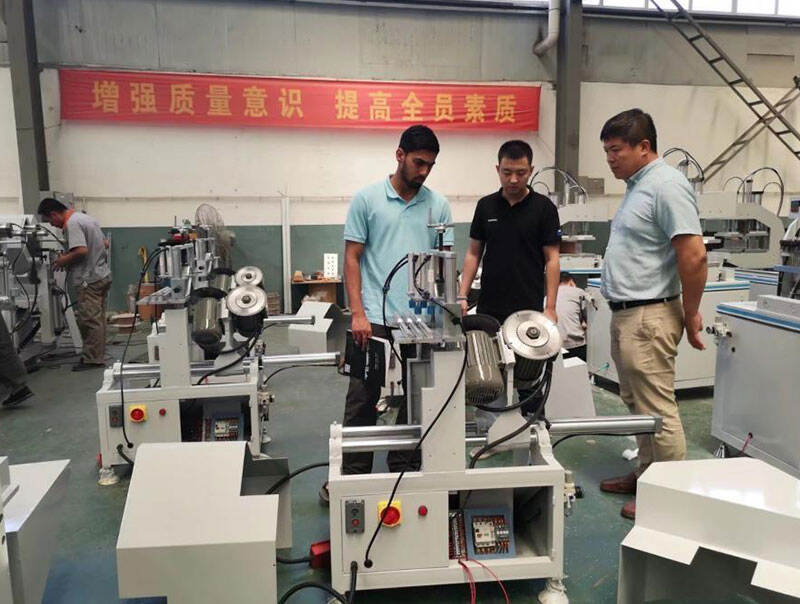
Indian customers came and visited Hisena factory

30

Apr

Indian customers came and visited Hisena factory

View More
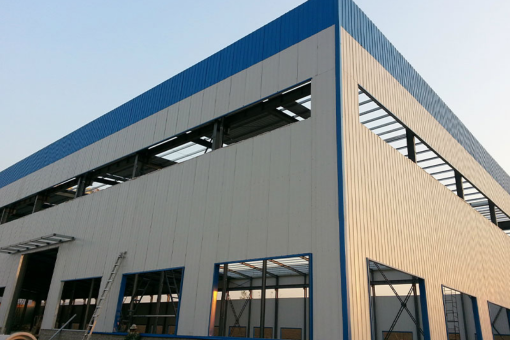
Hisena's New Factory Under Construction While Ensuring Timely Completion and Shipment of Customer Orders

30

Apr

Hisena's New Factory Under Construction While Ensuring Timely Completion and Shipment of Customer Orders

View More
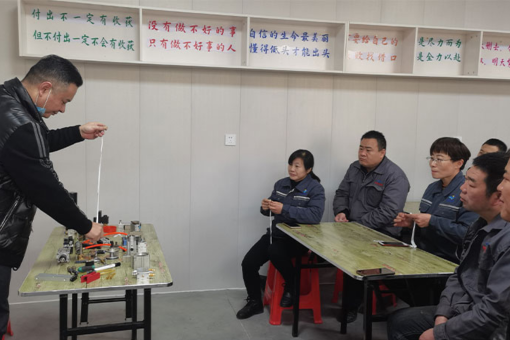
Hisena Staff Trains on Pneumatic Components to Better Serve Customers

30

Apr

Hisena Staff Trains on Pneumatic Components to Better Serve Customers

View More

Get a Free Quote

Our representative will contact you soon.
Name
Email
Telephone
Country
Company Name
Message
0/1000

window glass making machine

Advanced Automation and Precision Control Systems

Advanced Automation and Precision Control Systems

The window glass making machine incorporates state-of-the-art automation technology that revolutionizes glass production by eliminating inconsistencies and maximizing efficiency throughout every stage of manufacturing. At the heart of this advantage lies a sophisticated programmable logic controller system that coordinates all machine functions seamlessly, from raw material feeding to final product cutting. This centralized control ensures that temperature profiles remain precisely maintained within narrow tolerances, critical for achieving optimal glass properties and preventing defects such as stress patterns or uneven thickness. The automated feeding system measures and delivers exact quantities of raw materials according to programmed recipes, eliminating guesswork and ensuring batch-to-batch consistency that manual operations simply cannot achieve. Temperature sensors positioned strategically throughout the melting furnace continuously monitor conditions and trigger automatic adjustments to burner output, maintaining the ideal viscosity for forming operations. The forming section utilizes precision-engineered rollers with micro-adjustments that create glass sheets with uniform thickness across their entire surface, a specification that directly impacts the quality of finished windows and their optical clarity. Automated cutting systems employ laser measurement technology to determine exact cutting points, minimizing waste while producing panels that meet customer specifications without requiring additional trimming. The quality inspection systems integrated into the window glass making machine use advanced optical sensors and cameras to detect surface defects, inclusions, scratches, and dimensional variations in real-time as glass moves through production. When defects are identified, the system automatically marks the affected area or diverts the entire panel, preventing defective products from reaching customers and protecting your reputation. The human-machine interface provides operators with intuitive touchscreen controls displaying all critical parameters, production statistics, and maintenance alerts in easily understandable formats. Operators can adjust production parameters, switch between different glass specifications, and monitor multiple production lines from a central location, significantly reducing the workforce required compared to traditional manufacturing methods. This automation extends to the annealing process, where controlled cooling prevents internal stresses that could cause spontaneous breakage, with the window glass making machine automatically adjusting cooling rates based on glass thickness and composition.
Exceptional Energy Efficiency and Environmental Sustainability

Exceptional Energy Efficiency and Environmental Sustainability

Modern window glass making machines prioritize energy efficiency through innovative engineering that substantially reduces operational costs while minimizing environmental impact, addressing both economic and ecological concerns that today's manufacturers face. The furnace design incorporates advanced insulation materials and heat recovery systems that capture waste heat from exhaust gases and redirect it to preheat incoming raw materials or combustion air, dramatically reducing fuel consumption compared to older furnace technologies. This heat recovery can decrease energy requirements by twenty to thirty percent, translating directly into lower operating costs and improved profit margins. The window glass making machine utilizes regenerative burner technology that alternates firing patterns to maximize heat transfer efficiency while minimizing nitrogen oxide emissions, helping manufacturers comply with increasingly stringent environmental regulations without expensive aftertreatment systems. Variable frequency drives control motor speeds throughout the machine, adjusting power consumption to match actual production requirements rather than running continuously at maximum capacity, eliminating wasteful energy use during slower production periods or product changeovers. The melting process has been optimized through computational fluid dynamics modeling to ensure complete combustion and uniform heat distribution, reducing both fuel consumption and particulate emissions. Batch preheating systems use recovered heat to dry and warm raw materials before they enter the furnace, reducing the thermal shock and energy required to reach melting temperatures. Electric boost systems supplement combustion heating in critical zones, providing precise temperature control with higher efficiency than fuel-based heating alone. The window glass making machine incorporates water cooling systems with closed-loop circulation that minimizes water consumption and eliminates the need for continuous fresh water supply, addressing water scarcity concerns while reducing utility costs. Waste heat from cooling systems can be captured for facility heating or other industrial processes, further improving overall energy utilization. The reduced waste production inherent in automated precision manufacturing means fewer defective products requiring disposal, decreasing landfill contributions and material costs. Many window glass making machines now offer cullet recycling capabilities that allow recycled glass to be reintroduced into the production process, reducing raw material consumption and associated extraction impacts. The efficiency gains translate into a smaller carbon footprint per unit of glass produced, increasingly important as building codes and customer preferences shift toward sustainable materials and manufacturing practices.
Versatile Production Capabilities and Market Adaptability

Versatile Production Capabilities and Market Adaptability

The window glass making machine delivers remarkable versatility that empowers manufacturers to respond dynamically to changing market demands, produce diverse product lines, and capture opportunities across multiple customer segments without significant capital investment in specialized equipment. This adaptability begins with the ability to produce glass sheets in various thicknesses ranging from thin panels suitable for picture frames and decorative applications to thick plates required for structural glazing and security applications, all achieved through simple adjustments to roller spacing and production speed. The width and length capabilities accommodate everything from small specialty panels to large architectural glass sheets exceeding three meters, providing flexibility to serve residential contractors requiring standard window sizes and commercial developers needing custom dimensions for unique architectural designs. Color and tint variations can be achieved by introducing different metal oxides into the batch formulation, allowing production of bronze, gray, green, and blue tinted glass that meets aesthetic preferences and solar control requirements without changing the fundamental window glass making machine setup. The coating capabilities available on advanced systems enable production of low-emissivity glass that improves building energy efficiency, reflective glass for solar control and privacy, and self-cleaning glass with photocatalytic surfaces, expanding your product portfolio into premium market segments with higher profit margins. Production speed adjustments allow manufacturers to balance output volume with product characteristics, running faster for standard products during high-demand periods and slowing production for specialty items requiring enhanced quality control. The window glass making machine can transition between different product specifications with minimal downtime, often requiring only recipe changes in the control system rather than extensive mechanical adjustments, maximizing productive operating hours and enabling efficient small-batch production. This quick-change capability proves invaluable when serving diverse customer bases with varying requirements, allowing you to maintain inventory levels across multiple product lines without dedicating separate production equipment to each variant. The scalability extends to future expansion possibilities, as modular designs allow adding processing stations for tempering, laminating, or insulating glass unit assembly, transforming your window glass making machine into a comprehensive glass fabrication system as your business grows. Integration capabilities with enterprise resource planning systems and manufacturing execution software enable data-driven production planning, real-time performance monitoring, and predictive maintenance scheduling that optimize overall equipment effectiveness. The machine design accommodates different raw material qualities, allowing manufacturers to source materials competitively while maintaining consistent product quality through automatic compensation adjustments. This versatility positions your business to capitalize on emerging trends such as smart glass technologies, energy-efficient building materials, and specialized architectural applications, ensuring long-term relevance in evolving markets.

Get a Free Quote

Our representative will contact you soon.
Name
Email
Telephone
Country
Company Name
Message
0/1000