Professional Window Making Machine - Advanced Automated Manufacturing Solutions

Get a Free Quote

Our representative will contact you soon.
Name
Email
Telephone
Country
Company Name
Message
0/1000

window making machine

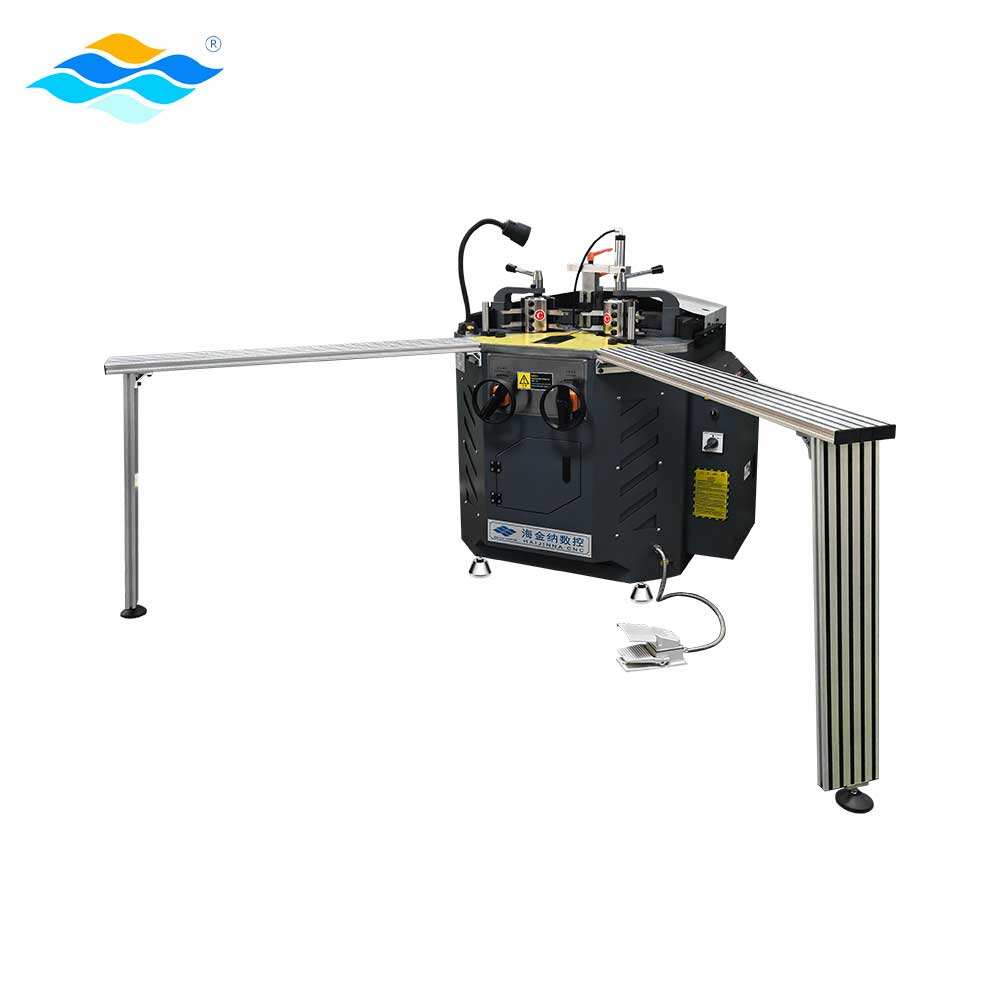
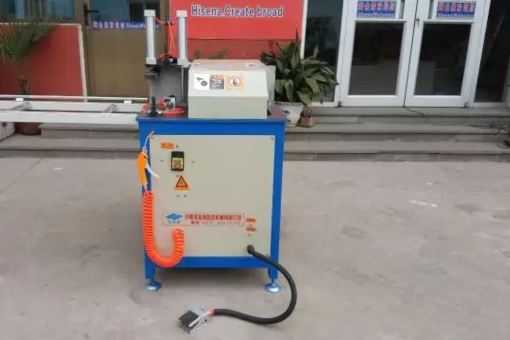
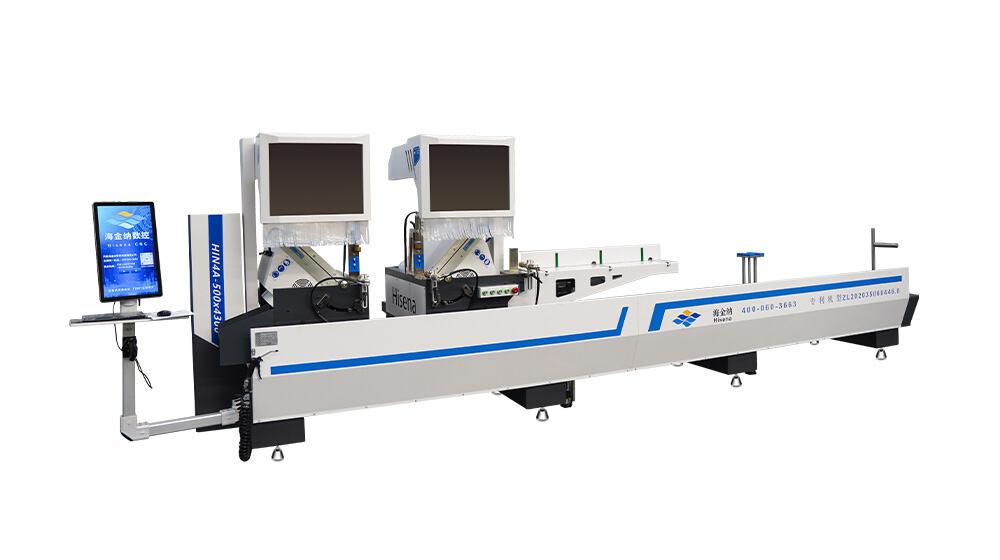
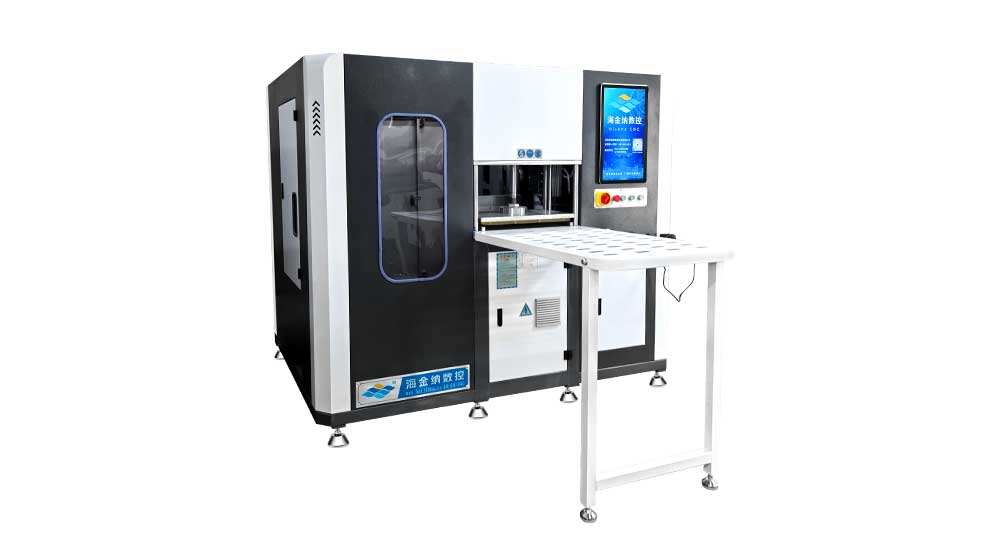
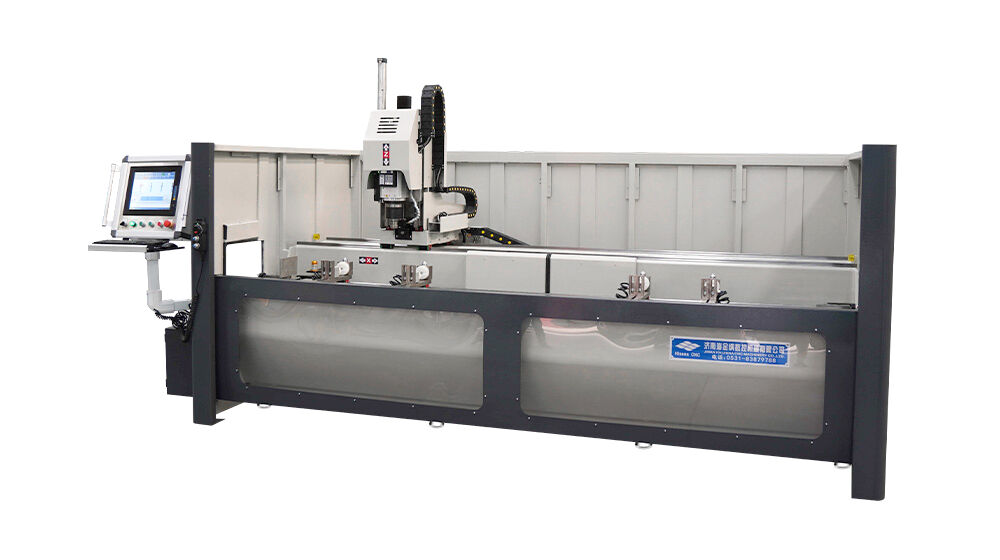
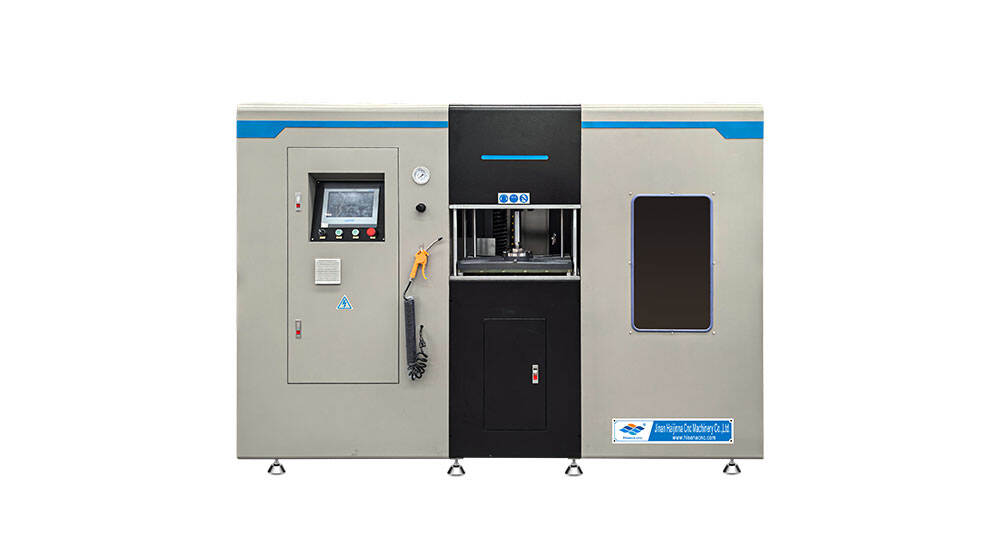
A window making machine represents a sophisticated manufacturing solution designed to streamline and automate the production of windows across residential, commercial, and industrial sectors. This advanced equipment integrates cutting-edge technology with precision engineering to transform raw materials into finished window products efficiently. The primary functions of a window making machine encompass multiple critical operations including cutting profiles to exact specifications, welding corner joints with exceptional accuracy, milling drainage holes and hardware slots, and assembling various components into complete window frames. Modern window making machines incorporate computer numerical control systems that enable operators to program specific dimensions and execute complex manufacturing sequences with minimal manual intervention. These machines handle diverse materials such as PVC profiles, aluminum extrusions, and composite materials, adapting seamlessly to different production requirements. The technological features embedded within contemporary window making machines include servo-driven motors for precise positioning, automated material feeding systems that reduce handling time, digital displays for intuitive operation monitoring, and programmable logic controllers that coordinate multiple functions simultaneously. Advanced models feature multi-head processing capabilities allowing simultaneous operations on different frame sections, significantly reducing cycle times. Safety mechanisms such as emergency stop functions, protective guards, and sensor-based detection systems ensure operator protection during continuous operation. The applications of window making machines extend across various manufacturing environments from small fabrication shops producing custom residential windows to large-scale facilities manufacturing standardized commercial window systems. These machines prove invaluable for companies seeking to increase production capacity, improve product consistency, reduce labor costs, and maintain competitive positioning in demanding markets. The versatility of window making machines enables manufacturers to produce diverse window styles including casement, sliding, tilt-turn, and fixed configurations, accommodating evolving architectural trends and customer preferences while maintaining stringent quality standards throughout the production process.

New Product Recommendations

Investing in a window making machine delivers substantial practical benefits that directly impact your manufacturing operation and bottom line profitability. First and foremost, these machines dramatically increase production speed compared to manual fabrication methods, enabling your facility to complete more window units per shift and fulfill larger orders within tighter deadlines. This enhanced throughput translates into improved revenue generation potential without proportional increases in labor expenses. The precision engineering inherent in window making machines ensures every cut, weld, and assembly operation meets exacting tolerances, resulting in consistently high-quality finished products that reduce rejection rates and minimize costly material waste. Your customers receive windows that fit perfectly, operate smoothly, and deliver long-term performance reliability, strengthening your reputation and encouraging repeat business. Labor efficiency represents another compelling advantage as window making machines automate repetitive tasks that previously required skilled workers, allowing you to reallocate human resources to value-added activities such as quality control, customer service, and production planning. This optimization reduces dependence on specialized labor while decreasing the training time needed for new employees to become productive team members. The ergonomic benefits cannot be overlooked either, as machines handle heavy lifting, repetitive motions, and physically demanding operations that otherwise contribute to worker fatigue and potential injuries, creating a safer workplace environment and reducing insurance costs associated with workplace incidents. Financial advantages extend beyond direct production savings, as window making machines enable rapid product changeovers, allowing your business to respond quickly to market demands and capitalize on emerging opportunities without extensive retooling investments. The consistent output quality facilitated by automated processes reduces callbacks and warranty claims, protecting profit margins and preserving your company's professional standing. Energy efficiency built into modern window making machines lowers operational costs while supporting environmental sustainability goals that increasingly influence purchasing decisions among eco-conscious customers. The data collection capabilities of computerized window making machines provide valuable production metrics that inform strategic decisions about capacity planning, maintenance scheduling, and process improvements. Small and medium-sized manufacturers gain the ability to compete with larger competitors by matching production quality and efficiency levels previously available only to high-volume operations. The modular design of many window making machines allows staged investment, letting businesses start with core functions and add capabilities as production demands grow, making this technology accessible across different budget levels while protecting your initial investment through expandable configurations that adapt to your evolving business needs.

Tips And Tricks

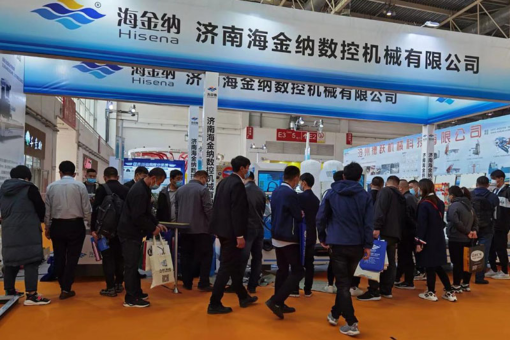
Hisena Launches New Intelligent Wireless Transmission Solution at Linqu Window Door Exhibition

14

May

Hisena Launches New Intelligent Wireless Transmission Solution at Linqu Window Door Exhibition

View More
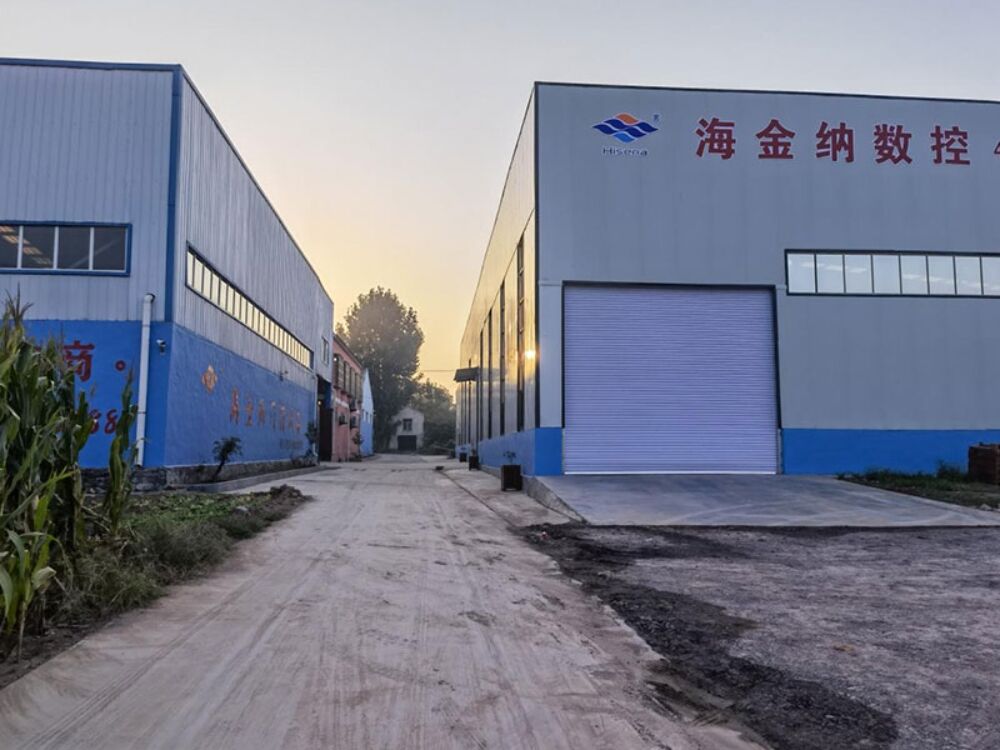
Hisena Moves to a New Factory!

30

Apr

Hisena Moves to a New Factory!

View More
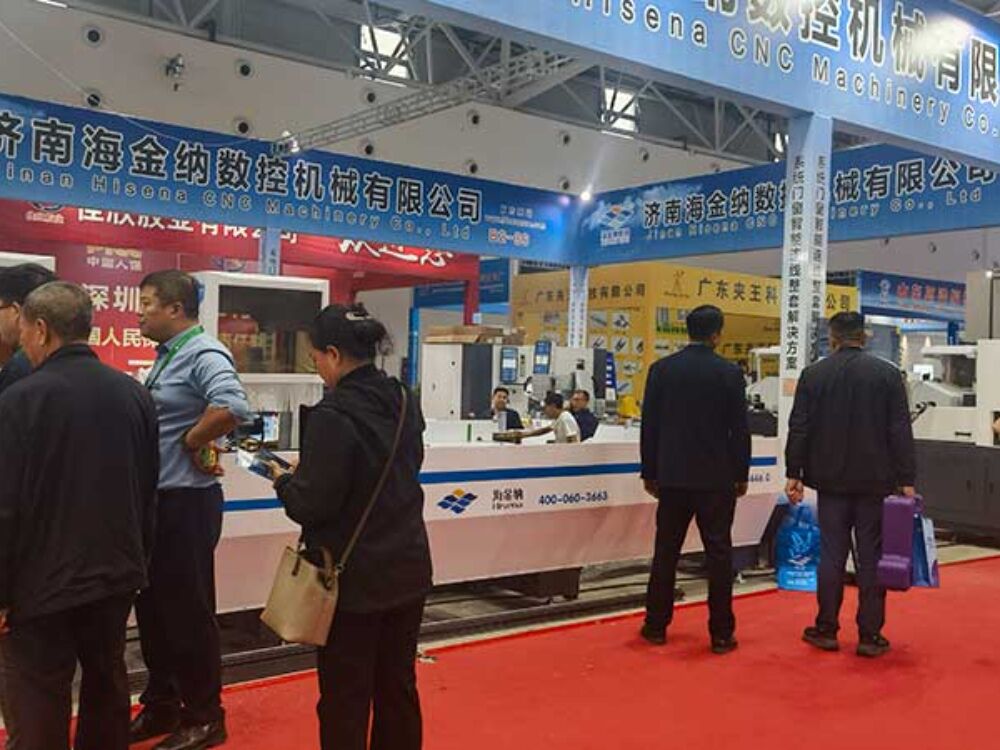
Hisena Exhibits in Beijing, Equipment Highly Popular Among Customers

30

Apr

Hisena Exhibits in Beijing, Equipment Highly Popular Among Customers

View More
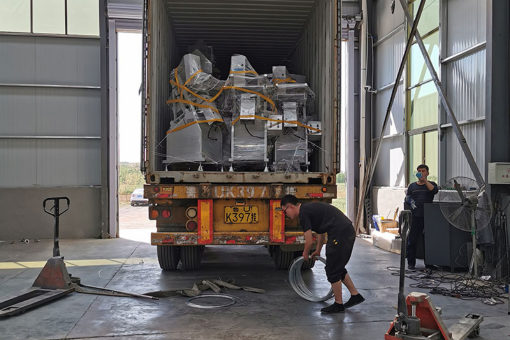
Hisena Family Worked Hard Loading Machines for Customers Under High Temperatures

30

Apr

Hisena Family Worked Hard Loading Machines for Customers Under High Temperatures

View More

Get a Free Quote

Our representative will contact you soon.
Name
Email
Telephone
Country
Company Name
Message
0/1000

window making machine

Automated Precision Control Systems Enhance Manufacturing Accuracy

Automated Precision Control Systems Enhance Manufacturing Accuracy

The automated precision control systems integrated into modern window making machines represent a transformative technological advancement that fundamentally changes how manufacturers approach window fabrication. These sophisticated systems employ computer numerical control technology combined with servo-driven actuators to execute manufacturing operations with micron-level accuracy that human operators simply cannot replicate consistently over extended production runs. The precision control architecture begins with intuitive software interfaces where operators input exact specifications for each window design, including profile lengths, angle cuts, welding parameters, and hardware placement coordinates. Once programmed, the window making machine executes these instructions with absolute repeatability, ensuring that the hundredth window produced matches the first with identical dimensional accuracy. This consistency eliminates the variation inherent in manual operations where factors like operator fatigue, measurement errors, and technique differences introduce quality fluctuations. The servo motors controlling cutting blades, welding heads, and material positioning respond instantaneously to control signals, adjusting speed, pressure, and position dynamically throughout each operation cycle. Optical sensors and position encoders continuously monitor machine performance, providing real-time feedback that enables automatic corrections before defects occur, dramatically reducing scrap rates and material waste. The precision achievable through these automated systems proves especially valuable when working with premium materials where even minor errors result in significant financial losses. Complex window designs featuring multiple angles, curves, or specialized joinery techniques that challenge manual fabrication become routinely achievable with automated precision control, expanding your product offerings and enabling you to pursue higher-value market segments. The digital nature of these control systems facilitates rapid design modifications, allowing manufacturers to accommodate custom specifications without the delays and potential errors associated with manual setup changes. Quality assurance benefits extend throughout the production process as the consistent accuracy reduces the need for extensive inspection procedures, streamlining workflow and accelerating delivery timelines. Training requirements decrease substantially because operators interact with user-friendly interfaces rather than mastering complex manual techniques, reducing the skill threshold for productive operation and making it easier to maintain staffing continuity. The data logging capabilities embedded in precision control systems create detailed production records documenting every parameter for each window unit manufactured, providing traceability that supports quality certifications and facilitates troubleshooting should issues arise downstream.
Versatile Material Compatibility Expands Production Capabilities

Versatile Material Compatibility Expands Production Capabilities

The versatile material compatibility engineered into contemporary window making machines provides manufacturers with exceptional flexibility to diversify product offerings and respond strategically to evolving market demands across different customer segments and architectural applications. Unlike specialized equipment limited to single material types, advanced window making machines accommodate PVC profiles in various wall thicknesses and reinforcement configurations, aluminum extrusions ranging from standard to thermally broken designs, wood-aluminum composite systems, and fiberglass profiles, enabling manufacturers to serve multiple market niches with a unified production platform. This multi-material capability delivers substantial strategic advantages by eliminating the need for separate dedicated machinery for each material type, reducing capital investment requirements while maximizing factory floor space utilization. The engineering solutions enabling this versatility include adjustable clamping systems that accommodate different profile geometries without damage, variable-speed cutting tools optimized for different material hardnesses, and programmable welding parameters that deliver proper fusion across materials with vastly different thermal properties. Manufacturers can seamlessly transition between material types throughout production shifts, responding to order priorities without lengthy changeover procedures that interrupt workflow and reduce productive capacity. This flexibility proves particularly valuable for companies serving both residential renovation markets preferring traditional materials and commercial construction projects specifying high-performance modern systems. The ability to process diverse materials positions manufacturers to capitalize on regional preferences, building code requirements, and emerging sustainable building trends without constraining business development to narrow product categories. Quality outcomes remain consistently excellent across different materials because the window making machine automatically applies appropriate processing parameters for each material type based on operator selection, eliminating guesswork and the trial-and-error adjustments that waste materials during manual operations. The investment protection inherent in versatile material compatibility ensures your window making machine remains relevant as market preferences shift over time, avoiding premature obsolescence that forces costly equipment replacement when new materials gain market acceptance. Competitive advantages multiply as your business demonstrates capability across material categories, attracting diverse customer segments and securing contracts that competitors with limited processing capabilities cannot fulfill. The learning curve for expanding into new materials shortens dramatically because operators already familiar with machine operation simply need to understand material-specific parameters rather than mastering entirely different equipment, accelerating market entry when business strategy calls for product line expansion. Testing and development activities benefit from material versatility as manufacturers can efficiently produce prototype windows in various materials to evaluate performance characteristics, aesthetic qualities, and cost structures before committing to full-scale production, reducing the risk associated with new product introductions and supporting informed decision-making.
Integrated Safety Features Protect Operators and Investment

Integrated Safety Features Protect Operators and Investment

The integrated safety features incorporated throughout modern window making machines reflect comprehensive engineering commitment to protecting both human operators and the substantial capital investment these machines represent, addressing safety considerations that extend far beyond minimum regulatory compliance to create genuinely secure manufacturing environments. Physical guarding systems form the first safety layer, with strategically positioned barriers preventing accidental contact with moving components such as cutting blades, welding platens, and material handling mechanisms during operation cycles. These guards employ robust construction that withstands industrial environments while maintaining necessary access points for material loading, finished product removal, and routine maintenance activities. Interlock switches embedded in guard panels immediately halt machine operation when protective barriers open during active processing, preventing the dangerous situation where operators might reach into hazard zones while equipment remains energized. Emergency stop controls positioned at multiple locations around the machine perimeter provide instant shutdown capability from any operator position, ensuring that potentially dangerous situations can be terminated immediately regardless of where personnel are stationed during operation. Sensor technologies including light curtains, proximity detectors, and pressure-sensitive mats create invisible safety zones that detect human presence and automatically pause machine functions before contact occurs, adding intelligent protection layers that adapt to dynamic factory environments. The safety architecture extends to operational parameters through programmable limits that prevent machine functions from exceeding safe operating ranges even if incorrect values are inadvertently entered, protecting both operators and equipment from damage caused by excessive speeds, pressures, or temperatures. Diagnostic systems continuously monitor critical components including hydraulic pressures, motor currents, and thermal conditions, alerting operators to developing problems before failures occur and automatically implementing protective shutdowns when parameters deviate beyond acceptable ranges. This predictive capability prevents catastrophic failures that could injure personnel, damage expensive components, or destroy work in progress. Visual and audible warning systems alert operators before automated cycles begin, ensuring personnel awareness and providing time to clear hazard zones before motion commences. The safety features built into window making machines reduce insurance premiums by demonstrating proactive risk management, provide documentation supporting regulatory compliance during inspections, and create positive workplace culture where employees feel valued and protected. Training becomes more effective when comprehensive safety systems provide forgiving environments where new operators can develop skills without excessive risk, accelerating the learning process and building operator confidence. The long-term business protection delivered by integrated safety features includes avoiding costly accident investigations, preventing production interruptions from injury-related incidents, and maintaining the positive reputation essential for attracting quality employees in competitive labor markets where safety records influence employment decisions.

Get a Free Quote

Our representative will contact you soon.
Name
Email
Telephone
Country
Company Name
Message
0/1000