UPVC Window Manufacturing Machine - Advanced Production Solutions for Quality Window Fabrication

Get a Free Quote

Our representative will contact you soon.
Name
Email
Telephone
Country
Company Name
Message
0/1000

upvc window manufacturing machine

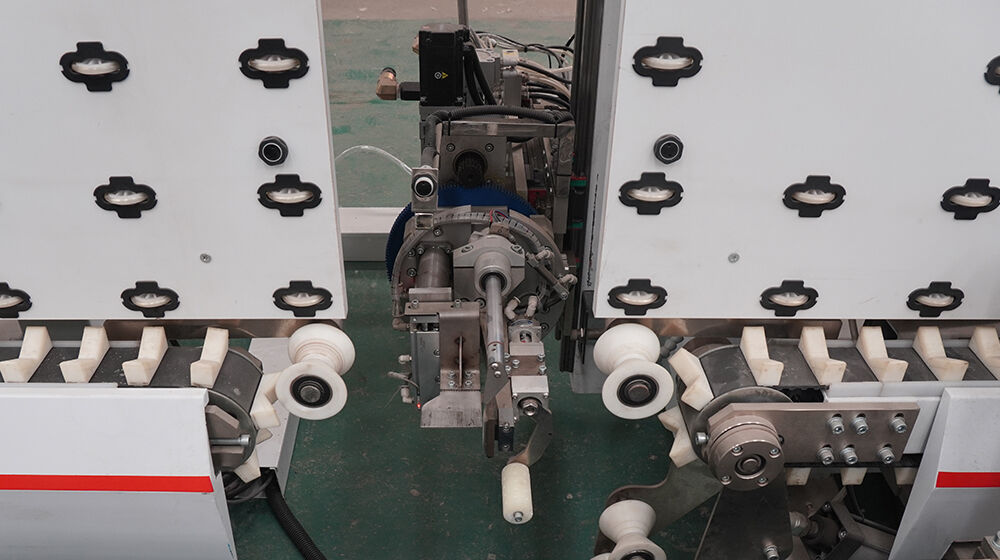
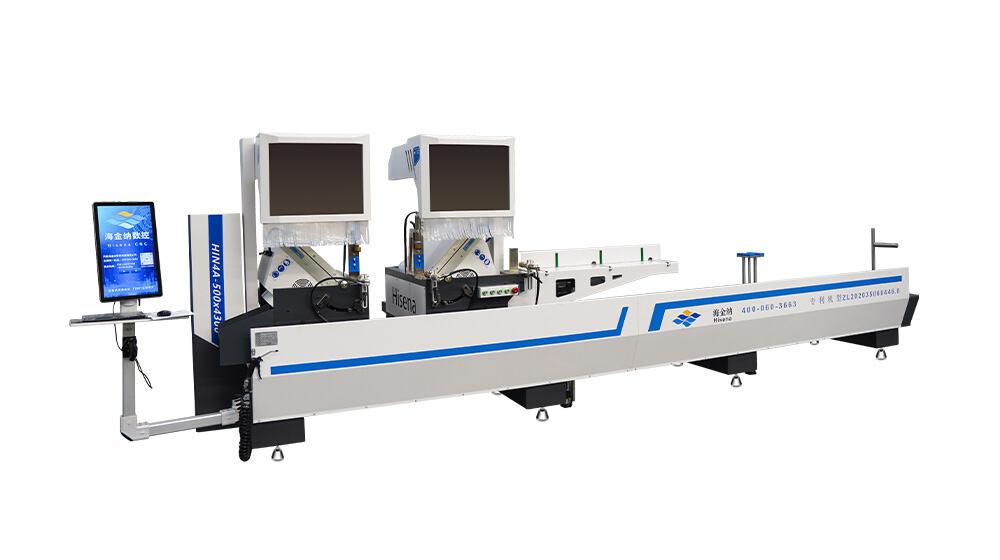
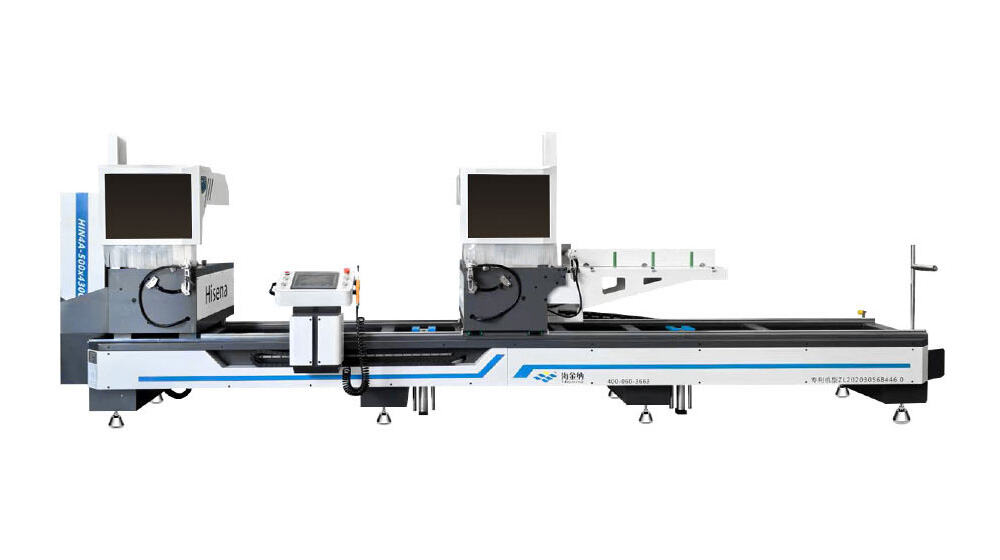
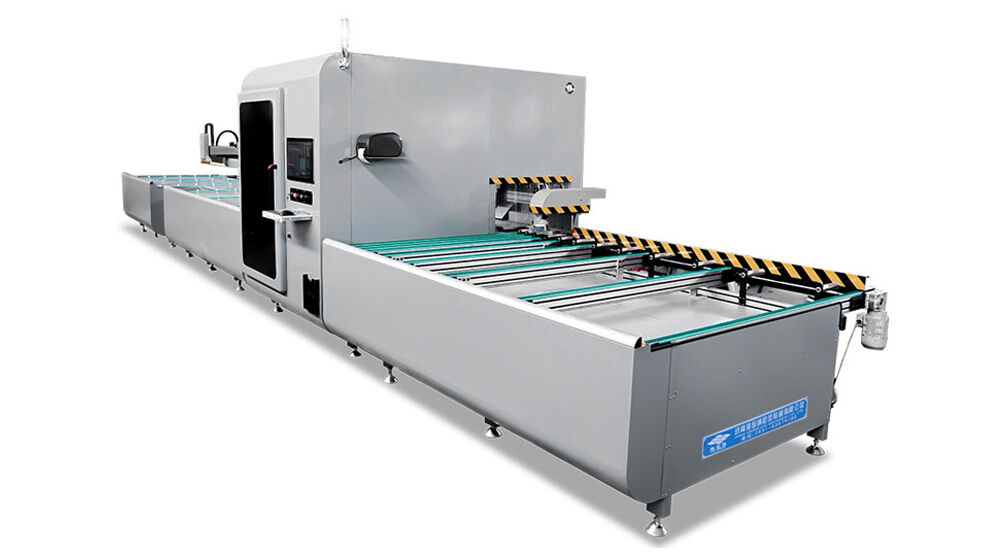
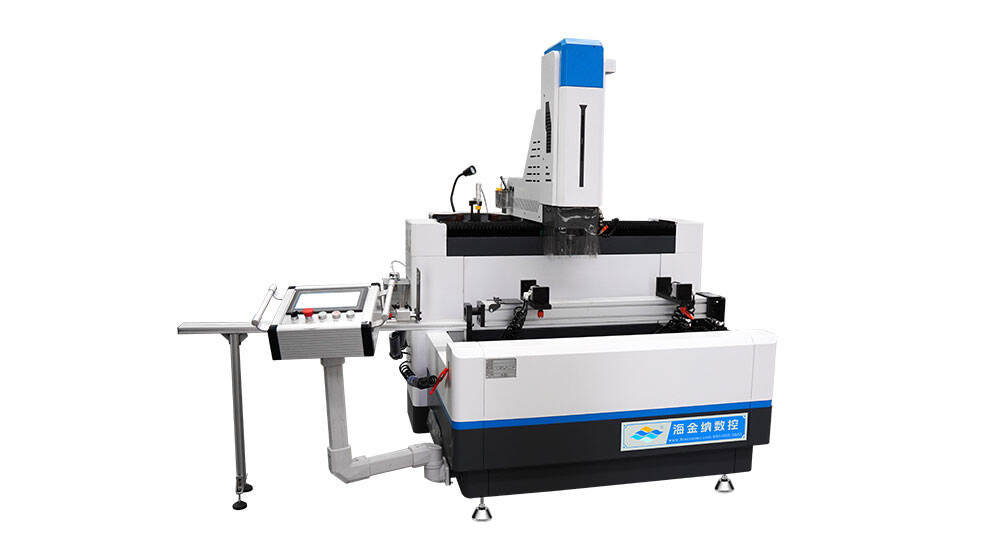
A upvc window manufacturing machine represents a comprehensive automated solution designed to streamline the production of unplasticized polyvinyl chloride window frames and components. This sophisticated equipment integrates multiple processing capabilities into a unified system, enabling manufacturers to transform raw UPVC profiles into finished window products with exceptional precision and efficiency. The primary functions of a upvc window manufacturing machine encompass cutting, welding, cleaning, milling, and drilling operations, all essential for creating high-quality window assemblies. Modern machines incorporate computer numerical control technology, allowing operators to program exact specifications and achieve consistent results across large production runs. The technological features embedded within these machines include servo-driven mechanisms for accurate positioning, pneumatic systems for rapid operation cycles, and digital interfaces that simplify parameter adjustments. Advanced models integrate automatic profile feeding systems, reducing manual handling and minimizing material waste. The welding stations utilize precise temperature control to create seamless corner joints that maintain structural integrity and aesthetic appeal. Cutting modules employ carbide-tipped blades or laser guidance systems to ensure clean edges at precise angles, accommodating various window designs from standard rectangles to complex architectural shapes. The applications of a upvc window manufacturing machine extend across residential construction, commercial building projects, and renovation sectors where energy-efficient windows are increasingly demanded. Fabricators serving both small-scale custom orders and large-scale housing developments benefit from the flexibility these machines provide. The equipment adapts to different profile systems and hardware configurations, supporting diverse market requirements. Environmental considerations have also influenced machine design, with many units incorporating dust collection systems and energy-efficient motors that reduce operational costs while meeting sustainability standards. The integration of safety features such as emergency stops, protective guards, and sensor-based operation monitoring ensures worker protection during continuous production cycles. As building regulations evolve to emphasize thermal performance and security, the upvc window manufacturing machine continues to adapt, incorporating capabilities that support enhanced glazing options and reinforced frame constructions that meet stringent certification requirements.

Popular Products

Investing in a upvc window manufacturing machine delivers substantial practical benefits that directly impact your production efficiency and profitability. First and foremost, these machines dramatically reduce production time compared to manual fabrication methods. What once required multiple workers and several hours can now be accomplished by a single operator in a fraction of the time. This acceleration means you can fulfill orders faster, take on more projects, and respond quickly to market demands without compromising quality. The precision these machines deliver eliminates costly errors that plague manual operations. Every cut matches exact specifications, every weld creates a perfect seal, and every hole aligns precisely with hardware requirements. This accuracy reduces material waste significantly, as you will discard fewer profiles due to measurement mistakes or poor-quality joints. Over time, the savings on raw materials alone can offset a substantial portion of the equipment investment. Labor cost reduction represents another compelling advantage. A upvc window manufacturing machine requires fewer operators to achieve higher output levels, allowing you to reallocate skilled workers to quality control, customer service, or business development activities. The reduced physical strain on workers also leads to fewer workplace injuries and lower insurance premiums. Consistency across your product line improves dramatically with automated machinery. Every window frame maintains identical quality standards regardless of which shift produces it or how many units you manufacture. This uniformity strengthens your brand reputation and reduces customer complaints or warranty claims. The flexibility of modern machines allows you to diversify your product offerings without purchasing additional equipment. You can easily switch between different window styles, sizes, and configurations by simply adjusting digital settings. This adaptability enables you to serve various market segments from budget-conscious homeowners to luxury custom builders without maintaining separate production lines. Energy efficiency in your manufacturing facility improves because these machines optimize power consumption during operation. They activate components only when needed and complete processes faster, reducing overall electricity usage compared to older equipment or manual methods. Maintenance requirements remain manageable with proper care, and most machines feature modular designs that allow quick replacement of worn components without extended downtime. Training new operators becomes simpler thanks to intuitive control interfaces and visual displays that guide users through each process step. This ease of use means you can onboard staff quickly when expanding operations or covering for absences. The competitive advantage gained through faster turnaround times, superior quality, and cost-effective production positions your business favorably against competitors still relying on outdated methods. Customers increasingly recognize the value of windows fabricated with precision equipment, understanding that better manufacturing translates to better performance in their buildings.

Tips And Tricks

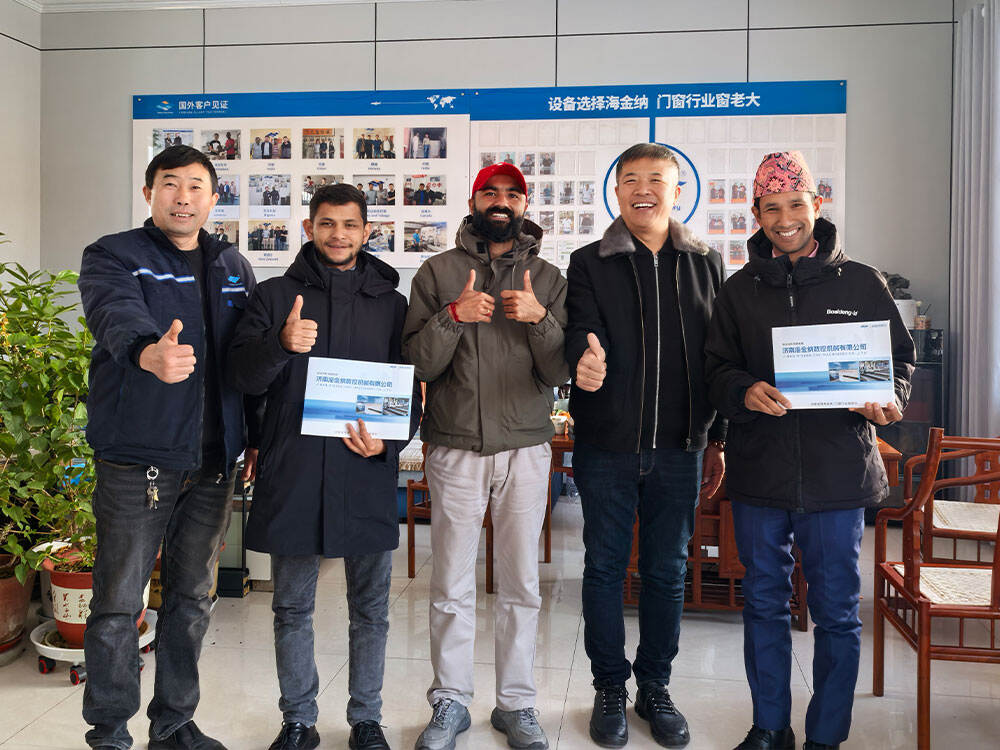
Nepalese Client Returns: Hisena Is the First Choice for Equipment!

30

Apr

Nepalese Client Returns: Hisena Is the First Choice for Equipment!

View More
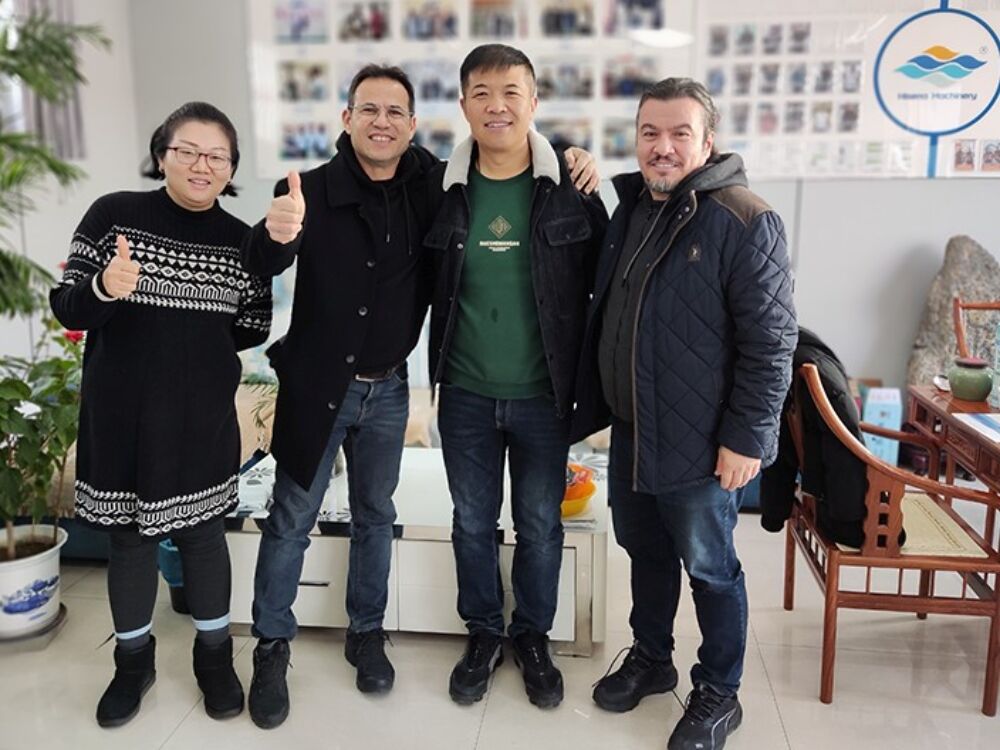
Turkish Clients Visit Hisena: Business Talks & Equipment Orders in Winter!

14

May

Turkish Clients Visit Hisena: Business Talks & Equipment Orders in Winter!

View More
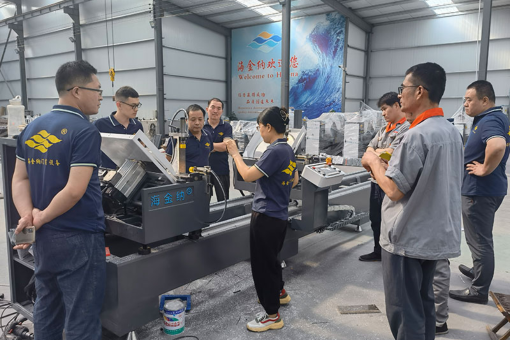
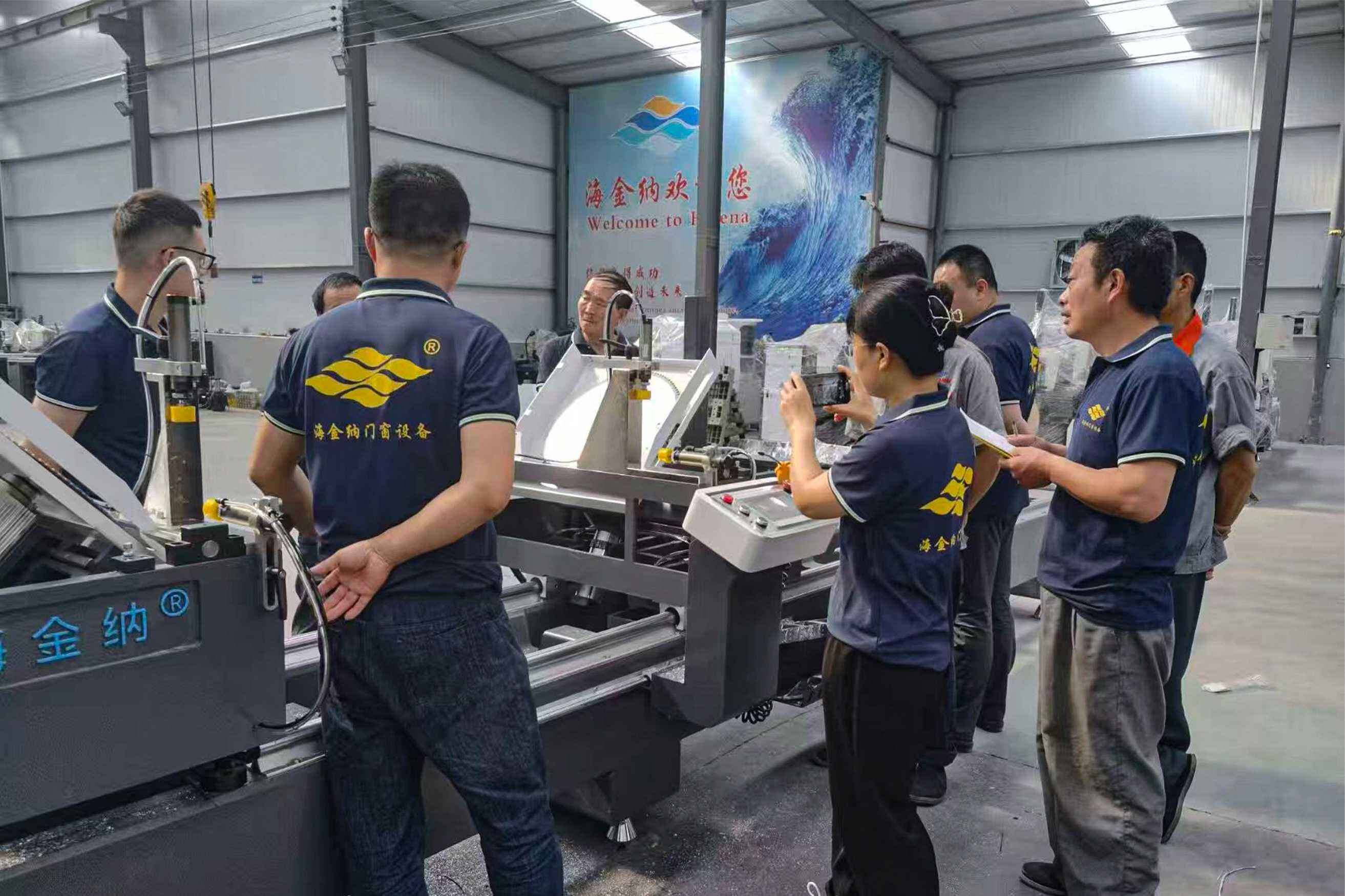
Hisena Production Staff Trains to Improve Installation Steps and Skills for Higher Quality Products

30

Apr

Hisena Production Staff Trains to Improve Installation Steps and Skills for Higher Quality Products

View More
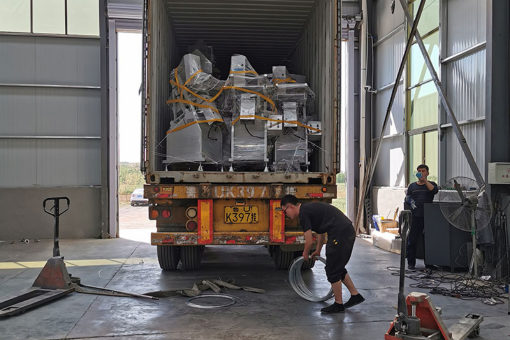
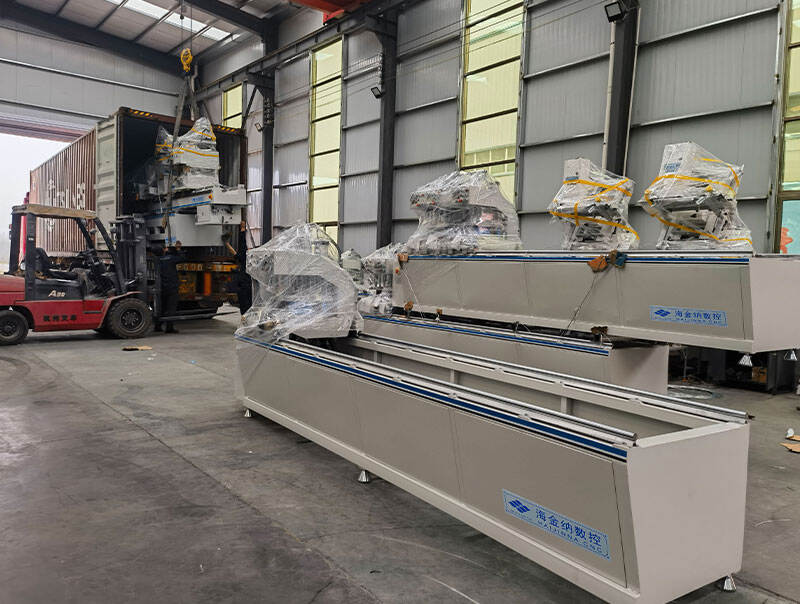
Hisena Family Worked Hard Loading Machines for Customers Under High Temperatures

30

Apr

Hisena Family Worked Hard Loading Machines for Customers Under High Temperatures

View More

Get a Free Quote

Our representative will contact you soon.
Name
Email
Telephone
Country
Company Name
Message
0/1000

upvc window manufacturing machine

Precision Engineering for Superior Window Quality

Precision Engineering for Superior Window Quality

The precision engineering integrated into every upvc window manufacturing machine sets the foundation for producing windows that exceed industry quality standards and customer expectations. At the core of this precision lies advanced servo motor technology that controls movement with micron-level accuracy, ensuring that every cut, every weld, and every drill operation occurs exactly where intended. This level of exactness proves critical when fabricating windows that must fit perfectly within building openings, maintain weather-tight seals, and operate smoothly over decades of use. The cutting stations within these machines employ sophisticated positioning systems that account for blade thickness, material density, and angle requirements simultaneously. When producing mitered corners for frame assembly, the machine calculates precise angles that create seamless joints after welding, eliminating gaps that could compromise thermal performance or structural strength. This mathematical precision eliminates the variations inherent in manual measurement and cutting, where human error can introduce discrepancies that accumulate across multiple components. Welding operations benefit equally from precision controls that regulate temperature, pressure, and duration with digital accuracy. The upvc window manufacturing machine monitors these parameters in real-time, adjusting instantly to maintain optimal conditions throughout each weld cycle. This consistency produces corner joints with uniform bead appearance and molecular bonding that matches or exceeds the strength of the original profile material. Quality control becomes more objective and reliable when precision machinery generates measurable, repeatable results. Operators can verify dimensions against specifications using digital readouts rather than relying on visual inspection alone. This traceability proves invaluable when serving projects with strict building codes or certification requirements. The milling and cleaning operations that prepare welded corners for finishing also benefit from precision programming, removing exactly the right amount of material to create flush surfaces without weakening the frame structure. For manufacturers serving architectural projects with custom designs, precision engineering enables the production of non-standard shapes and sizes that would be prohibitively expensive or impossible to achieve manually. The machine executes complex angle combinations and curved cuts with the same reliability as standard rectangular frames. This capability opens new market opportunities and allows fabricators to command premium pricing for specialized products. The long-term value of precision extends to reduced warranty claims and enhanced customer satisfaction, as windows perform as specified throughout their service life without premature failures caused by manufacturing defects.
Automated Workflow for Maximum Productivity

Automated Workflow for Maximum Productivity

The automated workflow capabilities built into a upvc window manufacturing machine revolutionize production efficiency by eliminating bottlenecks and minimizing non-productive time between operations. Modern systems integrate sequential processes into continuous production lines where material flows smoothly from one station to the next with minimal manual intervention. This seamless integration means that once an operator loads profile material and inputs specifications, the machine handles cutting, positioning, welding, and finishing operations in rapid succession. The time savings compared to traditional methods where workers must physically move components between separate workstations prove substantial, often doubling or tripling daily output capacity. Automated profile feeding systems represent a significant productivity enhancement, continuously supplying material to cutting stations without requiring operators to measure, position, and secure each piece manually. These feeding mechanisms incorporate sensors that detect material presence and adjust grip pressure based on profile dimensions, accommodating different sizes within the same production run. The reduction in handling time allows operators to focus on quality monitoring and machine supervision rather than repetitive physical tasks. Programmable logic controllers coordinate the timing and sequence of all machine functions, optimizing cycle times and ensuring that no operation begins before the previous step completes successfully. This intelligent coordination prevents errors that occur when workers rush through steps or lose track of process sequence during high-volume production periods. The upvc window manufacturing machine stores programs for different window configurations, enabling rapid changeovers between product types with just a few button presses. This flexibility eliminates the lengthy setup times associated with manual equipment adjustments, allowing manufacturers to economically produce small batches of varied designs rather than requiring minimum order quantities to justify setup costs. Productivity gains extend beyond speed to include improved material utilization, as automated systems calculate optimal cutting sequences that minimize scrap and make efficient use of profile lengths. The software integrated into these machines can nest multiple components within available material, reducing waste percentages to levels unattainable through manual planning. For businesses experiencing growth or seasonal demand fluctuations, automated workflow capabilities provide scalability without proportional increases in labor costs, enabling you to expand production capacity by extending operating hours rather than multiplying workforce size.
Versatile Configuration for Diverse Applications

Versatile Configuration for Diverse Applications

The versatile configuration options available in modern upvc window manufacturing machine systems empower fabricators to serve multiple market segments and adapt quickly to changing customer requirements without investing in specialized equipment for each window type. This adaptability begins with adjustable workstations that accommodate profile systems from various suppliers, recognizing that manufacturers often work with multiple extrusion partners or need to match existing window lines in renovation projects. Quick-change tooling systems allow operators to swap cutting blades, welding plates, and milling bits in minutes rather than hours, minimizing downtime when transitioning between different profile geometries or material formulations. The machine control software typically includes libraries of preset configurations for common window styles, enabling operators to select casement, sliding, tilt-turn, or fixed frame specifications from dropdown menus rather than manually entering dozens of dimensional parameters. This user-friendly approach reduces the specialized knowledge required for operation while maintaining the flexibility to create custom configurations when projects demand unique solutions. For fabricators serving both residential and commercial markets, the ability to process profiles ranging from standard 60-millimeter residential systems to heavy-duty 80-millimeter commercial frames on the same equipment provides significant economic advantages. The upvc window manufacturing machine adjusts clamping force, cutting speed, and welding parameters automatically based on material specifications, ensuring optimal results regardless of profile size or wall thickness. Geographic versatility also factors into machine design, with units capable of producing windows that meet diverse regional building codes and climate requirements. Whether fabricating hurricane-resistant windows for coastal installations, thermally enhanced frames for cold climates, or sound-attenuated systems for urban environments, the machine accommodates reinforcement inserts, multiple gasket configurations, and varied glazing thicknesses. The modular architecture of contemporary machines allows manufacturers to start with basic configurations and add capability modules as business needs evolve, protecting initial investments while providing growth pathways. Optional accessories such as automatic corner cleaners, integrated hardware insertion stations, or quality inspection systems can be incorporated when production volumes justify automation of these secondary operations. This scalability ensures that a upvc window manufacturing machine purchased today remains relevant as your business expands and market demands shift, delivering value across multiple years of technological advancement in the window industry.
Get a Free Quote

Our representative will contact you soon.
Name
Email
Telephone
Country
Company Name
Message
0/1000