PVC Window Welding Machine - Professional Equipment for High-Quality Window Frame Manufacturing

Get a Free Quote

Our representative will contact you soon.
Name
Email
Telephone
Country
Company Name
Message
0/1000

pvc window welding machine

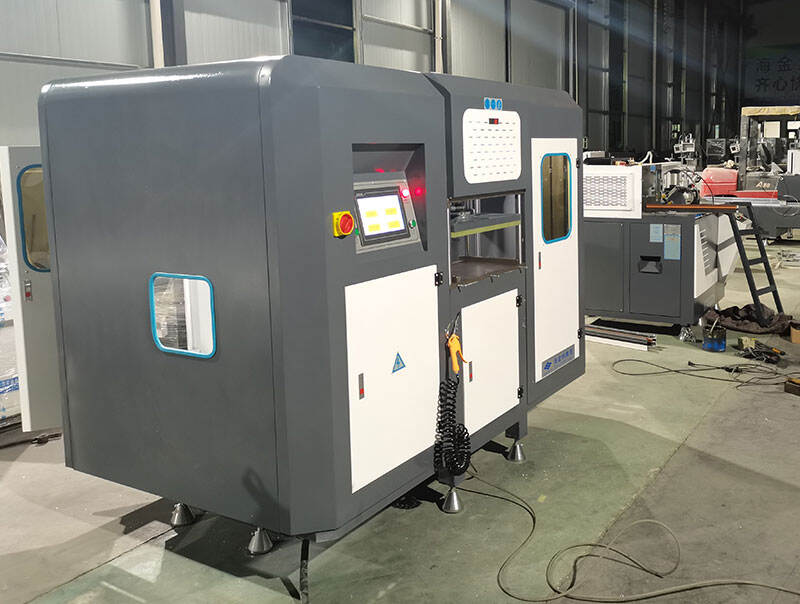
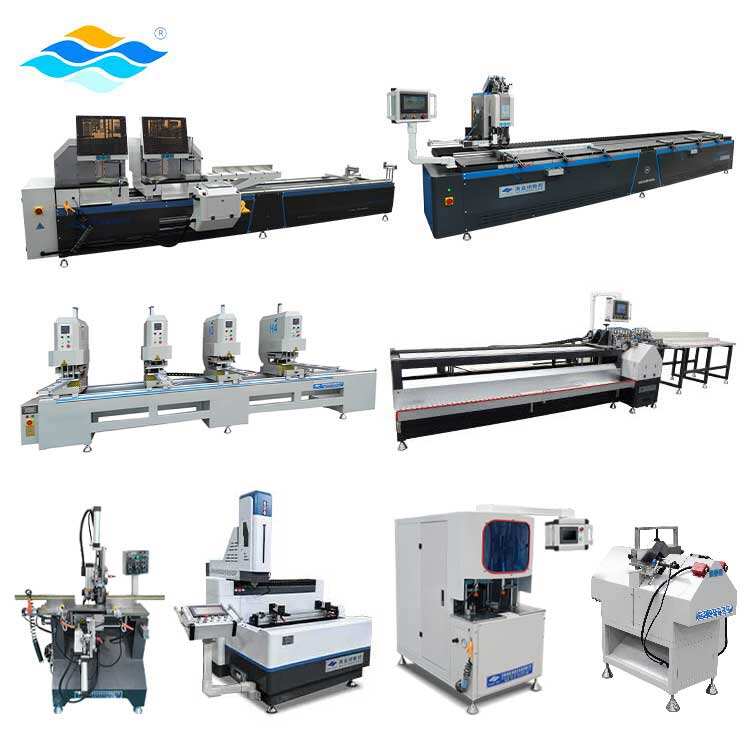
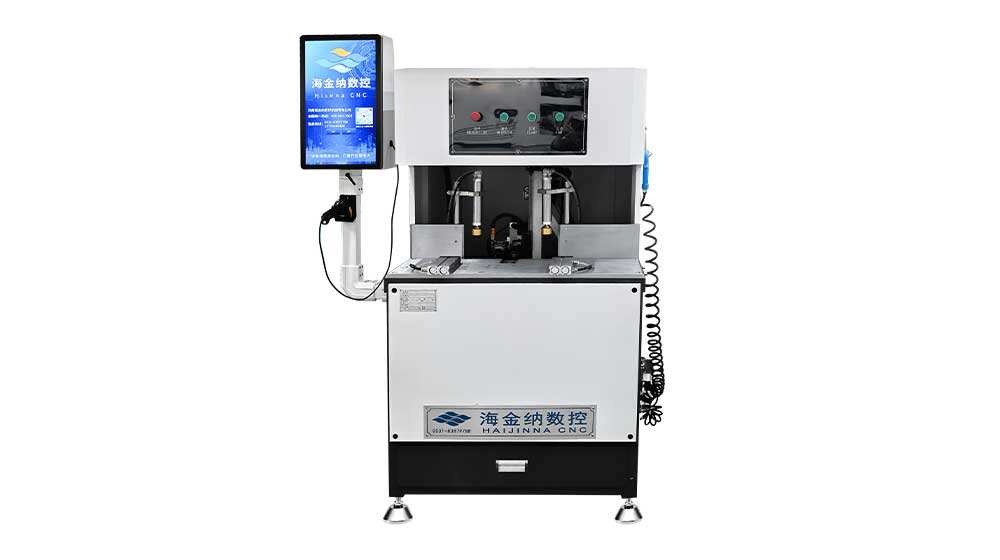
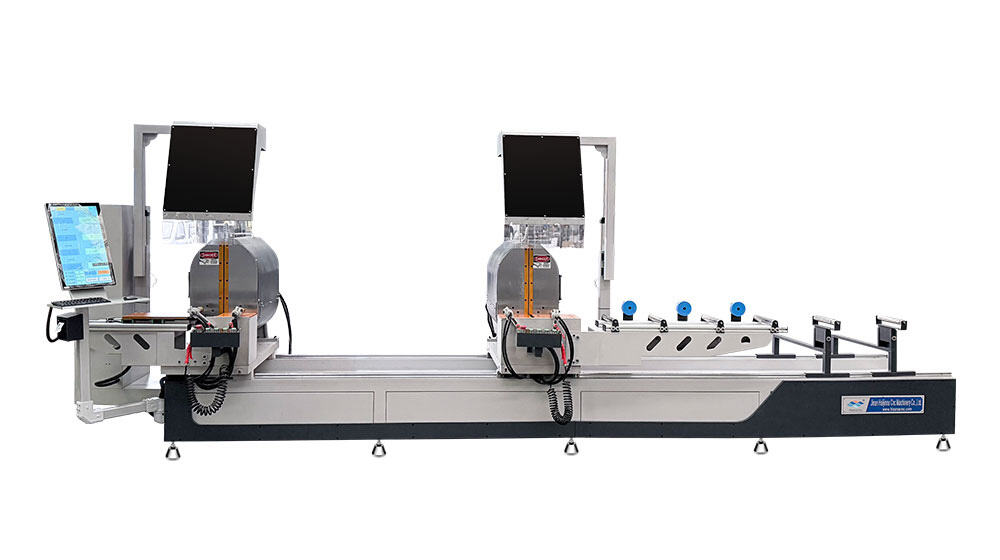
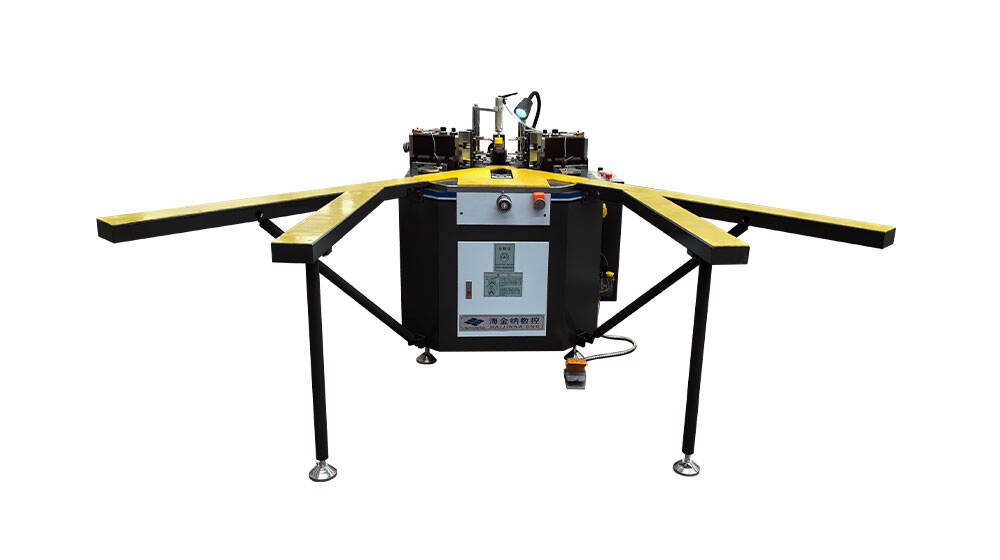
A pvc window welding machine represents essential manufacturing equipment designed specifically for joining PVC profile sections to create complete window and door frames. This specialized apparatus uses precisely controlled heat and pressure to fuse PVC materials at their corner joints, creating seamless, durable connections that ensure structural integrity and weather resistance. The pvc window welding machine operates by heating the profile ends to their melting point, then pressing them together under controlled force to form a molecular bond that rivals the strength of the original material. Modern pvc window welding machines incorporate advanced heating elements, typically using hot plates or heating irons made from high-quality materials that distribute temperature evenly across the welding surface. These machines feature adjustable temperature controls, pressure settings, and timing mechanisms that allow operators to customize the welding process according to specific profile dimensions and PVC formulations. The equipment accommodates various window and door frame sizes, from small residential windows to large commercial installations. Technological advancements have introduced pneumatic and hydraulic systems that automate many aspects of the welding process, reducing manual labor requirements while improving consistency and quality. Digital displays and programmable controllers enable precise parameter adjustments, ensuring optimal welding conditions for different profile types. The pvc window welding machine finds extensive application in window manufacturing facilities, door production plants, and construction companies that fabricate their own PVC fenestration products. These machines serve both small-scale workshops producing custom windows and large industrial operations manufacturing thousands of units daily. The versatility of modern pvc window welding machines extends beyond standard rectangular frames, as many models can handle complex geometries including arched windows, bay windows, and specialty architectural designs. Safety features such as protective guards, emergency stop mechanisms, and thermal insulation protect operators during the welding process. The reliability and precision offered by quality pvc window welding machines directly impact the final product quality, affecting factors like energy efficiency, water tightness, and overall window longevity.

New Products

Investing in a quality pvc window welding machine delivers numerous practical benefits that directly impact your production efficiency and bottom line. First and foremost, these machines dramatically reduce production time compared to manual joining methods. What might take hours using alternative techniques can be accomplished in minutes with proper welding equipment, allowing your facility to fulfill more orders and increase revenue potential. The speed advantage becomes particularly significant when processing large production runs, where the time savings multiply across hundreds or thousands of units. Beyond speed, the pvc window welding machine ensures consistent quality across every joint you create. Human error naturally occurs with manual processes, but automated welding systems apply the same precise temperature, pressure, and timing to each weld, eliminating variations that compromise structural integrity. This consistency means fewer defective products, reduced material waste, and lower costs associated with rework or warranty claims. Your customers receive windows that meet exact specifications every time, building trust and encouraging repeat business. The strength of welded joints surpasses mechanical fastening methods significantly. When a pvc window welding machine properly fuses two profile sections, the molecular bond created actually strengthens the corner beyond the individual components. This superior strength translates to windows that withstand harsh weather conditions, resist warping over time, and maintain their appearance for decades. Property owners appreciate products that require less maintenance and deliver long-term performance, making your windows more competitive in the marketplace. Energy efficiency represents another compelling advantage. Welded corners create seamless joints without gaps that might allow air infiltration, helping windows achieve better insulation ratings. In an era where energy costs continue rising and environmental consciousness influences purchasing decisions, offering highly efficient windows opens additional market opportunities. The equipment pays for itself through increased production capacity and reduced labor costs. While the initial investment requires capital, the operational savings accumulate quickly. One operator can manage the welding process that might otherwise require multiple workers, and the reduced cycle times mean you can produce more units with existing staff. Lower defect rates minimize material waste, and the durability of quality machines ensures years of reliable service with minimal maintenance expenses. Modern pvc window welding machines also adapt easily to different production needs. Adjustable settings accommodate various profile sizes and thicknesses, giving you flexibility to diversify your product offerings without purchasing multiple specialized machines. This versatility allows smaller manufacturers to compete effectively against larger competitors by responding quickly to custom orders and niche market demands. The professional finish achieved through proper welding equipment elevates your product appearance, making frames look cleaner and more refined than mechanically joined alternatives.

Practical Tips

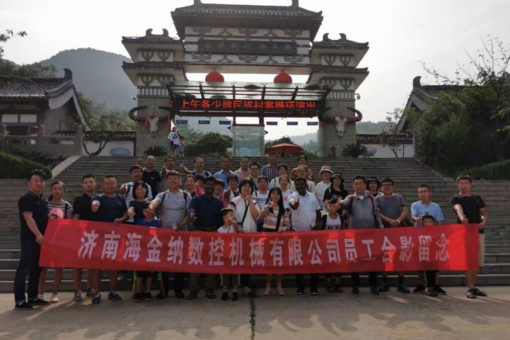
Hisena Family and Foreign Customers Explore Jinan Jiuding Tower Chinese National Joy Park, Experiencing Six Ethnic Cultures and Joy of Traditional Water Festival

30

Apr

Hisena Family and Foreign Customers Explore Jinan Jiuding Tower Chinese National Joy Park, Experiencing Six Ethnic Cultures and Joy of Traditional Water Festival

View More
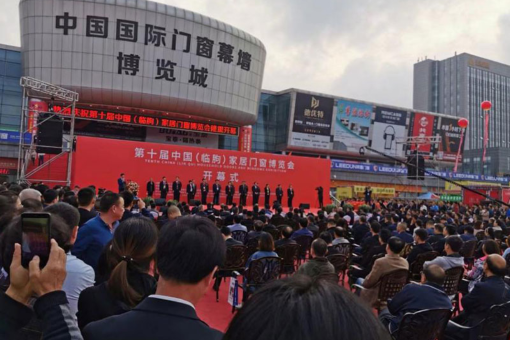
Hisena Honored to Exhibit at Linqu Window Expo in Shandong, Gathering Most Representative Domestic and International Exhibitors and Brands

30

Apr

Hisena Honored to Exhibit at Linqu Window Expo in Shandong, Gathering Most Representative Domestic and International Exhibitors and Brands

View More
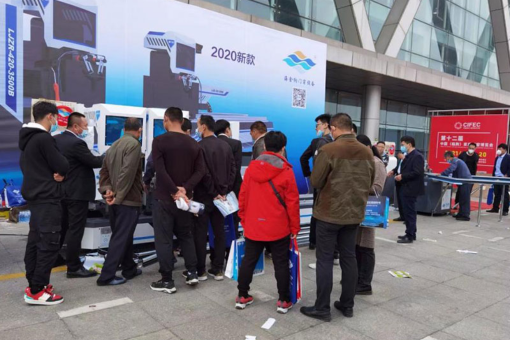
Hisena Showcases Self-Developed

30

Apr

Hisena Showcases Self-Developed "Upgraded CNC Curved High Precision Saw" at Shandong International Window and Door Curtain Wall Expo

View More
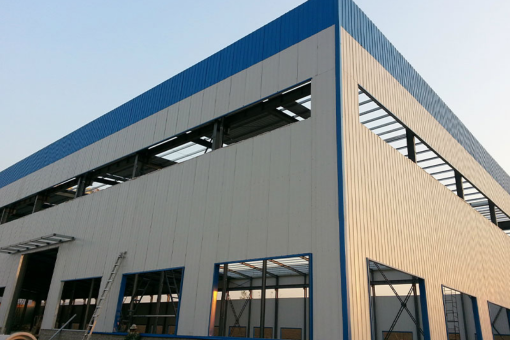
Hisena's New Factory Under Construction While Ensuring Timely Completion and Shipment of Customer Orders

30

Apr

Hisena's New Factory Under Construction While Ensuring Timely Completion and Shipment of Customer Orders

View More

Get a Free Quote

Our representative will contact you soon.
Name
Email
Telephone
Country
Company Name
Message
0/1000

pvc window welding machine

Advanced Temperature Control Technology for Perfect Welds Every Time

Advanced Temperature Control Technology for Perfect Welds Every Time

The temperature control system represents the most critical component of any pvc window welding machine, directly determining weld quality and consistency. Modern machines incorporate sophisticated heating technology that maintains precise thermal conditions throughout the entire welding cycle, ensuring optimal material fusion without degradation. The heating elements, typically constructed from specialized alloys or ceramic materials, distribute warmth evenly across the welding surface, eliminating hot spots that could cause uneven melting or material damage. Advanced pvc window welding machines feature digital temperature controllers with accuracy within one or two degrees, allowing operators to set exact heating parameters based on specific PVC formulations. Different manufacturers use varying PVC compounds, and even seasonal temperature changes can affect material properties, making this adjustability essential for maintaining quality standards. The control systems continuously monitor actual temperatures through integrated sensors, automatically adjusting power output to compensate for thermal drift or environmental variations. This closed-loop feedback mechanism ensures that temperature remains constant regardless of how many welds you perform consecutively. The practical benefits of superior temperature control extend throughout your operation. Properly heated PVC melts uniformly, creating molecular bonds that fully integrate the joined profiles without creating weak points or voids. Overheating causes material degradation, releasing potentially harmful fumes and creating brittle joints that fail prematurely. Underheating produces incomplete fusion where profiles appear joined but lack sufficient bonding strength, resulting in corners that separate under stress. Achieving the perfect temperature balance consistently distinguishes professional-grade equipment from basic models. Many advanced pvc window welding machines now incorporate programmable memory functions that store optimal settings for different profile types. Operators can recall these saved parameters instantly when switching between product lines, eliminating guesswork and reducing setup time. This feature proves invaluable for facilities that manufacture diverse window styles or work with multiple PVC suppliers. The temperature control system also includes safety interlocks that prevent operation until heating elements reach appropriate temperatures, protecting both operators and materials from damage caused by premature welding attempts. Rapid heating capabilities minimize downtime between welds, with modern machines reaching operating temperature in just minutes rather than the extended warm-up periods required by older equipment. Energy-efficient heating elements reduce electricity consumption while delivering superior performance, contributing to lower operational costs and environmental sustainability. The investment in advanced temperature control technology pays dividends through improved weld quality, reduced defect rates, and enhanced production efficiency that keeps your facility competitive in demanding markets.
Precision Pneumatic Pressure Systems for Consistent Joint Strength

Precision Pneumatic Pressure Systems for Consistent Joint Strength

The pressure application system in a pvc window welding machine determines how effectively heated profile sections bond together, making it equally important as temperature control for achieving superior results. Modern equipment utilizes pneumatic or hydraulic systems that deliver precise, controlled force during the critical fusion phase when molten PVC materials merge at molecular level. These systems apply pressure gradually and evenly, avoiding shock loading that might displace molten material or create internal stresses within the joint. Pneumatic cylinders, powered by compressed air supplies, offer excellent control characteristics with infinitely variable force adjustment across a wide operating range. Operators can fine-tune pressure settings to match specific profile geometries, wall thicknesses, and PVC formulations, ensuring optimal bonding regardless of product variations. The pvc window welding machine monitors pressure continuously through integrated sensors, maintaining consistent force throughout the entire cooling cycle. This sustained pressure proves critical because PVC materials must remain under compression as they solidify to achieve maximum bond strength and prevent void formation. Advanced machines feature programmable pressure profiles that automatically adjust force levels during different welding phases. Initial contact pressure might be lower to allow proper material flow, then increase as fusion progresses, and finally maintain holding pressure during cooling. These sophisticated sequences optimize material behavior and joint quality beyond what simple constant-pressure systems can achieve. The mechanical design of pressure systems includes precision-machined components and high-quality seals that maintain accurate force delivery over thousands of cycles. Regular maintenance requirements remain minimal, typically involving periodic seal inspections and air filter changes, keeping your pvc window welding machine operational with little downtime. Safety features integral to pressure systems protect operators from accidental contact with moving components during the welding cycle. Guards, interlocks, and emergency stop controls ensure that pressure applies only when profiles are properly positioned and operator hands remain clear of danger zones. The consistent pressure delivery provided by quality pneumatic systems directly impacts your production quality metrics. Uniform joint strength across all welded corners means windows perform reliably in field installations, resisting mechanical stresses, temperature cycling, and structural loads without failure. This reliability reduces warranty claims and builds your reputation for quality craftsmanship. The speed at which pneumatic systems operate also contributes to overall production efficiency, with rapid actuation and release cycles minimizing the time each frame spends in the welding station. When combined with advanced temperature control, precision pressure systems enable your pvc window welding machine to produce joints that meet or exceed industry standards for strength, appearance, and durability, giving your products competitive advantages in quality-conscious markets.
User-Friendly Digital Interface with Production Tracking Capabilities

User-Friendly Digital Interface with Production Tracking Capabilities

The control interface of a pvc window welding machine serves as the command center where operators interact with complex welding systems, and modern digital displays have revolutionized how these machines function in production environments. Contemporary equipment features intuitive touchscreen interfaces that present all critical information at a glance while providing easy access to adjustment controls and operational parameters. These digital systems replace confusing arrays of mechanical switches and analog gauges, reducing training time for new operators and minimizing errors caused by misreading instruments or accidentally adjusting wrong settings. The graphical interface guides users through welding sequences step by step, displaying current temperature readings, pressure levels, timing progress, and cycle completion status in clear, easy-to-understand formats. Operators can quickly verify that all parameters fall within acceptable ranges before initiating each weld, catching potential problems before they affect product quality. Advanced pvc window welding machines incorporate production tracking features that record detailed information about every weld performed, creating valuable data for quality control and process optimization. The system logs temperatures achieved, pressures applied, cycle durations, and operator identifications, building comprehensive records that help identify trends, diagnose problems, and verify compliance with manufacturing standards. This data proves invaluable when investigating quality issues or responding to customer concerns, providing objective evidence of proper procedures. Some sophisticated models include statistical process control functions that analyze production data in real-time, alerting operators when parameters drift toward specification limits before actual defects occur. This proactive monitoring enables corrective action that prevents scrap rather than merely detecting it after production. The digital interface also facilitates machine setup and changeover between different products. Recipe management systems store complete parameter sets for various profile types, allowing operators to recall appropriate settings with simple menu selections rather than manually adjusting multiple controls. This capability dramatically reduces setup time when switching production runs and ensures consistency across different shifts or operators. Maintenance reminders integrated into the control system track machine usage and alert operators when scheduled service intervals approach, helping prevent unexpected breakdowns that disrupt production schedules. Diagnostic functions assist technicians in troubleshooting problems quickly, displaying error codes and suggesting corrective actions that minimize repair time. Network connectivity available on many modern pvc window welding machines enables integration with broader manufacturing execution systems, allowing production managers to monitor equipment status, track output, and analyze efficiency from central locations. This connectivity supports data-driven decision making and continuous improvement initiatives that optimize overall facility performance. The user-friendly nature of digital interfaces reduces operator fatigue during long production runs, as clear displays and logical control layouts minimize mental effort required to manage the welding process. Comfortable, efficient operation translates to higher productivity and better quality as operators remain focused and attentive throughout their shifts. Investment in equipment featuring advanced digital control systems positions your operation at the forefront of manufacturing technology, delivering immediate benefits through improved quality and efficiency while providing a foundation for future smart factory initiatives.

Get a Free Quote

Our representative will contact you soon.
Name
Email
Telephone
Country
Company Name
Message
0/1000