CNC Drill Mill Machines: Precision Multi-Axis Manufacturing Solutions for Modern Production

Get a Free Quote

Our representative will contact you soon.
Name
Email
Telephone
Country
Company Name
Message
0/1000

cnc drill mill

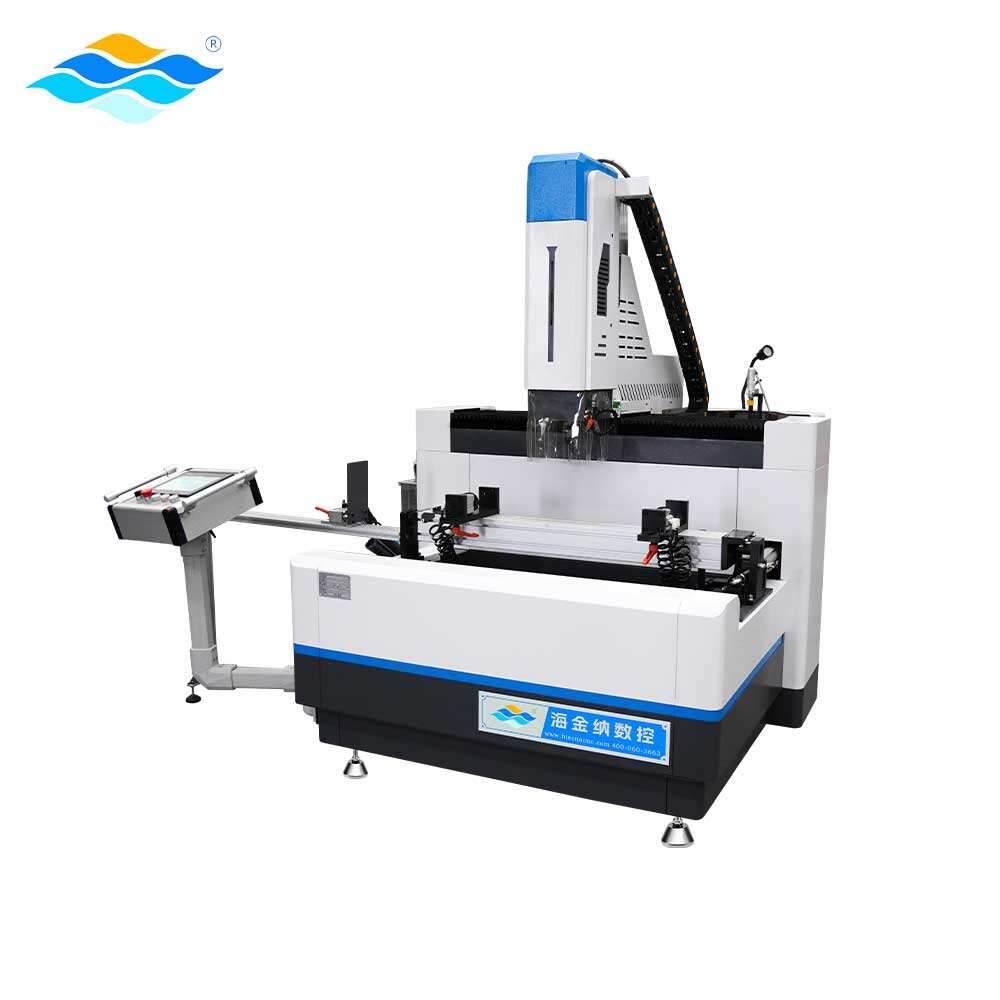
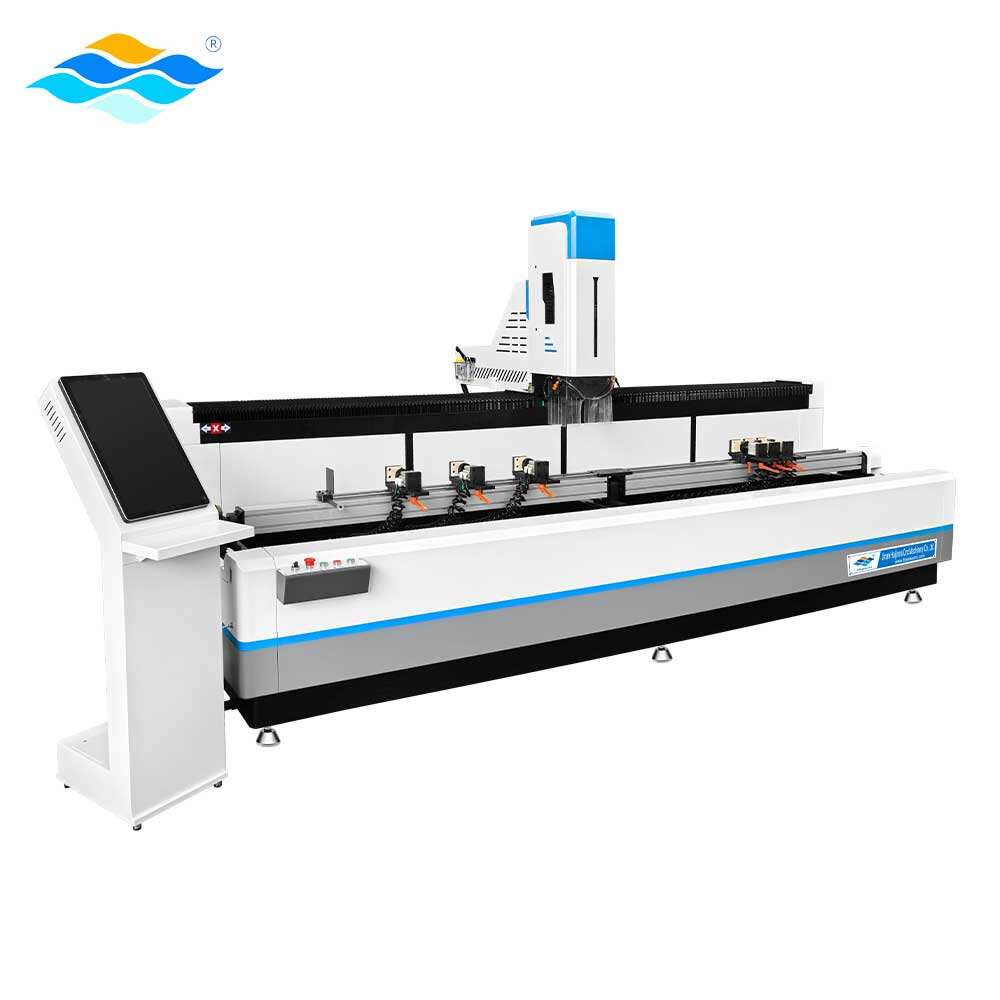
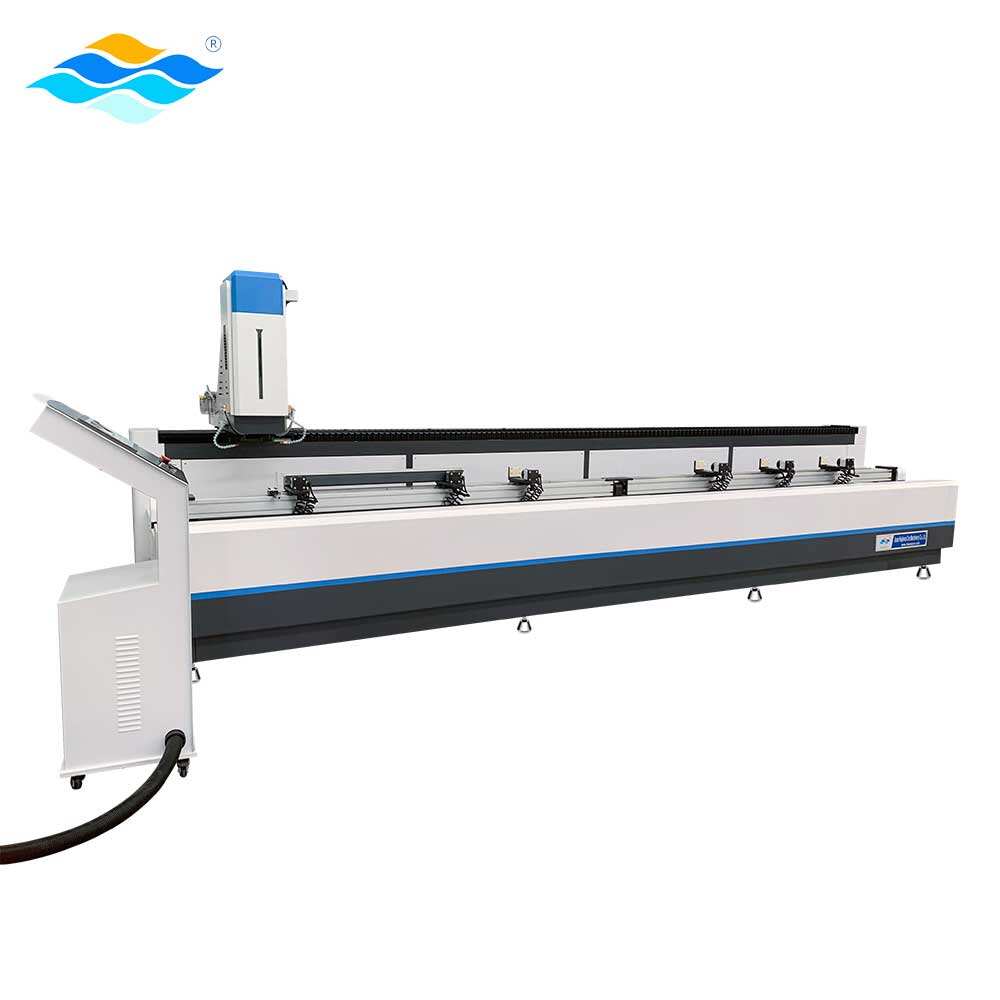
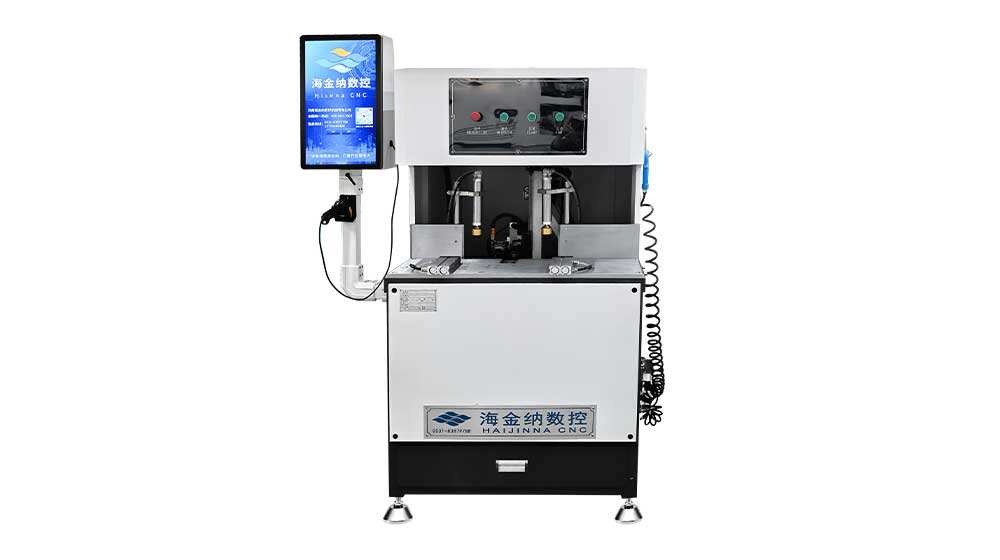
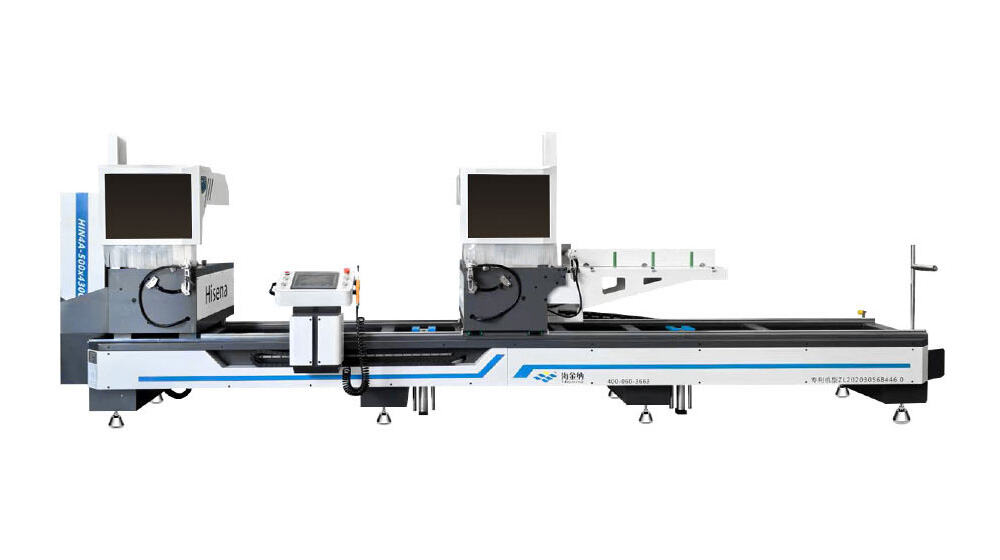
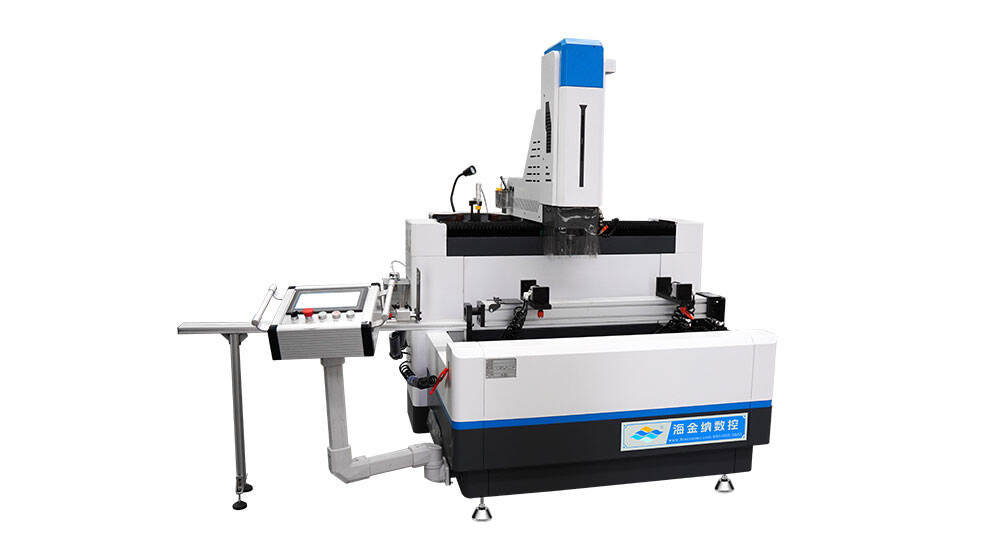
A CNC drill mill represents a sophisticated manufacturing solution that combines drilling and milling capabilities into one versatile machine tool. This advanced equipment utilizes computer numerical control technology to execute precise operations on various materials including metals, plastics, and composites. The CNC drill mill operates through programmed instructions that guide the cutting tools along multiple axes, typically three to five, enabling complex geometric patterns and detailed workpiece fabrication. The primary functions encompass drilling holes with exact depth specifications, creating threaded connections, surface milling, contouring, slotting, and face milling operations. Modern CNC drill mill systems integrate sophisticated servo motors, linear guides, and ball screws to achieve exceptional positioning accuracy and repeatability. The technological features include automatic tool changing systems that accommodate multiple cutting implements, advanced spindle designs capable of variable speed control ranging from hundreds to thousands of revolutions per minute, and coolant delivery systems that maintain optimal cutting temperatures. Digital control panels equipped with intuitive interfaces allow operators to input programming commands, monitor real-time machining progress, and adjust parameters during operation. These machines find extensive applications across aerospace manufacturing where precision component fabrication is critical, automotive production facilities creating engine blocks and transmission housings, medical device manufacturing requiring intricate surgical instruments, electronics industries producing circuit board components, and general metalworking shops handling custom fabrication projects. The CNC drill mill excels in prototype development, small batch production runs, and high-volume manufacturing scenarios. Tool path simulation software integrated within control systems enables operators to visualize machining sequences before actual cutting begins, preventing costly errors and material waste. Rigid construction using cast iron or welded steel frames ensures vibration dampening during heavy cutting operations, while precision ground ways and hardened guideway surfaces guarantee long-term accuracy retention throughout the machine's operational lifespan.

New Product Recommendations

The CNC drill mill delivers transformative benefits that directly impact your manufacturing efficiency and bottom line performance. First, this machine dramatically reduces production time by performing multiple operations without requiring workpiece repositioning between different machines. You complete drilling, tapping, and milling tasks in one setup, eliminating the delays associated with moving parts between separate equipment stations. This streamlined workflow means you finish projects faster and accept more orders with existing resources. Second, the precision achieved through computer control surpasses manual machining by significant margins. Your finished products exhibit consistent dimensional accuracy within tolerances of thousandths of an inch, reducing rejection rates and rework expenses. This reliability builds customer confidence and strengthens your reputation for quality delivery. Third, labor costs decrease substantially because one trained operator manages the entire machining process through programming rather than manual manipulation. Your skilled workers focus on optimizing programs and quality verification instead of repetitive physical tasks, allowing you to allocate human resources more strategically. Fourth, material waste drops considerably as the machine follows optimized tool paths that maximize raw material utilization. The precision cutting reduces scrap generation, directly lowering your material procurement costs and environmental disposal expenses. Fifth, flexibility becomes a competitive advantage when market demands shift. You quickly reprogram the CNC drill mill to produce different components without expensive retooling or lengthy changeover procedures. This adaptability lets you respond to custom orders and design modifications with minimal disruption to production schedules. Sixth, safety improves markedly compared to conventional machining methods. Operators work from protected control stations away from spinning tools and flying chips, reducing workplace injury risks and associated insurance costs. Seventh, the machine maintains consistent performance across extended production runs without fatigue-related errors that affect manual operations. Night shift and weekend production becomes viable with minimal supervision, effectively expanding your manufacturing capacity without proportional increases in facility size. Eighth, documentation and traceability strengthen quality assurance programs. The machine stores program files and operational parameters, creating verifiable records for each production batch. This capability proves invaluable for industries requiring certification compliance and audit trails. Finally, the initial investment in a CNC drill mill generates measurable returns through increased throughput, reduced error rates, lower labor requirements, and enhanced capability to serve demanding market segments that value precision manufacturing excellence.

Latest News

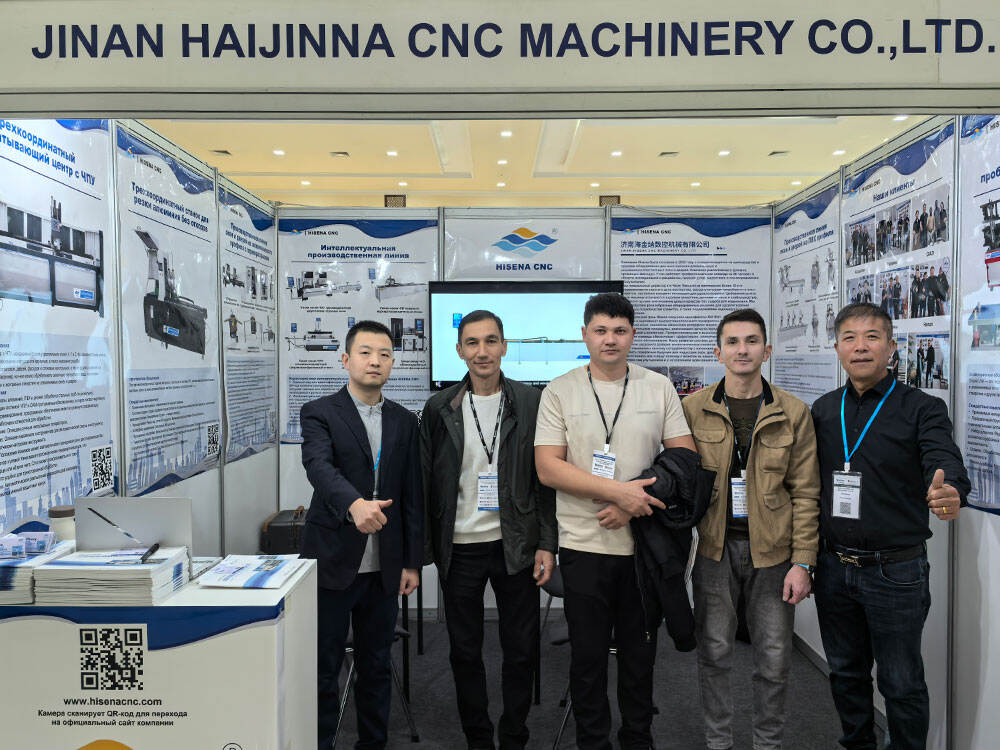
Hisena participated in the International Glass, Door, Window, and Aluminum Exhibition in Uzbekistan

30

Apr

Hisena participated in the International Glass, Door, Window, and Aluminum Exhibition in Uzbekistan

View More
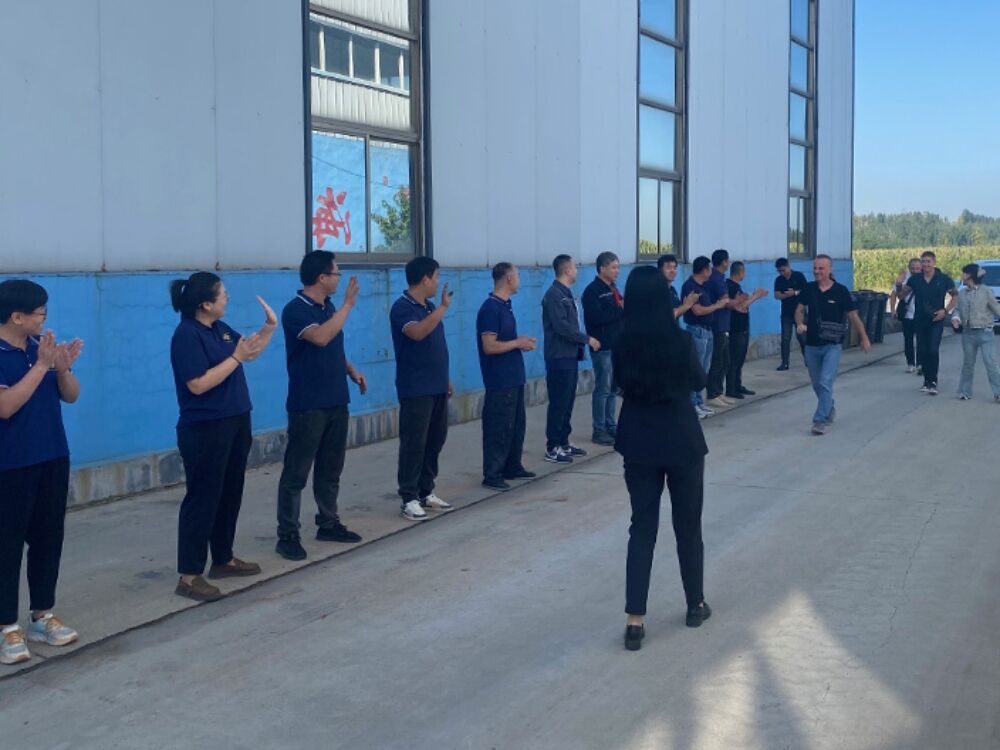
Foreign Clients Drop by HISENA Factory for Hands-On Equipment Training & Tech Chat

30

Apr

Foreign Clients Drop by HISENA Factory for Hands-On Equipment Training & Tech Chat

View More
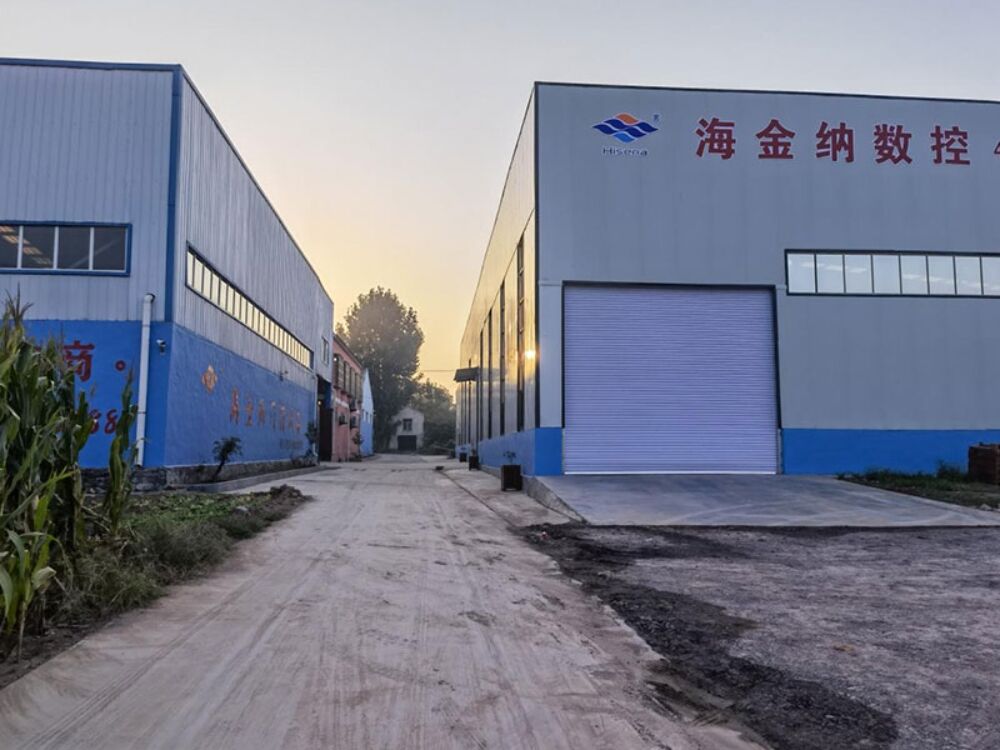
Hisena Moves to a New Factory!

30

Apr

Hisena Moves to a New Factory!

View More
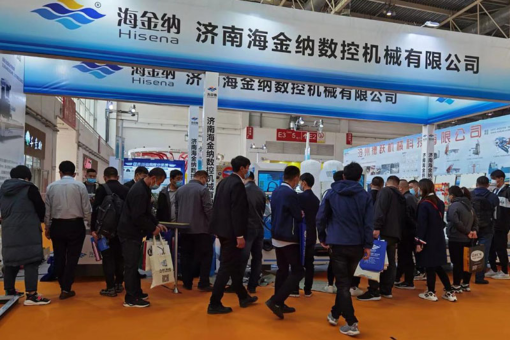
Hisena Exhibits in Beijing, Equipment Highly Popular Among Customers

30

Apr

Hisena Exhibits in Beijing, Equipment Highly Popular Among Customers

View More

Get a Free Quote

Our representative will contact you soon.
Name
Email
Telephone
Country
Company Name
Message
0/1000

cnc drill mill

Exceptional Multi-Axis Precision Engineering Capabilities

Exceptional Multi-Axis Precision Engineering Capabilities

The CNC drill mill distinguishes itself through remarkable multi-axis precision engineering that fundamentally transforms what manufacturers can achieve in single-setup operations. Unlike conventional drilling or milling equipment that operates on limited axes, advanced CNC drill mill configurations provide simultaneous control across three, four, or five axes of movement. This multi-directional capability enables the creation of complex geometries, angled holes, curved surfaces, and intricate three-dimensional features that would require multiple machine setups or prove impossible with traditional methods. The X, Y, and Z linear axes control horizontal, vertical, and depth movements respectively, while rotational axes designated as A and B add tilting and rotating motions that position workpieces at compound angles. This comprehensive motion control system allows you to machine undercuts, produce components with features on multiple faces, and create parts requiring varied approach angles without manual repositioning. The precision stems from closed-loop feedback systems where linear encoders constantly monitor actual tool position and compare it against programmed coordinates, making instantaneous micro-adjustments that maintain accuracy within 0.0001 inch tolerances. High-resolution ball screws convert rotary motor motion into linear travel with minimal backlash, ensuring reversible movements achieve identical positioning. Thermal compensation algorithms account for dimensional changes as the machine warms during operation, automatically adjusting coordinates to maintain specified dimensions regardless of temperature fluctuations. The rigid construction incorporating reinforced casting and precision-ground ways resists deflection under cutting forces, preserving geometric accuracy even during aggressive material removal. Sophisticated vibration dampening through optimized frame geometry and strategic mass placement minimizes resonance that could compromise surface finish quality. Spindle designs utilizing ceramic bearings and balanced tool holders maintain rotational accuracy at speeds exceeding twenty thousand revolutions per minute. This combination of structural integrity, motion control sophistication, and thermal stability delivers the consistent precision that demanding applications require, whether you manufacture aerospace components with critical tolerances, medical implants requiring biocompatible surface finishes, or automotive parts needing reliable fitment across thousands of assemblies.
Intelligent Automation Reducing Operational Complexity

Intelligent Automation Reducing Operational Complexity

Modern CNC drill mill systems incorporate intelligent automation features that dramatically simplify operations while expanding what less-experienced personnel can accomplish effectively. The cornerstone of this automation resides in conversational programming interfaces that translate machining intentions into executable code without requiring mastery of complex G-code syntax. Operators select desired operations from graphical menus, specify dimensions through simple parameter entry, and the control system automatically generates optimized tool paths complete with appropriate feed rates, spindle speeds, and approach strategies. This accessibility democratizes precision machining, allowing your workforce to become productive quickly without extensive programming training. Automatic tool measurement systems using probe technology verify cutting tool dimensions before machining begins, automatically offsetting program coordinates to compensate for tool length variations or wear. This capability eliminates manual tool presetting procedures and the errors they introduce, while enabling mid-production tool changes that maintain dimensional accuracy without operator intervention. Adaptive feed control monitors cutting forces in real-time through spindle load sensors, automatically adjusting feed rates when encountering material hardness variations or unexpected conditions. This intelligent response prevents tool breakage, reduces wear, and maintains optimal cutting efficiency across different materials without constant manual oversight. Tool life management systems track accumulated cutting time and distances for each implement, alerting operators when replacement becomes necessary and preventing catastrophic failures during production. Collision detection algorithms continuously evaluate the spatial relationship between cutting tools, workpiece geometry, and fixture components, halting operations before crashes occur. Simulation capabilities render complete machining sequences visually, revealing potential problems before any cutting begins and providing confidence that programs will execute safely. In-process measurement using touch probes allows the machine to verify critical dimensions during machining cycles, automatically adjusting subsequent operations if variations appear. These intelligent automation elements work synergistically to reduce the cognitive burden on operators, minimize the consequences of inexperience, and create a more forgiving manufacturing environment where quality remains consistent despite variations in operator skill levels or attention spans.
Versatile Material Processing Across Industries

Versatile Material Processing Across Industries

The CNC drill mill demonstrates exceptional versatility in processing diverse materials across numerous industrial applications, making it an invaluable asset for manufacturers serving multiple market segments or adapting to changing customer requirements. This machine confidently handles ferrous metals including various steel alloys from mild carbon grades to hardened tool steels, stainless steel variants resistant to corrosion, and cast iron components. Non-ferrous metals process equally well, encompassing aluminum alloys prized for aerospace lightweighting, brass and bronze for decorative and bearing applications, copper for electrical components, and titanium alloys demanded by medical and aerospace sectors. Engineering plastics including acetal, nylon, polycarbonate, and PEEK machine cleanly for applications requiring electrical insulation, chemical resistance, or weight reduction. Composite materials combining fiber reinforcement with polymer matrices yield to specialized cutting strategies that prevent delamination. This material flexibility proves particularly valuable for job shops and contract manufacturers who encounter varied specifications across different projects. The machine adapts to each material's unique characteristics through programmable parameter adjustments. Spindle speeds increase dramatically for aluminum to achieve optimal chip formation while decreasing for titanium to manage heat generation. Feed rates modulate according to material hardness and desired surface finish. Coolant delivery strategies vary from flood cooling for steel machining to mist lubrication for aluminum or dry cutting for certain plastics. Tool selection optimizes performance, with carbide inserts handling abrasive materials, high-speed steel tools providing economy for softer substrates, and diamond-coated implements extending life in composite machining. This adaptability extends beyond material types to encompass component sizes ranging from miniature medical device elements measuring fractions of an inch to substantial automotive castings weighing hundreds of pounds, depending on the specific CNC drill mill configuration selected. The machine accommodates varying production volumes equally well, efficiently producing single prototypes through program flexibility, economically manufacturing medium batches through reduced setup times, and reliably executing high-volume runs through consistent repeatability. Industries benefiting from this versatility include aerospace component fabrication requiring exotic alloy processing, automotive manufacturing spanning cast iron engine blocks to aluminum suspension components, medical device production demanding biocompatible titanium implants, electronics manufacturing creating precise circuit board features, energy sector applications machining turbine components, defense contractors producing weapon system elements, and general fabrication shops serving diverse local industrial customers with unpredictable material requirements.
Get a Free Quote

Our representative will contact you soon.
Name
Email
Telephone
Country
Company Name
Message
0/1000