Versatility and Adaptability Across Profile Types
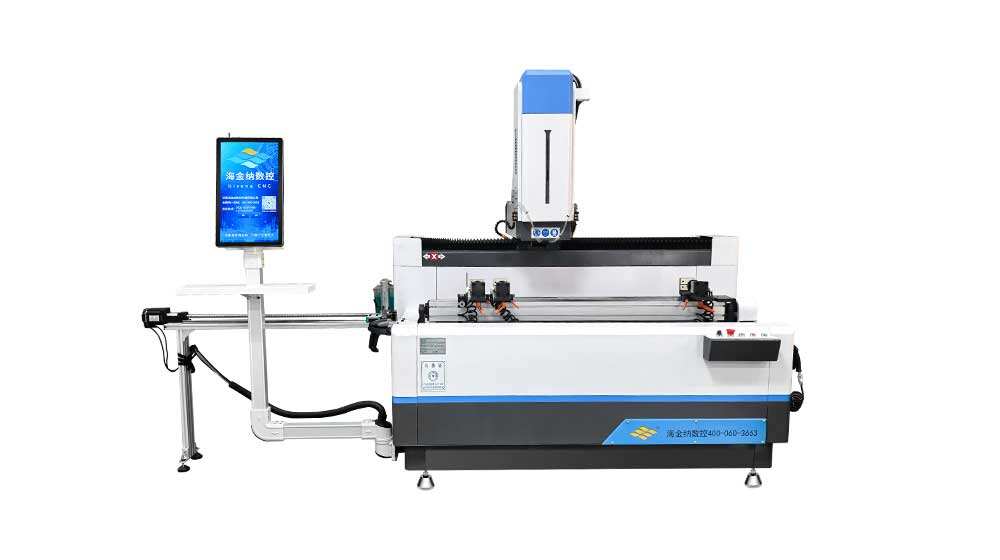
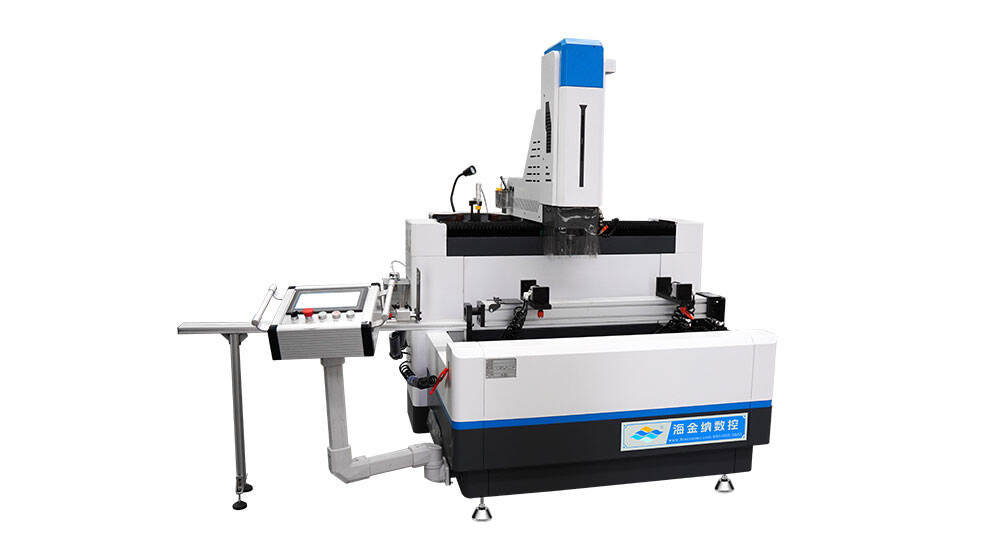
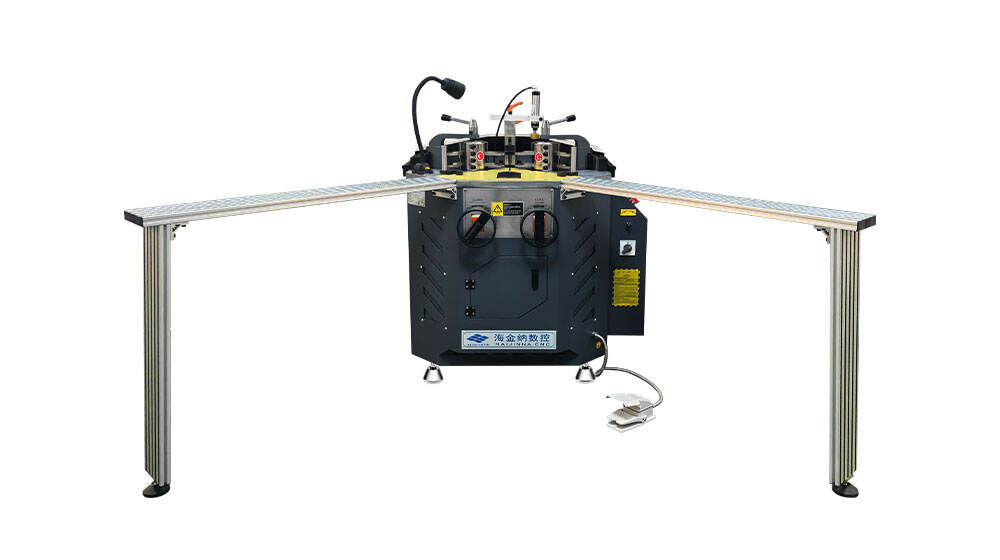
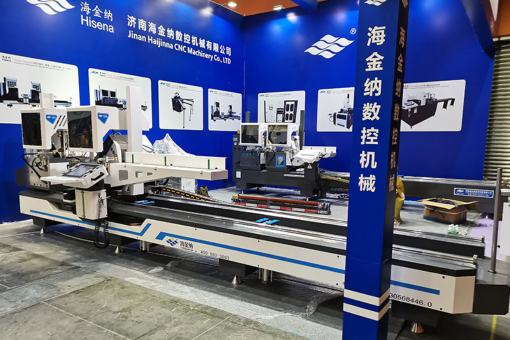
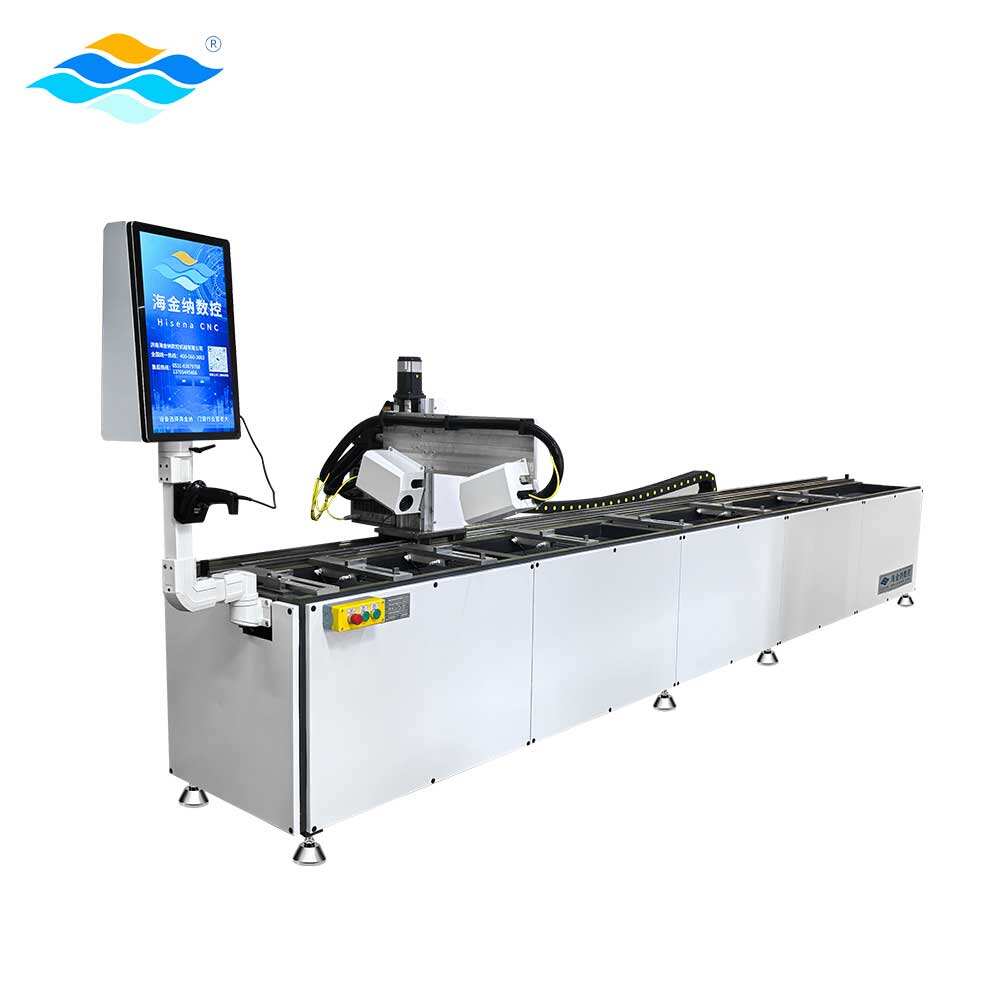
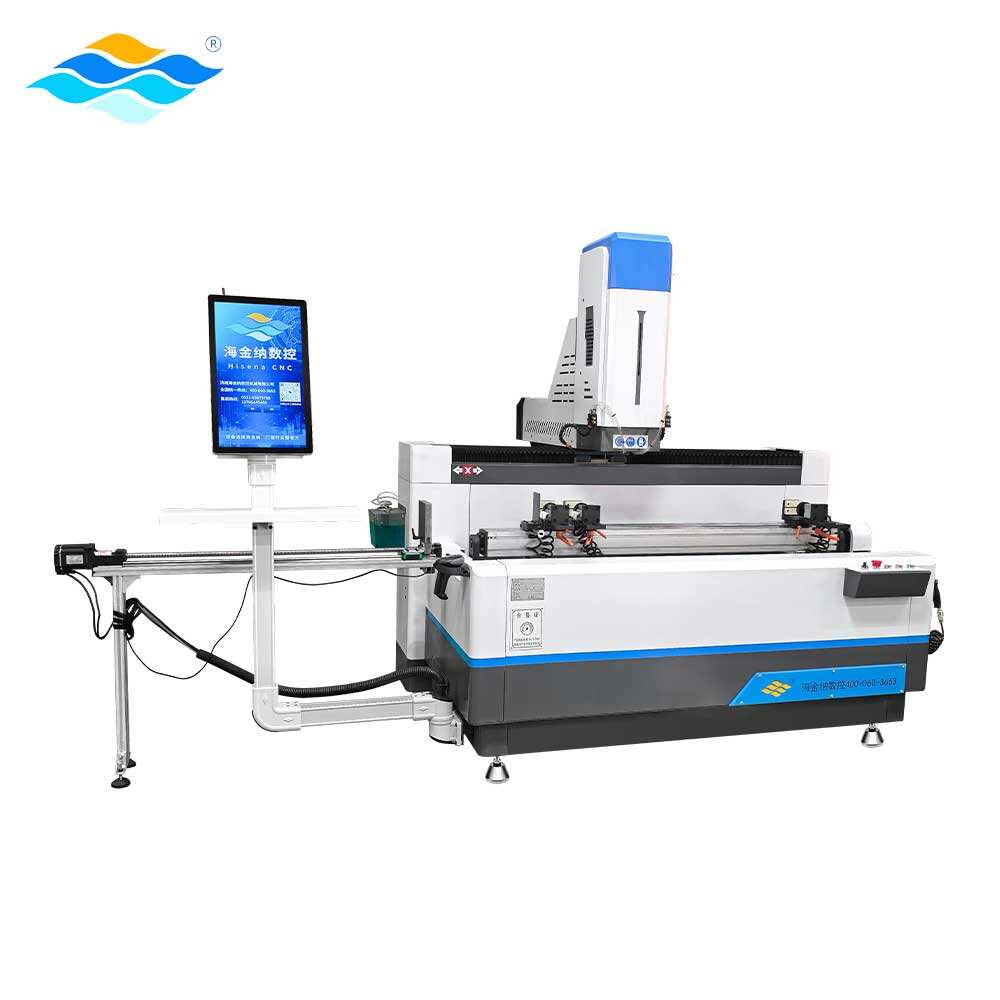
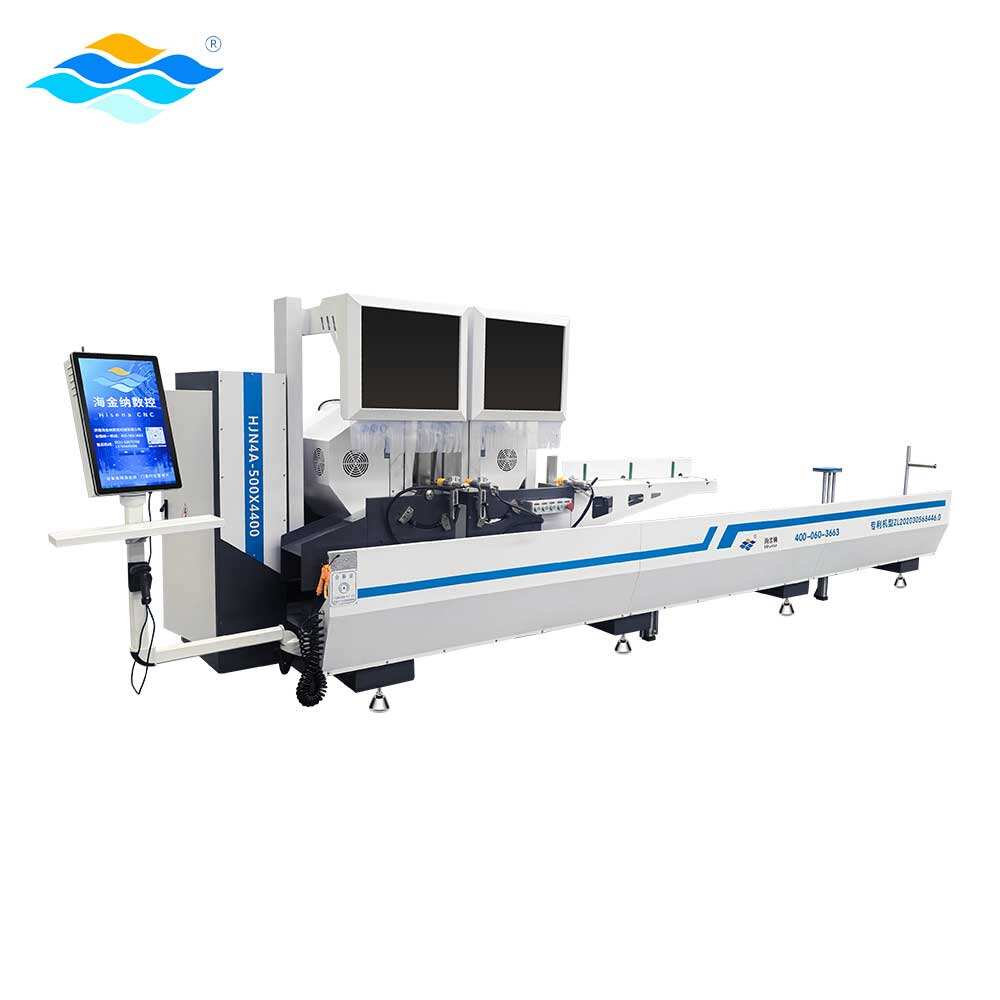
Modern manufacturing demands flexibility, and the aluminium window crimping machine delivers adaptability that allows fabricators to serve diverse market segments without maintaining extensive equipment inventories. The adjustable nature of these machines accommodates various aluminium profile dimensions, wall thicknesses, and design geometries, enabling you to switch between residential window production, commercial storefront systems, and specialty architectural applications with minimal downtime. This versatility proves particularly valuable for regional fabricators serving multiple customer types, from individual homeowners seeking replacement windows to contractors managing large-scale commercial developments. The adjustment mechanisms built into quality crimping equipment allow operators to modify working heights, die configurations, and pressure parameters to match specific profile requirements. This adaptability means your investment in an aluminium window crimping machine protects against market shifts that might otherwise strand you with obsolete specialized equipment. As architectural trends evolve and new profile designs enter the market, your existing machine can often accommodate these changes through simple die replacements or setting adjustments rather than requiring complete equipment replacement. The ability to process both standard rectangular profiles and specialty shapes like trapezoids or angular designs expands your product offering capabilities, allowing you to bid on diverse projects that competitors with less flexible equipment must decline. Some advanced models offer programmable control systems that store settings for different profile types, enabling quick changeovers that maintain production momentum when switching between job orders. This programmability reduces the skill level required for adjustments while ensuring consistency across production runs. The aluminium window crimping machine can typically handle various aluminium alloys and tempers, providing further flexibility as material specifications vary between applications or as suppliers change. This material compatibility prevents the frustration of discovering that a particular profile grade requires different equipment, protecting production schedules from unexpected disruptions. Frame size versatility also characterizes quality machines, with working envelopes that accommodate everything from small residential windows to expansive commercial units within a single equipment footprint. This size range eliminates the need for separate small-format and large-format crimping stations, consolidating capital investment while simplifying operator training and maintenance procedures. The physical footprint efficiency of modern designs allows even space-constrained facilities to incorporate this capability, as manufacturers have engineered compact configurations that deliver full functionality without requiring extensive floor space. This space efficiency becomes particularly important for urban fabrication shops or existing facilities adding capacity within current building constraints. The aluminium window crimping machine ultimately represents a platform technology that grows with your business, supporting initial production needs while scaling to accommodate future expansion without becoming obsolete as your capabilities and market reach develop over time.
 ×
×

 EN
EN