Professional Aluminium Window Fabrication Machines - Precision Manufacturing Equipment for Window Production

Get a Free Quote

Our representative will contact you soon.
Name
Email
Telephone
Country
Company Name
Message
0/1000

aluminium window fabrication machines

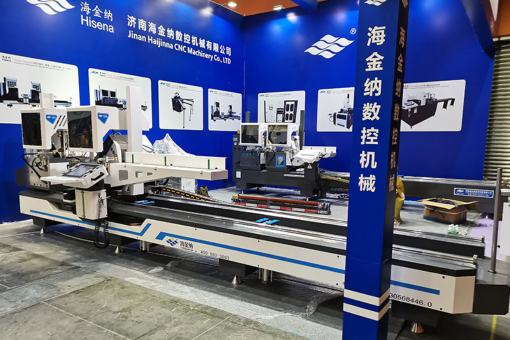
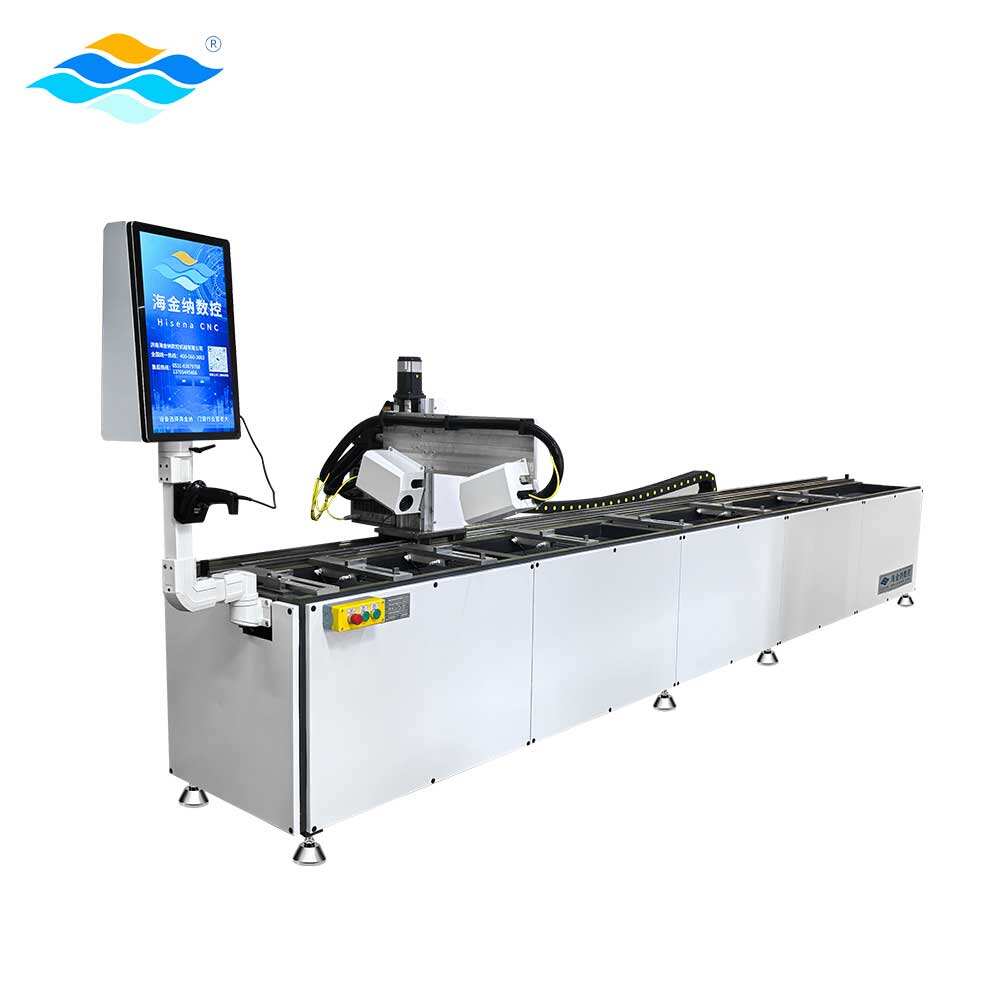
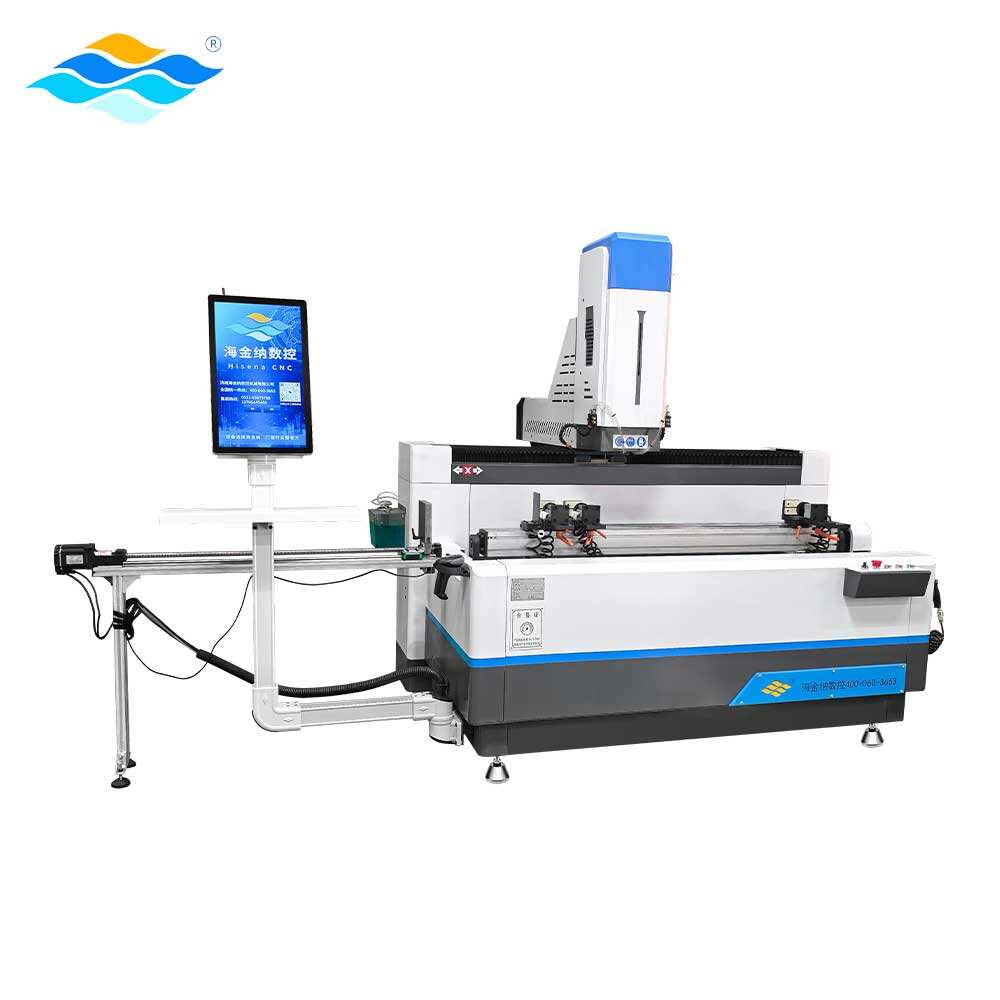
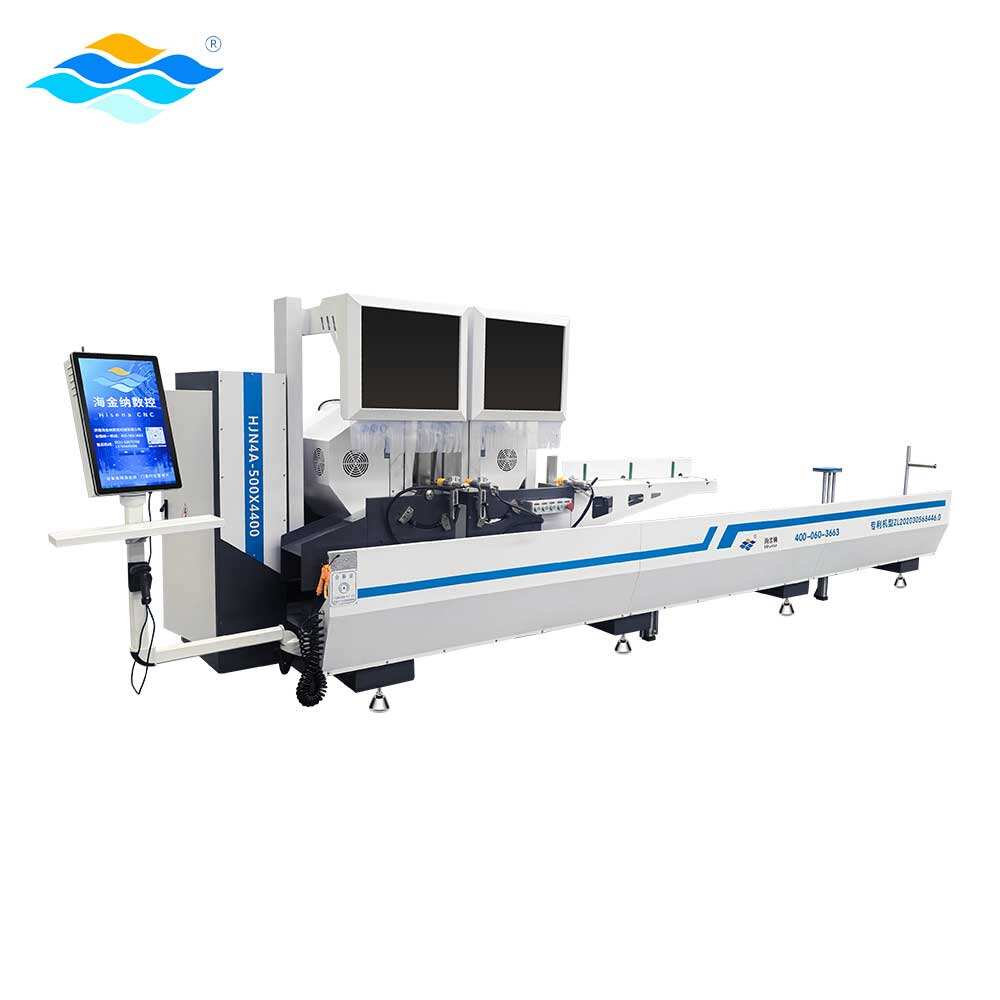
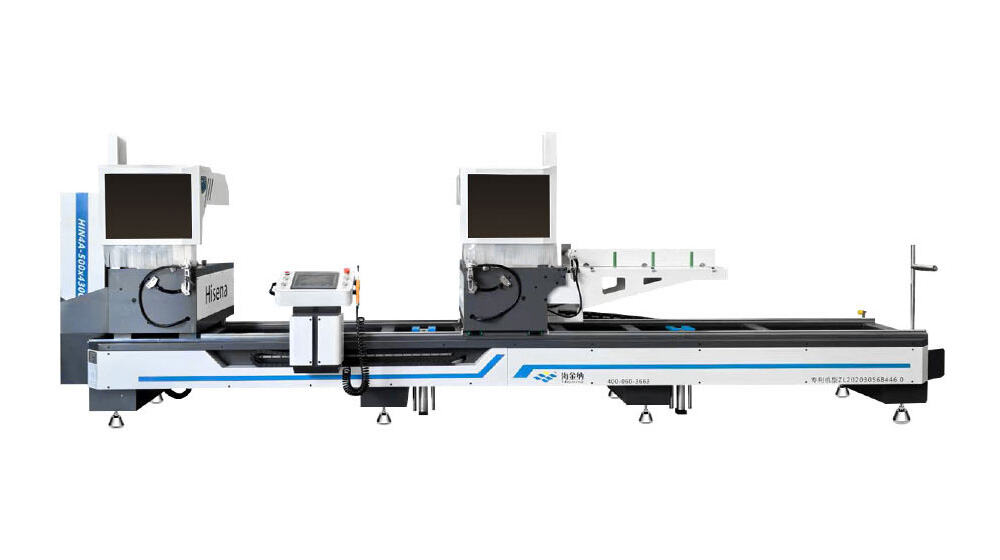
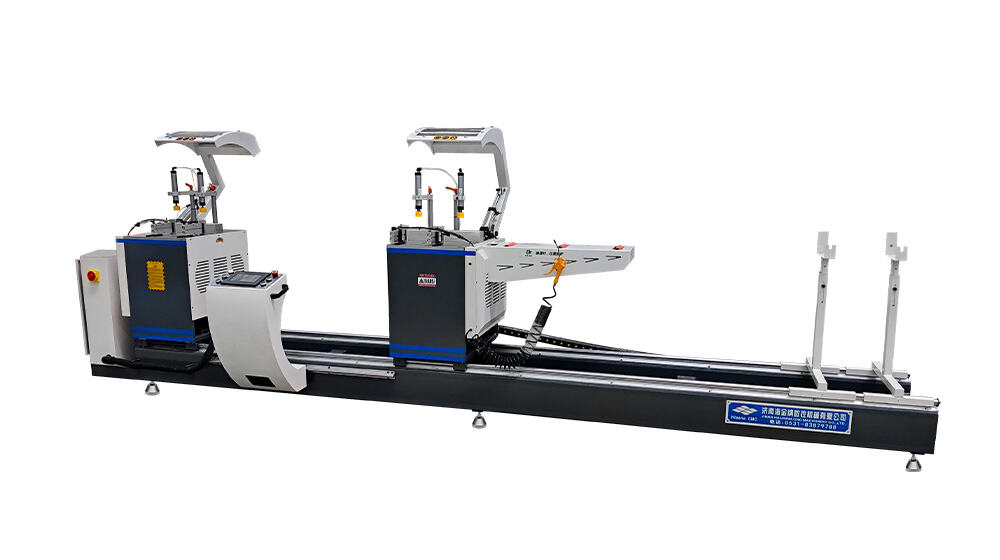
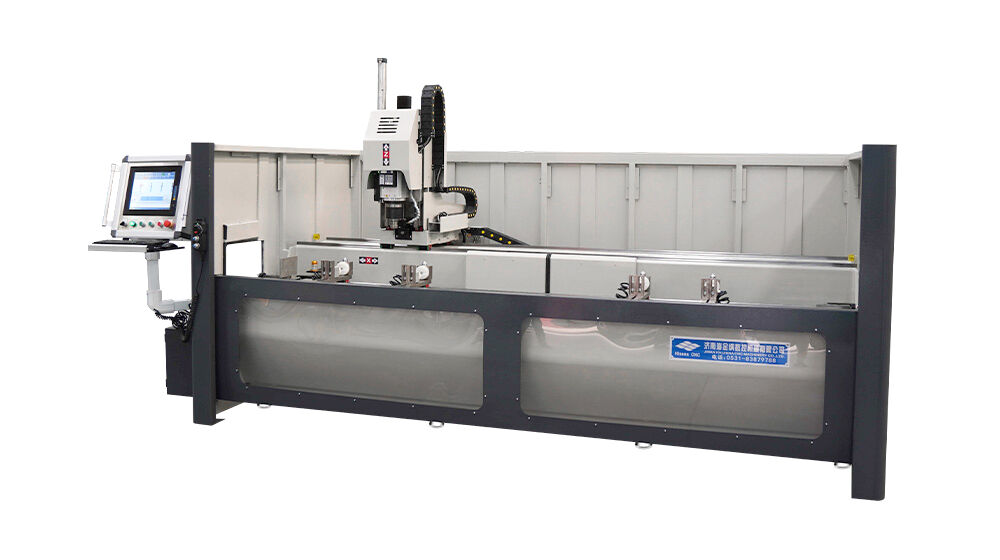
Aluminium window fabrication machines represent essential equipment in modern window manufacturing facilities, designed to streamline the production process of high-quality aluminium windows and doors. These sophisticated machines integrate cutting-edge technology to handle various fabrication tasks, from initial material preparation to final assembly stages. The primary functions of aluminium window fabrication machines include precision cutting of aluminium profiles, drilling operations for hardware installation, milling of drainage holes and lock positions, corner crimping to create strong frame joints, and end-face milling to ensure perfect alignment. Advanced models incorporate computerized numerical control systems that enable operators to program complex cutting patterns and execute them with remarkable accuracy. The technological features distinguishing modern aluminium window fabrication machines include servo-driven mechanisms for enhanced precision, digital display interfaces for intuitive operation, automatic material feeding systems to reduce manual handling, and multi-head configurations that perform several operations simultaneously. Many units feature modular designs allowing manufacturers to customize their setup based on specific production requirements. The machines employ hardened steel cutting blades and carbide-tipped tools that maintain sharpness over extended periods, ensuring consistent quality throughout production runs. Safety features such as emergency stop buttons, protective guards, and sensor-based systems prevent accidents and protect operators. Applications for aluminium window fabrication machines span residential construction, commercial building projects, industrial facilities, and renovation works. Window manufacturers, construction companies, and specialized fabrication workshops rely on these machines to produce standard windows, custom designs, curtain walls, sliding doors, and architectural glazing systems. The versatility of aluminium window fabrication machines makes them indispensable for businesses aiming to meet diverse market demands while maintaining competitive production speeds and quality standards.

New Product Recommendations

Investing in aluminium window fabrication machines delivers substantial benefits that directly impact your bottom line and operational efficiency. First and foremost, these machines dramatically increase production speed compared to manual methods. What once took hours to complete by hand now requires only minutes, allowing your business to fulfill larger orders and respond quickly to customer demands. This speed advantage translates into higher revenue potential and improved customer satisfaction through faster delivery times. The precision offered by aluminium window fabrication machines eliminates costly errors that plague manual fabrication. Computer-controlled operations ensure every cut measures exactly to specification, every hole aligns perfectly, and every corner joins seamlessly. This accuracy reduces material waste significantly, as you avoid scrapping profiles due to incorrect measurements or poor cuts. Over time, the savings on material costs alone can justify the initial investment in quality fabrication equipment. Labour cost reduction represents another compelling advantage. A single operator can manage aluminium window fabrication machines that replace the work of multiple manual workers, freeing your team to focus on other value-adding activities like quality inspection, customer service, or installation services. This efficiency allows smaller businesses to compete with larger competitors without proportionally expanding their workforce. Consistency across production batches ensures that every window meets the same high standards. Unlike manual processes where quality can vary based on worker skill or fatigue, machines deliver uniform results throughout the day. This reliability strengthens your reputation and reduces warranty claims or customer complaints. The flexibility of modern aluminium window fabrication machines accommodates both standardized production runs and custom projects. You can quickly switch between different profiles, dimensions, and designs without extensive retooling, making it economical to serve both mass-market and specialized niche customers. This versatility opens new market opportunities that would be impractical with manual methods. Maintenance requirements for quality fabrication machines remain minimal, with routine cleaning and occasional blade replacement representing the primary upkeep tasks. The durability of industrial-grade components ensures years of reliable service, providing excellent return on investment. Safety improvements protect your most valuable asset: your employees. Automated operations keep hands away from cutting surfaces and reduce repetitive strain injuries associated with manual fabrication work. Enhanced workplace safety lowers insurance costs and creates a more positive working environment that helps retain skilled staff.

Tips And Tricks

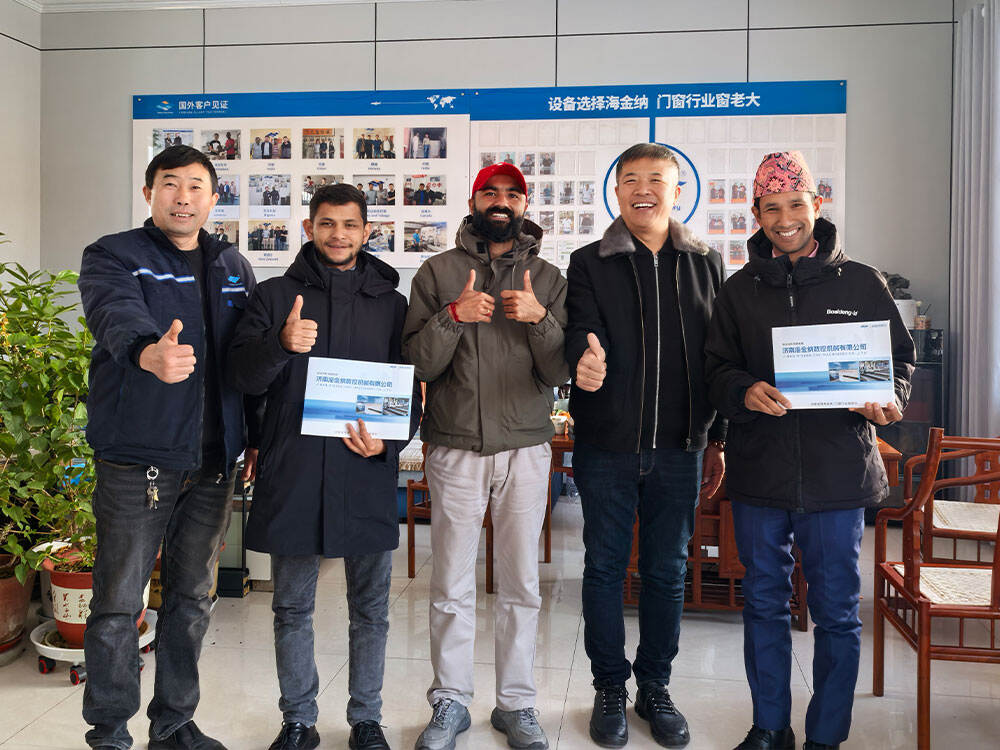
Nepalese Client Returns: Hisena Is the First Choice for Equipment!

30

Apr

Nepalese Client Returns: Hisena Is the First Choice for Equipment!

View More
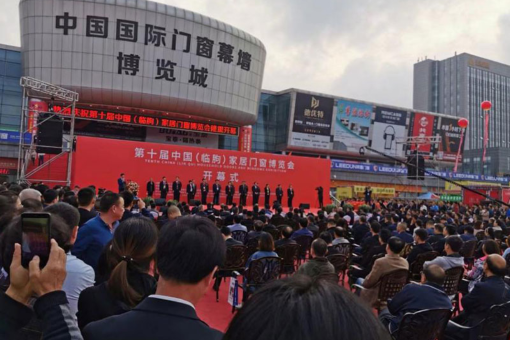
Hisena Honored to Exhibit at Linqu Window Expo in Shandong, Gathering Most Representative Domestic and International Exhibitors and Brands

30

Apr

Hisena Honored to Exhibit at Linqu Window Expo in Shandong, Gathering Most Representative Domestic and International Exhibitors and Brands

View More
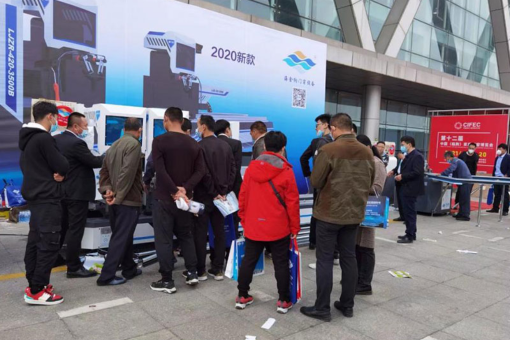
Hisena Showcases Self-Developed

30

Apr

Hisena Showcases Self-Developed "Upgraded CNC Curved High Precision Saw" at Shandong International Window and Door Curtain Wall Expo

View More
Hisena Debuts

30

Apr

Hisena Debuts "CNC High Precision Saw with Upgraded Wireless Transmission" at Guangdong Exhibition

View More

Get a Free Quote

Our representative will contact you soon.
Name
Email
Telephone
Country
Company Name
Message
0/1000

aluminium window fabrication machines

Advanced Precision Control Systems for Superior Accuracy

Advanced Precision Control Systems for Superior Accuracy

The precision control systems integrated into modern aluminium window fabrication machines represent a quantum leap forward in manufacturing accuracy and reliability. These sophisticated systems employ servo motors coupled with digital encoders that monitor position with micron-level precision throughout every operation. When you program dimensions into the control interface, the machine executes cuts and operations with tolerances that human operators simply cannot match consistently. This technological advantage proves particularly valuable when producing large commercial projects requiring hundreds of identical window units, where even minor variations could create installation problems or aesthetic inconsistencies. The digital control systems feature intuitive touchscreen interfaces that simplify operation, allowing new employees to become productive quickly without extensive training periods. Operators can save programs for frequently ordered window styles, enabling one-touch recall that eliminates repetitive data entry and reduces the possibility of input errors. Many advanced aluminium window fabrication machines include automatic measurement verification systems that double-check dimensions before executing cuts, providing an additional safety layer against costly mistakes. The precision capabilities extend beyond simple length cuts to include complex angular cuts, compound miters, and intricate profile machining required for specialized architectural designs. This versatility empowers fabricators to bid confidently on premium projects that demand exacting specifications and superior craftsmanship. The consistency delivered by precision control systems also streamlines downstream assembly processes, as perfectly matched components fit together effortlessly without manual adjustment or forcing. Quality control becomes more straightforward when machine precision ensures dimensional accuracy, allowing inspectors to focus on surface finish and hardware installation rather than spending time verifying basic measurements. For businesses serving architects and contractors who specify tight tolerances, the precision control systems in aluminium window fabrication machines provide competitive differentiation that justifies premium pricing. Furthermore, the data logging capabilities of modern control systems track production metrics, enabling continuous process improvement and providing documentation for quality certifications. This technological sophistication transforms window fabrication from a skill-dependent craft into a repeatable manufacturing process that scales efficiently as your business grows.
Multi-Function Integration for Maximum Productivity

Multi-Function Integration for Maximum Productivity

Multi-function integration stands as a defining characteristic of professional-grade aluminium window fabrication machines, combining multiple operations into single efficient platforms that revolutionize workflow efficiency. Traditional fabrication approaches required moving profiles between separate stations for cutting, drilling, milling, and other operations, consuming valuable time and increasing handling risks that could damage materials or compromise accuracy. Contemporary integrated machines eliminate these inefficiencies by performing sequential operations in one setup, dramatically reducing production cycle times. A typical multi-function aluminium window fabrication machine might feature a precision saw head for length cuts, multiple vertical drill spindles for hardware mounting holes, horizontal drill units for lock cylinder positions, router heads for drainage slot milling, and end-milling cutters for face preparation, all coordinated through centralized control systems. This integration means an operator loads a raw aluminium profile at one end and retrieves a fully machined component ready for assembly at the other end, with all intermediate operations completed automatically according to programmed specifications. The productivity gains become immediately apparent when calculating throughput rates: operations that previously required fifteen minutes of handling time across multiple machines now complete in three minutes on an integrated platform. Beyond speed improvements, multi-function integration enhances precision by eliminating cumulative positioning errors that occur when transferring workpieces between machines. Each operation references the same datum points established during initial clamping, ensuring perfect alignment of all machined features. This accuracy proves critical for modern window systems where tight tolerances ensure proper weather sealing and smooth operation of moving components. The space-saving benefits of integrated machines deserve consideration, particularly for fabrication shops operating in expensive urban locations where floor space carries significant cost. One multi-function unit occupies roughly the same footprint as two traditional single-purpose machines while delivering capabilities equivalent to four or five specialized tools. This consolidation also simplifies facility requirements for electrical power, dust collection, and compressed air distribution. Maintenance efficiency improves as well, since servicing one integrated machine requires less time than maintaining multiple separate units. The centralized control system provides diagnostic information that helps maintenance personnel quickly identify and resolve issues. For growing businesses, multi-function aluminium window fabrication machines offer scalable capacity: initial investment in one comprehensive unit establishes core capabilities, with the option to add additional integrated machines as order volume increases, maintaining consistent process capabilities across production lines.
Robust Construction for Long-Term Reliability

Robust Construction for Long-Term Reliability

The robust construction methodology employed in manufacturing quality aluminium window fabrication machines ensures these capital investments deliver reliable performance over decades of demanding production use. Engineers design these machines using heavy-duty steel frameworks that resist vibration and maintain structural rigidity even during high-speed cutting operations. This solid foundation proves essential for maintaining the tight tolerances these machines promise, as any flex or movement in the machine structure would translate directly into dimensional variations in finished components. The weight and stability of professional fabrication equipment become immediately noticeable when comparing entry-level units with industrial-grade machines: serious manufacturing equipment features substantial mass that dampens vibration and absorbs cutting forces without deflection. Critical wear surfaces receive special treatment to extend service life, with hardened steel guide rails, precision ground ways, and chrome-plated shafts that resist abrasion from constant sliding contact. Bearing systems use sealed units packed with high-grade lubricants that maintain smooth operation through hundreds of thousands of cycles. These engineering details separate reliable professional equipment from consumer-grade alternatives that may appear similar but fail under continuous production demands. The cutting systems in quality aluminium window fabrication machines employ industrial carbide blades and tooling designed for aluminium's specific characteristics, maintaining sharp cutting edges through thousands of cuts before requiring replacement. Quick-change tool mounting systems allow operators to swap blades or bits in minutes, minimizing productive downtime. Electrical and pneumatic systems use industrial-rated components from respected manufacturers, ensuring reliable operation in dusty fabrication environments. Control cabinets feature proper sealing against airborne particles and include cooling systems that prevent electronic failures due to heat buildup during extended operation. Manufacturers of premium aluminium window fabrication machines back their products with comprehensive warranties and maintain parts inventory to support rapid repair when service needs arise. This support infrastructure provides peace of mind that production schedules will not face extended interruptions due to equipment failures. The longevity of well-constructed fabrication machines delivers exceptional value over their service life: while initial purchase prices appear significant, calculating cost per unit produced over ten or fifteen years of reliable operation reveals remarkably low effective equipment costs. Many fabrication shops operate machines purchased decades ago that continue delivering precise results thanks to their robust construction and proper maintenance. This durability also supports strong resale values, providing exit options for businesses that upgrade equipment or change operational focus. The environmental benefits of long-lasting equipment deserve mention as well, as durable machines reduce the waste and resource consumption associated with frequent equipment replacement.

Get a Free Quote

Our representative will contact you soon.
Name
Email
Telephone
Country
Company Name
Message
0/1000