mga sentro ng pagmamasin ng aluminium gamit ang CNC
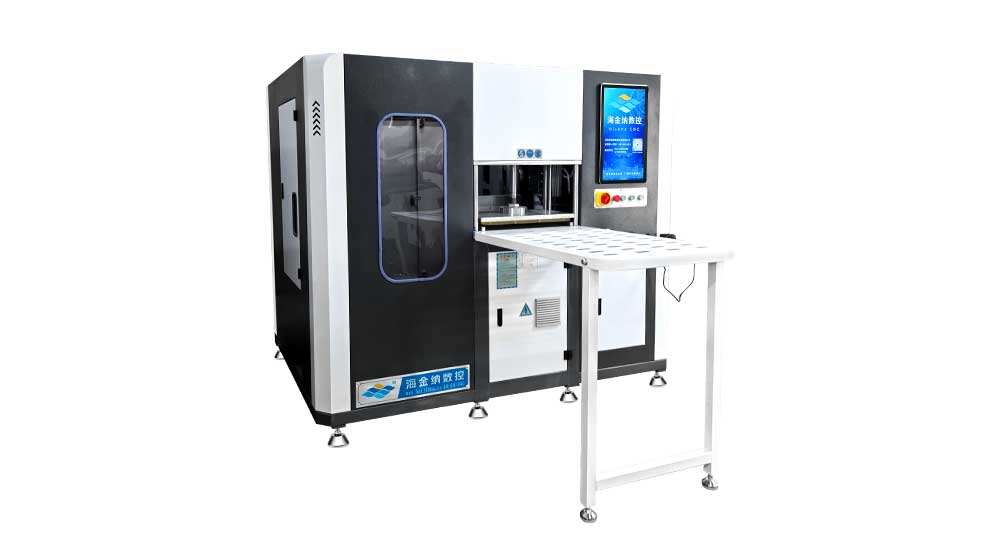
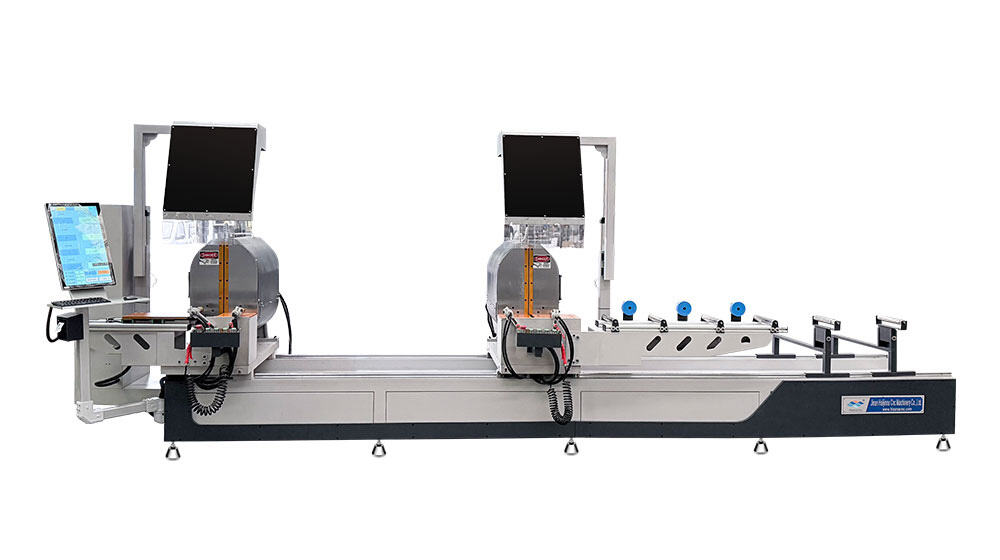
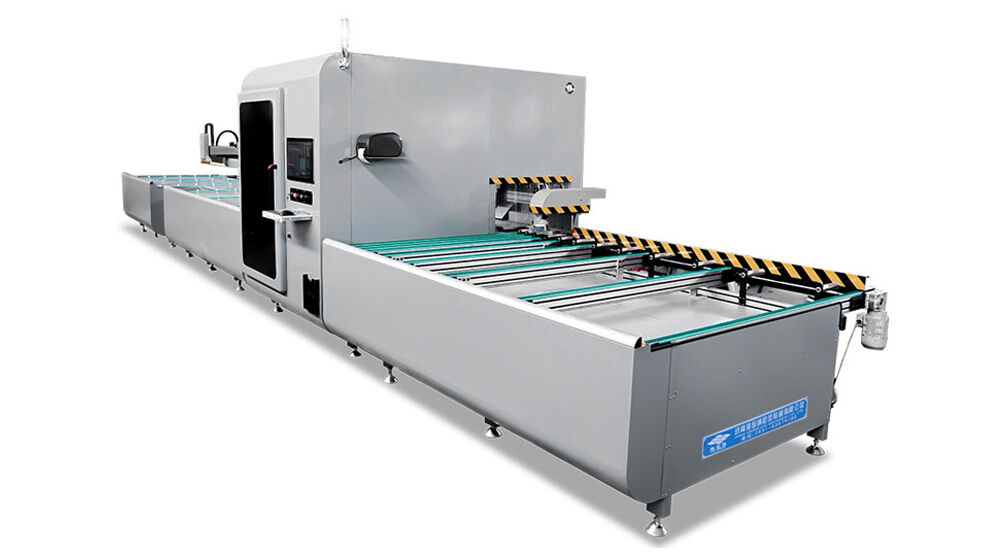
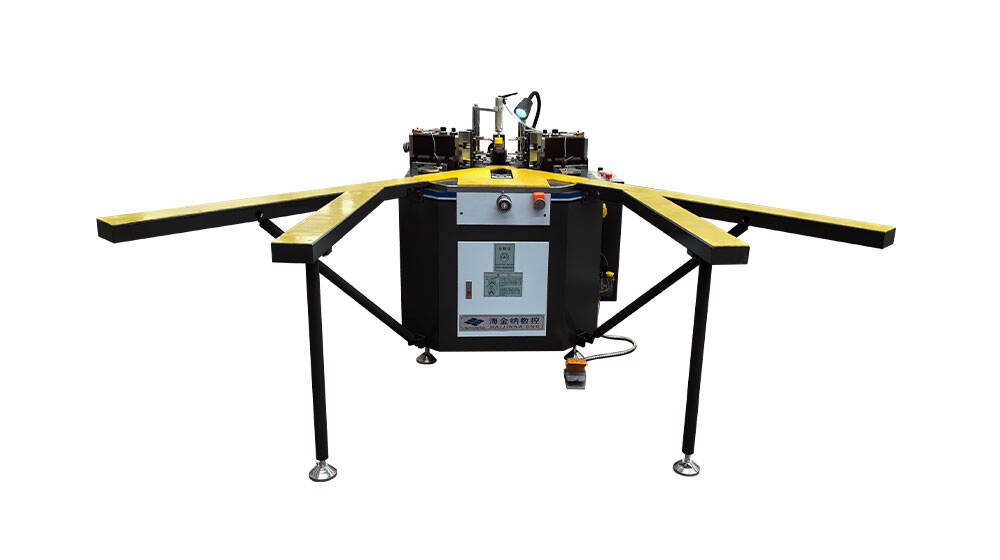
Ang mga sentro ng pagmamasin ng aluminium na gumagamit ng CNC ay kumakatawan sa mga advanced na kagamitan sa paggawa na partikular na idinisenyo upang pangasiwaan ang tiyak na pagputol, paghubog, at pagwawakas ng mga bahagi ng aluminium na may napakahusay na katiyakan. Ang mga sopistikadong makina na ito ay pagsasama-sama ng teknolohiyang computer numerical control (CNC) at matatag na mekanikal na sistema upang maghatid ng pare-parehong mataas na kalidad na resulta sa iba't ibang mga pangangailangan sa produksyon. Ang pangunahing mga tungkulin ng mga sentro ng pagmamasin ng aluminium na gumagamit ng CNC ay sumasaklaw sa maraming operasyon tulad ng pagmamaliit (milling), pagpapalit (drilling), pagpapalit ng ulo (tapping), pagpapalawak ng butas (boring), at pagguhit ng kontur (contouring), na lahat ay isinasagawa sa loob ng isang solong pag-setup upang mabawasan ang paghawak sa materyales at mapataas ang kahusayan. Ang mga teknolohikal na katangian ng mga makina na ito ay kasama ang mga mataas na bilis na spindle na kakayahang abotin ang bilis ng pag-ikot na higit sa 20,000 RPM, na lubos na mahalaga kapag ginagamit ang natatanging katangian ng materyales ng aluminium. Ang mga advanced na sistema ng kontrol ay nagbibigay sa mga operator ng intuitive na interface para sa pag-program ng mga kumplikadong heometriya at pamamahala ng mga landas ng tool na may katiyakan sa antas ng micron. Ang mga awtomatikong palitan ng tool na may mga magazine na nakakapag-iimbak ng 20 hanggang 40 na tool ay nagpapahintulot ng maayos na transisyon sa pagitan ng iba't ibang operasyon sa pagmamasin nang walang manu-manong pakikialam. Ang matibay na konstruksyon ng mga sentro ng pagmamasin ng aluminium na gumagamit ng CNC ay gumagamit ng mga pinalakas na frame at mga linear guide na may katiyakan upang panatilihin ang katatagan habang gumagana sa mataas na bilis, na nag-aagarantiya ng katiyakan sa sukat sa buong proseso ng produksyon. Ang mga sistema ng coolant na nakaimbak sa mga makina na ito ay epektibong namamahala sa paglikha ng init at pag-alis ng mga chip, na lalo pang mahalaga kapag pinoproseso ang aluminium dahil sa kanyang tendensya na dumikit sa mga cutting tool. Ang mga aplikasyon ng mga sentro ng pagmamasin ng aluminium na gumagamit ng CNC ay sumasaklaw sa maraming industriya, kabilang ang aerospace manufacturing kung saan ang mga lightweight na istruktural na komponente ay nangangailangan ng mahigpit na toleransya, automotive production na nangangailangan ng mga engine block at transmission housing, electronics enclosures na nangangailangan ng kumplikadong mga pattern ng bentilasyon, at medical device fabrication kung saan ang mga biocompatible na bahagi ng aluminium ay kailangang sumunod sa mahigpit na mga pamantayan sa kalidad. Ang versatility ng mga makina na ito ay nagpapahintulot sa mga tagagawa na i-proseso ang iba't ibang grado ng aluminium, mula sa malalambot na alloy na angkop para sa dekoratibong aplikasyon hanggang sa mga materyales na may antas ng aerospace na nangangailangan ng espesyal na mga parameter sa pagputol.
 ×
×



 EN
EN