aluminum machining center
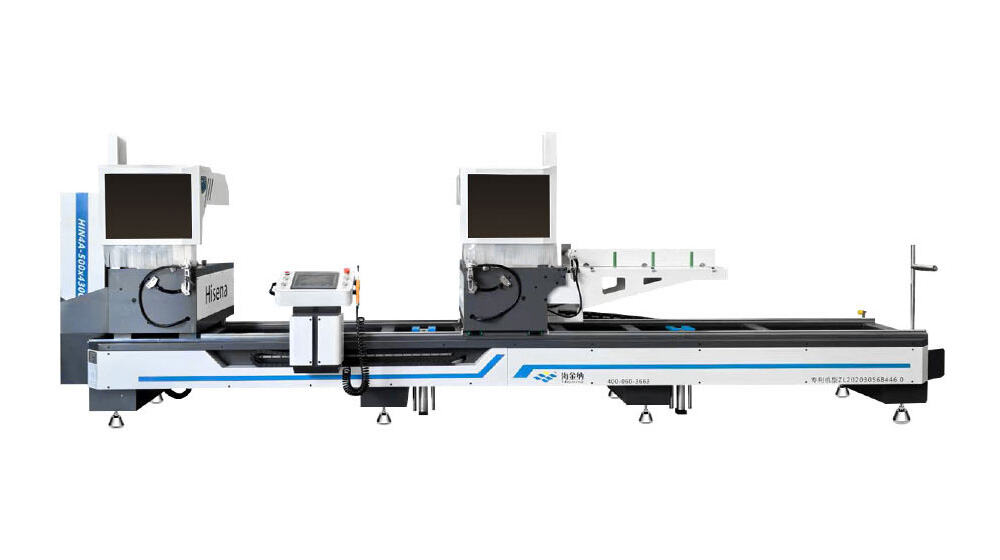
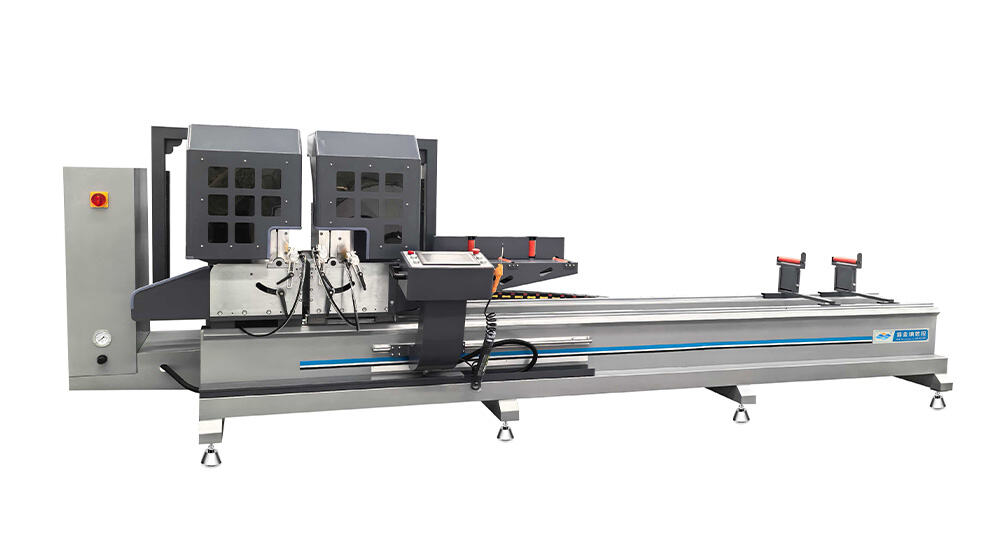
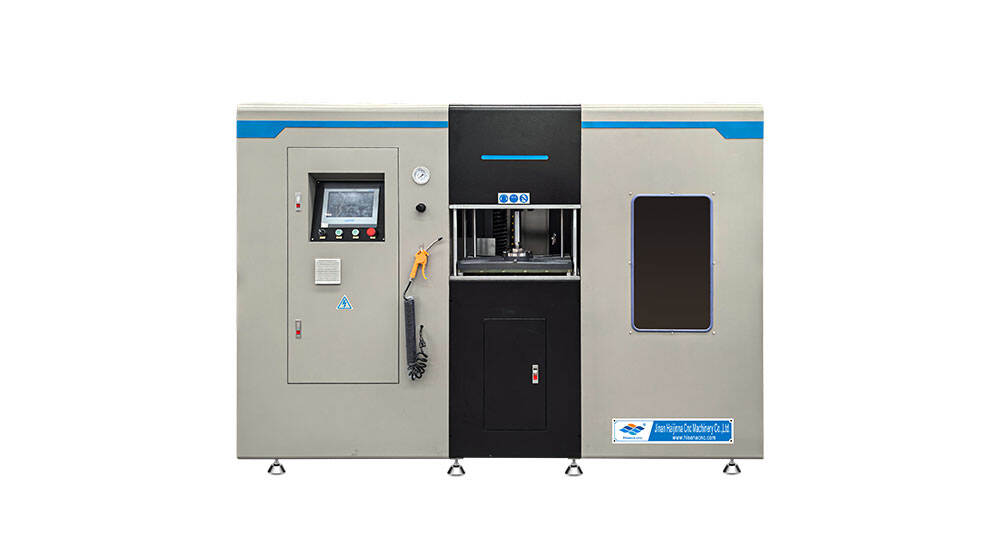
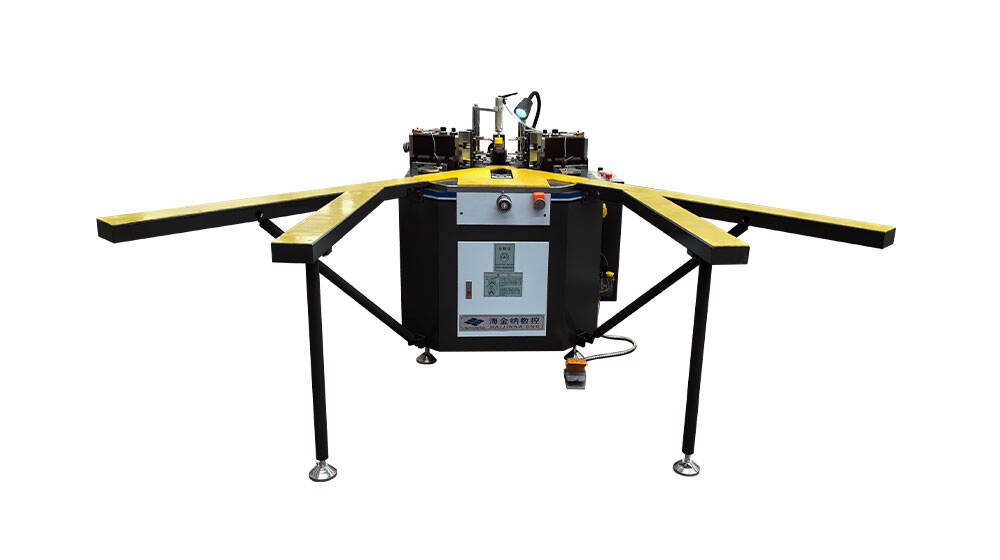
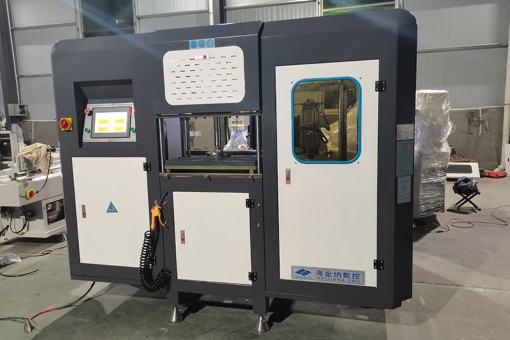
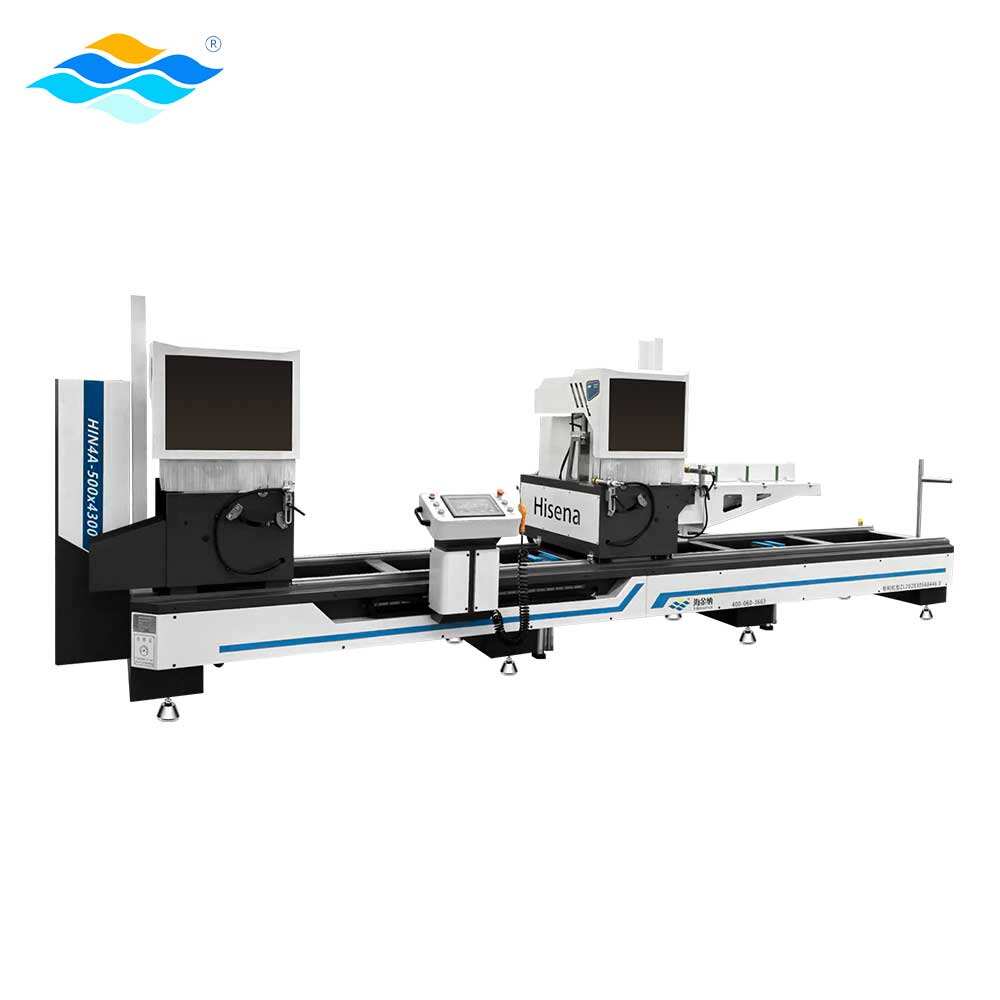
An aluminum machining center represents a specialized computer numerical control machine tool engineered specifically for processing aluminum alloys and related lightweight materials with exceptional precision and efficiency. This advanced manufacturing equipment integrates multiple machining operations into a single automated platform, including milling, drilling, tapping, boring, and contouring processes. The aluminum machining center utilizes high-speed spindles typically operating between 12000 to 24000 RPM, enabling rapid material removal while maintaining superior surface finishes on aluminum components. These machines feature robust structural designs with precision linear guides, ball screws, and servo motor systems that ensure accurate positioning and repeatable movements during complex machining operations. The technological architecture incorporates advanced CNC control systems that allow operators to program intricate tool paths and execute sophisticated machining strategies with minimal manual intervention. Thermal management systems prevent heat buildup during extended production runs, while specialized chip evacuation mechanisms efficiently remove aluminum swarf from the work area. The aluminum machining center typically includes automatic tool changers with magazine capacities ranging from 12 to 40 tools, enabling seamless transitions between different cutting operations without stopping production. Modern units incorporate touchscreen interfaces, conversational programming capabilities, and real-time monitoring systems that simplify operation and reduce setup times. These machines serve diverse manufacturing sectors including aerospace component fabrication, automotive parts production, electronic enclosure manufacturing, architectural hardware creation, and consumer product development. The aluminum machining center delivers exceptional versatility by accommodating various workpiece sizes and geometries while maintaining consistent quality standards across production batches. Manufacturers utilize these machines to achieve tight tolerances, complex three-dimensional contours, and fine surface textures that meet stringent industry specifications for aluminum components used in critical applications.
 ×
×


 EN
EN