Өндірістік тиімділікті және жұмыс икемділігін арттыру
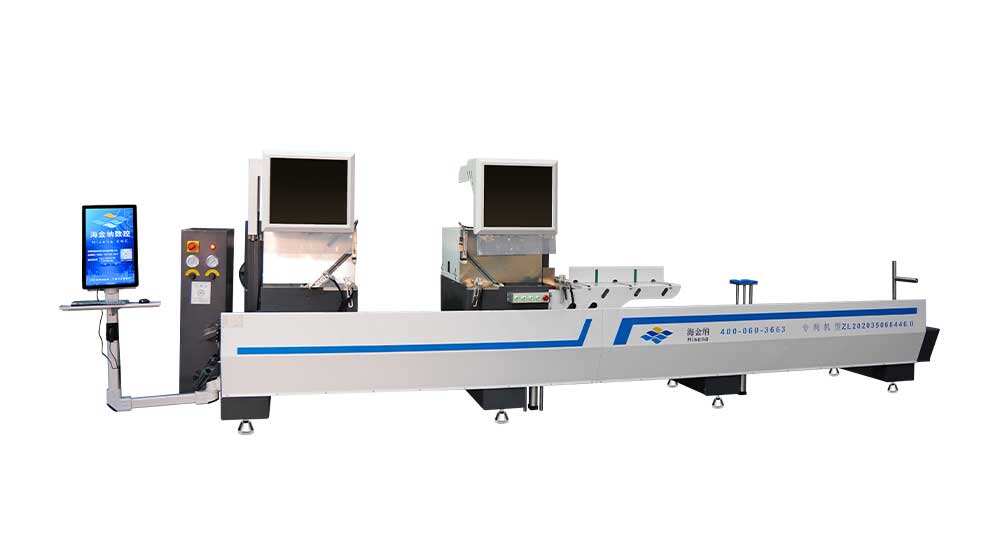
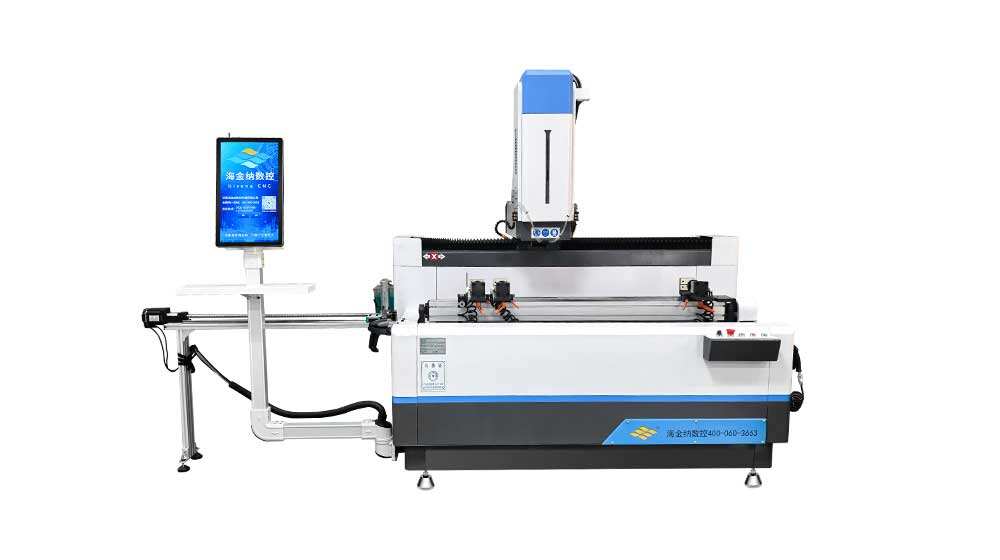
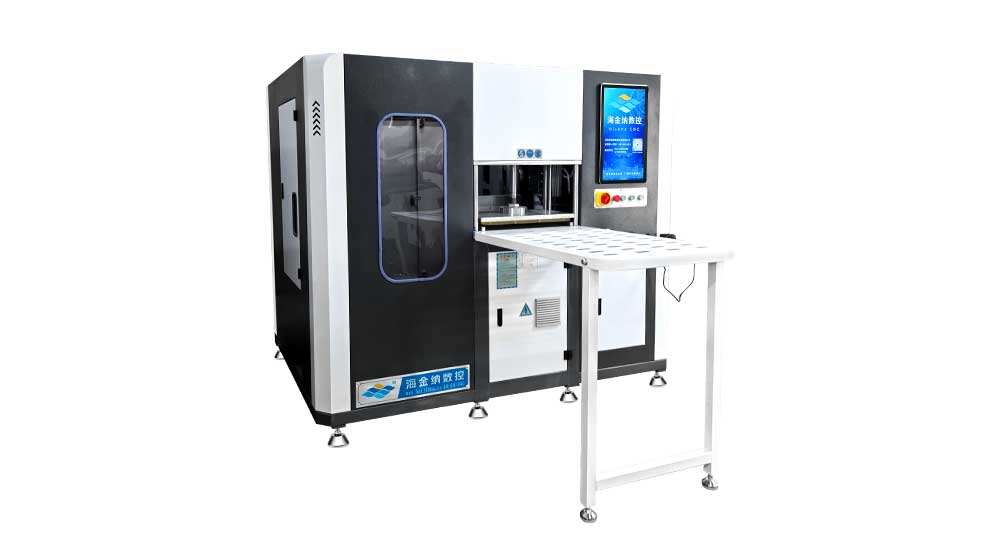
CNC арқылы алюминийді кесу өндірістік тиімділікті түбегейлі өзгертеді, өйткені бұл технология әдетте көп көлемді қол еңбегін, мамандығы жоғары қолөнершілерді және уақытты көп талап ететін дайындық процедураларын қажет ететін процестерді автоматтандырады; нәтижесінде өндіріс операциялары шығысты минималдандырып, өнімділікті максималдандыратын жақсартылған жұмыс ағымдарына айналады. Тиімділіктегі жетістіктер бірнеше бағытта көрінеді: біріншіден, CNC машиналары материалды кесу жылдамдығын, құралдың қызмет ету мерзімін және беттің сапасы талаптарын теңестіретін күрделі алгоритмдерге негізделген оптималды жылдамдықпен кесу операцияларын орындай отырып, цикл уақытын әлдеқайда қысқартады. Қолмен жасалатын операцияларда станокшылар соңғы өлшемдерге жету үшін бірнеше рет өлшеу мен реттеу циклдарын қажет етсе, CNC арқылы алюминийді кесу машиналары бір ғана бағдарламаланған тізбекте тікелей соңғы параметрлерге жетеді, осылайша өндіріс уақытын құнды бөлігін тұтыратын қайталанатын жетілдіру қадамдарын жояды. Қазіргі заманғы CNC арқылы алюминийді кесу жүйелерінің операциялық икемділігі өндірушілерге өндірісті қайта құруға байланысты қымбат тұратын шығындар мен кешігулерге әдетте әкелетін нарықтық сұраныс пен тұтынушы талаптарының өзгеруіне жылдам реакция беруге мүмкіндік береді. Әртүрлі бөлшек дизайндарына ауысу үшін тек альтернативті бағдарламаларды жүктеу және, ықтимал, автоматтандырылған құрал ауыстырғыш жүйелер арқылы кесу құралдарын ауыстыру жеткілікті — бұл процесс конвенционалды машиналарды қайта құру үшін кететін сағаттар немесе күндерге қарағанда бірнеше минутты ғана қажет етеді. Бұл икемділік кіші серияларды, жеке тапсырыстарды және тәжірибелік партияларды экономикалық тұрғыдан тиімді өндіруге мүмкіндік береді, ал бұл әдеттегі жоғары көлемді өндіріс әдістерімен қаржылық тұрғыдан іске аспайтын жағдайлар болып табылады; сондықтан қосымша баға қоймай-ақ индивидуалды шешімдер ұсына алатын өндірушілер үшін жаңа нарықтық мүмкіндіктер ашылады. Тиімділік материалды пайдалану деңгейіне де әсер етеді: CNC арқылы алюминийді кесу бағдарламалары бөлшектерді шикізат қорына (білеушелерге, парақтарға немесе профильдерге) қалай орналастыру керектігін оптималдайды, осылайша шығындарды азайтып, материалдың құнын төмендетеді — бұл алюминийдің құндылығы мен әрбір білеушенің, парақтың немесе профильдің пайдасын максималдап алу экономикалық тиімділігін ескере отырып, ерекше маңызды фактор болып табылады. Операциялық тиімділік еңбек өнімділігін де қамтиды: бір маман CNC арқылы алюминийді кесу машиналарының бірнешеуін бір уақытта бақылай алады, бұл қолмен өңдеудегі «бір адам — бір машина» принципіне қарағанда еңбек ресурстарын пайдалануды әлдеқайда жақсартады. Бұл технология «қараңғыда өндіріс» режимін қамтамасыз етеді, яғни CNC машиналары тәуліктің кез келген уақытында, тіпті түнде немесе демалыс күндерінде, минималды немесе мүлдем қатысуынсыз өндірісті жалғастыра алады; нәтижесінде қолжетімді өндіріс уақыты көбейеді, бірақ еңбек шығындары пропорционалды түрде артпайды — бұл құралдарға салынған инвестициялардың қайтарымын әлдеқайда жақсартады және қатаң жеткізу мерзімдерін сақтау арқылы тапсырыстарды жылдам орындауға мүмкіндік береді, ол қатты бәсекелестік ортасында сәтті өндірушілерді ерекшелейді.
 ×
×




 EN
EN