
 EN
EN


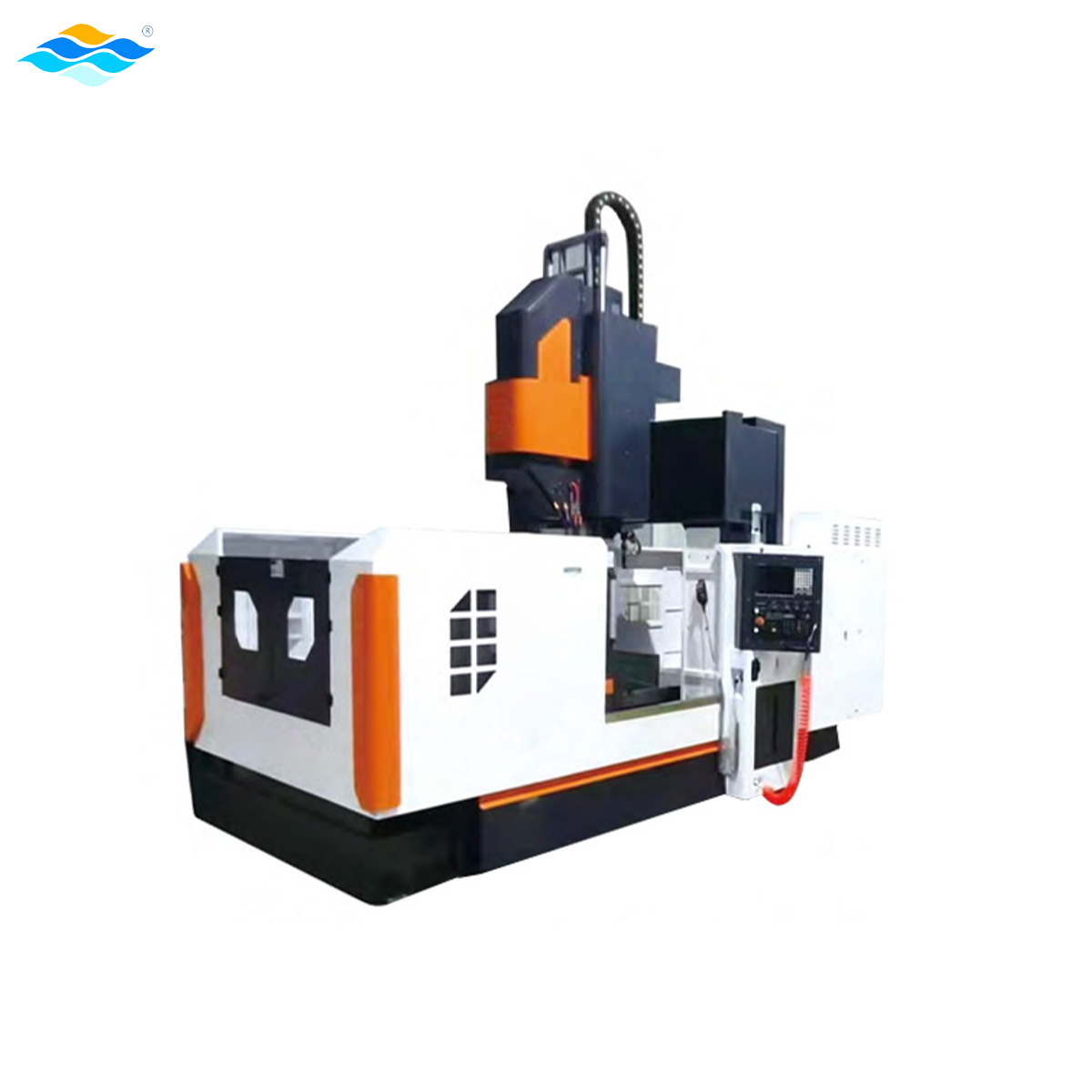
In automotive component manufacturing, a reliable marking machine is not optional — it is a fundamental requirement. Every part that leaves a production line must carry a permanent, readable identification mark for traceability, quality control, and compliance. When plants operate at scale, sourcing a marking machine through wholesale channels becomes a strategic decision that directly affects both cost efficiency and production continuity.
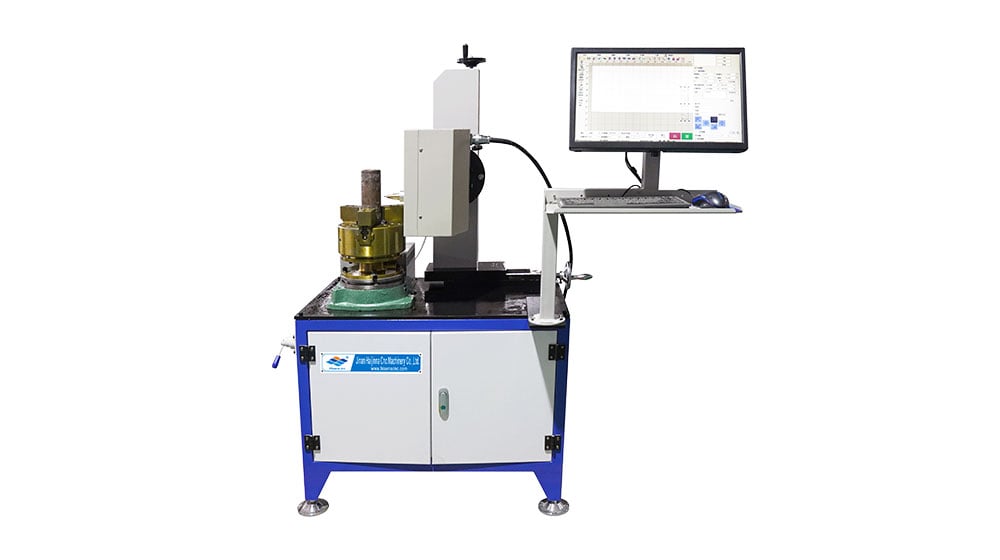
A wholesale marking machine program for automotive plants goes beyond simply ordering equipment in bulk. It involves selecting the right marking machine type for specific component materials, integrating each marking machine into existing production workflows, and establishing long-term supply agreements that keep maintenance and replacement cycles uninterrupted. This article breaks down what automotive component plants need to evaluate when choosing a wholesale marking machine solution.
Why Automotive Plants Rely on Industrial Marking Machines
The Role of Permanent Part Identification
Every automotive component — from engine brackets to transmission housings — must carry a marking machine-applied identifier that survives heat, vibration, and surface treatment. A marking machine used in automotive contexts typically applies dot peen marks, scribing marks, or deep-relief characters directly onto metal surfaces. These marks remain legible across the entire service life of the vehicle, enabling recalls, warranty claims, and supply chain audits to trace components accurately.
Without a capable marking machine on each production station, plants face compliance gaps that can halt shipments or trigger customer audits. Automotive OEMs increasingly require that every tier-one and tier-two supplier deploy a verified marking machine capable of producing marks that meet defined depth, character size, and readability standards. Wholesale procurement of a standardized marking machine model across all stations eliminates inconsistencies in mark quality.
Traceability Standards Driving Marking Machine Demand
Industry traceability frameworks such as IATF 16949 and AIAG standards place direct requirements on part marking. A marking machine that meets these standards must produce marks with consistent dot depth and spacing, and must integrate with data management systems that log serial numbers and batch codes. When plants source a marking machine through a wholesale arrangement, they gain the advantage of uniform specification compliance across all units deployed on the floor.
A pneumatic marking machine, in particular, delivers the impact force necessary to mark hardened steel and cast aluminum components without damaging the substrate. The three-axis design found in industrial-grade marking machine models allows the marking head to follow contoured surfaces, making each marking machine versatile enough for irregular part geometries common in automotive assemblies.
Key Factors When Selecting a Wholesale Marking Machine
Matching Marking Machine Specifications to Component Requirements
Choosing the right marking machine for wholesale deployment starts with understanding the material hardness, surface finish, and marking area dimensions of the components being processed. A marking machine rated for soft aluminum performs very differently from a marking machine engineered for hardened tool steel. Plants that produce a wide range of components benefit from a marking machine with adjustable impact force and programmable character depth, so a single marking machine model can serve multiple stations.
The marking area of a marking machine is another critical specification. A marking machine with a working window of 150 mm by 80 mm, for example, can accommodate most standard automotive part identification fields. Procurement teams sourcing a wholesale marking machine supply should verify that the marking machine model selected covers the widest range of part sizes in the plant to reduce the number of distinct marking machine variants needed.
Integration and Automation Compatibility of the Marking Machine
Modern automotive plants run automated or semi-automated lines where each marking machine must receive data from a manufacturing execution system in real time. A marking machine that supports direct serial communication or network connectivity allows batch codes, VIN-linked serial numbers, and date stamps to be pushed automatically to the marking machine without manual input. This reduces human error and keeps the marking machine synchronized with production records.
When evaluating a wholesale marking machine package, plants should request demonstration data showing how the marking machine connects to their existing control architecture. A marking machine with open communication protocols is far easier to deploy across multiple lines than a marking machine that requires proprietary software at every station. Standardizing on a single marking machine platform simplifies operator training and reduces spare-parts inventory.
Operational and Commercial Advantages of Wholesale Marking Machine Sourcing
Cost and Supply Chain Benefits
Sourcing a marking machine through wholesale channels provides automotive plants with volume pricing that significantly lowers the per-unit cost of each marking machine. Beyond the purchase price, a wholesale marking machine agreement typically includes bulk spare-parts supply — particularly marking pins and drive components — which are the highest-wear elements of any marking machine. Having a pre-negotiated supply of consumables for every marking machine in the plant prevents costly downtime when wear parts need replacement.
Long-term wholesale marking machine contracts also give plants predictable capital planning cycles. Instead of treating each marking machine as an individual procurement event, the plant manages the entire marking machine fleet as a unified asset class with scheduled replacement intervals and centralized maintenance records. This approach reduces the total cost of ownership for each marking machine and improves overall equipment effectiveness across the production floor.
After-Sales Support for a Marking Machine Fleet
A wholesale marking machine supplier that serves automotive plants must provide responsive technical support. When a marking machine fails during a production shift, every minute of downtime carries a measurable cost. Plants should verify that the wholesale marking machine provider offers remote diagnostics, on-site service response commitments, and fast delivery of replacement marking machine units or critical components.
Training programs offered alongside a wholesale marking machine supply are equally important. Operators and maintenance technicians who understand how to calibrate, maintain, and troubleshoot each marking machine reduce failure rates and extend the service life of the equipment. A marking machine supplier that invests in customer training becomes a long-term operational partner rather than just a marking machine vendor.
FAQ
What type of marking machine is best suited for automotive metal components?
A pneumatic dot peen marking machine is widely used for automotive metal components because it delivers consistent impact force suitable for steel, aluminum, and cast iron. A three-axis marking machine model adds the flexibility to mark curved or irregular surfaces, which are common in automotive assemblies.
How does wholesale sourcing of a marking machine reduce plant costs?
Wholesale sourcing of a marking machine lowers the per-unit purchase price, consolidates spare-parts procurement, and enables standardized maintenance schedules. A unified marking machine fleet reduces training costs and simplifies spare-parts inventory management across all production stations.
Can a marking machine integrate with automotive manufacturing execution systems?
Yes, a modern industrial marking machine can integrate with manufacturing execution systems through serial communication or network protocols. This allows the marking machine to receive real-time data such as serial numbers and batch codes directly from the production system, ensuring accurate and automated part identification at every marking machine station.