
 EN
EN


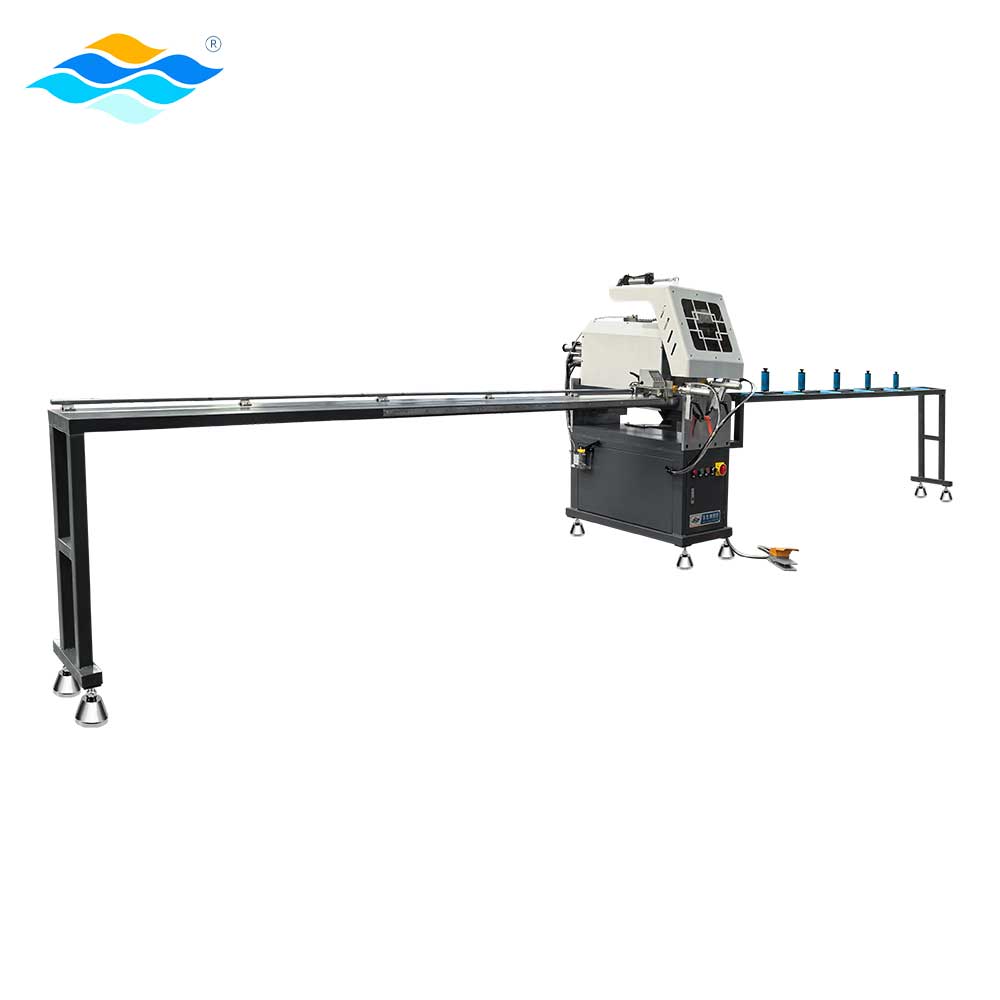
Sourcing a marking machine factory direct has become one of the most strategic decisions a manufacturer can make for high-speed assembly line coding. When production demands increase, every second and every dollar spent on equipment procurement matters. A marking machine purchased directly from the factory eliminates distributor markups, reduces lead times, and gives buyers direct access to technical support and customization options that third-party vendors simply cannot offer. For assembly lines running at high throughput, the performance gap between a well-sourced marking machine and a generic alternative becomes visible almost immediately.

Factory direct procurement of a marking machine is not just about cost savings. It is about aligning the right marking machine specification with your exact production environment. High-speed assembly lines require a marking machine that can maintain consistent code quality at rates that match conveyor speeds, part geometries, and material types without causing bottlenecks. This article explains why the factory direct model matters, how a marking machine is configured for high-speed coding demands, and what buyers need to evaluate before committing to a purchase.
Why Factory Direct Sourcing Changes the Marking Machine Equation
Cost Transparency and Faster Procurement
When you buy a marking machine through a distributor, you are paying for at least one additional layer of margin on top of the base equipment cost. A factory direct marking machine purchase removes that layer entirely. Manufacturers pricing their marking machine products directly can offer better value at the same performance tier, or higher performance within the same budget. For industrial buyers operating at scale, this difference compounds significantly across a multi-unit order.
Factory direct sourcing also accelerates the procurement cycle. With a marking machine manufacturer, technical discussions, custom configurations, and delivery scheduling happen in a single channel. There is no intermediary translating requirements, misquoting specifications, or adding unnecessary delays. High-speed assembly line projects often operate under tight commissioning timelines, and a marking machine sourced factory direct is far better positioned to meet those deadlines.
Access to Engineering and Customization Support
A marking machine designed for high-speed assembly line use rarely fits a single universal standard. Part sizes vary, surface finishes differ, and coding requirements range from simple serial numbers to complex 2D barcodes and QR codes. Factory direct access means the marking machine engineering team can work directly with your production team to select the right laser type, focal length, marking field size, and integration interface. This level of customization is rarely available through distributors who stock only standard marking machine configurations.
How a Marking Machine Performs at High-Speed Assembly Line Rates
Speed, Accuracy, and Duty Cycle
A marking machine used in high-speed assembly line coding must meet demanding performance benchmarks simultaneously. Marking speed is measured in millimeters per second, and a high-quality marking machine can deliver crisp, permanent codes at speeds that match or exceed most conveyor-driven production rates. The marking machine must also maintain positional accuracy across thousands of cycles per shift without thermal drift or focus degradation. Duty cycle ratings define how long a marking machine can operate continuously, and for 24-hour production environments, a high duty cycle rating is non-negotiable.
A CNC-integrated marking machine adds another layer of precision to the equation. CNC motion control allows the marking machine to adjust marking position dynamically, which is particularly useful when coding irregular or curved surfaces on a moving line. In high-volume environments, this adaptability means the marking machine contributes to yield improvement rather than becoming a source of rework or rejection.
Integration with Existing Line Infrastructure
Integrating a marking machine into an existing assembly line requires attention to communication protocols, triggering mechanisms, and safety interlock systems. A factory direct marking machine supplier can provide the exact I/O configuration your line requires, whether that involves encoder-based triggering, PLC handshaking, or vision system coordination. A marking machine that integrates cleanly reduces commissioning time and minimizes the need for costly line modifications. Buyers should always verify that the marking machine they select can communicate with the existing line control architecture before finalizing the order.
What to Evaluate Before Buying a Marking Machine Factory Direct
Application Fit and Material Compatibility
Not every marking machine is suitable for every material or application. Fiber laser marking machine models excel on metals and hard plastics, producing high-contrast, permanent marks with minimal heat distortion. CO2 marking machine configurations are better suited for organic materials, coated surfaces, and certain packaging substrates. UV marking machine options offer cold marking capability for heat-sensitive components. When evaluating a marking machine factory direct, clearly define the substrate types, required mark contrast, and regulatory compliance standards your coding application must meet. The factory team can then recommend the most appropriate marking machine platform without the guesswork.
After-Sales Service, Warranty, and Spare Parts
One of the most overlooked factors in a marking machine purchase is long-term service availability. A factory direct marking machine supplier typically offers stronger warranty terms, faster spare parts fulfillment, and direct access to the engineers who designed the marking machine. This matters greatly when a marking machine fault affects production line uptime. Knowing that replacement components and remote diagnostic support come directly from the source reduces downtime risk significantly. Before finalizing any marking machine procurement, confirm warranty duration, consumable costs, and the supplier's response time commitment for technical issues.
FAQ
What makes a marking machine suitable for high-speed assembly line use?
A marking machine suitable for high-speed assembly line use must offer fast marking speeds, high duty cycle ratings, and reliable integration with conveyor and PLC systems. The marking machine should maintain consistent code quality across continuous shifts without requiring frequent recalibration. Factory direct models often include custom integration packages that make the marking machine more compatible with specific line architectures.
How does buying a marking machine factory direct reduce costs?
Buying a marking machine factory direct eliminates the distributor margin that would otherwise be added to the base equipment price. The marking machine buyer also gains direct access to customization options, which avoids costly retrofitting after delivery. Over a multi-unit deployment, the cost advantage of a factory direct marking machine purchase can be substantial.
Can a marking machine be integrated into an existing automated production line?
Yes, a modern marking machine can be integrated into most automated production lines with the appropriate I/O configuration and communication protocols. Factory direct marking machine suppliers can tailor the control interface to match your line's existing PLC or SCADA infrastructure. Proper integration ensures the marking machine triggers accurately, codes consistently, and does not introduce delays into the assembly flow.