
 EN
EN


Choosing the right vacuum suction lifter supplier is one of the most operationally significant decisions a construction project manager can make. A vacuum suction lifter handles heavy panels, glass facades, stone slabs, and prefabricated concrete elements with precision and speed. At large-scale construction sites where productivity, worker safety, and tight schedules converge, sourcing a reliable vacuum suction lifter becomes not just a procurement task but a critical project enabler.
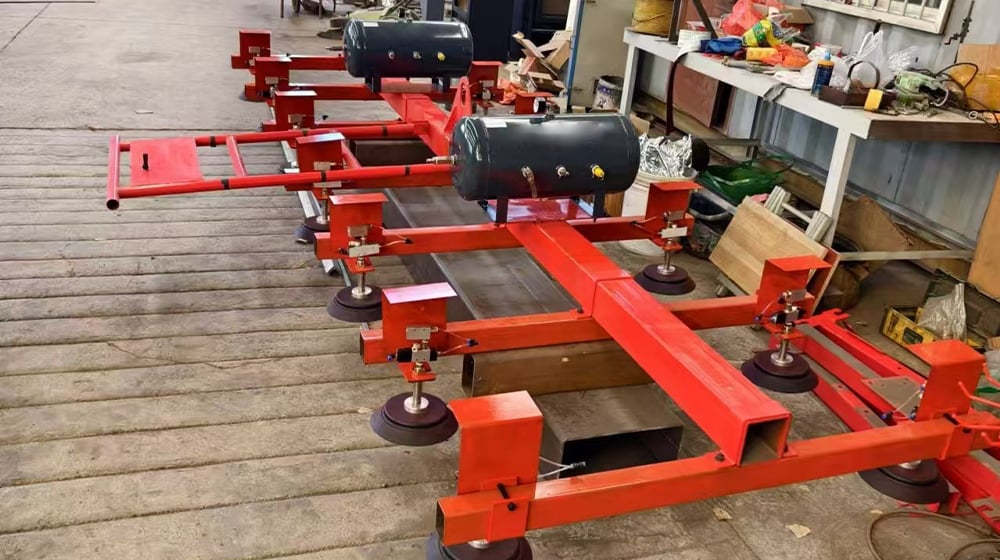
A vacuum suction lifter is a mechanical lifting device that uses negative air pressure to grip and transport smooth or semi-smooth surfaces without the need for clamps, slings, or bolts. At large-scale construction sites, these devices accelerate installation cycles and dramatically reduce the risk of material damage or worker injury. Whether you are fitting curtain wall glass, handling precast panels, or positioning large-format stone cladding, the vacuum suction lifter is the tool that makes precise, repeatable lifts possible. This article explains what to look for in a vacuum suction lifter supplier when your operations run at scale.
Key Equipment Standards a Vacuum Suction Lifter Supplier Must Meet
Load Capacity and Material Compatibility
The first thing any credible vacuum suction lifter supplier must demonstrate is a clear range of load capacities. Large-scale construction sites regularly handle materials weighing several hundred kilograms per lift. A professional vacuum suction lifter supplier should offer units that cover light panel work as well as heavy precast element handling, ensuring you do not need multiple incompatible tools across your site fleet. Confirm that the vacuum suction lifter models provided are rated for both flat and slightly curved surfaces, since real-world construction materials rarely arrive in a single uniform format.
Material compatibility extends beyond weight. A high-quality vacuum suction lifter must maintain a reliable seal on polished glass, textured concrete, coated metal panels, and natural stone. When evaluating a vacuum suction lifter supplier, ask for documented testing data showing seal integrity across different surface types. A supplier who cannot provide this data is unlikely to support you effectively once the vacuum suction lifter is deployed on site.
Safety Certification and Compliance
Every vacuum suction lifter used on a commercial construction site must meet recognized safety standards. A reputable vacuum suction lifter supplier will hold relevant certifications such as CE marking or equivalent regional compliance documentation. These certifications confirm that the vacuum suction lifter has been independently tested for structural integrity, pressure retention, and emergency release behavior. Never accept a vacuum suction lifter from a supplier who cannot provide traceable certification documentation, especially when the equipment will be used in multi-story or high-load applications.
Evaluating a Vacuum Suction Lifter Supplier's Support Infrastructure
Technical Support and Training Availability
A vacuum suction lifter is only as effective as the crew operating it. A strong vacuum suction lifter supplier does not simply ship equipment and walk away. Look for suppliers who offer structured onboarding, operator training materials, and site-specific deployment guidance. At large-scale construction sites, where multiple crews may use the same vacuum suction lifter fleet simultaneously, standardized training reduces misuse and extends equipment service life. A supplier who invests in your team's competency is one who stands behind the vacuum suction lifter they sell.
Technical support infrastructure should also include accessible after-sales service. Ask your vacuum suction lifter supplier about spare parts availability, average response time for technical queries, and whether field service technicians can attend the site if needed. When a vacuum suction lifter fails mid-project, downtime costs accumulate quickly. A supplier with strong technical backing minimizes that risk significantly.
Supply Consistency for Large-Scale Projects
Large-scale construction sites often require multiple units of the same vacuum suction lifter to maintain parallel workflow across different zones. A qualified vacuum suction lifter supplier must demonstrate the capacity to fulfill bulk orders within predictable lead times. This includes consistent component sourcing, quality control across production batches, and reliable logistics coordination. If a vacuum suction lifter supplier cannot guarantee delivery schedules aligned with your project milestones, equipment shortfalls will cascade into schedule delays. Always request references from clients who have placed large-volume orders with the vacuum suction lifter supplier before committing at scale.
Matching Vacuum Suction Lifter Specifications to Site Conditions
Air-Charged vs. Electric-Powered Systems
Not all vacuum suction lifter designs operate the same way. Air-charged vacuum suction lifter systems use compressed air to generate and maintain suction, making them well-suited for outdoor environments where electrical access may be limited. Electric-powered vacuum suction lifter units offer consistent suction with less dependency on compressor availability. A knowledgeable vacuum suction lifter supplier will help you match the right operating system to your site's infrastructure, power availability, and task profile. Avoid suppliers who push a single vacuum suction lifter model regardless of the site conditions you describe.
Ergonomic Design and Crane Integration
At large-scale construction sites, a vacuum suction lifter must integrate seamlessly with the site's crane or hoist systems. The vacuum suction lifter should feature standardized lifting eyes or spreader bar attachment points that align with your existing rigging hardware. Ergonomic controls, clearly labeled release mechanisms, and visible vacuum pressure gauges are all markers of a well-engineered vacuum suction lifter designed for professional use. Confirm with your vacuum suction lifter supplier that all mechanical interfaces are documented and compatible with the crane configurations used on your site.
Weight distribution is another critical factor. A vacuum suction lifter that balances the load evenly across its pad array prevents material tipping during transit, which is essential when handling large glass panels or stone cladding at height. Ask your vacuum suction lifter supplier for load distribution charts to verify that the vacuum suction lifter performs safely across the full range of panel sizes you expect to handle.
FAQ
What should I verify before ordering a vacuum suction lifter for a large site?
Before ordering, confirm the vacuum suction lifter's rated load capacity, surface compatibility, and safety certifications. Also verify that the vacuum suction lifter supplier can deliver in the quantity and timeline your project requires, and that technical support is available post-delivery.
How do I know if a vacuum suction lifter supplier is reliable?
A reliable vacuum suction lifter supplier provides verifiable certifications, references from comparable projects, documented testing data, and a clear after-sales support structure. Consistency in fulfilling large orders is also a strong indicator of supplier reliability for ongoing construction site needs.
Can one vacuum suction lifter model handle all materials on a construction site?
Rarely. Different materials require different pad configurations, suction ratings, and seal types. A professional vacuum suction lifter supplier will assess your material range and recommend either a versatile vacuum suction lifter with interchangeable pads or a dedicated unit per material category to ensure safe and efficient handling across your full project scope.