
 EN
EN


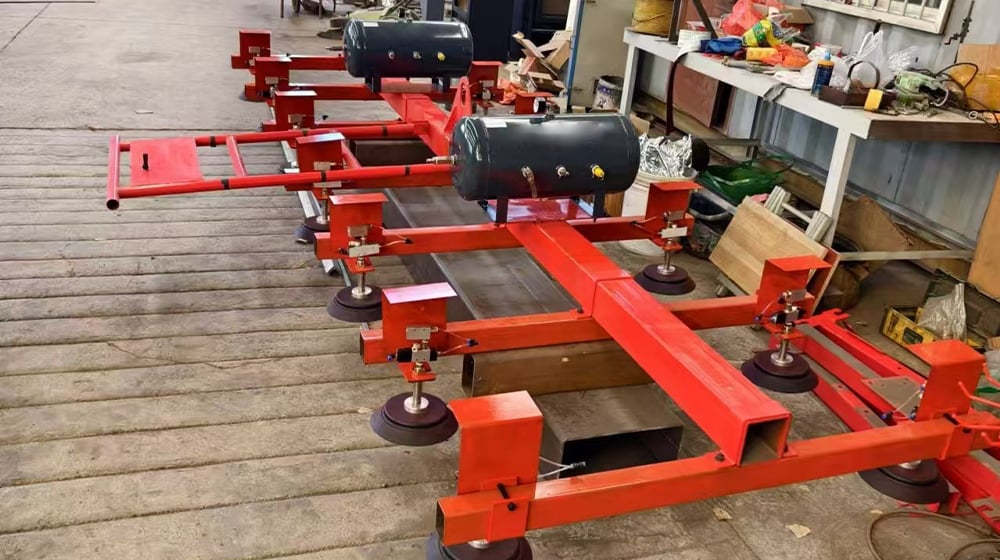
A portable vacuum suction lifter has become an essential tool for glass installation professionals who handle large, heavy, or awkward glass panels on a daily basis. Whether working on curtain walls, storefronts, interior partitions, or residential glazing projects, a portable vacuum suction lifter gives installers the grip, control, and confidence needed to position glass safely and precisely. Without the right lifting equipment, glass installation carries significant risk of breakage, injury, and costly project delays. The portable vacuum suction lifter directly addresses these challenges by offering a secure, hands-free grip that frees workers to focus on accurate placement rather than struggling to hold the load.
For glass installation professionals, the selection of a portable vacuum suction lifter is not a minor purchasing decision. The right portable vacuum suction lifter must match the specific glass types, panel weights, and working environments encountered on real job sites. This article explores the core features that define a professional-grade portable vacuum suction lifter, the practical advantages it delivers during glass installation, and the key factors professionals should evaluate before investing in one. Understanding these dimensions helps teams choose a portable vacuum suction lifter that enhances both productivity and site safety over the long term.
Core Features of a Professional-Grade Portable Vacuum Suction Lifter
Suction Capacity and Pad Configuration
The most fundamental characteristic of any portable vacuum suction lifter is its suction capacity, measured in kilograms or pounds of safe working load. A professional portable vacuum suction lifter must maintain a secure vacuum seal even when glass surfaces carry minor imperfections, dust, or slight moisture. Multi-pad designs spread the load across a wider contact area, reducing stress concentration on any single point of the glass. When evaluating a portable vacuum suction lifter for heavy commercial glass, professionals should confirm that the rated capacity includes a safety margin, typically at least four times the actual load, to account for unexpected movement or vibration during installation. A well-designed portable vacuum suction lifter will feature adjustable pad spacing so the same tool can handle panels of varying widths without compromising grip integrity.
Vacuum Locking Mechanism
A reliable portable vacuum suction lifter used in professional glass installation must include a secure vacuum locking mechanism that holds the vacuum even if the pump loses power momentarily. Air-charged portable vacuum suction lifter models store pressurized air internally, allowing the suction to remain active without continuous power input. This feature is critical on elevated job sites where power interruptions could otherwise lead to catastrophic glass drops. Professionals working at height should always prioritize a portable vacuum suction lifter with a visible vacuum indicator or alarm system, which provides a real-time warning if vacuum pressure drops below safe operating levels. This combination of air-charged storage and pressure monitoring makes the portable vacuum suction lifter a genuinely reliable partner in high-risk installation scenarios.
Practical Advantages During Glass Installation
Improved Positioning Accuracy
One of the clearest benefits of using a portable vacuum suction lifter on a glass installation project is the dramatic improvement in positioning accuracy. When installers grip glass manually, fatigue sets in quickly, leading to micro-adjustments that can cause misalignment, edge chipping, or seal damage. A portable vacuum suction lifter transfers the holding effort to the tool, allowing workers to use their hands for fine-tuning the panel position rather than simply holding the weight. This results in cleaner sealant lines, more consistent joint widths, and fewer callbacks for corrective work. Teams using a portable vacuum suction lifter consistently report that glass panels are set into frames more accurately on the first attempt, reducing both labor time and material waste.
Faster Workflow and Reduced Labor Demand
A portable vacuum suction lifter also accelerates the overall installation workflow by reducing the number of workers needed to handle each panel safely. Tasks that previously required three or four workers — one on each corner of a large glass sheet — can often be completed by two workers when a portable vacuum suction lifter is used. The portable vacuum suction lifter effectively acts as an additional pair of hands, holding the glass steady while the team focuses on alignment and fastening. On large commercial projects where labor costs are significant, this efficiency gain from the portable vacuum suction lifter can translate into measurable cost savings. The compact and lightweight design of a professional portable vacuum suction lifter also means it can be transported easily between floors, work zones, and project sites without requiring special logistics.
Selection Criteria for Glass Installation Professionals
Surface Compatibility and Environmental Conditions
Glass installation professionals encounter a wide range of surface types, from standard float glass to low-emission coated glass, tempered panels, laminated safety glass, and curved architectural glass. Not every portable vacuum suction lifter is designed to perform equally across all these surfaces. Professionals must confirm that the portable vacuum suction lifter they select is rated for use on the specific glass types in their project scope. Coated glass surfaces, for instance, can be more delicate and may require a portable vacuum suction lifter with softer pad materials that grip securely without scratching the coating. Environmental factors such as outdoor wind loads, temperature extremes, and surface condensation also affect vacuum performance, so choosing a portable vacuum suction lifter with environmental ratings appropriate for site conditions is essential.
Ergonomics, Portability, and Handling Design
A portable vacuum suction lifter intended for daily professional use must be genuinely portable, meaning lightweight enough to carry to upper floors and maneuverable enough to use in tight spaces such as elevator lobbies, corridor glazing, or roof-level skylights. The ergonomic design of the handle and release mechanism on a portable vacuum suction lifter matters significantly when workers are operating it repeatedly throughout a full working day. A poorly designed portable vacuum suction lifter that causes wrist strain or requires excessive force to release will slow the team down and increase fatigue-related errors. Professionals should test the portable vacuum suction lifter under realistic site conditions before committing to a full purchase, evaluating how quickly a single operator can attach, position, and release a glass panel using the tool.
FAQ
What weight capacity should a portable vacuum suction lifter have for commercial glass installation?
For commercial glass installation, a portable vacuum suction lifter should have a safe working load capacity that comfortably exceeds the heaviest panel in your project scope, with a built-in safety factor of at least four to one. Many professional-grade portable vacuum suction lifter models are rated between 150 kg and 400 kg, depending on the number of suction pads and the pad size. Always verify that the portable vacuum suction lifter rating matches your specific glass dimensions and weight before beginning any lift.
Can a portable vacuum suction lifter be used on non-flat glass surfaces?
Some portable vacuum suction lifter models are designed with flexible or articulating pads that can conform to mildly curved glass surfaces, but not all tools have this capability. For curved or irregular architectural glass, it is important to select a portable vacuum suction lifter that is explicitly rated for non-flat surfaces and to test the vacuum seal before lifting. Using a standard flat-pad portable vacuum suction lifter on a curved panel can result in an incomplete seal and a dangerous loss of grip.
How should a portable vacuum suction lifter be maintained to ensure long-term reliability?
Regular maintenance of a portable vacuum suction lifter includes inspecting the suction pads for wear, cracks, or surface contamination that could compromise the seal. The vacuum pump mechanism and any air storage components of the portable vacuum suction lifter should be checked according to the manufacturer's service schedule. Cleaning the pads after each use, storing the portable vacuum suction lifter in a dry environment, and replacing worn seals promptly are the most effective practices for ensuring that the tool remains safe and reliable on every job site.