
 EN
EN


Choosing the right vacuum suction lifter manufacturer is one of the most critical decisions a facility manager or procurement specialist can make. A vacuum suction lifter directly impacts worker safety, operational efficiency, and long-term equipment reliability. Whether you are handling glass panels, metal sheets, stone slabs, or large plastic components, the quality of a vacuum suction lifter determines how smoothly and safely your material handling operations run. Selecting a manufacturer with deep engineering expertise ensures that every vacuum suction lifter delivered to your facility meets the demands of real industrial environments.
The global demand for the vacuum suction lifter has grown significantly as industries push for higher safety standards and reduced manual labor risks. A well-engineered vacuum suction lifter eliminates the need for workers to manually grip heavy or awkwardly shaped loads, reducing injury rates and increasing throughput. As manufacturers continue to innovate, today's vacuum suction lifter solutions offer air-charged locking mechanisms, ergonomic designs, and compatibility with a broad range of surface types. Understanding what separates a reliable vacuum suction lifter manufacturer from a generic supplier is essential before committing to a purchasing decision.
What Defines a Reliable Vacuum Suction Lifter Manufacturer
Engineering Capability and Product Range
A trustworthy vacuum suction lifter manufacturer invests heavily in engineering research and product development. This includes designing vacuum suction lifter models capable of handling varied load weights, surface textures, and operating environments. A strong manufacturer will offer multiple configurations of vacuum suction lifter equipment, from compact handheld units to large-capacity lifting systems suited for automated production lines. The ability to customize a vacuum suction lifter for specific industrial applications signals that the manufacturer understands real-world material handling challenges rather than simply producing off-the-shelf products.
Safety Certifications and Quality Standards
Any credible vacuum suction lifter manufacturer must adhere to recognized safety and quality standards. Certifications such as CE marking or ISO compliance confirm that every vacuum suction lifter has been tested under rigorous conditions. These standards govern the vacuum suction lifter's load-bearing capacity, vacuum retention time, seal durability, and fail-safe mechanisms. When evaluating a vacuum suction lifter manufacturer, always request documentation that verifies their products meet applicable safety regulations. A vacuum suction lifter operating without verified safety standards poses significant risks to personnel and infrastructure.
Key Features to Demand from a Vacuum Suction Lifter
Air-Charged Locking Mechanism
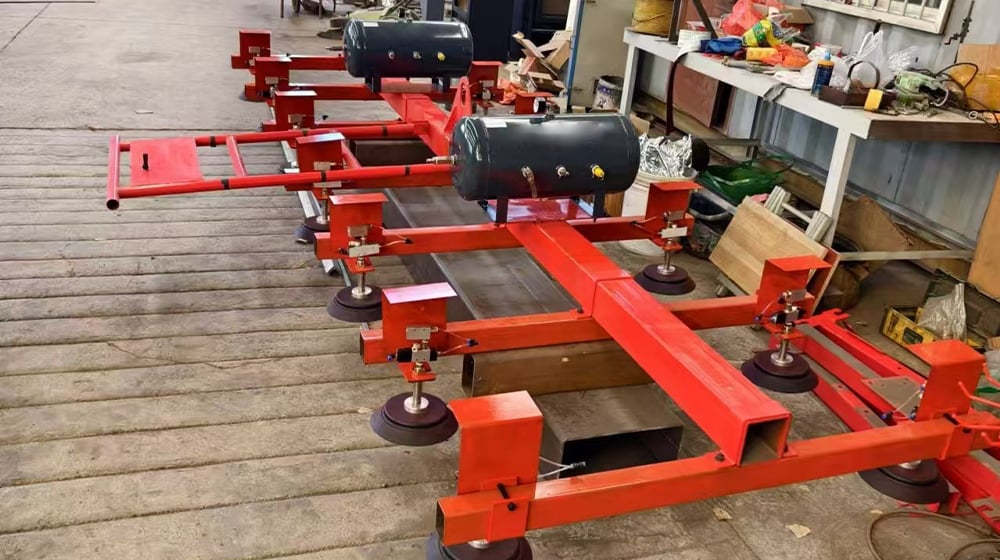
One of the most important advances in modern vacuum suction lifter design is the air-charged locking system. Unlike traditional models that rely solely on passive vacuum pressure, an air-charged vacuum suction lifter actively maintains its grip even if the air supply is temporarily interrupted. This makes the vacuum suction lifter far more reliable for overhead lifting tasks where sudden load release could cause serious accidents. Facilities handling high-value or fragile materials should specifically seek out a vacuum suction lifter with this locking capability, as it provides an additional layer of operational security.
Surface Compatibility and Pad Selection
A high-performance vacuum suction lifter must accommodate a variety of surface conditions. Smooth, polished materials such as glass and stainless steel are natural fits for a standard vacuum suction lifter, but many industrial applications require lifting rough, porous, or uneven surfaces. A capable vacuum suction lifter manufacturer will offer interchangeable suction pad options, enabling the same vacuum suction lifter frame to handle different materials with minimal setup time. The pad material of a vacuum suction lifter — whether nitrile, silicone, or polyurethane — should be matched to the specific surface being handled to ensure consistent grip strength and longevity.
Operational Benefits of Working with the Right Manufacturer
Reducing Workplace Injury and Downtime
The primary business case for investing in a quality vacuum suction lifter is the reduction of workplace injuries. Manual handling of heavy panels and sheets is a leading cause of musculoskeletal injuries across manufacturing, construction, and logistics sectors. A properly specified vacuum suction lifter transfers load stress from human workers to the mechanical system, protecting employees and reducing compensation claims. When a vacuum suction lifter is sourced from a reputable manufacturer, it comes with precise load ratings and operating guidelines, allowing supervisors to deploy the vacuum suction lifter safely and consistently across shifts.
Long-Term Cost Efficiency and After-Sales Support
Working with an established vacuum suction lifter manufacturer also yields long-term cost benefits. Quality-built vacuum suction lifter equipment lasts longer, requires less maintenance, and produces fewer unexpected failures on the production floor. A dependable manufacturer will provide spare parts, replacement pads, and technical service for every vacuum suction lifter model they sell. This after-sales ecosystem is often overlooked during procurement but proves critical when a vacuum suction lifter requires servicing to meet scheduled production targets. Factoring in total cost of ownership rather than upfront price helps procurement teams make smarter decisions about which vacuum suction lifter manufacturer to partner with.
FAQ
What industries commonly use a vacuum suction lifter?
A vacuum suction lifter is widely used in glass manufacturing, metal fabrication, stone processing, automotive assembly, and logistics. Any industry that handles large, flat, or smooth-surfaced materials benefits from the safe and efficient grip a vacuum suction lifter provides. Manufacturers in construction material supply and solar panel production also rely on the vacuum suction lifter to protect fragile loads during handling and transport.
How do I determine the right load capacity for a vacuum suction lifter?
To determine the correct load capacity for a vacuum suction lifter, you should calculate the maximum weight of the heaviest material you need to move and then apply the manufacturer's recommended safety factor, which is typically between 1.5 and 2 times the load. A qualified vacuum suction lifter manufacturer will help you select the right model based on your specific load dimensions, surface type, and lifting frequency. Never operate a vacuum suction lifter beyond its rated capacity, as doing so compromises the integrity of the vacuum seal and creates serious safety risks.
Can a vacuum suction lifter be used outdoors or in wet conditions?
Some vacuum suction lifter models are designed for outdoor use and can handle light moisture exposure, but performance varies significantly by design. A standard vacuum suction lifter may experience reduced grip strength on wet or contaminated surfaces, so it is important to consult the manufacturer's specifications before using a vacuum suction lifter in outdoor or humid environments. Specialized vacuum suction lifter configurations with sealed components and weather-resistant materials are available for demanding environmental conditions.