
 EN
EN


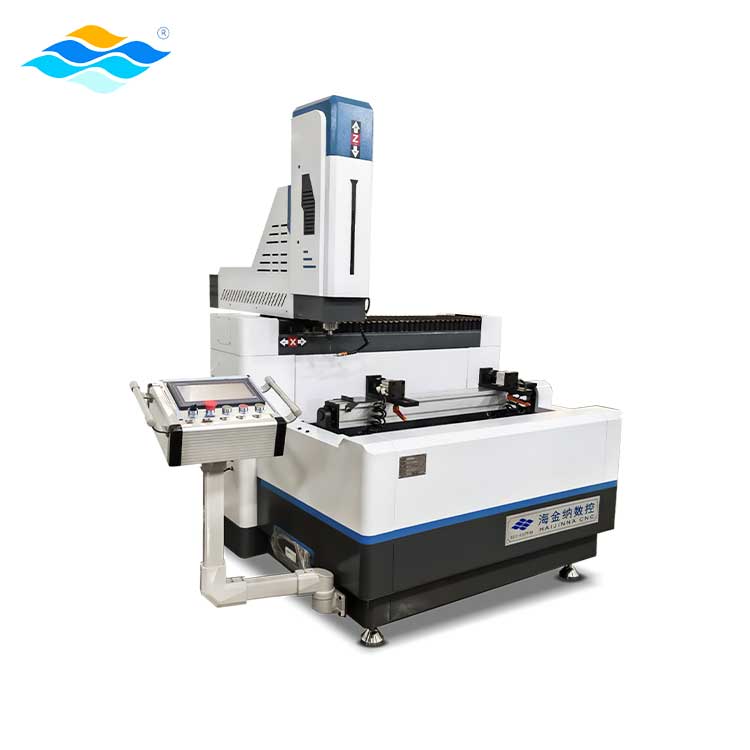
The industrial logistics sector increasingly relies on specialized solutions to handle fragile and heavy materials safely. Window fabrication equipment such as vacuum suction lifters has become essential for companies managing glass and metal panel transportation. These tools address the critical challenge of moving large, flat materials without damage while maintaining worker safety and operational efficiency. Understanding the role and benefits of window fabrication equipment helps businesses optimize their handling processes and reduce costly material waste.
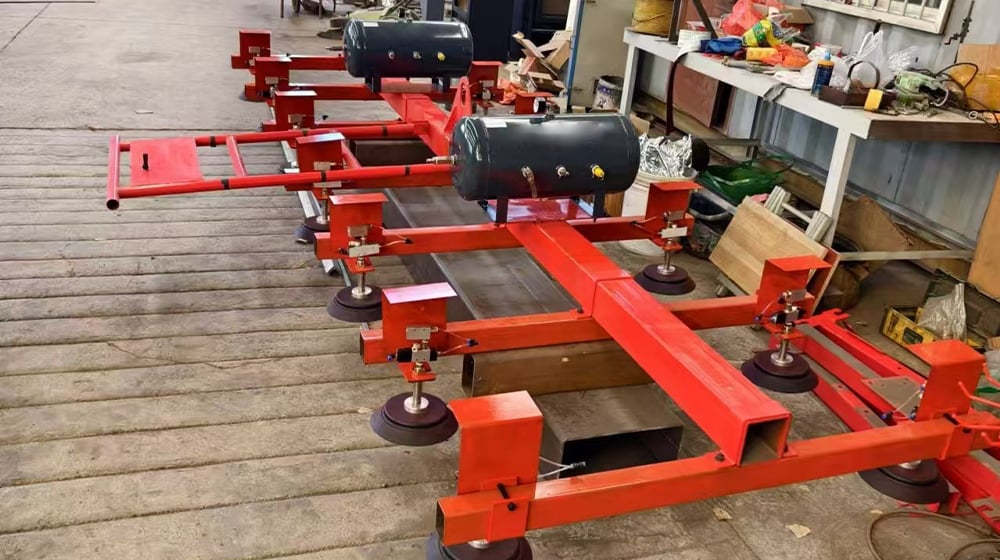
Modern window fabrication equipment transforms how manufacturers and logistics providers handle glass panels, architectural metal sheets, and composite materials. The wholesale vacuum suction lifter market has grown significantly because businesses recognize that traditional manual handling creates safety risks, extends timelines, and increases damage rates. By investing in reliable window fabrication equipment, companies gain competitive advantages through faster material flow, improved worker protection, and reduced material loss during transport and assembly processes.
Core Benefits of Wholesale Vacuum Suction Lifters
Safety and Damage Prevention with Window Fabrication Equipment
Window fabrication equipment designed as vacuum suction lifters eliminates many risks associated with manual panel handling. Operators no longer need to grip or support heavy glass or metal panels with their hands, dramatically reducing strain injuries and accident rates. The non-slip suction mechanism ensures materials remain firmly secured throughout the lifting and transport process, preventing unexpected drops that damage both the material and surrounding equipment. When properly maintained, window fabrication equipment maintains consistent holding power regardless of panel size or weight variations within rated capacity.
The financial impact of damage prevention alone justifies investment in quality window fabrication equipment. A single large glass panel damaged during handling can cost hundreds or thousands of dollars to replace, not counting production delays. Wholesale suppliers of vacuum suction lifters recognize that reliability directly protects company profitability, which is why commercial-grade window fabrication equipment typically includes redundant safety features and rigorous quality testing before shipment.
Operational Efficiency in Logistics and Assembly
Window fabrication equipment accelerates material movement through warehouse, assembly, and installation stages. Where manual handling of large panels might require multiple workers and considerable time, a vacuum suction lifter integrated into window fabrication equipment operations accomplishes the same task with one operator and minimal setup time. This efficiency gain compounds across daily operations, allowing companies to process significantly more material volume without expanding workforce size or facility footprint.
Wholesale buyers of window fabrication equipment often report that acquisition costs are recovered within months through improved throughput alone. The equipment reduces bottlenecks in glass cutting, framing, glazing, and shipping departments where material movement previously consumed disproportionate time. When integrated with existing window fabrication equipment workflows, vacuum suction lifters create smooth handoff points between workstations, supporting lean manufacturing principles and just-in-time material handling strategies.
Selection Criteria for Wholesale Window Fabrication Equipment
Capacity and Compatibility Assessment
Choosing appropriate wholesale window fabrication equipment requires understanding your facility's material specifications and handling scenarios. Panel weight capacity, dimensions, surface types, and material compositions all influence which window fabrication equipment configurations work best for your operations. Most commercial vacuum suction lifter suppliers size their window fabrication equipment around standard architectural glass thicknesses and metal panel gauges, though custom configurations exist for specialized applications like oversized curtain wall panels or composite materials.
Comprehensive assessment of your current material handling challenges ensures window fabrication equipment investments directly address operational pain points. Document average panel weight, typical size ranges, surface finishes, and current handling methods. This information guides selection of wholesale window fabrication equipment that maximizes compatibility with your existing workstations, infrastructure, and employee skill levels. Mismatched window fabrication equipment creates frustration and underutilization, so accurate capacity planning during procurement ensures success.
Reliability, Maintenance, and Long-Term Value
Quality wholesale window fabrication equipment represents a capital investment that must deliver consistent performance over years of daily use. Superior window fabrication equipment incorporates durable sealing systems, robust vacuum pump mechanisms, and corrosion-resistant materials that withstand humid glass-cutting environments and metal dust exposure. When evaluating wholesale suppliers, prioritize window fabrication equipment models backed by comprehensive warranties and accessible technical support networks.
Maintenance requirements significantly impact the true cost of ownership for window fabrication equipment. Premium wholesale options feature user-friendly designs with easily replaceable gaskets, filters, and suction cup sets that facility staff can maintain with minimal training. Budget window fabrication equipment may carry lower initial costs but often requires specialized technician visits for routine maintenance, increasing long-term expenses. Request detailed maintenance schedules and parts availability information from suppliers before finalizing window fabrication equipment purchases.
Implementation Strategies for Window Fabrication Equipment Integration
Workflow Integration and Employee Training
Successful deployment of wholesale window fabrication equipment depends on thoughtful integration into existing operations and comprehensive staff training. Even well-designed window fabrication equipment performs poorly if employees lack clear understanding of proper operation, safety protocols, and maintenance responsibilities. Leading companies provide hands-on training sessions where staff operate window fabrication equipment under supervision before independent use begins, ensuring confident, safe adoption across all shifts.
Workflow optimization around window fabrication equipment creates maximum benefit. Facilities should position loading and unloading stations to minimize manual repositioning of materials between window fabrication equipment operations and subsequent processes. Some companies redesign workstation layouts specifically to accommodate window fabrication equipment, positioning it at comfortable heights and with adequate clearance for panel movement. This deliberate integration of window fabrication equipment transforms it from an isolated tool into a core component of streamlined material flow.
Performance Monitoring and Continuous Improvement
After implementing window fabrication equipment, organizations should establish metrics to verify expected performance gains. Track material damage rates, handling time per panel, worker compensation claims, and equipment downtime to establish baseline improvements. These measurements validate window fabrication equipment investments and identify optimization opportunities. When performance metrics exceed projections, decision-makers gain confidence to expand window fabrication equipment deployment to additional departments or facility locations.
Ongoing dialogue with equipment operators provides invaluable feedback for window fabrication equipment optimization. Frontline staff notice operational friction, maintenance issues, and potential safety improvements that may not appear in formal audits. Companies that foster open communication channels regarding window fabrication equipment performance often discover simple adjustments that substantially improve efficiency or reliability. This collaborative approach builds institutional knowledge about your specific window fabrication equipment applications and supports continuous operational improvement.
FAQ
How much weight can a typical wholesale vacuum suction lifter handle?
Wholesale window fabrication equipment varies widely in capacity, with most commercial vacuum suction lifters handling panels ranging from 200 to 1000 pounds depending on design and suction cup configuration. Manufacturers of window fabrication equipment clearly specify maximum load capacities, which account for safety margins and material compatibility factors. Selecting window fabrication equipment within appropriate capacity ranges ensures reliable performance and maintains manufacturer warranties.
What surface types work best with window fabrication equipment suction systems?
Most window fabrication equipment performs optimally on smooth, non-porous surfaces like glass, polished metal, and sealed panels where strong suction seals form quickly and securely. Textured surfaces, painted finishes, or unsealed wood may reduce suction effectiveness, requiring alternative window fabrication equipment configurations or handling methods. Consult with equipment suppliers about your specific material surface types to ensure selected window fabrication equipment maintains adequate grip for safe handling.
How often does wholesale window fabrication equipment require maintenance?
Quality window fabrication equipment typically requires basic maintenance every 50 to 200 operating hours, including suction cup inspection and replacement if worn, vacuum pump filter changes, and gasket verification. Facilities with heavy daily usage of window fabrication equipment may establish weekly or monthly inspection routines to prevent unexpected failures. Most manufacturers provide detailed maintenance schedules specific to their window fabrication equipment models, and adherence to these protocols substantially extends equipment lifespan while maintaining safety and performance standards.