
 EN


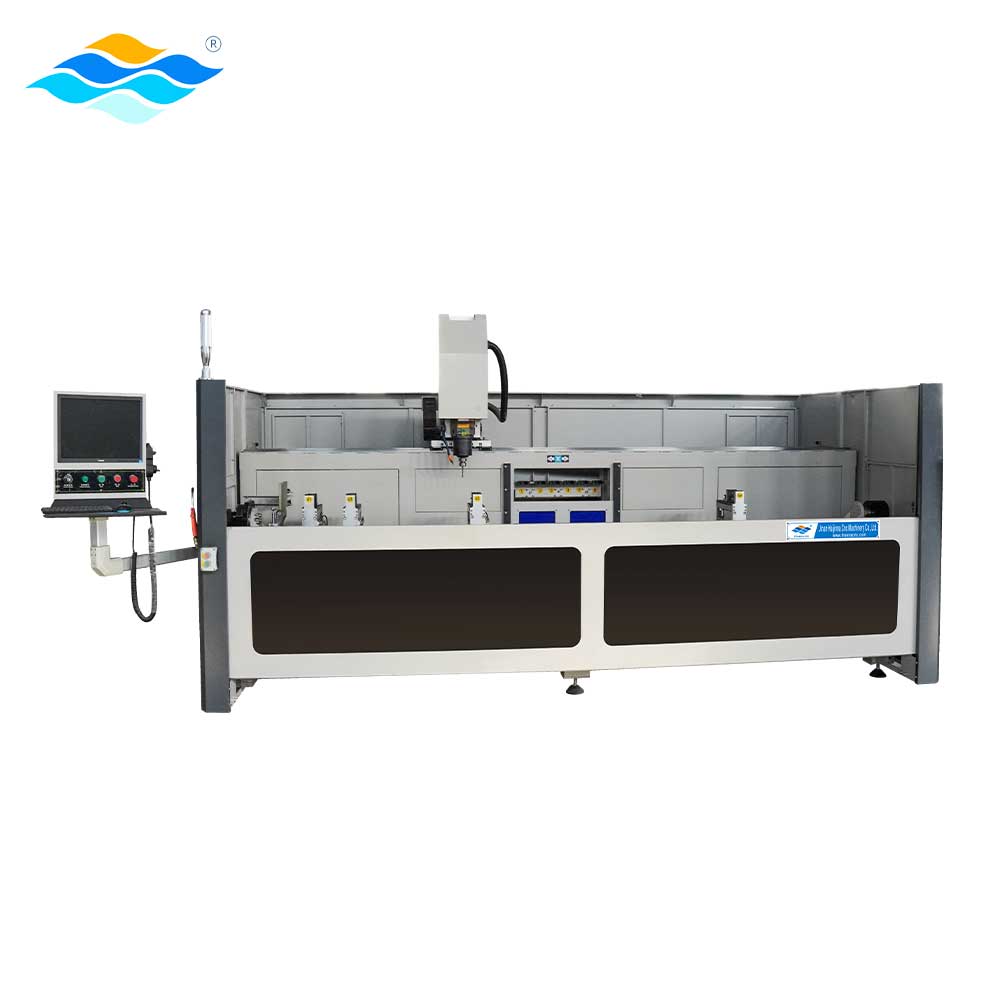
Modern manufacturing demands precision, speed, and consistency. An aluminum machining center has become essential for industries producing aluminum profiles, components, and complex parts. These specialized systems combine advanced CNC technology with high-speed spindles and multi-axis capabilities to deliver superior results compared to traditional machining methods. Whether you manufacture aerospace components, automotive parts, or architectural profiles, understanding how an aluminum machining center optimizes your production workflow is critical to maintaining competitive advantage.
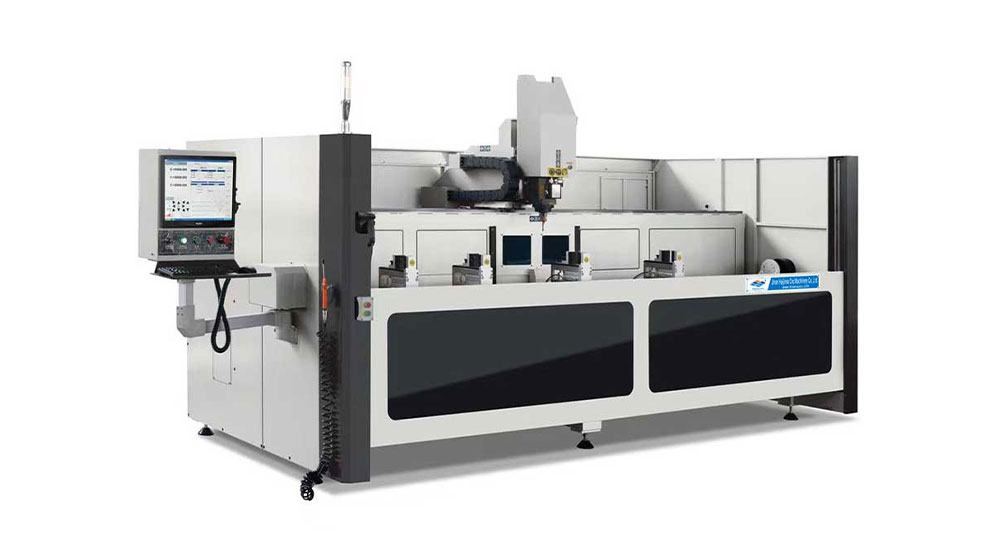
Production challenges with aluminum require equipment specifically engineered for the material's unique properties. An aluminum machining center addresses the critical needs of modern manufacturing by automating repetitive operations, reducing human error, and enabling consistent quality across large production runs. The combination of automated tool changes, programmable cutting strategies, and real-time monitoring makes an aluminum machining center the backbone of efficient aluminum processing operations. This article explores how this technology transforms production capabilities and what manufacturers should know to maximize their investment.
Core Features of Aluminum Machining Center Technology
High-Speed Spindle Performance and Cutting Efficiency
The spindle represents the heart of any aluminum machining center, and high-speed operation is essential for aluminum processing. An aluminum machining center typically features spindle speeds ranging from 8,000 to 20,000 RPM or higher, enabling rapid material removal and superior surface finishes. These elevated speeds dramatically reduce cycle times compared to conventional mills, allowing manufacturers to complete more parts per day. The high-speed capability of an aluminum machining center also minimizes tool deflection, which is critical when producing thin-walled profiles or intricate geometries that demand precision tolerances.
Thermal stability in the spindle assembly ensures consistent performance throughout extended production runs. An aluminum machining center with precision spindle bearings and advanced cooling systems maintains tight tolerances even during continuous operation. This thermal consistency is vital because aluminum expands with heat, and any temperature fluctuation directly impacts dimensional accuracy. Manufacturers using an aluminum machining center benefit from reduced scrap rates and fewer quality rejections due to this inherent thermal management capability.
Multi-Axis Capability and Complex Part Production
Four-axis and five-axis configurations have become standard in modern aluminum machining center designs, allowing manufacturers to produce increasingly complex parts without manual repositioning. An aluminum machining center with four-axis capability enables simultaneous machining of multiple faces, dramatically improving production efficiency. This advanced functionality reduces setup time, minimizes handling errors, and enables the creation of intricate features that would require multiple setups on conventional equipment. Five-axis aluminum machining center systems take this further, allowing true simultaneous machining from any direction.
The accessibility offered by multi-axis aluminum machining center configurations is especially valuable for aerospace and automotive suppliers who demand precision and complexity. Manufacturers can program complete part families in a single setup, reducing lead times and improving repeatability. An aluminum machining center designed for complex geometries includes advanced software interfaces that simplify programming, even for operators without extensive CNC experience. This accessibility democratizes precision manufacturing and expands the range of parts manufacturers can confidently produce.
Operational Advantages and Production Streamlining
Automation and Reduced Cycle Times
Automation features embedded in modern aluminum machining center systems dramatically reduce operator intervention and human error. Automatic tool changers, part loaders, and pallet systems transform an aluminum machining center into a nearly autonomous production unit capable of running extended shifts with minimal supervision. This automation directly translates to higher throughput and lower labor costs per part. Manufacturers adopting an aluminum machining center often report cycle time reductions of 40 to 60 percent compared to manual or semi-automated alternatives.
The predictability of an aluminum machining center's automated workflow enables better production planning and inventory management. Supervisors can accurately forecast completion times, schedule preventive maintenance during optimal windows, and coordinate seamlessly with downstream operations. This operational reliability is particularly valuable in just-in-time manufacturing environments where production delays cascade through supply chains. An aluminum machining center that delivers consistent, predictable output becomes a trusted foundation for entire manufacturing ecosystems.
Quality Control and Precision Excellence
Precision is non-negotiable in aluminum profile manufacturing, and an aluminum machining center delivers repeatability that manual machines simply cannot match. Closed-loop feedback systems, real-time compensation algorithms, and advanced probing capabilities ensure that every part meets specifications. An aluminum machining center monitors cutting forces, spindle vibration, and thermal expansion in real time, automatically adjusting parameters to maintain dimensional accuracy throughout the run.
Quality improvements from using an aluminum machining center extend beyond dimensional accuracy to include surface finish, tool marks, and feature consistency. The ability to capture and replay optimized tool paths means that the first part and the thousandth part are virtually identical. This consistency reduces inspection workload, minimizes rework, and dramatically improves customer satisfaction. Manufacturers who transition to an aluminum machining center typically see first-pass yield rates improve from 85 percent to over 98 percent within the first production month.
Practical Implementation and ROI Considerations
Selecting the Right Aluminum Machining Center Configuration
Choosing an aluminum machining center requires careful evaluation of your specific production requirements. Consider the size and complexity of parts you typically manufacture, the volume requirements, and the precision tolerances you must maintain. An aluminum machining center optimized for high-volume production of simple profiles differs significantly from one engineered for low-volume aerospace components. Your selection should account for future growth, potential product line expansion, and compatibility with existing quality systems and programming standards.
Integration capabilities are equally important when implementing an aluminum machining center into your manufacturing ecosystem. The system should communicate seamlessly with your CAD software, ERP system, and quality management platforms. An aluminum machining center that supports multiple programming formats and communication protocols minimizes data conversion bottlenecks and reduces the likelihood of programming errors. Investing in a system with strong ecosystem integration accelerates payback and maximizes the value of your investment.
Training and Operational Mastery
The full potential of an aluminum machining center is only realized when operators and programmers understand its capabilities and limitations. Comprehensive training programs should cover machine setup, tool management, program optimization, and troubleshooting procedures. An aluminum machining center demands a different skill set than traditional mills, and manufacturers must invest in their workforce to unlock the system's capabilities. Organizations that treat operator training as a strategic advantage, not a cost center, achieve superior results and faster ROI.
Continuous learning and process optimization should continue long after initial installation. An aluminum machining center generates valuable data about cutting speeds, feeds, tool life, and surface quality that can be analyzed to continuously improve performance. Regular review meetings between shop floor operators, programmers, and engineers help identify opportunities to further reduce cycle times and improve quality. This culture of continuous improvement transforms an aluminum machining center from a capital asset into a competitive weapon.
FAQ
What makes an aluminum machining center different from general-purpose CNC mills?
An aluminum machining center is specifically engineered for aluminum's unique properties, including high thermal conductivity, low melting point, and tendency to generate chips. These systems feature optimized spindle speeds, cooling strategies, and chip management to handle aluminum processing efficiently. General-purpose CNC mills can cut aluminum but are not optimized for the material, resulting in longer cycle times and compromised precision. An aluminum machining center also includes aluminum-specific software libraries, tool recommendations, and best-practice parameters that maximize both speed and quality.
What production volume justifies investment in an aluminum machining center?
An aluminum machining center typically delivers positive ROI for volumes exceeding 500 to 1,000 parts annually, depending on part complexity and your current production method. However, the actual justification depends on cycle time reduction, labor cost savings, and quality improvements specific to your operation. An aluminum machining center is equally justified for lower volumes if you currently experience consistent backlog, excessive rework, or customer quality issues. Many manufacturers find that the reliability and precision of an aluminum machining center allow them to accept new business and enter new markets that they previously couldn't support.
How does an aluminum machining center improve profitability beyond cycle time reduction?
Profitability improvement from an aluminum machining center stems from multiple sources beyond faster production. Reduced scrap and rework rates directly improve gross margins, while improved surface finish often eliminates costly secondary operations. An aluminum machining center enables predictable delivery times, allowing manufacturers to charge premium pricing for reliable, rapid delivery. The precision and consistency also enable exploration of higher-margin products that demand tighter tolerances, fundamentally shifting the business mix toward more profitable work. Additionally, a aluminum machining center reduces inventory carrying costs by enabling truly efficient just-in-time production, freeing working capital for other strategic investments.