
 EN


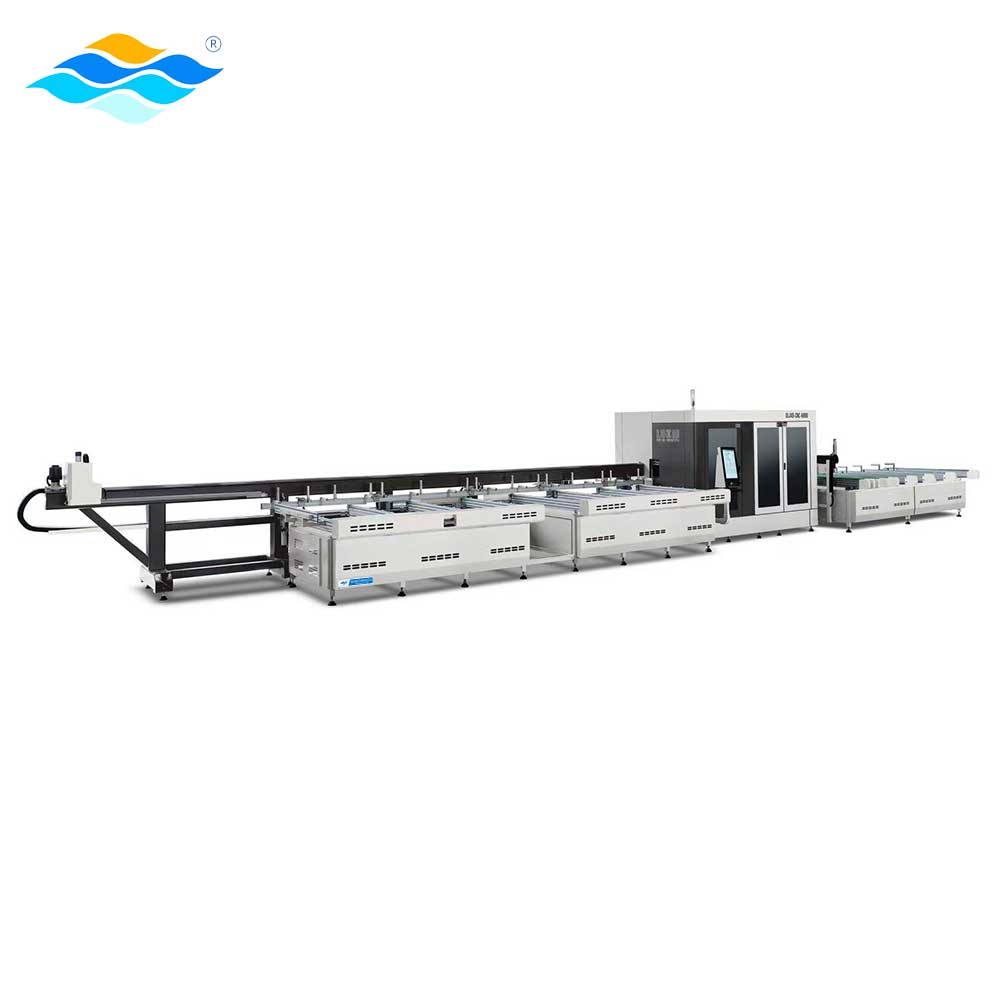
The aluminum machining center has become indispensable for manufacturers producing high-precision aerospace and automotive components. This advanced technology enables rapid, accurate machining of complex aluminum profiles while maintaining tight tolerances that aerospace and auto industries demand. An aluminum machining center combines multi-axis CNC control, high-speed spindles, and sophisticated tooling systems to transform raw aluminum stock into finished parts with minimal waste and maximum repeatability. For aerospace suppliers and automotive manufacturers, investing in an aluminum machining center represents a strategic advantage in competitive global markets where precision and delivery speed determine success.
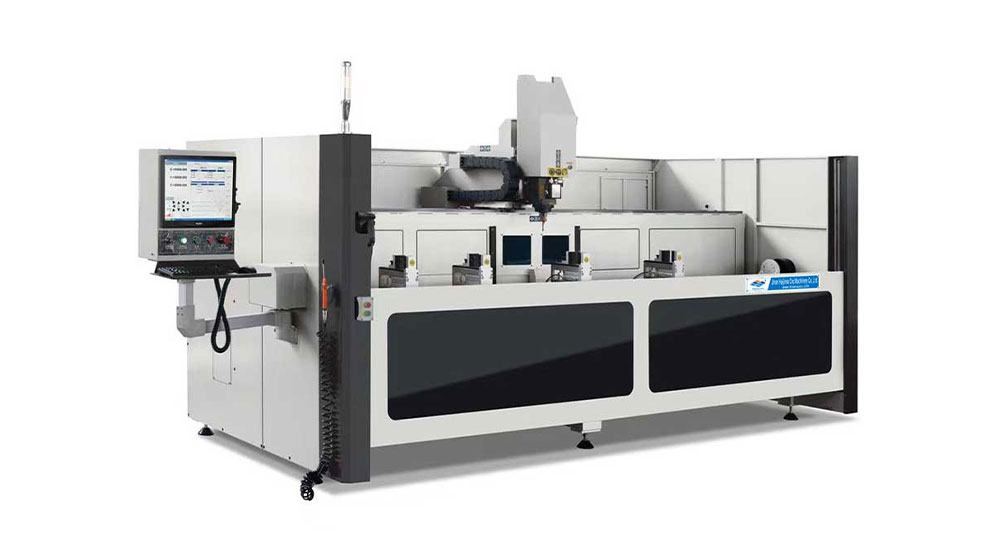
Modern aerospace and automotive manufacturers rely on the aluminum machining center to meet increasingly stringent performance requirements. These machines process aluminum alloys used in aircraft fuselage sections, wing components, engine housings, and critical automotive structural elements. The aluminum machining center delivers the speed, accuracy, and consistency necessary for high-volume production runs while accommodating prototype and small-batch orders. Understanding the capabilities, technologies, and operational benefits of an aluminum machining center helps manufacturers make informed decisions about production capacity and quality assurance.
Core Technologies in Aluminum Machining Center Systems
Multi-Axis CNC Control and Spindle Performance
The aluminum machining center features advanced four-axis to five-axis CNC control systems that enable simultaneous movement across multiple planes. This multi-axis capability allows an aluminum machining center to complete complex geometries in a single setup, eliminating secondary positioning and reducing cycle time significantly. The spindle speed on modern aluminum machining centers ranges from 5,000 to 15,000 RPM or higher, allowing rapid material removal and fine surface finishes. High-speed spindle performance is critical because the aluminum machining center must handle varying aluminum alloy densities while maintaining precision within microns.
Thermal Stability and Precision Architecture
The aluminum machining center incorporates rigid cast iron or welded steel frames with advanced damping systems to minimize vibration during high-speed operations. Thermal compensation systems within an aluminum machining center automatically adjust tool positions and machine geometry as temperatures fluctuate during extended production runs. This thermal management is essential for aerospace components where dimensional consistency directly impacts assembly fit and functional performance. The aluminum machining center maintains positional accuracy of plus or minus 0.005 millimeters across production shifts, a tolerance requirement that distinguishes aerospace-grade equipment from standard industrial machines.
Aluminum Machining Center Applications in Aerospace Manufacturing
Critical Aerospace Component Production
Aerospace manufacturers use the aluminum machining center to produce wing and fuselage components, landing gear assemblies, and hydraulic system housings. The aluminum machining center processes 2024-T4, 6061-T6, and 7075-T73 aluminum alloys that deliver optimal strength-to-weight ratios required for aircraft structures. Each aerospace component processed on an aluminum machining center undergoes rigorous traceability and documentation requirements mandated by FAA and international aviation standards. The aluminum machining center's ability to hold complex geometries ensures that aerospace components fit perfectly within assembly sequences and operational stress limits.
Automotive Applications and Volume Production
The aluminum machining center excels in automotive manufacturing where engine blocks, transmission housings, and suspension components demand high precision and rapid production cycles. Modern automotive platforms increasingly specify aluminum components to reduce vehicle weight and improve fuel efficiency, driving demand for capable aluminum machining center capacity. The aluminum machining center handles batch sizes ranging from hundreds to tens of thousands of parts while maintaining dimensional consistency throughout production runs. Automotive suppliers equipped with modern aluminum machining center technology secure contracts for tier-one supply relationships by demonstrating process stability and delivery reliability.
Operational Advantages and Business Impact
Production Efficiency and Cost Reduction
The aluminum machining center reduces production cycle time by forty to sixty percent compared to traditional multi-spindle or transfer machines, directly lowering per-unit manufacturing cost. Automated tool changers and palette systems integrated into an aluminum machining center minimize non-productive time and maximize spindle engagement. The aluminum machining center's programming flexibility allows rapid setup changes, enabling manufacturers to serve customer orders with varying specifications without extensive retooling. Reduced scrap rates on an aluminum machining center, typically below one percent for stable production, improve material yield and profitability on each order.
Quality Consistency and Compliance Certification
The aluminum machining center generates production data logs that satisfy aerospace quality management system requirements including AS9100 and ISO 9001 certification standards. Integrated measurement systems on advanced aluminum machining center models provide in-process verification, catching dimensional drift before parts move to final inspection. The aluminum machining center's repeatability eliminates variation between production batches, essential for customers assembling parts from multiple suppliers into safety-critical systems. Manufacturers operating an aluminum machining center reduce warranty claims and field failures by delivering parts with process capability indexes exceeding 1.67, the aerospace industry minimum standard.
FAQ
What materials can an aluminum machining center process effectively?
An aluminum machining center handles all standard aerospace and automotive aluminum alloys including 2024-T4, 6061-T6, 6063, and 7075-T73 grades. The aluminum machining center can also machine copper, brass, and composite materials used in aerospace applications. Tooling and spindle speed adjustments optimize the aluminum machining center for each material, though aluminum processing remains the primary focus due to high removal rates and surface finish quality achievable at commercial spindle speeds.
How does an aluminum machining center maintain accuracy during production runs?
Modern aluminum machining center equipment incorporates thermal compensation that continuously monitors machine temperature and adjusts positioning automatically. The aluminum machining center uses precision linear guides, ball screws, and control systems calibrated to industry standards that maintain positional accuracy throughout eight-hour and sixteen-hour production shifts. Periodic probing and in-process measurement cycles on an aluminum machining center detect and correct any dimensional drift before parts exceed specification limits.
What production volumes justify investment in an aluminum machining center?
An aluminum machining center becomes economically justified for production volumes exceeding one thousand parts annually when considering setup time amortization and labor efficiency gains. However, aerospace manufacturers operate aluminum machining center equipment profitably even for low-volume, high-complexity orders due to design flexibility and precision requirements that justify premium pricing. The aluminum machining center investment returns value through reduced engineering iterations, faster time-to-market for new designs, and capability to win customer contracts requiring certified precision manufacturing processes.