
 EN


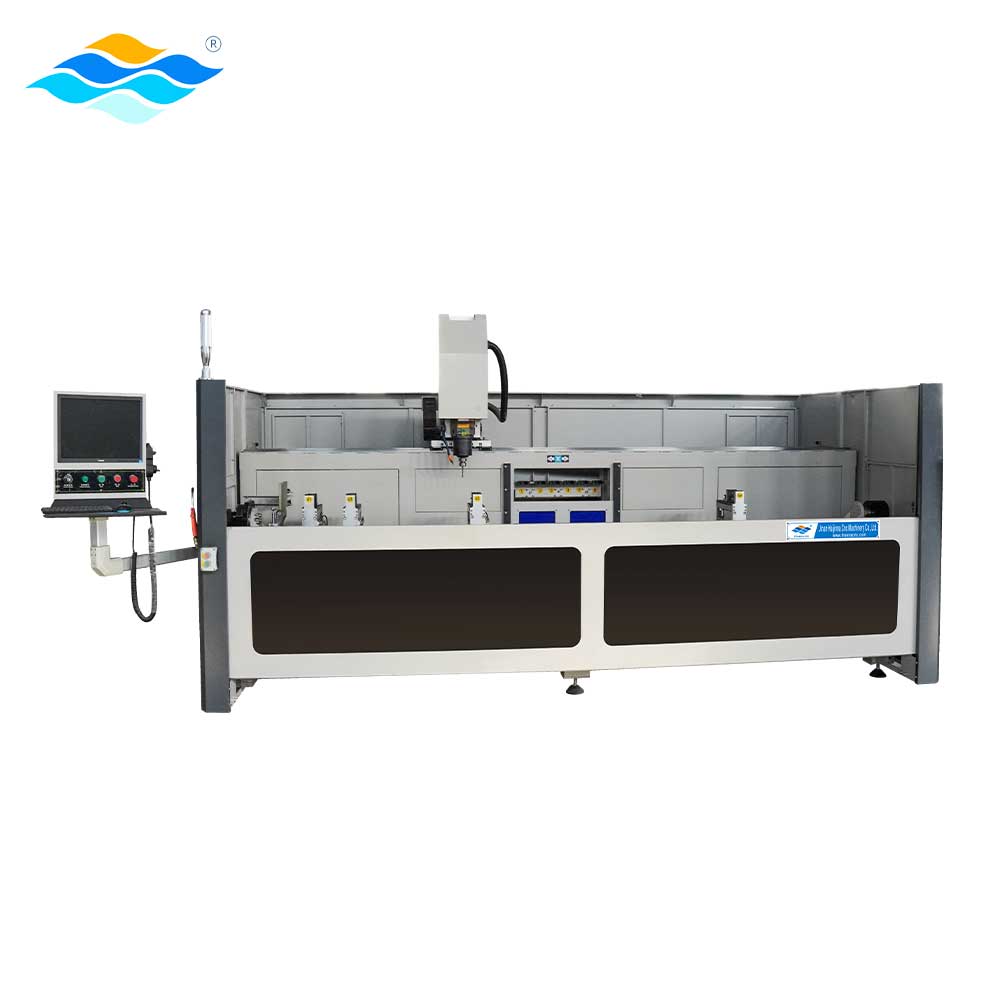
The modern smart factory operates on precision, efficiency, and scalability. An aluminum machining center stands at the core of this industrial transformation, enabling manufacturers to process aluminum profiles with exceptional accuracy and speed. For facilities scaling production, investing in aluminum machining center technology through wholesale channels offers significant cost advantages while maintaining the quality standards that today's markets demand. Understanding how aluminum machining center systems integrate into smart factory workflows is essential for decision-makers evaluating equipment investments.
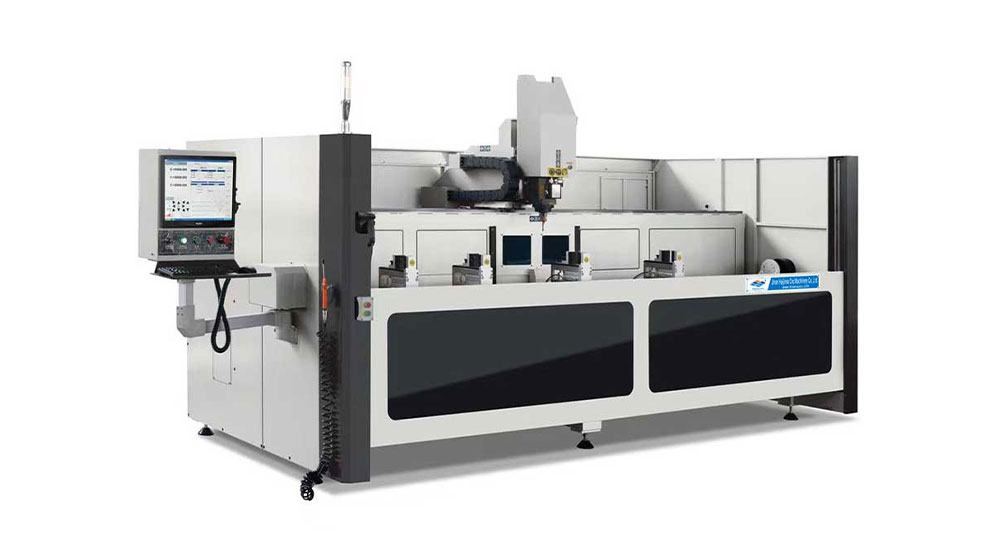
Smart factory environments require equipment that seamlessly integrates with automation systems, data collection platforms, and just-in-time production schedules. An aluminum machining center built for these conditions delivers multi-axis capability, real-time diagnostics, and compatibility with Industry 4.0 standards. Wholesale aluminum machining center procurement strategies help manufacturers reduce per-unit costs while ensuring every system meets enterprise-level reliability requirements. The alignment between aluminum machining center technology and smart factory infrastructure determines production consistency, waste reduction, and competitive positioning.
The Role of Aluminum Machining Center Technology in Smart Manufacturing
Integration with Automated Production Systems
Smart factories depend on seamless machine-to-system communication. An aluminum machining center in this environment operates as both a precision tool and a data-generating asset. Modern aluminum machining center units collect performance metrics—cycle times, tool wear, dimensional variances, and downtime events—that feed directly into manufacturing execution systems. This intelligence enables predictive maintenance, reduces unplanned shutdowns, and optimizes production scheduling. When purchasing aluminum machining center equipment through wholesale channels, facilities should prioritize models offering robust connectivity, standardized interfaces, and cloud-ready diagnostic systems.
Achieving Precision at Production Scale
Aluminum profiles demand exacting tolerances for aerospace, automotive, and construction applications. An aluminum machining center delivers sub-micron repeatability across complex geometries, reducing scrap rates and secondary finishing operations. Wholesale aluminum machining center acquisition allows manufacturers to deploy multiple units across production floors, ensuring consistent quality output and reducing bottlenecks. The precision inherent in modern aluminum machining center technology translates directly to reduced material waste, lower labor overhead, and faster time-to-market for finished components.
Wholesale Procurement Strategy for Aluminum Machining Center Systems
Cost Optimization Through Volume Purchasing
Wholesale aluminum machining center sourcing leverages bulk purchase economics to reduce capital expenditure per unit. For smart factories planning multi-machine deployments, aluminum machining center wholesale pricing significantly improves return on investment calculations and accelerates payback timelines. Beyond initial purchase cost, aluminum machining center wholesale arrangements often include volume-based support packages, spare parts discounts, and extended warranty terms. Facilities should evaluate total cost of ownership metrics when comparing aluminum machining center wholesale offerings, accounting for training, integration, maintenance, and long-term support commitments.
Customization and Factory-Specific Configuration
Industrial aluminum machining center solutions must align with facility-specific requirements—production volumes, profile dimensions, required cycle times, and automation protocols. Wholesale aluminum machining center providers typically offer configuration flexibility, allowing buyers to specify spindle speeds, work envelope dimensions, tool changer capacity, and software integration parameters. An aluminum machining center customized to match existing workflows reduces implementation timelines and minimizes productivity disruption during equipment installation. Smart factory operations benefit when aluminum machining center specifications directly support planned production scenarios rather than forcing operations to adapt to generic equipment.
Advanced Capabilities Driving Smart Factory Efficiency
Multi-Axis Performance and Geometric Complexity
Five-axis and simultaneous multi-axis aluminum machining center capabilities enable single-setup machining of complex profiles, eliminating repositioning delays and tolerance stack-up risks. An aluminum machining center with advanced kinematics reduces cycle times by 30 to 50 percent compared to traditional three-axis systems, directly improving throughput for smart factory operations. Aluminum profile designs incorporating features across multiple planes become economically viable when processed on aluminum machining center equipment offering simultaneous axis control. Wholesale aluminum machining center selections should prioritize models demonstrating proven performance on geometries matching production requirements.
Adaptive Tool Management and Real-Time Optimization
Modern aluminum machining center systems employ adaptive feeds and speeds algorithms that adjust cutting parameters based on real-time load sensing and tool condition monitoring. These capabilities extend tool life, reduce thermal stress on aluminum profiles, and maintain surface finish consistency throughout production runs. An aluminum machining center equipped with automatic tool compensation mechanisms minimizes setup time and reduces operator skill requirements—critical advantages when scaling workforce across multiple shifts. Smart factory implementations leverage aluminum machining center adaptive features to achieve lights-out manufacturing scenarios, where unmanned production runs maintain quality metrics autonomously.
FAQ
What makes aluminum machining center technology suitable for smart factory environments?
Aluminum machining center systems built for Industry 4.0 integration feature standardized communication protocols, embedded sensors for real-time diagnostics, and compatibility with manufacturing execution systems. An aluminum machining center designed for smart factories captures production data—cycle times, tool performance, quality metrics—that informs predictive maintenance and process optimization. This data-driven approach reduces unexpected downtime, improves production predictability, and enables the autonomous decision-making central to smart factory operations.
How does aluminum machining center wholesale purchasing improve facility economics?
Wholesale aluminum machining center procurement reduces per-unit capital costs through volume discounts, negotiated service packages, and streamlined logistics. An aluminum machining center purchased through wholesale channels often includes integrated training, spare parts packages, and multi-year support agreements at lower effective costs than individual unit purchases. For facilities planning facility-wide deployments, aluminum machining center wholesale strategies accelerate return on investment timelines and improve overall equipment effectiveness metrics across the production operation.
What customization options should smart factories prioritize when selecting aluminum machining center equipment?
Critical aluminum machining center customization parameters include work envelope dimensions matching production profiles, spindle speed ranges optimized for aluminum cutting, tool changer capacity reflecting job complexity, and control system features enabling integration with existing manufacturing systems. An aluminum machining center configured specifically for facility requirements minimizes implementation friction and reduces the learning curve for operators. Smart factories should also prioritize aluminum machining center models offering modular upgrades, allowing future capability enhancements without complete equipment replacement as production needs evolve.