
 EN
EN


Selecting the right metal laser cutting machine supplier is one of the most consequential decisions a shipbuilding or infrastructure contractor can make. These industries demand extreme precision, consistent repeatability, and the ability to process thick steel plates at high volume. A metal laser cutting machine that performs reliably under those conditions directly affects production timelines, material yield, and structural quality. Getting the supplier selection right from the start saves significant cost and rework down the line.
Shipbuilding and large-scale infrastructure projects involve cutting structural steel, hull plates, bridge girders, and heavy framing components. Each of these applications places unique demands on a metal laser cutting machine in terms of format size, power output, and cutting speed. Understanding what separates a capable industrial supplier from a general-purpose equipment vendor helps procurement teams and project engineers make smarter, more cost-effective decisions. This article outlines what to look for when choosing a metal laser cutting machine supplier for these demanding sectors.
Industry-Specific Demands on a Metal Laser Cutting Machine
Shipbuilding Requirements
Shipbuilding is one of the most material-intensive manufacturing sectors in the world. Hull construction, bulkhead fabrication, and deck plating all require a metal laser cutting machine capable of processing carbon steel and marine-grade alloys at thicknesses ranging from 6mm to over 30mm. The metal laser cutting machine must deliver clean, slag-free edges that meet classification society standards, reducing the need for secondary grinding and finishing. High-power fiber laser technology has become the preferred choice in modern shipyards because a metal laser cutting machine equipped with fiber laser sources achieves faster throughput and lower operating costs compared to traditional plasma or flame cutting alternatives.
Beyond raw cutting power, a metal laser cutting machine used in shipbuilding must support large-format bed sizes. Ship components are rarely small, and a metal laser cutting machine with a limited work envelope forces operators to reposition and re-fixture plates frequently, increasing cycle time and alignment error. Suppliers who specialize in this sector understand that a metal laser cutting machine must accommodate sheet sizes of 3000mm x 12000mm or larger to remain practical for hull and structural plate work.
Infrastructure and Construction Applications
Bridge construction, pipeline fabrication, and industrial building frameworks share similar demands. A metal laser cutting machine used in infrastructure projects must cut high-strength structural steel with minimal heat-affected zones to preserve material integrity. When a metal laser cutting machine produces excessive thermal distortion, downstream fit-up work increases substantially, raising labor costs and delaying assembly. Choosing a metal laser cutting machine with precise beam control and advanced cooling systems helps infrastructure contractors maintain tight tolerances even on long production runs.
What to Evaluate in a Metal Laser Cutting Machine Supplier
Technical Capability and Machine Specifications
A qualified metal laser cutting machine supplier must demonstrate clear technical capability matched to the buyer's specific material and thickness requirements. The supplier should be able to provide documented cutting performance data showing how their metal laser cutting machine handles various grades of carbon steel, stainless steel, and structural alloys. When evaluating a metal laser cutting machine, procurement teams should ask for test cuts on representative materials at the intended thickness range. A supplier confident in their metal laser cutting machine will readily provide sample cuts and measurable tolerance data.
Power output is a critical specification. A metal laser cutting machine rated at 6kW may handle light structural work adequately, but shipbuilding and heavy infrastructure applications typically require a metal laser cutting machine with 10kW to 30kW of laser power or more. The supplier should offer a range of metal laser cutting machine configurations so that buyers can match machine power to production volume without overpaying for unused capacity. Modular upgrade paths from a reliable metal laser cutting machine supplier also future-proof the investment as project requirements evolve.
After-Sales Support and Service Infrastructure
A metal laser cutting machine is a high-value capital asset, and downtime is extraordinarily costly in shipbuilding and infrastructure environments. The supplier's ability to provide rapid technical support, spare parts availability, and on-site service is just as important as the machine's initial specifications. When evaluating a metal laser cutting machine supplier, ask specifically about average response times for service requests, regional service center locations, and whether remote diagnostics are available for their metal laser cutting machine models. A supplier who cannot support a metal laser cutting machine effectively after installation is a liability, not a partner.
Training support also matters. Operating a metal laser cutting machine safely and at peak efficiency requires skilled personnel. A strong metal laser cutting machine supplier offers structured operator training, programming guidance, and ongoing technical education. Teams that understand how to fully utilize a metal laser cutting machine produce better results, reduce consumable waste, and extend the service life of the equipment.
Matching the Right Metal Laser Cutting Machine to Your Project Scale
Large-Format Machine Configurations
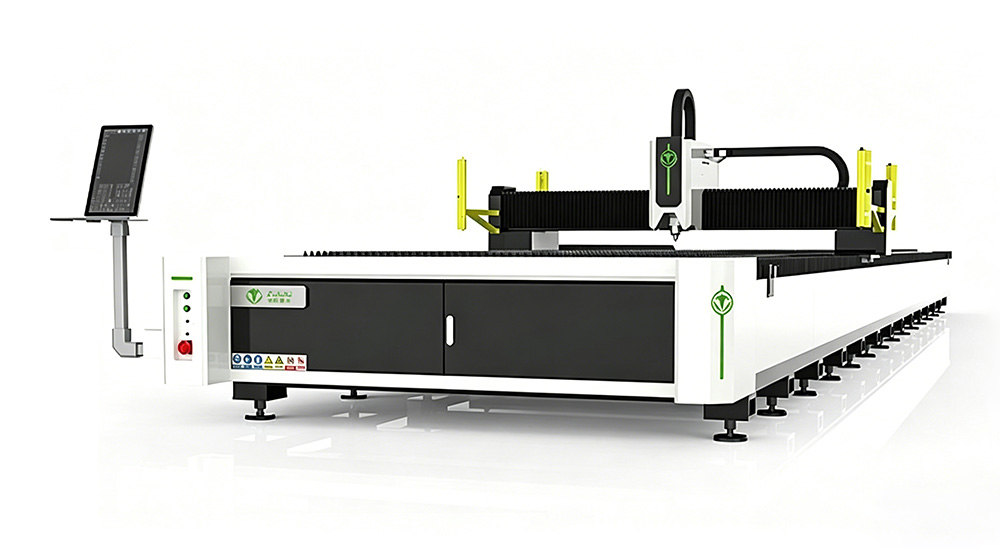
For shipbuilding and major infrastructure contracts, a standard-format metal laser cutting machine is often insufficient. Large-format configurations of a metal laser cutting machine allow a single setup to cut full-size structural panels without repositioning. This dramatically reduces handling time and improves edge-to-edge consistency across large components. Suppliers offering large-format metal laser cutting machine models understand the logistics of heavy plate handling and can advise on gantry configurations, loading systems, and fume extraction requirements suited to the application.
A metal laser cutting machine designed for large-format work typically incorporates a reinforced gantry structure to maintain positioning accuracy across extended travel distances. When a metal laser cutting machine processes a 12-meter plate, any flex or vibration in the machine structure translates directly into dimensional error. Leading metal laser cutting machine suppliers engineer their large-format models with precision linear guides, servo-driven axes, and thermal compensation systems to address these challenges. Buyers should verify that the metal laser cutting machine supplier has proven installations in comparable shipbuilding or infrastructure facilities.
Integration with Production Workflows
A metal laser cutting machine does not operate in isolation. In a shipyard or infrastructure fabrication shop, a metal laser cutting machine must integrate with nesting software, ERP systems, material handling equipment, and downstream welding or forming processes. The supplier should demonstrate how their metal laser cutting machine interfaces with industry-standard CAD/CAM platforms and provide examples of successful integration in comparable production environments. A metal laser cutting machine that fits seamlessly into existing workflows reduces implementation time and accelerates return on investment.
FAQ
What power level is recommended for a metal laser cutting machine used in shipbuilding?
Shipbuilding typically requires a metal laser cutting machine with 10kW to 30kW of fiber laser power to handle thick carbon steel and structural alloys efficiently. The exact power recommendation depends on plate thickness range and production volume. A qualified metal laser cutting machine supplier can advise on the optimal configuration after reviewing your specific material requirements.
How important is format size when selecting a metal laser cutting machine for infrastructure work?
Format size is critically important. A metal laser cutting machine with a limited work envelope forces frequent repositioning of large structural plates, increasing cycle time and introducing alignment errors. Infrastructure projects benefit greatly from a metal laser cutting machine with a bed size of at least 3000mm x 6000mm, and preferably larger for bridge or heavy framing components.
What after-sales support should I expect from a metal laser cutting machine supplier?
A reliable metal laser cutting machine supplier should offer rapid technical response, spare parts availability, remote diagnostics capability, and structured operator training. Given that a metal laser cutting machine represents a major capital investment, the supplier's service infrastructure directly impacts machine uptime, production continuity, and long-term operating cost. Always verify service capabilities before finalizing any metal laser cutting machine purchase.